
REVIEW · SAFARI
Star Safari Stargazing Experience, Martinborough
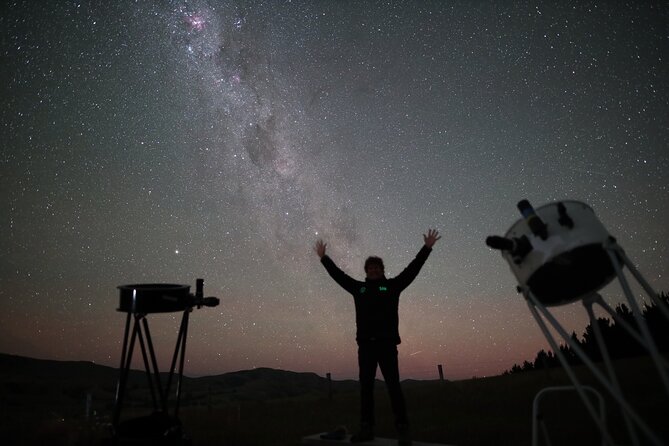
Dark skies, big questions, clear views. In Martinborough’s Wairarapa International Dark Sky Reserve, I love the hands-on telescope time and the non-stop Q&A with astrobiologist Hari and astrophysicist Sam, but you should plan for weather since clouds can shift the night to VR instead of the sky.
Meeting point is in Ponatahi (near Wellington), and once you’re set up with a warm drink and a blanket or jacket, the evening feels calm and focused. You also get plenty of chance to ask questions, which is where this experience really wins.
This is roughly 90 minutes, and you’ll learn how to orient yourself to what’s in the sky, plus what to look for when the ISS or satellites move overhead.
In This Review
- Key Highlights You Should Know
- Why This Stargazing Near Martinborough Feels Different
- The Moon Garden Setup, Blankets, and How the Evening Runs
- Meet Hari and Sam, Astrobiology Meets the Southern Sky
- Telescopes, Binoculars, and What You Might See
- Learning How to Find Things (Not Just Looking at Them)
- When the Sky Is Cloudy: VR Astronomy Keeps the Night Going
- Small Group Size, Plenty of Telescope Time, and Families
- Price and Value: $62.06 for 90 Minutes of Science and Gear
- What to Bring and What to Wear for a Cold Night
- Weather, Refunds, and the Smart Way to Think About Planning
- Should You Book Star Safari in Martinborough?
- FAQ
- How long is the Star Safari Stargazing Experience?
- What happens if it is cloudy and you cannot see stars?
- Who guides the night?
- Where does the tour start?
- What can you see during the stargazing part?
- How many people are in a group?
Key Highlights You Should Know
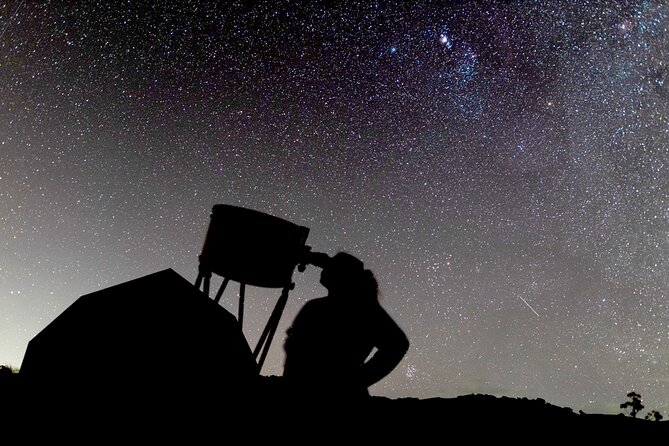
- Dark Sky Reserve credentials: the Wairarapa International Dark Sky Reserve is known for some of the darkest, clearest skies in New Zealand, about 80 km from Wellington Airport
- Two science guides on call: Hari brings astrobiology to the conversation, while Sam handles astrophysics and the night-sky questions
- Real viewing time with serious gear: 3 to 4 telescopes help spread time across a group of up to 10
- Plan B if clouds roll in: VR planetarium software and e-astronomy keep the session going
- What you might spot: the Milky Way, Saturn in impressive detail, star clusters, nebulae, and even the ISS when it passes
- Comfort matters at night: you get a hot drink tradition, plus clear advice to dress like it’s hiking weather
Why This Stargazing Near Martinborough Feels Different
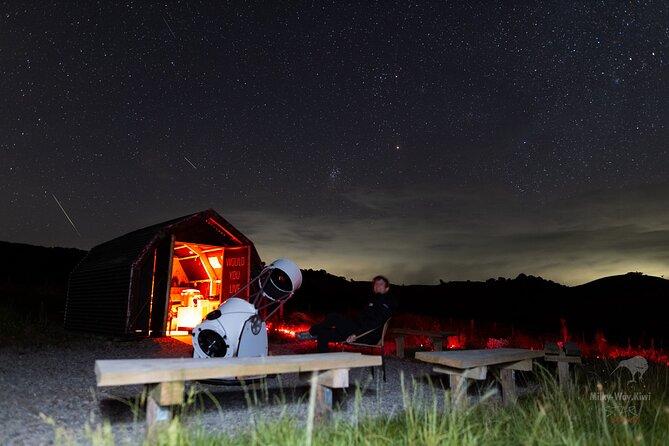
If you’ve ever driven out of a city hoping for a great sky, you know the letdown. Here, the goal is the opposite: to get you into a dark-sky setting and keep you learning even when the sky is stubborn. The Wairarapa International Dark Sky Reserve is the big selling point, because that is where the stars stop looking like background noise and start looking like subjects.
The other thing I really like is the structure of the night. You’re not just pointed at constellations and sent on your way. You get to talk with Hari and Sam constantly while you look through telescopes, and the guides adjust to your level, whether you’re brand new or you’ve got an observing list.
The one drawback to keep in mind is simple: stargazing depends on the sky cooperating. If weather is unsuitable, you will still get the experience, but it will move into virtual reality astronomy rather than telescope viewing.
More stargazing nights near Wellington:
- Private Stargazing at Star Safari near Martinborough
★ 5.0 · 3 reviews - Lake Tekapo: Alpine Stargazing Experience with a Guide
★ 4.5 · 626 reviews - Lake Tekapo: Stargazing Experience
★ 4.9 · 607 reviews
The Moon Garden Setup, Blankets, and How the Evening Runs
You meet at Ponatahi, at the location given on your booking, then you head inside for the pre-show setup. The experience includes grabbing a blanket or jacket through the reception area, which matters because the viewing spot is outdoors and it gets cold fast once the sun is gone.
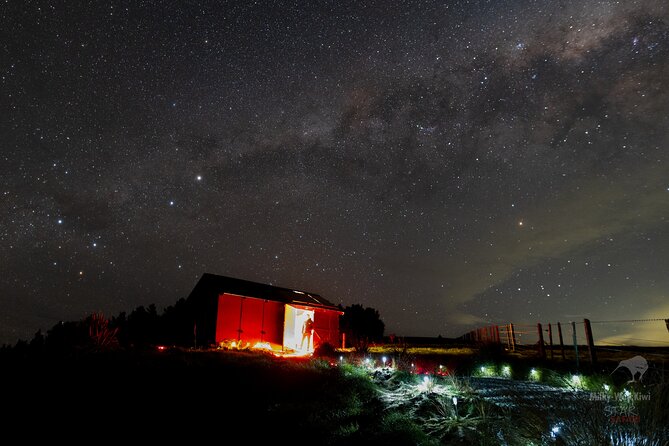
The telescope area is about 25 meters away in something they call the Moon Garden. That short walk is part of the pacing, because it helps everyone slow down, settle in, and switch gears from day mode to night mode.
From there, the core session runs about 60 to 90 minutes of observing when stars are visible. Along the way, Hari and Sam keep the pace interactive with questions and explanations. This is not a lecture where you listen silently. It’s more like you have two science-minded hosts in your corner.
And yes, there is a complimentary hot drink. It sounds like a small detail, but it turns the experience from cold and awkward to cozy and doable, especially if you’re coming straight from Wellington.
Meet Hari and Sam, Astrobiology Meets the Southern Sky
One of the best parts of this setup is the mix of expertise. Hari is the astrobiologist, and Sam is the astrophysicist. You can feel the difference in their focus: astrobiology leans toward life in the universe and Mars-related questions, while astrophysics is about what you’re seeing in space right now, plus how it works.
What I love is that you’re allowed to ask questions throughout. That means if you’re staring at Saturn and wondering why it looks that way, or you want to understand a nebula’s color, you’re not stuck waiting until the end.
This also helps beginners. If you’re nervous about doing astronomy wrong, you’re covered. The guides are set up to show you where to start and how to orient yourself, so you’re not guessing your way through the night. Advanced stargazers are also catered for, with the option to bring an observing list.
One extra detail I appreciate: they are licensed to operate a laser pointer. That’s useful for pointing out features without everyone crowding around a telescope eyepiece, and it helps you connect the explanation to what you’re actually seeing.
Telescopes, Binoculars, and What You Might See
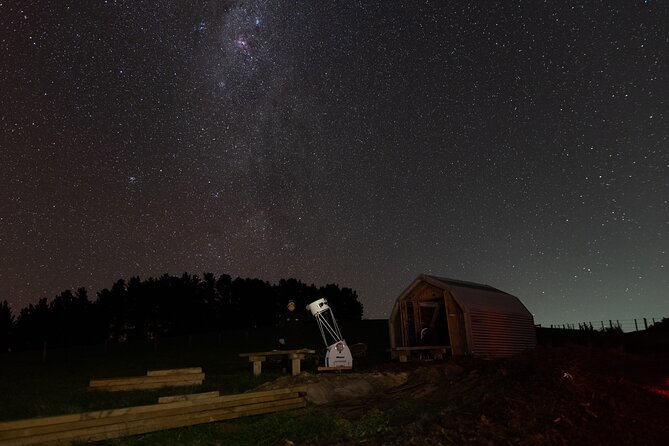
When conditions are right, the viewing portion is built around deep-sky targets in the Southern Hemisphere sky. You get to look through powerful telescopes with top-quality optics, plus you can use astronomy binoculars.
There are typically 3 to 4 telescopes available, and the group cap is 10. That combination helps a lot. It reduces the feeling of standing in line and waiting your turn, and it gives you enough time to actually explore what you’re seeing.
Here’s what the experience aims to show:
- The Milky Way, which can look like a textured ribbon when the sky is genuinely dark
- Saturn, including rings and moons in impressive detail (one of the most praised highlights from the night)
- Star clusters, nebula clouds, and galaxies in the Southern sky
- Colorful stars, including red and blue stars, when the conditions let them show their difference
- Shooting stars, and there’s a chance to see more than one
- The ISS when it passes overhead, plus other satellites when they cross your view
A detail worth noting is that the telescopes described are 16-inch manual setups. Manual doesn’t sound fancy, but in practice it often means more intentional control over the view. It also fits the learning goal, because the guide can teach you how positioning and orientation matter, instead of treating the telescope like a black box.
If you love the hands-on aspect of travel, you’ll like that this isn’t just a performance. It’s a guided observing session where you can learn the sky while you look at it.
A few more Wellington trips worth comparing
- Wellington: Wētā Workshop Guided Tour Ticket
★ 4.7 · 997 reviews - Wētā Workshop Experiences Tour – Wellington
★ 5.0 · 875 reviews - Wellington: Return Cable Car Ticket
★ 4.6 · 714 reviews - Half Day Tour of Wellington
★ 4.5 · 638 reviews
Learning How to Find Things (Not Just Looking at Them)
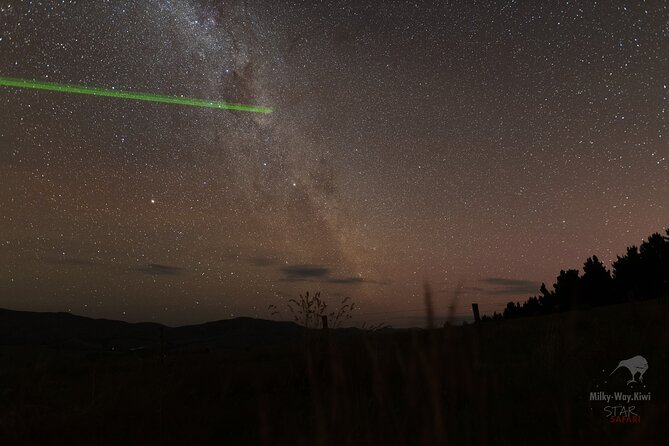
Lots of stargazing tours show you objects. Fewer tours teach you how to understand the sky you’re standing in.
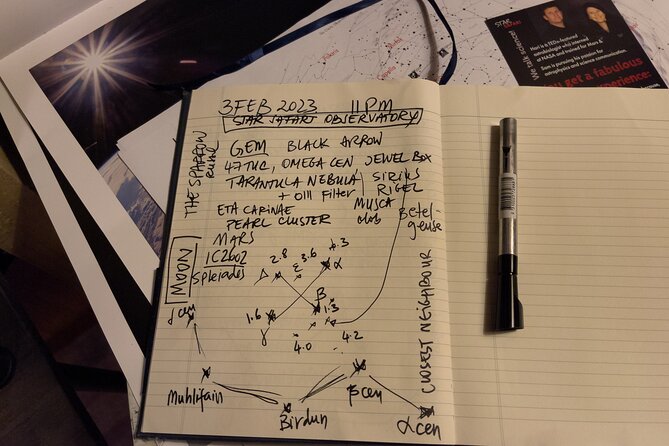
By the end of the session, the goal here is that you know what’s in the sky and how to orient yourself. That can mean simple, practical stuff like where to start and what direction matters when you’re scanning for targets. It can also mean learning how the guides pick an object and bring you to it step by step.
This is especially useful if you want to do your own stargazing later. A night like this is fun, but the real value is that you’re leaving with a method.
If you’re traveling with someone who gets frustrated easily, this part also helps. When you have a plan for how to look, you’re less likely to feel like the night is happening at you.
When the Sky Is Cloudy: VR Astronomy Keeps the Night Going
Weather can change fast, and this is where Star Safari’s plan becomes important. If the night sky isn’t suitable for stargazing, you won’t just get sent away.
Instead, the experience switches to e-astronomy. You’ll tour the universe using state-of-the-art planetarium software, and you’ll explore the Solar System in virtual reality. The VR piece is part of how the experience keeps its learning promise when clouds block the real sky.
They also include a collection of astrobiology-relevant rocks from across New Zealand, connected to the search for life on Mars. That’s a thoughtful angle, because it connects what you’re learning to why astrobiology matters, not just what looks cool in a telescope.
One review noted that VR can cause mild 3D sickness for some people. That’s not universal, but if you know you’re prone to motion or 3D discomfort, it’s worth paying attention and using any comfort options the guide suggests.
Still, the cloudy-night versions of this tour have been described as fantastic, with the guides keeping the explanation clear and fun. You still get a structured, guided experience, not a stalled one.
Small Group Size, Plenty of Telescope Time, and Families
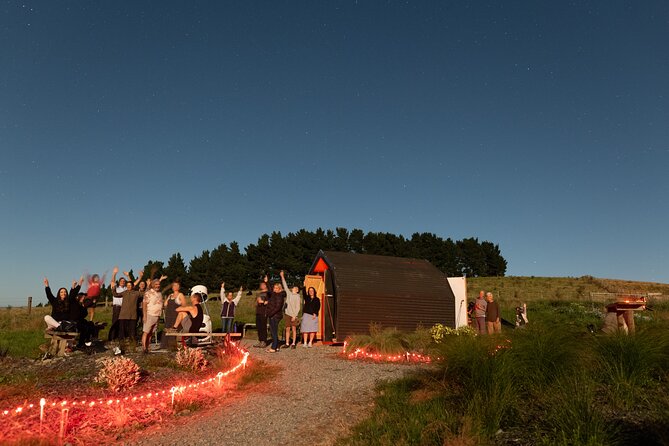
The maximum group size is 10 travelers, with up to 10 people groups. With 3 to 4 telescopes, that’s a real advantage. It supports a key promise: you should get enough telescope time to feel like you had a session, not just a taste.
It also means the Q&A stays friendly. When a small group is paying attention, it’s easier for the guides to answer follow-up questions instead of moving on too quickly.
Families can do well here. One family experience highlighted that kids were free for the younger two, and the whole group got time with the telescopes and guidance. The atmosphere described in the reviews also sounds relaxed, which helps when you have different ages in the group.
For families, the warm drinks and getting prepared with layers makes a huge difference. A 90-minute night outdoors with cold air can feel long if you’re underdressed.
Price and Value: $62.06 for 90 Minutes of Science and Gear
At $62.06 per person for about 90 minutes, this is not a cheap night out in the abstract. But when you break down what’s included, the value makes more sense.
You’re paying for:
- A guided session with both an astrobiologist and an astrophysicist
- Multiple telescopes, plus optics designed for actual observing
- Binoculars for additional viewing
- Non-stop Q&A and guided learning so you’re not lost
- A backup VR program so weather doesn’t completely ruin the plan
- A complimentary hot drink tradition
What makes it feel fair is the combination of expert time and equipment, plus the learning focus. You’re not just watching a screen, and you’re not just staring at the sky without context.
If you’re the type who wants one or two memorable activities near Wellington that feel genuinely different, this can fit the bill well.
What to Bring and What to Wear for a Cold Night
This tour is clear about one thing: dress warm, as if you’re hiking. The telescopes are outdoors, and Ponatahi nights can feel chilly even if Wellington day weather is comfortable.
Practical checklist:
- Wear warm layers you can move in
- Bring a jacket you feel confident will hold up in night air
- Use warm socks or shoes you’d wear for a short hike
- Consider a hat or gloves if you run cold
If you have 3D motion sensitivity, be ready for the possibility of VR if it’s cloudy. That’s a personal factor, not a tour issue, but it can shape your comfort.
Weather, Refunds, and the Smart Way to Think About Planning
Good weather is required for stargazing. If the session is canceled due to poor weather, you are offered another date or a full refund. That’s the practical part.
My advice is to treat this as an evening with a weather-dependent outcome, but not a gamble. Even when clouds move in, the experience has a built-in alternative that still teaches you something.
So if you’re booking only one sky night during your Wellington region stay, it’s still a solid pick, just don’t pick it as your only plan on your absolute last hours.
Should You Book Star Safari in Martinborough?
Book this if you want a guided astronomy night that feels like real learning, not just a quick look through a telescope. I think it’s a great match for both beginners and people who are more serious about what they want to see, because Hari and Sam adjust their approach and you can ask questions the whole time.
Skip or think carefully if you know you get uncomfortable with VR or 3D effects, since cloudy nights shift the session into virtual reality planetarium software. Also, if you hate being cold outside, you’ll want to take the warm clothing advice seriously.
If you’re staying in the Wellington area and you want one high-impact, Southern Hemisphere sky experience, Star Safari is one of the more thoughtful ways to do it, especially because it pairs dark-sky viewing with a smart backup plan.
FAQ
How long is the Star Safari Stargazing Experience?
It runs about 1 hour 30 minutes. When stargazing conditions are good, the viewing time is about 60 to 90 minutes.
What happens if it is cloudy and you cannot see stars?
If weather is unsuitable for stargazing, the experience switches to e-astronomy using planetarium software and virtual reality for a Solar System tour.
Who guides the night?
Hari is the astrobiologist and Sam is the astrophysicist. Both take questions during the experience.
Where does the tour start?
The meeting point is in Ponatahi, at the location VG48+C6 Ponatahi, Wellington Region, New Zealand. The experience ends back at the meeting point.
What can you see during the stargazing part?
You may see deep-sky objects in the Southern sky, plus the Milky Way. The experience also aims for Saturn, shooting stars, and opportunities to catch the ISS or other satellites overhead when they pass.
How many people are in a group?
The group size is capped at a maximum of 10 travelers. There are typically 3 to 4 telescopes available during the viewing time.
Just added near Wellington
- WLG: Museum of NZ Māori Highlights Tour & General Admission★ 4.7 · 30 reviews
- Wellington Zoo General Entry Tickets★ 3.9 · 7 reviews
- Wellington: Wētā Workshop Creative Classes Experience Ticket★ 4.7 · 5 reviews
- Wellington Helicopters Scenic Harbour Flight★ 4.4 · 19 reviews
- Wellington: Wētā Workshop Guided Transfers & Tour★ 4.6 · 95 reviews
- Wellington: Museum of NZ General Admission★ 4.7 · 156 reviews
- Wellington: Remutaka Rail Trail Cycle Tour★ 4.9 · 17 reviews
- Wellington: Private custom tour with a local guide★ 4.6 · 3 reviews
Safari, compared.
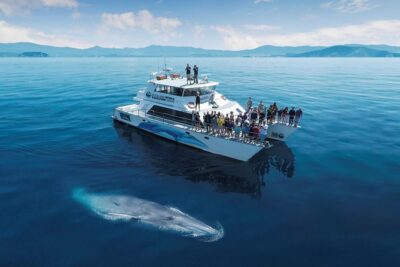
Auckland Dolphin and Whale Watching Eco-Safari Cruise
Read our review →
Seal Coast Safari – Exclusive access to Wellington’s secret coast
Read our review →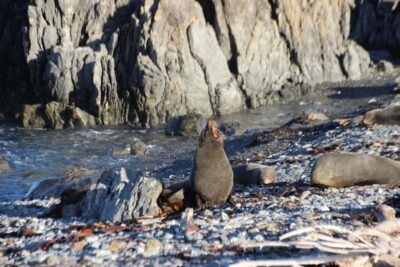
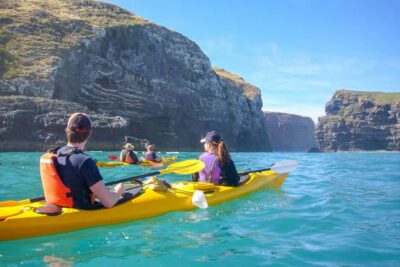

Kaikoura Whale Watching – 45 Minute Ocean Safari
Read our review →Browse the lists this tour appears in