
REVIEW · SAFARI
Wellington: Half Day Seal Coast Safari
Seals, skybridge trees, and sea views in one morning. This half-day Wellington safari uses private farmland access to reach Tongue Point, where New Zealand fur seals live right along the coast. You start in central Wellington, then ride south in a 4WD Mercedes van down to sea level for a close, safe look at these easygoing locals.
I love the mix of nature types. First you get Otari-Wilton’s Bush, a native-plant botanical garden where a skybridge walk turns bird calls and forest details into something you can actually spot in the wild. Second, I like that the vehicle gets you onto working land and rougher routes, so the views feel remote and real, not just scenic from a bus window.
One consideration: this safari runs in all weather and includes a rocky, sandy coastal track. That means you should pack warm layers and comfortable shoes, and be prepared for some bumpy riding. It also is not suitable for wheelchair users.
In This Review
- Key highlights at a glance
- Why this Wellington seal safari feels more special than a drive-by
- Central pickup and 4WD Mercedes comfort (plus the reality check)
- Otari-Wilton’s Bush: native plants, skybridge views, and real birding clues
- Terawhiti Station and the story of farmland, kiwi, and power in windy Welly
- The leaning lighthouse stop and the approach to Tongue Point
- Tongue Point fur seals: how close you get and why it matters
- What the return drive adds: farmland, fault lines, and the second round of views
- How much time you really spend outside (and what to pack)
- Is this worth $116 per person?
- Who should book this Wellington half-day safari
- Should you book the Wellington Half Day Seal Coast Safari?
- FAQ
- How long is the Wellington Half Day Seal Coast Safari?
- Where does the tour start?
- What is included in the price?
- How big is the group?
- Do I need a car to do this tour?
- Is there much walking?
- What kind of wildlife will I see?
- What should I bring?
- Does the safari run in bad weather?
- Is the tour wheelchair accessible?
- Is free cancellation available?
Key highlights at a glance
- Otari-Wilton’s Bush skybridge for native-forest views and hands-on bird spotting
- Private access via Terawhiti Station, one of the oldest and largest stations in New Zealand
- Big Wellington-area viewpoints, from Cook Strait and Kaikoura Ranges to a leaning lighthouse
- Tongue Point fur seal colony, with guided talk on ecology and conservation
- Small group size (10 max) for calmer questions and photo moments
- Light refreshments to keep you comfortable during breaks and weather changes
Why this Wellington seal safari feels more special than a drive-by
This is the kind of half-day outing that makes Wellington look bigger than you thought. You begin in the city, then quickly trade streets for farmland, wind turbines, ridgelines, and finally the coast. The best part is that the tour is not just about seeing seals, it is about how you get there, and what you learn along the way.
The 210-minute timing also matters. At this length, you get a real itinerary, but you still have enough energy left to enjoy Wellington afterward. And since the group is limited to 10, the guide can slow down when people want photos or want to ask why a bird or plant is so hard to find in the Wellington region.
A few more Wellington trips worth comparing
- Wellington: Wētā Workshop Guided Tour Ticket
★ 4.7 · 997 reviews - Wētā Workshop Experiences Tour – Wellington
★ 5.0 · 875 reviews - Wellington: Return Cable Car Ticket
★ 4.6 · 714 reviews
Central pickup and 4WD Mercedes comfort (plus the reality check)
Your day starts with pickup from central Wellington locations or the cruise terminal. If you are staying close to Te Papa, you can meet near the main entrance, and if you are closer to the hotels on Wakefield, Manners Street, Cuba Street, or Courtenay Place, there are listed pickup points around those areas.
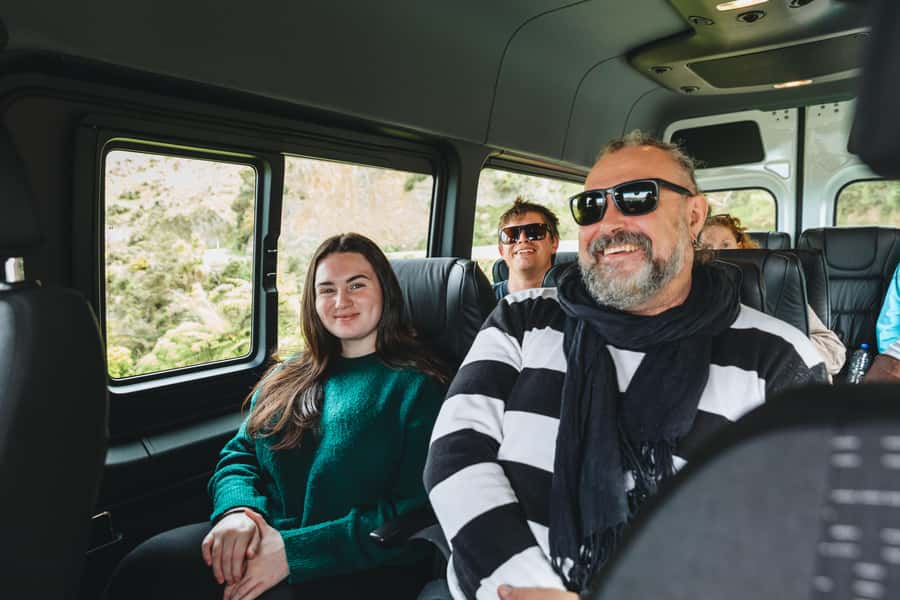
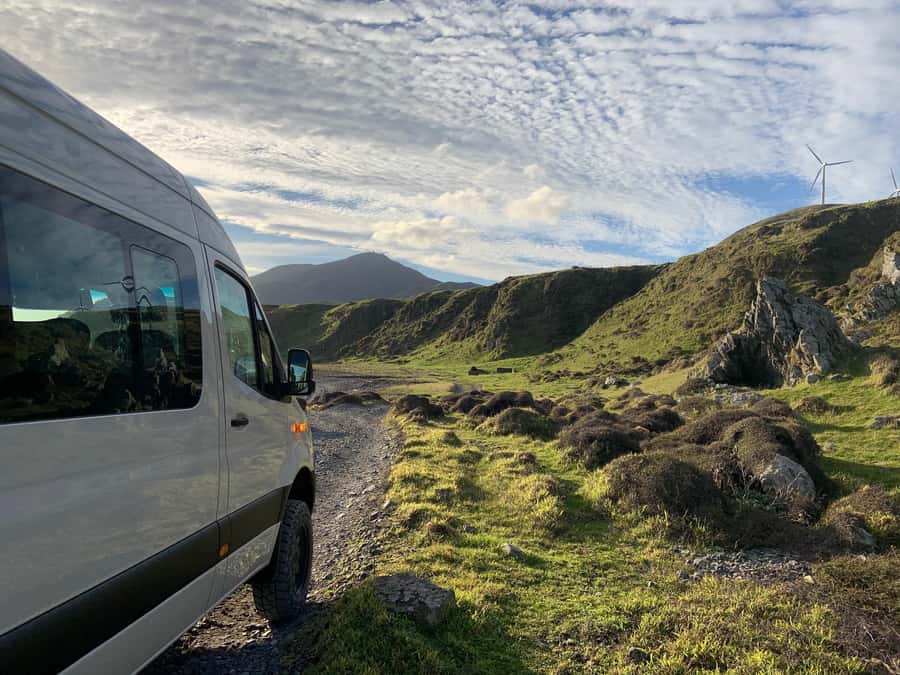
From there, the tour runs in an exclusive 4WD Mercedes van. That combination is practical. You are going to windy roads and farm access tracks where a standard car may feel out of its element. In the reviews, people repeatedly mention feeling safe with the driving, and they also note the ride can feel bumpy on rough sections. If you get motion sick easily, bring the right mindset and maybe something for your stomach.
The walking is described as minimal, but it is not zero. You will do short stretches, including a coastal track that can be sandy and uneven. So wear shoes that can handle dirt and grit, not just city sneakers.
Otari-Wilton’s Bush: native plants, skybridge views, and real birding clues
Otari-Wilton’s Bush is a standout start to any Wellington nature day. It is a 100-hectare native forest and New Zealand’s only botanical garden devoted solely to native plants. Even if you have seen plenty of parks in your travels, this one has a different feel because you are learning the local plant story, not just walking for views.
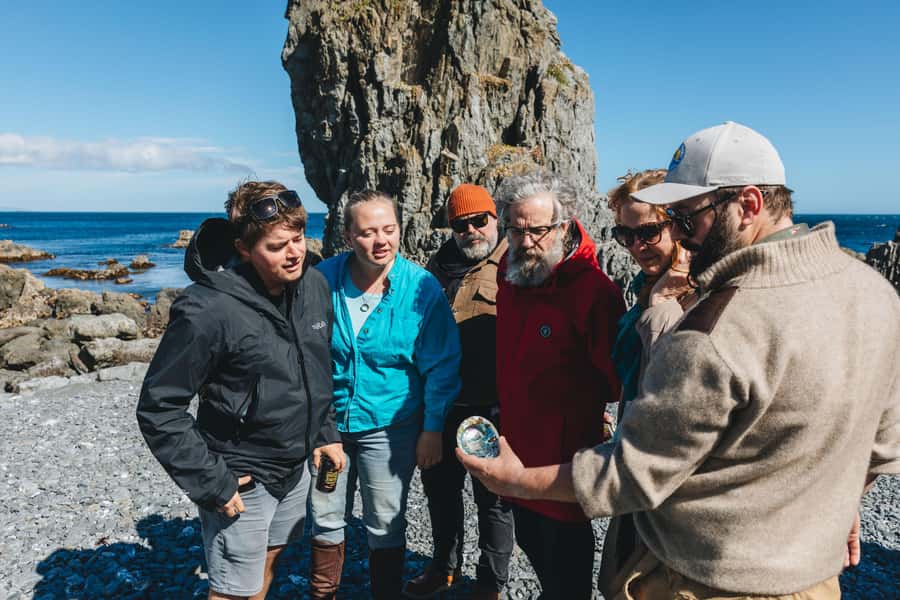
You cross a skybridge inside the forest. From up there, you get a layered view of the canopy, which is useful because many of the birds you want to spot live in that mid to upper level of the trees. Your guide connects the landscape you are seeing with why it is shaped the way it is.
This stop also includes a bird-spotting component. You may see native birds like tui, kaka, kakariki, and kereru. And if you are lucky, you might even spot karearea. The guide also talks about how these birds were extinct or endangered in the Wellington region just decades ago, so seeing them again feels meaningful rather than random.
Practical tip: if you are bringing a camera, this is a good time to get your lens ready. People often spend more time photographing birds and forest textures here than they expect, because the guide keeps pointing out where to look.
Terawhiti Station and the story of farmland, kiwi, and power in windy Welly
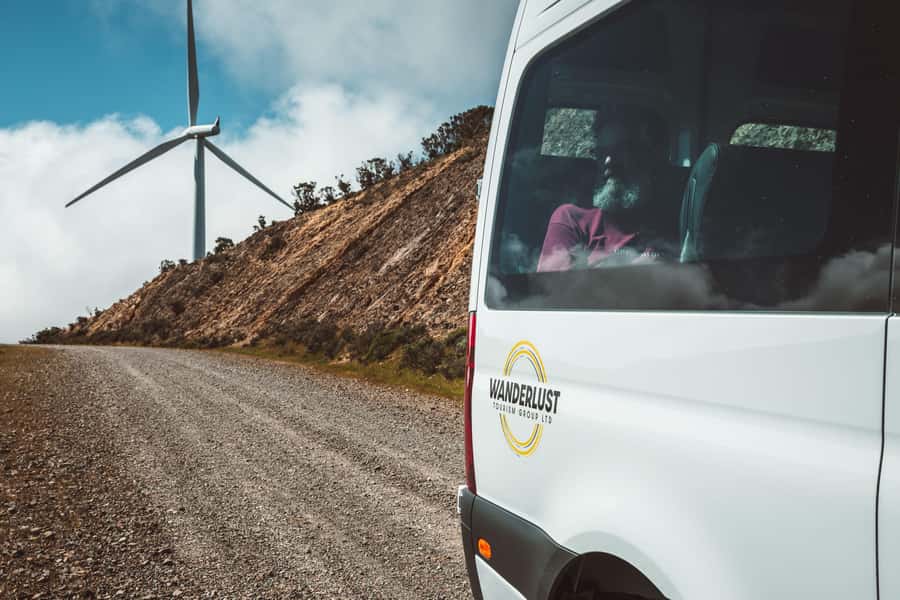
After Otari, you head toward the south coast using private access through Terawhiti Station. This is one of New Zealand’s oldest and largest stations, which gives the drive a sense of working history, not just a scenic bypass.
On the way, you might see sheep, cows, and goats. That is more than a cute photo moment. It helps you understand what the land is doing day to day, and it sets up why the coast access matters. You are not just passing through wilderness. You are traveling through active farmland that helps keep the region functioning.
The tour also includes a major viewpoint moment. When you reach the top, you get wide views across Cook Strait, the Kaikoura Ranges, and the South Island. This is where Wellington’s weather and geography really show off. Even on cloudy days, the ridges and sea lines still make the day feel dramatic.
Along that ridgeline route, you may hear about the Capital Kiwi project. It has reintroduced wild kiwi about a full 100 years after they were last seen and heard in the hills. That is the kind of conservation thread you will notice repeatedly throughout the tour: the guide explains the past, then points to what is improving now.
Then there is Project West Wind. The ridgeline road you travel was created for this wind farm, which generates enough electricity to power all the houses in the Wellington region. The phrase Windy Welly is not just branding. It is a reminder that this part of the country harvests wind for real energy, and the tour ties that into the history of keeping farming going in harsh conditions.
Same island, a completely different day:
- Half Day Tour of Wellington
★ 4.5 · 638 reviews - Wellington: Guided City Tour with Cable Car Ticket
★ 4.8 · 553 reviews - Wellington’s Original LOTR Experience – includes Weta and Lunch
★ 5.0 · 529 reviews - Kapiti Island Classic Guided Day Tour
★ 5.0 · 522 reviews
The leaning lighthouse stop and the approach to Tongue Point
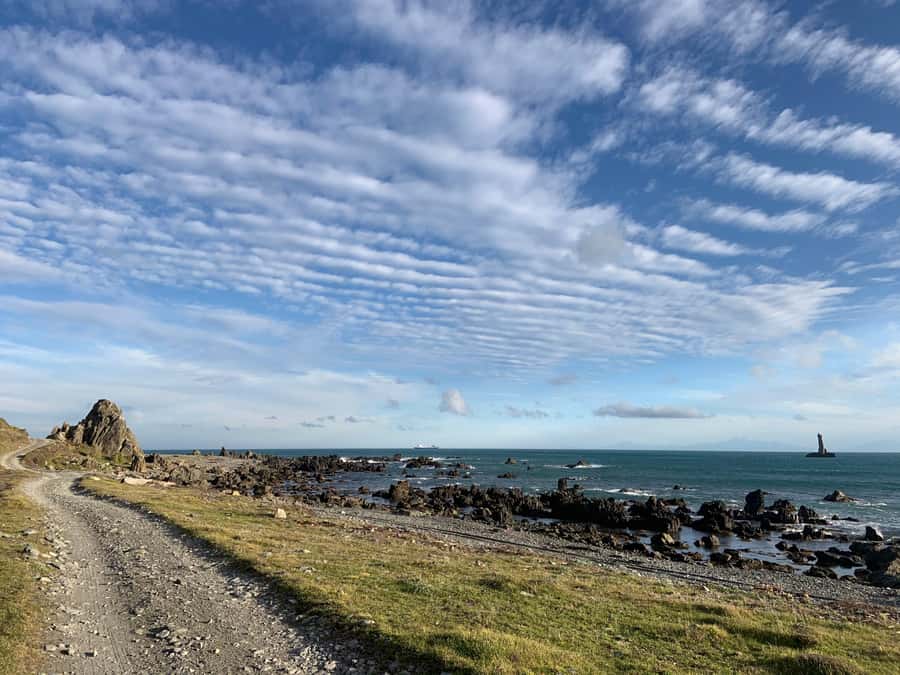
As you start the descent toward sea level, one landmark appears in the distance: the Karori rock lighthouse, more commonly called the leaning lighthouse. You do not have to be an architecture fan to enjoy this moment. It is visually distinctive, and it acts like a signpost for what is about to change.
You are moving from ridgeline views into the coastal world. The air often feels different, and you begin to hear the rhythm of the coast. Then you reach the start of the rocky and sandy track that leads to Tongue Point.
This approach is part of the value. You could technically drive to the coast on your own, but the safe, guided path, the context from the guide, and the access via private farmland make it feel like a real safari, not a drive-by stop.
Tongue Point fur seals: how close you get and why it matters
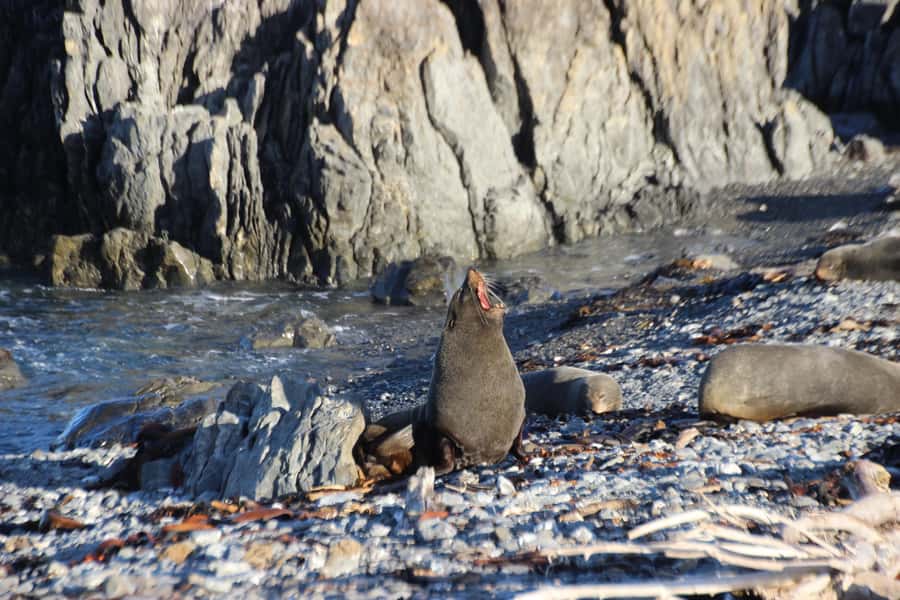
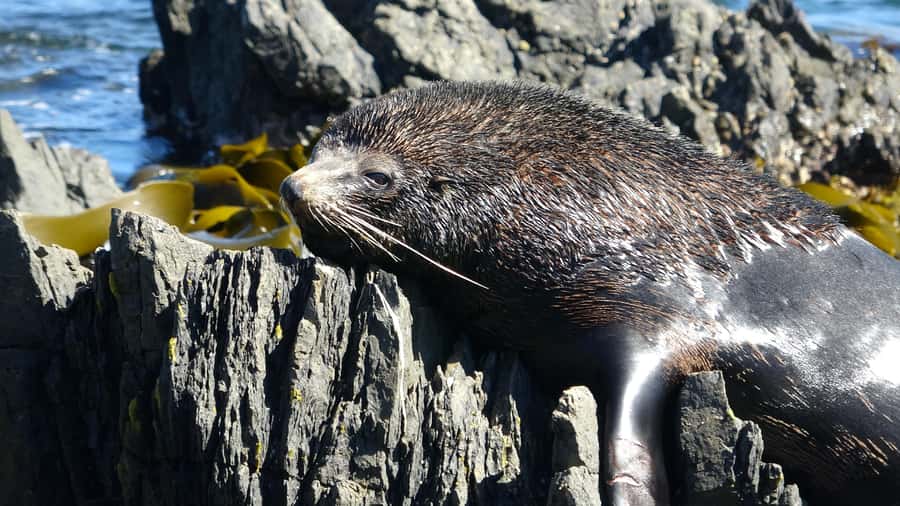
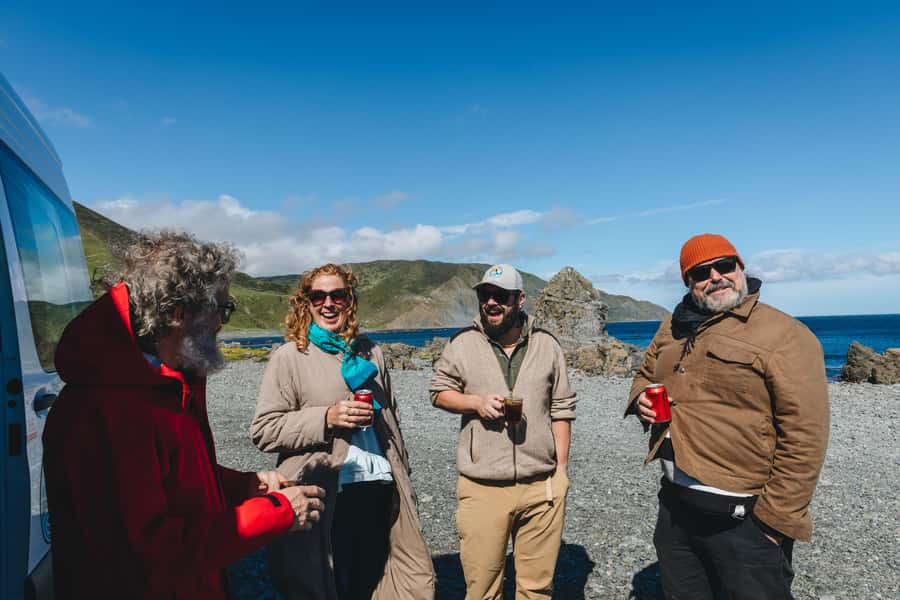
The main event arrives at Tongue Point. Here you see a colony of New Zealand fur seals. The guide brings the session to life by explaining their ecology and the conservation work that has helped their numbers flourish again.
You can wander the beach to observe them as they sunbathe, play, and swim. The key word is safe distance. You stay far enough for the seals to feel comfortable and for your group to avoid crowding. The guide makes sure the experience is good for wildlife and good for you.
In the reviews, people call out how many seals they saw and how well the guide managed photo moments. Some mention getting clear views from roughly 10 to 15 meters, which is the sweet spot for a decent photo without pushing too close. If you are hoping for that kind of shot, listen to your guide’s positioning cues and wait for the seals to turn.
Light refreshments are included around this time, which is a smart move. Even when the weather is mild, the coast has a chill edge. You will want something warm and something small to eat while you take photos and watch the colony settle into its routine.
Also, you get ferry-crossing views from the area. That adds a little human geography to the wildlife focus, so the beach feels like a working part of New Zealand’s world, not a far-off wildlife set.
What the return drive adds: farmland, fault lines, and the second round of views
The return journey is not just getting back to town. The guide tells more stories on the way over farmland and fault lines. This is where the tour becomes more than wildlife viewing. You start connecting Wellington’s dramatic geography to why the region looks and behaves the way it does.
You will also see the viewpoints again, but from a different angle. That matters because lighting changes quickly near the coast. The first look might be misty and wide, and the second might be clearer, letting you appreciate the distance between ridges, sea channels, and mountain backdrops.
This is a good time to ask the questions you saved during the bus ride. People do not always remember what they want to know until they have time to think, and the guide’s tone is designed for conversation.
How much time you really spend outside (and what to pack)
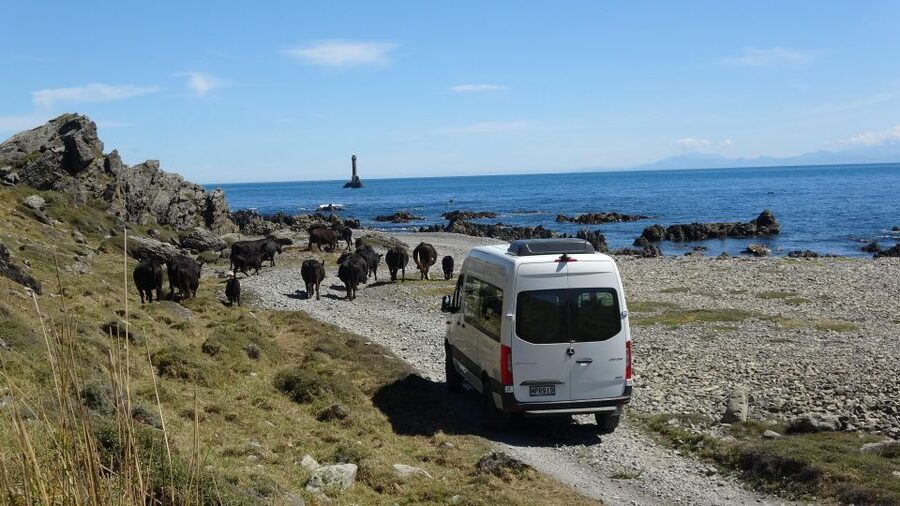
You have about 3.5 hours total, and the tour includes multiple short stops rather than one long hike. Walking is described as minimal, but you will still want to be ready for uneven surfaces.
Bring:
- Comfortable shoes for the forest walk and the sandy, rocky coastal track
- A camera, ideally with a lens you can use at moderate distance
- Sunscreen and sunglasses, since the weather can shift fast and the sun can cut through
- Warm clothing, because the coast can feel colder than you expect
Not allowed:
- Luggage or large bags
If you pack light, you will enjoy the tour more. You will spend time shifting between vehicle and track, and the less stuff you have, the easier it is to move when your guide signals that a seal or bird is in view.
Is this worth $116 per person?
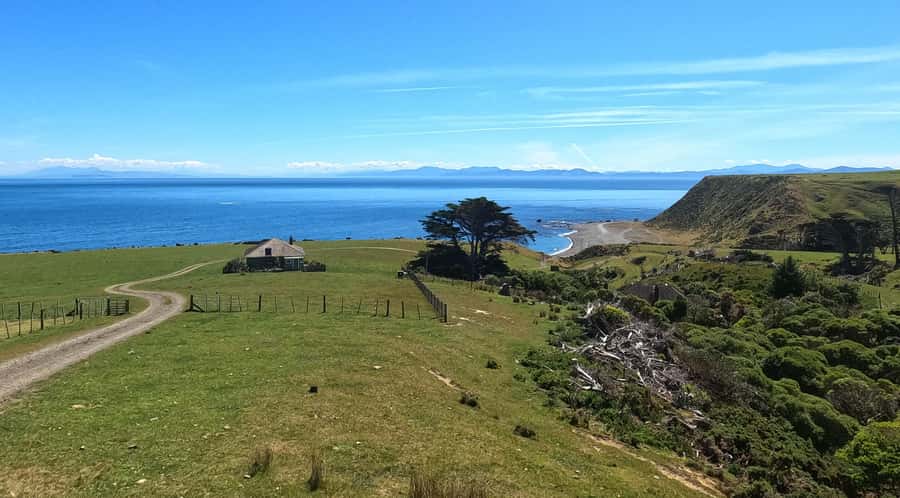
At $116 per person for 210 minutes, this is not a budget activity. But it is also not just a simple sightseeing tour. The price makes sense if you care about three things that are hard to replicate on your own without a car:
1) Private access through working farmland to reach areas most people do not get to see from the main roads.
2) 4WD driving that handles windy routes and rough tracks, so you can actually reach Tongue Point comfortably.
3) Guided wildlife and nature learning, from Otari-Wilton’s Bush bird clues to on-the-ground conservation explanations at the fur seal colony.
Also, the small group size helps. You are not stuck watching from the back of a large crowd. You have room to ask questions and reframe your photos without feeling rushed.
If you are visiting Wellington without a car, this tour is especially good value because it delivers access, transport, and interpretation in one package.
Who should book this Wellington half-day safari
This works best for:
- Nature lovers who want seals plus native birds and plants in one morning
- First-time Wellington visitors who want more than city highlights
- Travelers who do not want a long day, but still want the experience to feel meaningful
- People who like small group touring and a guide who can explain what you are seeing
You might skip it if:
- You rely on wheelchair access, since the tour is not suitable for wheelchair users
- You cannot handle windy, all-weather conditions or a bit of rough-road bumpiness
- You are only interested in seals and want zero walking at all, since you do have a short track component
Should you book the Wellington Half Day Seal Coast Safari?
If you want a half-day that goes beyond Wellington’s streets, I recommend booking. The combination of Otari-Wilton’s Bush and the Tongue Point fur seal colony is exactly the kind of pairing that makes a trip feel specific to New Zealand. Add private farmland access through Terawhiti Station and you get a day that feels both scenic and practical.
Before you book, be honest with yourself about weather and footwear. Bring warm layers, wear comfortable shoes, and plan to enjoy the day even if the sky is not perfect. If that sounds like your style, this is one of the best ways to see Wellington’s coast and seals without needing a car.
FAQ
How long is the Wellington Half Day Seal Coast Safari?
It lasts 210 minutes, about 3.5 hours.
Where does the tour start?
It starts in central Wellington, with pickup from listed city locations or the cruise terminal.
What is included in the price?
The tour includes light refreshments and pickup from central city locations or the cruise terminal, plus a live English-speaking guide.
How big is the group?
The group is small, limited to 10 participants.
Do I need a car to do this tour?
No. Pickup is included from central Wellington locations and from the cruise terminal.
Is there much walking?
Minimal walking is required, but there is a rocky, sandy track to reach the fur seal area.
What kind of wildlife will I see?
The main wildlife focus is New Zealand fur seals at Tongue Point, plus the chance to see native birds in Otari-Wilton’s Bush.
What should I bring?
Bring comfortable shoes, a camera, sunscreen, sunglasses, and warm clothing.
Does the safari run in bad weather?
Yes, it runs in all weather. Weather and other conditions may lead to route changes.
Is the tour wheelchair accessible?
No, it is not suitable for wheelchair users.
Is free cancellation available?
Yes, you can cancel up to 24 hours in advance for a full refund.
Just added near Wellington
- Private Martinborough Wine Tour for Wine Enthusiasts★ 5.0 · 8 reviews
- “Pinot to Palliser tour” – Guided tour to Cape Palliser vith lunch + winetasting★ 5.0 · 11 reviews
- Te Awa Kairangi Grade 2 Scenic Rafting Tour★ 4.8 · 10 reviews
- Te Awa Kairangi Grade 2 Scenic Duckie Tour★ 4.7 · 9 reviews
- Remutaka Rail Trail eBike Shore Excursion for Cruise Ships★ 5.0 · 9 reviews
- Private Lord of the Rings Tour Wellington with Lunch★ 5.0 · 3 reviews
- Chefs Private Martinborough wine tour with Gourmet Lunch★ 5.0 · 3 reviews
- Martinborough Winery and South Wairarapa Wild Coast Tour★ 4.8 · 21 reviews
Safari, compared.
Auckland Dolphin and Whale Watching Eco-Safari Cruise
Read our review →
Seal Coast Safari – Exclusive access to Wellington’s secret coast
Read our review →
Kaikoura Whale Watching – 45 Minute Ocean Safari
Read our review →
Browse the lists this tour appears in