
REVIEW · MUSEUMS
Wellington: Museum of NZ General Admission
Te Papa is where New Zealand shows its best stories. I love the taonga-focused national collection and how much meaning is packed into one waterfront building. The 48-hour admission gives you the breathing room to actually absorb it, not just sprint through.
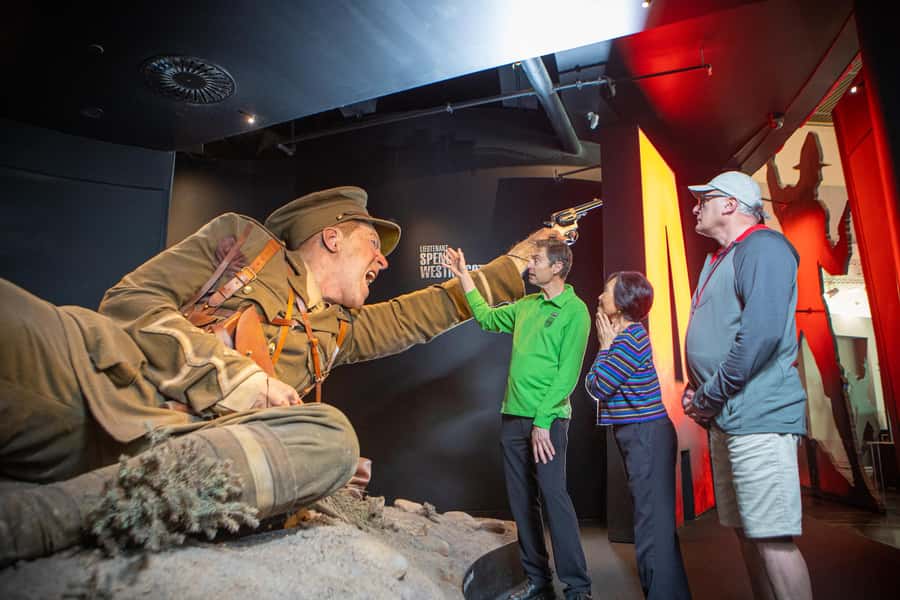
My other favorite part is the museum’s emotional storytelling, especially the Gallipoli display with Wētā crafted elements and lifelike characters. One thing to plan for though, Te Papa can get crowded and noisy, so if you’re sensitive to sound, aim for earlier hours.
Logistics are straightforward. You check in with a Te Papa Host on arrival, then walk past the main international line using the right-hand entrance at the top of the stairs. Have your ticket ready on your phone or printed, because that speeds everything up.
In This Review
- Key points I’d plan around
- Te Papa in 48 Hours: The value of a skip-the-queue ticket
- What makes Te Papa different from other museums
- How the international entry works at Te Papa
- Your two-day game plan, split it or go all in
- Day 1: Culture and the big context first
- Day 1 afternoon: Natural environment and history
- Day 2: Art collection time and the emotional centerpiece
- Māori and Pacific taonga: the reason Te Papa is worth the ticket
- The Gallipoli exhibition: why you should plan time to slow down
- Natural environment and history: the context you will miss if you rush
- National Art Collection: where the museum shifts from facts to feeling
- Crowds and noise: the one drawback worth planning around
- Special exhibitions, what your ticket does and does not include
- Practical tips that make the visit easier
- Who this 48-hour Te Papa ticket fits best
- Should you book this Te Papa general admission?
- FAQ
- How long is the Te Papa general admission ticket valid?
- Who needs to buy an international visitor ticket?
- Where do I check in when I arrive at Te Papa?
- What is included with this ticket?
- Is a guided tour included?
- Is parking included?
Key points I’d plan around
- 48-hour general admission means you can split it into two visits instead of cramming it all in one go
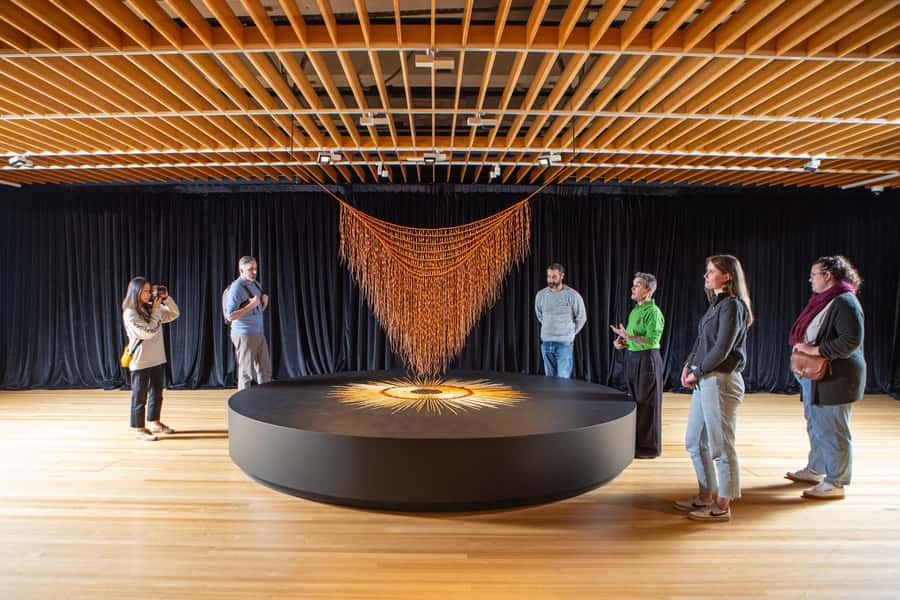
- Māori and Pacific taonga are front and center, so you get culture plus context, not a side exhibit
- Gallipoli is a top draw, and it’s the kind of display that benefits from time to slow down
- Skip the international queue using the right-hand entrance, with host help right at the door
- Family-friendly layout, with enough hands-on energy to keep kids engaged
- Special exhibitions cost extra, so your ticket is best for the main museum floors
Te Papa in 48 Hours: The value of a skip-the-queue ticket
Te Papa Tongarewa is New Zealand’s national museum, and you feel that scale the moment you walk in. The ticket is simple: general admission for 48 hours, so you can pace yourself and return for a second pass if you missed something the first time.
The big practical win is the queue skip. You’re not trying to battle peak entry lines as you arrive with jet lag and a map full of questions. Instead, you use the separate international route and get checked by a Te Papa Host. That small change saves time and stress, and time is what you need in a museum this big.
At $20 per person for international visitors, the value comes down to how you use the 48 hours. If you treat it like a quick stop, it will feel steep for what you see. If you treat it like your main Wellington activity and plan for at least half a day, the price starts to make sense fast, because the museum covers culture, nature, history, and art in one place.
A few more Wellington trips worth comparing
- Museum of NZ Te Papa Tongarewa: Gallipoli Exhibition Guided Tour
★ 4.5 · 111 reviews - Museum of New Zealand Te Papa Tongarewa: Introducing Te Papa Tour
★ 4.5 · 105 reviews - Wellington: Museum of NZ Intro Tour & General Admission
★ 4.8 · 66 reviews
What makes Te Papa different from other museums
Plenty of museums are big. Te Papa is big in a very specific way, it’s a national museum built around New Zealand’s own voice. You see Māori and Pacific cultural treasures, and you also move through the natural environment and history of Aotearoa New Zealand. Then, it shifts again into the National Art Collection, all inside the same building.
That one-building setup matters. When you visit, you’re not constantly deciding whether your time is better spent on culture or nature or art. You can follow your curiosity. Want to start with meaningful objects and stories? Great. Want to move into history and national moments? Also great. Want something visually guided and emotional? The museum has that too.
It also feels family-friendly without being childish. Kids can enjoy the energy, while adults get the depth. I like that balance because it makes the visit work for mixed-age groups.
How the international entry works at Te Papa
This is the part that makes your visit easier.
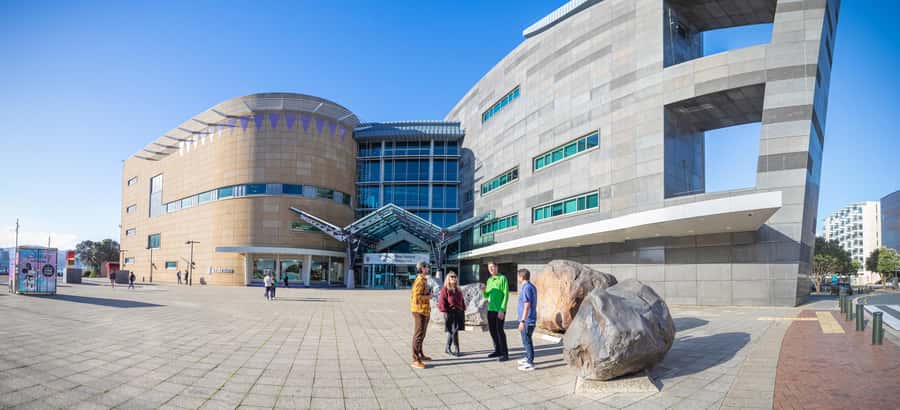
You’ll enter Te Papa, then check in with a Te Papa Host. Don’t join the international ticketing queue. Instead, use the right-hand entrance at the top of the stairs. A host validates your ticket there, and you can walk past the main queue.
On the ticket check flow, have your ticket ready either printed or on your device. Later, on Level 2, you’ll show your ticket to a host near the tickets queue and then walk past it to enjoy the museum.
Ticket rules are also worth knowing so you don’t overpay or get stuck:
- International visitors aged 16 and over need a museum entry ticket.
- International visitors under 16 are free, but they still need a ticket.
- New Zealanders are free and do not need a ticket, including people living in New Zealand and New Zealand citizens or residents living overseas.
Also note: alcohol and drugs are not allowed in the museum.
Your two-day game plan, split it or go all in
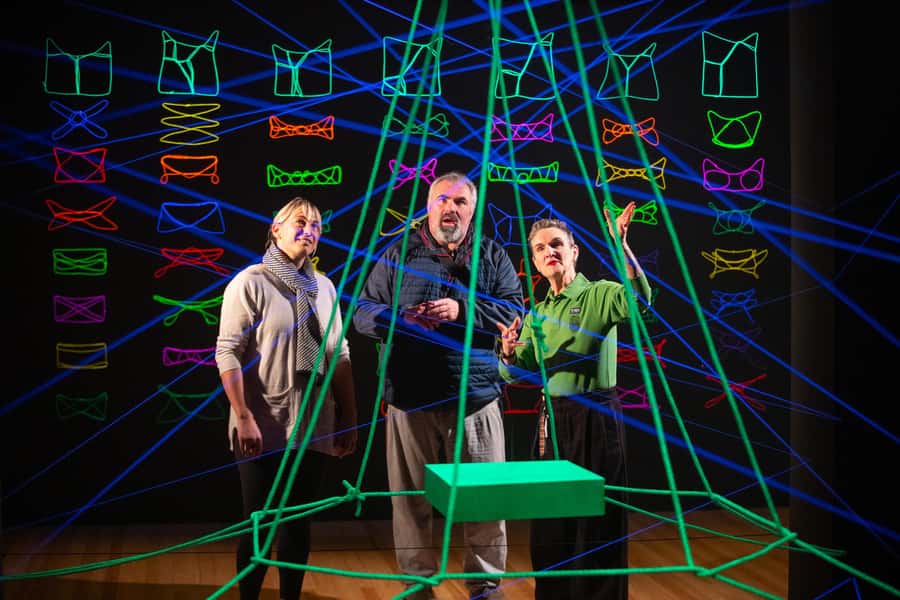
The ticket covers 48 hours, which means you can choose your style.
If you like a full hit, aim for a long first day. Many people find they can spend around 6 hours, but that depends on how much you read and how often you stop. If you prefer less pressure, do a half day on Day 1, then return for another focused pass on Day 2.
Here’s a practical way to structure it without guessing at exact room locations:
Same island, a completely different day:
- Wellington: Wētā Workshop Guided Tour Ticket
★ 4.7 · 997 reviews - Wētā Workshop Experiences Tour – Wellington
★ 5.0 · 875 reviews - Wellington: Return Cable Car Ticket
★ 4.6 · 714 reviews - Half Day Tour of Wellington
★ 4.5 · 638 reviews
Day 1: Culture and the big context first
Start with the sections built around Māori and Pacific taonga. This is where the museum’s identity is clearest. I like doing this early because it gives you a framework for everything else you’ll see later, from history to art choices.
While you’re moving through, keep an eye out for exhibits that use objects and story to connect people with place. This is the kind of museum where one exhibit can change how you interpret the next.
Day 1 afternoon: Natural environment and history
After you’ve got the cultural context, shift into the natural environment and history of Aotearoa New Zealand. The goal is not to memorize dates. The goal is to notice patterns, like how land and sea shape life, and how national stories get told.
This is also a good time to pause in quieter areas if the museum is feeling crowded. Since Te Papa can get busy, pacing becomes part of the experience.
Day 2: Art collection time and the emotional centerpiece
On your second day, aim for the museum’s emotional and memorable exhibits, especially the Gallipoli exhibition. People single this one out for a reason. It’s moving, and it uses lifelike storytelling elements, including Wētā crafted work and details that make the history feel human instead of distant.
If you’re short on time, prioritize Gallipoli and then follow the trail outward. If you have more time, do Gallipoli mid-visit on Day 2, when you can slow down and let it land.
Māori and Pacific taonga: the reason Te Papa is worth the ticket
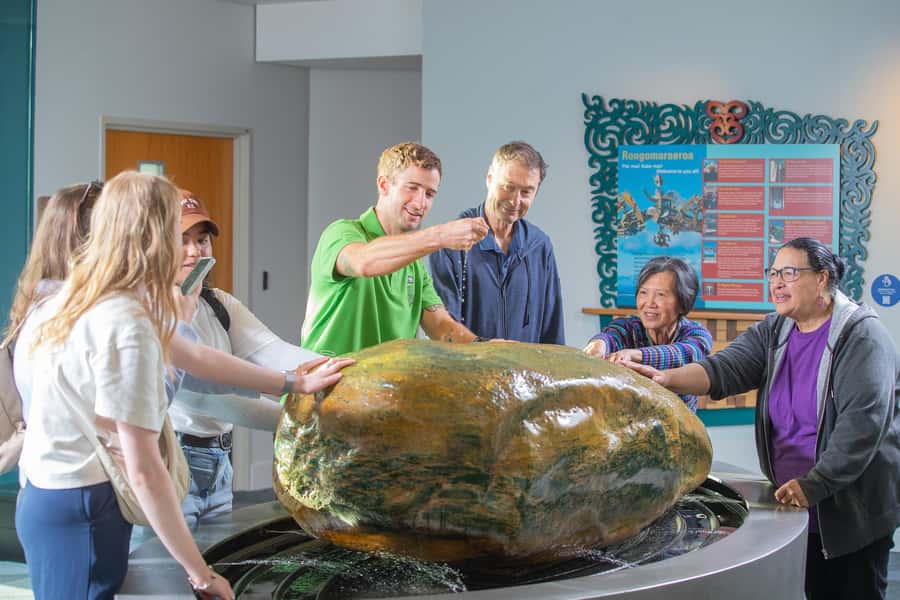
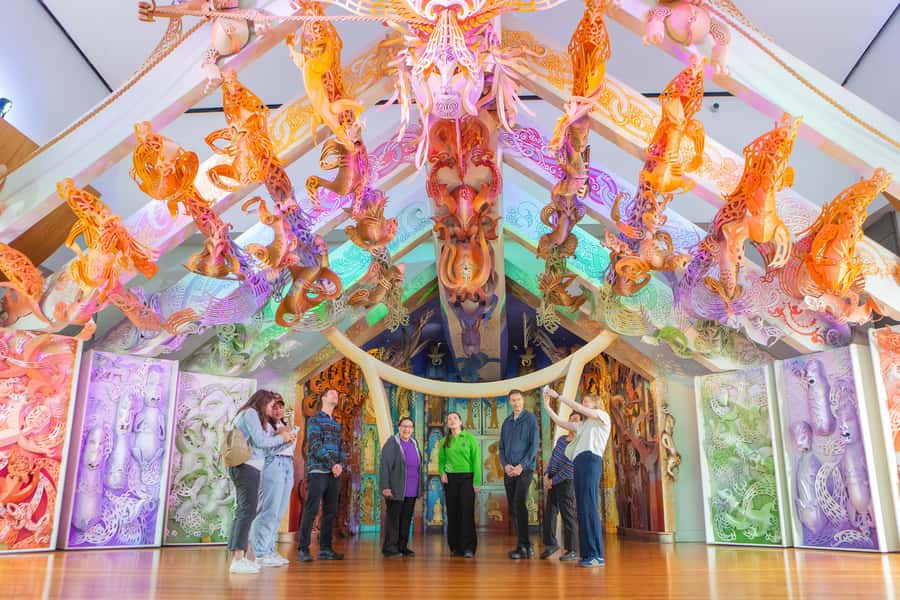
This museum doesn’t treat culture like a separate wing. It puts taonga at the heart of the experience, and it’s the kind of approach that helps you understand the country as more than scenery.
When I visit, I look for two things:
- How the objects are presented, meaning what they are and why they matter.
- How the museum connects culture to identity, land, and community.
That matters because taonga are not just artifacts. They are treasures with meaning that extends beyond the display case. Even if you’re not an expert, the museum’s tone makes it easier to respect what you’re seeing.
And since Te Papa is national, you’re not only getting isolated highlights. You’re getting a broader sense of what New Zealand holds onto and why.
The Gallipoli exhibition: why you should plan time to slow down
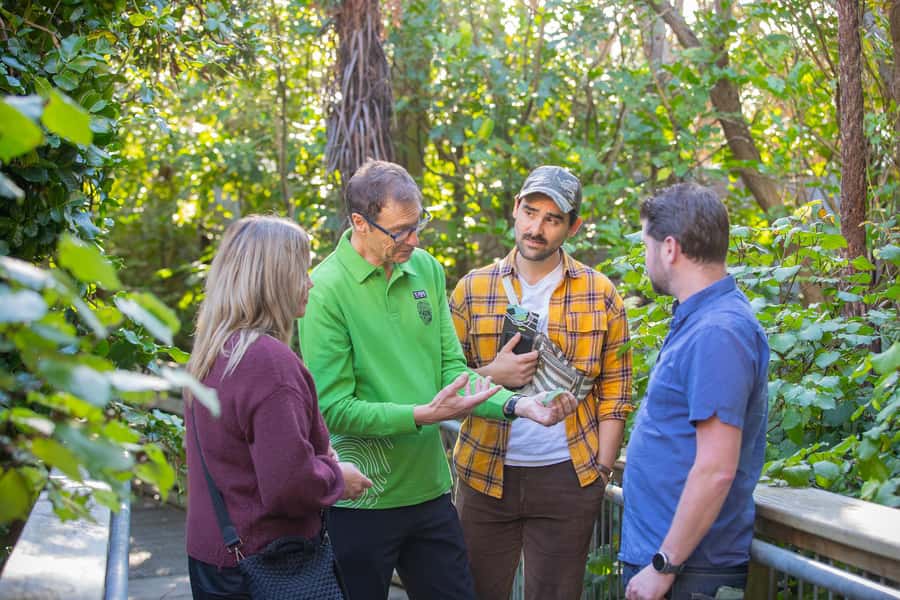
If you’re coming to Wellington and you want one exhibit that tends to stick with people, it’s the Gallipoli exhibition.
The display stands out for its storytelling methods, including Wētā crafted elements and lifelike presentation. You can feel how much effort went into making the history understandable without flattening it. That’s why it comes up again and again as the best part of the museum experience.
Practical advice: don’t treat Gallipoli like a quick stop you check off. Give it time. If Te Papa is crowded and noisy, consider coming back to it on your second day, when you may find different energy in the building.
Natural environment and history: the context you will miss if you rush
Te Papa’s strength is that it connects the country’s story across disciplines. The natural environment and history sections help you see Aotearoa New Zealand as a place shaped by living systems and human choices.
You’ll get more out of these areas if you allow some flexibility. If you go in with a rigid plan, you may feel like you’re skipping through. Instead, I recommend letting your attention pick where to stop. When something catches your interest, linger. When you hit a section that feels like it’s asking for deeper reading, plan for a pause rather than pushing through.
This is also a good spot to remember that general admission includes the main museum. It may not include every special display that rotates in and out.
National Art Collection: where the museum shifts from facts to feeling

Te Papa includes the National Art Collection right in the same building. That placement makes a difference. You’re not leaving the museum to hunt for art somewhere else. Instead, you move from cultural treasures and national stories into an art experience that can feel more personal and emotional.
Art works differently than objects or history timelines, so you’ll likely want to adjust your pace. In the art areas, I tend to look longer, then read less. That mix helps the whole visit feel balanced, especially if you came to understand New Zealand from multiple angles.
Crowds and noise: the one drawback worth planning around
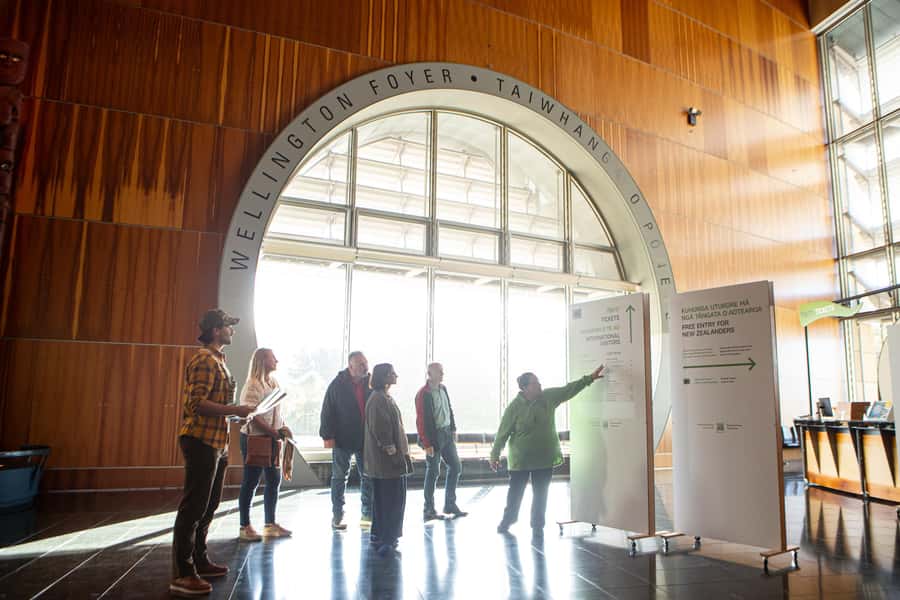
One of the only negatives that shows up is simple: Te Papa can be super crowded and noisy. That can make reading slower, and it can be harder to focus on smaller details.
You can’t control crowds, but you can control your timing and expectations:
- If you want a quieter experience, go earlier or plan the calmer parts for your second visit.
- If you’re sensitive to noise, give yourself more breaks and don’t try to cover everything in one day.
- If you’re with kids, crowd levels may mean your visit will be more about momentum than deep reading.
The good news is the museum’s size also helps. Even when it’s busy, you can usually find spaces to breathe if you’re willing to wander.
Special exhibitions, what your ticket does and does not include
Your general admission ticket covers entry to Te Papa for 48 hours. It does not include entry to special or short term exhibitions.
So think of your ticket as the foundation for the main museum floors and core experiences. If you love themed temporary exhibitions, you might want to check what’s on when you arrive, and budget separately for any special ticketed items.
Parking is also not included, so plan your arrival logistics based on how you’re getting to the waterfront.
Practical tips that make the visit easier
Here are the details that save time and reduce stress.
- Bring your ticket ready on your device or printed. You’ll show it during host validation and again on Level 2 near the host area.
- Use the correct entrance. Skip the international ticketing queue. Enter through the right-hand route at the top of the stairs.
- Plan for at least half a day. If you only have a couple of hours, you can still enjoy it, but you will feel the squeeze. People often end up wanting more time.
- Expect a big museum. It’s easy to get caught in a stop, read, and look loop. That is the whole point, but it eats time.
- Avoid the alcohol and drug issue. It’s not allowed, so keep it simple.
- If you use mobility supports: Te Papa is accessible, and wheelchairs and a mobility scooter are available for free. Assisted dogs are welcome too.
Who this 48-hour Te Papa ticket fits best
This ticket works best if you want freedom and depth, not a scripted guided route.
It’s a great fit for:
- Couples or solo travelers who want to explore at their own speed
- Families, since the museum is family friendly and spread in a way that keeps kids interested
- History and culture lovers who want national context in one stop
- Anyone who wants to see the Gallipoli exhibition without booking a separate structured tour
It might be less ideal if:
- You have only a brief layover and can’t spare time. In that case, you may need to narrow your focus hard.
- You hate crowds and noise. If that’s you, plan your timing carefully or split the visit into two shorter sessions.
Should you book this Te Papa general admission?
Yes, if Te Papa is on your Wellington short list and you’re okay treating it as your main attraction. The skip-the-queue entry and 48-hour access are a strong combo for squeezing value out of a big museum. If your priority is the Gallipoli exhibition and you want time to actually take it in, this ticket is a practical choice.
If you only have a tight window, consider whether you can commit to at least a half day. Te Papa rewards time, and the ticket is priced like you’ll use that time.
FAQ
How long is the Te Papa general admission ticket valid?
Your admission is valid for 48 hours.
Who needs to buy an international visitor ticket?
International visitors aged 16 and over need a museum entry ticket. International visitors under 16 are free, but they still need a ticket.
Where do I check in when I arrive at Te Papa?
On entry to Te Papa, check in with a Te Papa Host who will direct you where to go. Use the right-hand entrance at the top of the stairs for international ticket validation, and do not enter the international ticketing queue.
What is included with this ticket?
This ticket includes 48-hour admission to The Museum of New Zealand Te Papa Tongarewa.
Is a guided tour included?
No. This general admission ticket does not include a guide or a guided tour.
Is parking included?
No. Parking is not included.
Just added near Wellington
- WLG: Museum of NZ Māori Highlights Tour & General Admission★ 4.7 · 30 reviews
- Wellington Zoo General Entry Tickets★ 3.9 · 7 reviews
- Wellington: Wētā Workshop Creative Classes Experience Ticket★ 4.7 · 5 reviews
- Wellington Helicopters Scenic Harbour Flight★ 4.4 · 19 reviews
- Wellington: Wētā Workshop Guided Transfers & Tour★ 4.6 · 95 reviews
- Wellington: Remutaka Rail Trail Cycle Tour★ 4.9 · 17 reviews
- Wellington: Private custom tour with a local guide★ 4.6 · 3 reviews
- Wellington: Half-Day Lord of the Rings Locations Tour★ 4.8 · 10 reviews
Museums, compared.

Explore gardens & galleries filled with incredible art, Matakana
Read our review →
Skip the Line: Auckland Museum General Admission Ticket
Read our review →
Museum of NZ Te Papa Tongarewa: Gallipoli Exhibition Guided Tour
Read our review →
Museum of New Zealand Te Papa Tongarewa: Introducing Te Papa Tour
Read our review →
Māori Cultural Experience & Auckland Museum General Admission
Read our review →
Skip the Line:WWI & WWII Combo Exhibitions at the Omaka Aviation Heritage Centre
Read our review →
Browse the lists this tour appears in