
REVIEW · WHALE WATCHING
Auckland Dolphin and Whale Watching Eco-Safari Cruise
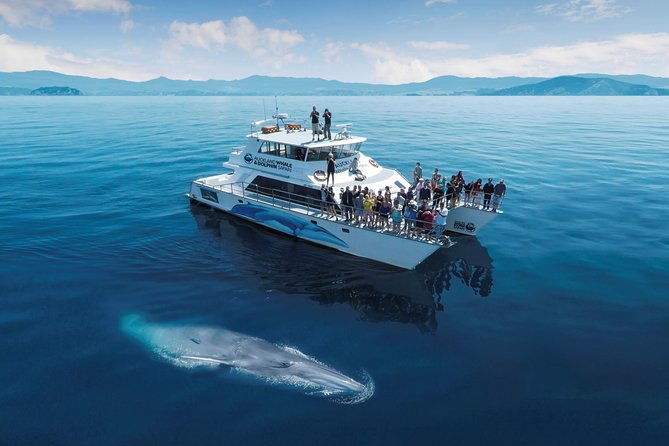
Wildlife spotting happens fast. This 4.5-hour Auckland eco safari pairs a custom catamaran ride with marine research scientists on board, scanning the Hauraki Gulf Marine Park for whales, dolphins, seals, and rare seabirds.
I like the viewing setup on the 65-foot, 20-meter catamaran, built so you can comfortably track wildlife for the full trip. Dolphins and even penguins can be an easy target when you stay on deck and use binoculars, which makes the time feel efficient. The one drawback to know up front is simple: whale and dolphin sightings are not guaranteed on a wild-water outing.
In This Review
- Key things to know before you go
- Meet at Viaduct Harbour, then head straight into Hauraki Gulf
- The custom 65-foot catamaran: comfort for real viewing time
- Who you can see: whales, dolphins, seals, blue penguins, and seabirds
- Stop-by-stop: what each part of the route gives you
- Stop 1: New Zealand Maritime Museum (your launchpad)
- Stop 2: Viaduct Harbour (getting oriented fast)
- Stop 3: Auckland Harbour Bridge views (scenery you can enjoy either way)
- Stop 4: Rangitoto Island (a good visual marker)
- Stop 5: Waitemata Harbour (moving into the work zone)
- Stop 6: Hauraki Gulf (the main stage)
- Stop 7: Auckland Whale and Dolphin Safari (the core viewing window)
- Stops 8 to 10: Motuihe Island, Motutapu Island, Tiritiri Matangi Island (wildlife and bird energy)
- Stop 11: North Head Historic Reserve (wraparound views before return)
- Marine research commentary that actually helps you spot
- Deck and photo tips: where to stand when dolphins get curious
- Food, weather, and motion: what can make or break your comfort
- Price and value: is $135.91 a smart deal?
- Should you book this Auckland dolphin and whale watching eco cruise?
- FAQ
- How long is the Auckland Dolphin and Whale Watching Eco-Safari Cruise?
- Where do I meet for the cruise?
- Can I guarantee seeing whales or dolphins?
- What happens if I see no marine mammals?
- Are food and drinks included?
- What is the cancellation policy if the weather is bad?
Key things to know before you go
- Marine research commentary: You get facts and context from people who work on marine science, not just generic whale lines.
- A prime cruising zone: The boat spends time in the Hauraki Gulf Marine Park area, known for strong marine-life diversity.
- A photo-friendly boat design: With space on board and an open deck experience, it is easier to react quickly when animals show up.
- A good chance at dolphins, even if whales are elusive: Dolphins are regularly spotted in these waters, while whales can take more patience.
- A conservation-minded ticket: Every ticket supports marine mammal conservation efforts, and you learn what that means in practice.
- If you miss marine mammals completely, you get another chance: If you see no marine mammals, you can go again another day at no extra charge.
Meet at Viaduct Harbour, then head straight into Hauraki Gulf
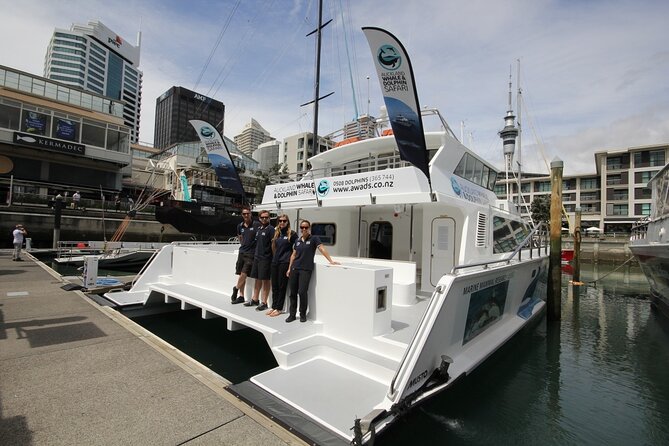
This is a half-day cruise built around one idea: get you out on Auckland’s water fast enough to actually have fun with wildlife spotting. You meet at the New Zealand Maritime Museum area at Viaduct Harbour, right in the middle of downtown. From there, the vibe shifts from city energy to salt air as the catamaran leaves the dock and starts working the nearby marine routes.
A big plus is the timing of the day. The cruise runs about 4.5 hours, so you are not stuck on a long travel day just to chase sightings. You also get those classic Auckland views right away, including the Auckland Harbour Bridge and Rangitoto Island, which helps even on slower wildlife days.
The practical catch: check in closes 15 minutes before departure. If you dawdle, you risk losing your allocated seat. I treat that rule like a hard boundary, because it affects your day more than anything else.
More Boat Tours in Auckland
- Auckland: Whale and Dolphin Watching Half-Day Eco Cruise
★ 4.5 · 1,072 reviews - Auckland Harbour Sailboat Cruise Including Three Course Dinner
★ 4.5 · 476 reviews - America’s Cup 2-Hour Sailing Experience Waitemata Harbour
★ 4.8 · 370 reviews
The custom 65-foot catamaran: comfort for real viewing time
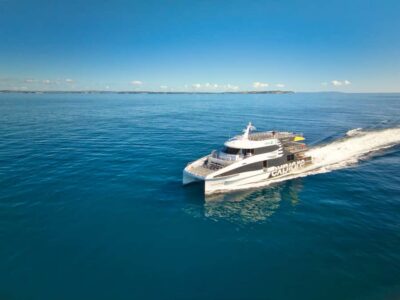
The boat is a custom-built 65-foot, 20-meter catamaran, and that matters because catamarans usually mean less rolling and more room to scan the water. You are also not crammed into a tiny space where everyone stares in one direction. Instead, you can find a workable spot and keep your eyes up for the whole 4.5-hour run.
One thing I love about this kind of setup is how it matches the behavior of marine mammals. Dolphins can pop up and disappear quickly. Birds change position faster than you can react. A boat with stable deck space gives you a chance to actually get the shot, not just watch through glass.
Group size is capped at 99 travelers. That is not empty-sea solitude, but it also is not a mega-fleet. On busy days, I expect it can feel lively when people rush to the best spots at the same time, especially if weather turns. Your best bet is to plan for movement: swap between open deck and sheltered areas so you keep hearing the commentary and keep seeing.
Who you can see: whales, dolphins, seals, blue penguins, and seabirds
Let’s talk targets. The cruise aims for whales, dolphins, seals, and rare seabirds, with expert help to figure out what you are seeing. The waters here are associated with multiple whale types, and the operation is set up to watch for up to six types of whales, along with dolphins and other marine wildlife.
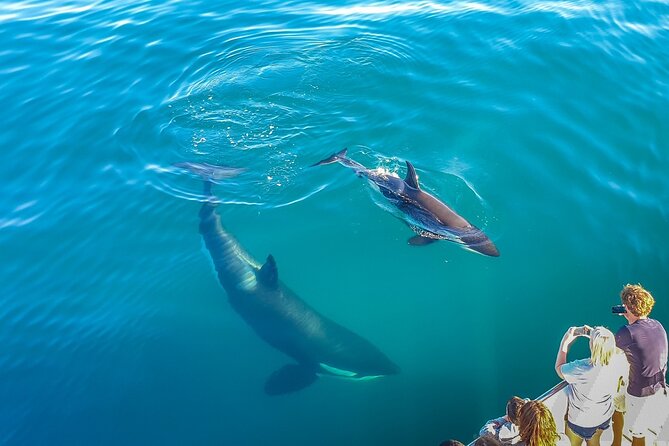
Dolphins are often the reliable win. You may see pods of bottlenose dolphins, and you can also encounter Bryde’s whales in these waters. On many days, dolphins show up close enough to feel exciting, not just distant dots on the horizon. If you are traveling with kids or anyone who needs a “we did it” moment, that dolphin chance is the big reason this cruise is worth serious consideration.
Seals are also on the list. The cruise is also set up for birds. With binoculars, you may spot seabirds such as Australasian gannets, petrels, shearwaters, and white-fronted terns soaring or plunging into the sea. And yes, keep an eye out for blue penguins, since the chance to see them is part of the experience.
If you want a quick reality check: whales are wild animals. Sometimes they are around and sometimes they are not interested in showing off. The good news is that the cruise is not only about whales, you are also learning how animals use this marine space, and you often get rewarding sightings even when the biggest target stays hidden.
Stop-by-stop: what each part of the route gives you
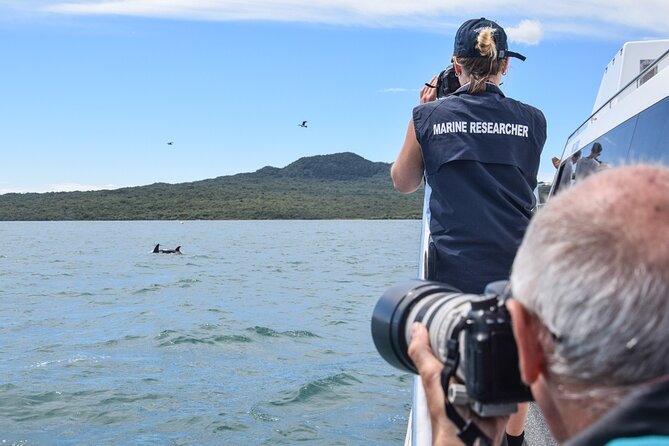
This cruise is more than “go out and hope.” It follows a route that gives you variety in scenery and wildlife-watching angles. Here is what each stop adds, and where you might find the tradeoffs.
Same island, a completely different day:
- Waiheke Island: Ferry & Hop-On Hop-Off Explorer Bus Tickets
★ 4.6 · 3,311 reviews - Hobbiton & Waitomo Caves Guided Day Trip from Auckland incl lunch
★ 5.0 · 2,677 reviews - From Auckland: Hobbiton & Waitomo Caves Day Trip with Lunch
★ 4.9 · 2,505 reviews - Skydive Auckland
★ 5.0 · 1,516 reviews
Stop 1: New Zealand Maritime Museum (your launchpad)
You meet at the New Zealand Maritime Museum in the Viaduct Harbour area. I like this because it keeps things simple: you are already in central Auckland, you walk or short transit your way there, and the crew can organize you before you ever step onto the boat. It also gives you a chance to get oriented and double-check what you packed.
Potential drawback: if you arrive late or cut it close, you can get squeezed out by the 15-minute check-in cutoff.
Stop 2: Viaduct Harbour (getting oriented fast)
Once you board, Viaduct Harbour becomes your “start line.” The view out toward the marine area helps you understand where the boat is headed, which makes the wildlife scanning feel more intentional later. Even before you spot anything, you get that downtown-to-sea transition.
Stop 3: Auckland Harbour Bridge views (scenery you can enjoy either way)
The bridge is one of those Auckland icons that you see best from the water. It also gives you a strong sense of scale. When you can look up at the bridge and then look out at the water beyond it, spotting begins to feel like navigation, not luck.
Tradeoff: if you stay too long in one spot for photos, you might miss commentary moments. I split my time between watching the horizon and listening.
Stop 4: Rangitoto Island (a good visual marker)
Rangitoto Island sits like a landmark in the region. When you look at it during the cruise, you can better track where you are in the bay system. That helps because the crew can guide you toward areas where animals have been seen or researched.
Stop 5: Waitemata Harbour (moving into the work zone)
Waitemata Harbour is part of the route that gets you into position. This section matters because wildlife sightings often improve as you reach the water zones where pods and birds feed and travel.
Stop 6: Hauraki Gulf (the main stage)
This is the heart of it. The Hauraki Gulf Marine Park includes five marine preserves, and the cruise operates inside that system where marine life diversity is high. Expect the crew to explain what they are looking for, how marine animals use the area, and how the day’s route fits those patterns.
Stop 7: Auckland Whale and Dolphin Safari (the core viewing window)
This is where the time gets spent on searching and spotting. The guides share what whales they are tracking that day, and you may learn how their research connects to what you see on the water.
Stops 8 to 10: Motuihe Island, Motutapu Island, Tiritiri Matangi Island (wildlife and bird energy)
These islands break up the route visually and give you fresh angles. Tiritiri Matangi in particular is associated with seabird watching, and the cruise is set up for binocular spotting. You may see seabirds wheel overhead and cut into the water, which makes the deck feel like an observation point, not just a ride.
Tradeoff: on crowded days, people tend to sprint for the best photo locations. I recommend you stay calm, pick a spot that is good for you, and rotate rather than chase every crowd surge.
Stop 11: North Head Historic Reserve (wraparound views before return)
North Head Historic Reserve adds that last hit of scenery before heading back. Even if wildlife has been quiet, this portion helps the day feel complete because you get the view of Auckland from a different angle than you would on land.
After that, the boat returns to Viaduct Harbour and the cruise ends back at the meeting point.
Marine research commentary that actually helps you spot
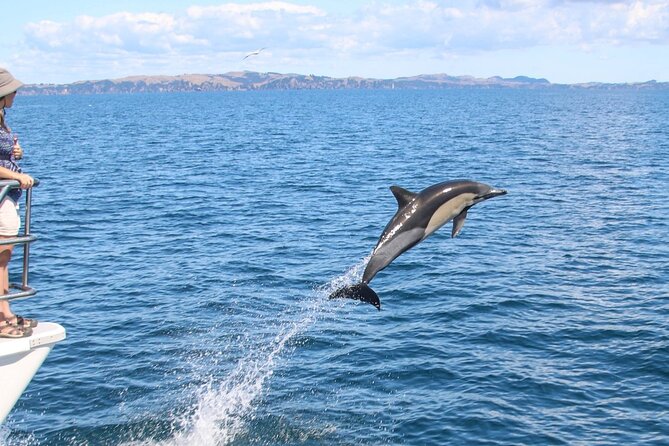
The big differentiator here is not just “we hope to see whales.” It is the on-board interpretation. You get expert commentary and interaction with marine research scientists, and that changes how you watch.
You learn what whales the crew tracks, and you hear the kinds of research done in partnership with local marine scientists. That context helps you pay attention to details that you would otherwise miss, like water behavior around pods, timing of bird dives, and how animals shift location.
The commentary also supports a conservation mindset. The ticket includes a direct contribution to marine mammal conservation, and you are guided through why that matters beyond the feel-good side. In practice, it turns a sightseeing day into a wildlife-learning day.
One practical tip from real-world experience: if the day is rainy, more people may cluster inside or under cover. If you end up farther back, you might hear less of the microphone commentary. Your best move is to position yourself where you can both hear and see, and then adjust if conditions change.
Deck and photo tips: where to stand when dolphins get curious
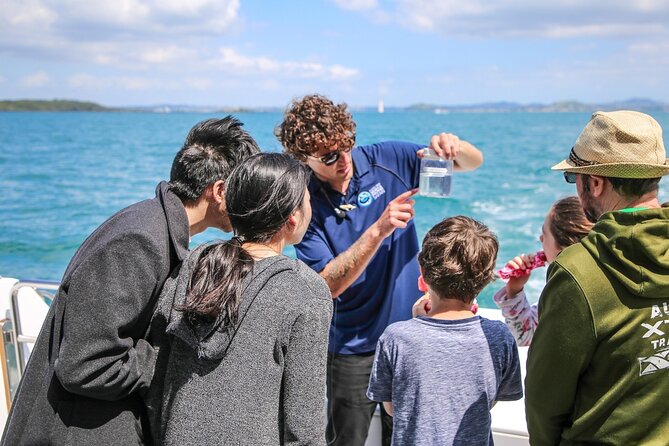
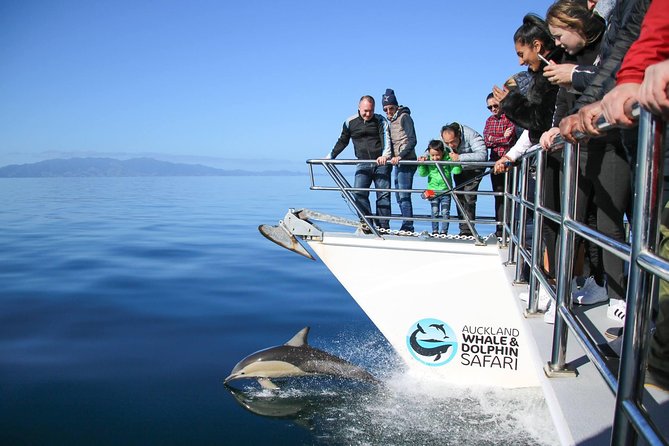
If dolphins come near the boat, they do not always announce themselves with a headline. They pop up, angle toward the bow, and then vanish. That is why where you stand matters.
From what I have seen on similar cruises, the front deck areas can be a prime spot when the boat is underway, especially for dolphin activity. If the crew is doing a careful approach to animal locations, you want a spot with a clear line of sight toward the water ahead and the water alongside the boat.
Bring binoculars if you have them. The bird list here is real, and birds can be harder to identify with the naked eye when they are at a distance. Binoculars make it much easier to tell what you are seeing when Australasian gannets, petrels, shearwaters, and terns start turning the air into a moving target.
For photos, I suggest you use a flat, steady stance. Also, keep your camera ready during transitions between scenic stops, because animals can appear while you are still processing the view.
And yes, sun care matters. You will be out on open water. Pack sunscreen and a hat with a chin strap, because wind plus a hat you keep chasing is a fast way to burn an otherwise great day.
Food, weather, and motion: what can make or break your comfort
This cruise is not built around a meal service. Food and drinks are not included, though you can purchase snacks and drinks on board. There are also toilets available, which is genuinely helpful on a half-day where the weather could shift.
Weather is a recurring theme here. Auckland can change fast, and the guidance is clear: dress in warm layers and bring weatherproof gear. Even if it starts sunny, wind on the water can cool you down quickly.
If you get motion sickness easily, take it seriously. On some days the water can be choppy. A catamaran is typically smoother than many monohulls, but your body still feels the conditions when the boat works through waves. If you are sensitive, consider a seat choice near the middle of the vessel and avoid lingering in one spot that makes you strain your neck to look forward.
What I would bring for a comfortable day:
- Warm layers plus a weatherproof outer layer
- Sun hat with chin strap
- Sunscreen, sunglasses
- Camera, binoculars
- Flat-soled shoes you can move in
Also, plan for wind. If you bring a big backpack, keep it secured so you can shift decks quickly when animals appear.
Price and value: is $135.91 a smart deal?
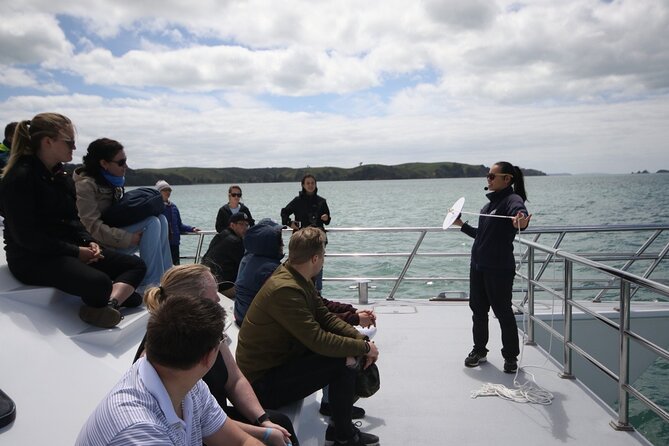
At about $135.91 per person for roughly 4.5 hours, you are paying for three things: time on the water, a purpose-built viewing catamaran, and expert marine research interpretation. You are also paying into conservation, since each ticket contributes directly to marine mammal conservation.
For value, consider what you actually get even if whales do not show. You are still likely to see dolphins, seals, blue penguins, and multiple seabird types. The cruise route also covers major Auckland highlights from the water, including Rangitoto Island and North Head. So even on a quieter animal day, you are not only sitting in search mode.
You also get a clear no-mammal safety net. If you do not see any marine mammals during your trip, you can go again another day at no extra charge. That matters because whale watching is inherently uncertain, and this reduces the financial sting when wildlife stays out of view.
Where the price can feel less worth it is when sea conditions are rough and the crowd is high. On busy seasonal periods, you might feel crowded on deck, and it can become harder to swap positions quickly. Still, the boat cap at 99 keeps it from turning into a full-on cattle-boat situation.
Overall, I think this is solid value if you want a science-guided wildlife hunt in one of New Zealand’s best-known marine viewing areas.
Should you book this Auckland dolphin and whale watching eco cruise?
Book it if you want a true half-day marine safari from central Auckland, with a serious focus on wildlife behavior and conservation. You will likely enjoy this most if you like being on deck, you can handle outdoor conditions, and you are excited by the idea that dolphins and seabirds may be easier wins than whales.
Skip it or rethink your expectations if your only goal is whales at all costs. Whales are wild and not guaranteed. The cruise can still be wonderful on dolphins and birds, but it is not a whale guarantee product.
If you are deciding between this cruise and a more basic boat outing, the marine research scientist element is the difference maker. It turns random spotting into something you can track and understand, and it helps you come away with more than photos.
FAQ
How long is the Auckland Dolphin and Whale Watching Eco-Safari Cruise?
It runs about 4.5 hours.
Where do I meet for the cruise?
You meet at Eastern Viaduct, Auckland Central, in the Viaduct Harbour area, at the New Zealand Maritime Museum.
Can I guarantee seeing whales or dolphins?
No. Wildlife viewings cannot be guaranteed, though dolphins and whales are often swimming around these waters.
What happens if I see no marine mammals?
If you do not see any marine mammals during your trip, you can go again another day at no extra charge.
Are food and drinks included?
No. Food and drinks are available to purchase on board.
What is the cancellation policy if the weather is bad?
You can cancel for a full refund if you cancel at least 24 hours before the experience’s start time. The experience requires good weather, and if it is canceled due to poor weather, you will be offered a different date or a full refund.
More Dolphin Watching in Auckland
- Auckland: Bay of Islands Day Tour with Dolphin Cruise
★ 5.0 · 11 reviews - Akaroa Dolphins ~ Harbour Nature Cruise
★ 5.0 · 2,143 reviews - Paihia/Russell: Hole in the Rock, Dolphins & Island Cruise
★ 4.6 · 821 reviews - Akaroa: Dolphin Nature Cruise
★ 4.9 · 440 reviews
More Whale Watching in Auckland
- Auckland: Tikapa Moana Whales, Dolphins and Islands Cruise
★ 3.9 · 292 reviews - Auckland: Tikapa Moana Dolphin, Whale and Island Cruise
★ 4.0 · 17 reviews - Kaikoura: Whale Watching Cruise
★ 4.6 · 3,089 reviews - Whale Watching in Kaikoura by Boat
★ 4.5 · 2,906 reviews
Just added near Auckland
- Auckland Airport Private One-Way or Round-Trip Transfer★ 4.5 · 14 reviews
- Kumeu Wine Region Shuttle from Auckland★ 4.5 · 19 reviews
- Auckland’s Wild West Coast & Black Sand Beaches Tour inc Lunch★ 5.0 · 12 reviews
- West Coast Discovery Tour★ 5.0 · 37 reviews
- Vineyards Honey and Black Sand Beaches from Auckland★ 5.0 · 93 reviews
- West Coast Discovery – Piha Beach or Muriwai Beach from Auckland★ 3.5 · 6 reviews
- Wētā Workshop Unleashed – Intro to Scars and Scrapes Workshop★ 5.0 · 5 reviews
- West Coast Discovery Piha Beach Private Tour★ 5.0 · 14 reviews
Whale Watching, compared.
Whale and Dolphin Watching Half-Day Eco Cruise
Read our review →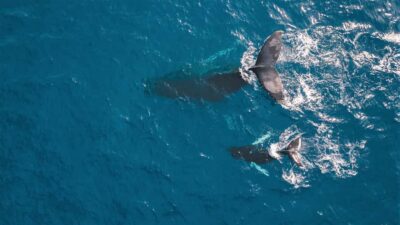
Tikapa Moana Whales, Dolphins and Islands Cruise
Read our review →
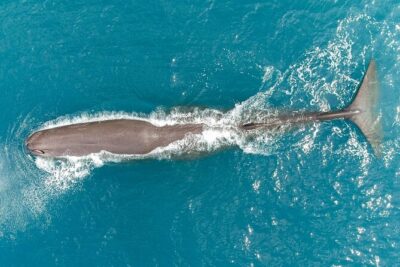
Kaikōura Whale Watching Scenic Flight (40 Minutes)
Read our review →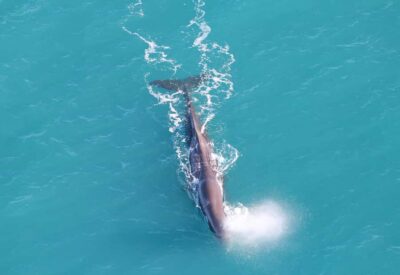
Browse the lists this tour appears in