
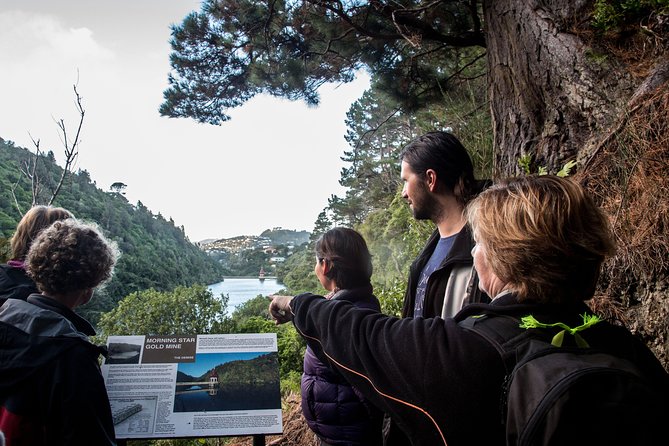
REVIEW · WILDLIFE
Zealandia – Twilight Guided Eco Wildlife Tour
Kiwi calls can start before you even settle in. This twilight guided tour at Zealandia in Wellington slips in right when daytime visitors clear out, so you get a calmer walk and a better shot at seeing resident wildlife as it shifts from day to night.
I especially love the start at Te Mara a Tane, where you begin with an interactive exhibition that frames Zealandia’s 500-year vision and New Zealand’s natural history. I also like the timing that turns your 2.5-hour walk into a two-part wildlife experience: you see daytime birds first, then get the first calls from nocturnal species.
One consideration: a kiwi sighting is not guaranteed. If you miss visual confirmation, you may still hear birds like kiwi and ruru (morepork) waking up, but you should go in expecting wildlife luck plus good listening.
In This Review
- Key things I’d plan around
- Twilight at Zealandia: What the timing actually buys you
- Te Mara a Tane first: the exhibition that sets your “wildlife lens”
- Walking the regenerating valley: what you can expect to see
- Hot kawakawa tea in the forest: a small stop that changes the mood
- Included entry on your day or next day: turning 2.5 hours into a plan
- Price and what you actually get for $68.26
- Logistics that matter: where to meet and how early to arrive
- Who should book this twilight tour
- Should you book the Zealandia Twilight Guided Eco Wildlife Tour?
- FAQ
- How long is the Zealandia Twilight Guided Eco Wildlife Tour?
- Where do I meet for the tour?
- How big is the group?
- When does the tour start?
- What’s included in the tour price?
- Is food included?
- What wildlife might I see during the walk?
- What should I wear or bring?
- Is the tour canceled if the weather is bad?
- Is the tour suitable for kids?
Key things I’d plan around
- 2 hours before sunset start for the best switch from day activity to night sounds
- Te Mara a Tane exhibition first, then a guided walk through the regenerating valley
- Hot kawakawa tea (coffee or tea) served in the forest
- Small max group size (12 travelers) helps guides spot and call out wildlife quickly
- Included general admission lets you explore the park again the same day or the next day
Twilight at Zealandia: What the timing actually buys you
Zealandia is a wildlife sanctuary on Wellington’s outskirts, and twilight is when it feels most alive. The tour starts about 2 hours before sunset, after the last daytime visitors have gone. That matters, because animals often follow predictable rhythms. In the hours leading to night, many resident species become more active, and the sounds you hear start to shift from day calls to nocturnal life.
You’re not going for a quick “look and leave.” You’re walking at the moment the habitat changes. That is why this tour works even if you do not see every headline animal. A good kiwi moment can be visual, but the tour’s timing also gives you a real chance to hear kiwi and ruru (morepork) as they start their night rounds.
Also, it helps that the group is kept to a maximum of 12 travelers. Less noise from a crowd means a quieter experience in the bush. It also makes it easier for your guide to point out small movements, like insects, lizards, or subtle bird behavior, without everyone craning and stomping.
More wildlife trips in Wellington:
- Small Group Daytime 2-Hour Eco Wildlife Tour at Zealandia
★ 5.0 · 223 reviews - Zealandia Small Group Eco Wildlife Night Tour
★ 5.0 · 127 reviews - Clearwater Wildlife Tours (small group 10max) Otago Peninsula
★ 5.0 · 531 reviews
Te Mara a Tane first: the exhibition that sets your “wildlife lens”
Before you step fully into the valley, you begin at Zealandia Te Mara a Tane with highlights from the interactive exhibition. This is not filler time. It gives you context so what you see later in the sanctuary makes more sense.
Here’s what you should expect from the exhibition portion:
- A guided walkthrough of Zealandia’s natural history themes
- A chance to understand the sanctuary’s 500-year vision
- Practical background on New Zealand’s wildlife and how the sanctuary supports it
This matters because you’re likely to spot things that most people miss at regular parks. For example, wētā and other small wildlife can be easy to overlook if you do not know what you are looking for. The exhibition helps you recognize patterns, not just species names.
Guides also connect the dots between daytime activity and nighttime calls. So when you hear something that sounds like it belongs to the night shift, you’re not left guessing.
Walking the regenerating valley: what you can expect to see
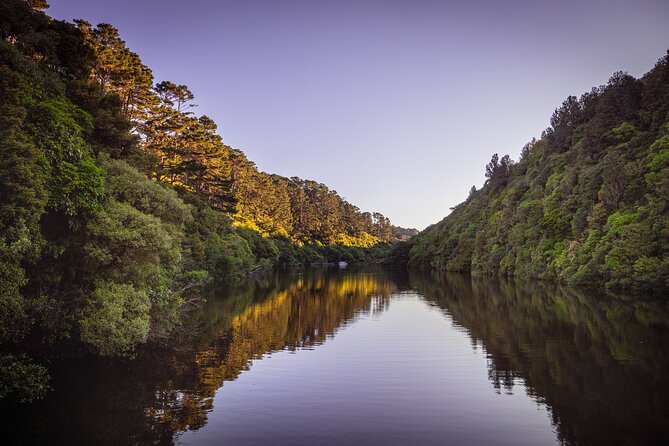
After the exhibition, you move into the after-hours walk through Zealandia’s regenerating valley. This is the core of the tour, and it is where the “twilight” part turns into real wildlife time.
You’ll be led at a comfortable pace through the sanctuary paths, and the walk is described by many visitors as an easy walk. Still, the tour notes call for moderate physical fitness, so plan for uneven ground, damp footing, and lots of stopping to look and listen.
Wildlife you might encounter during the guided portion includes:
- wētā
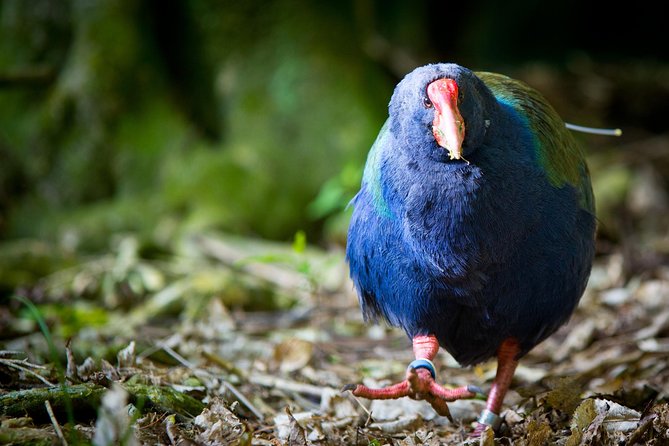
- takahē
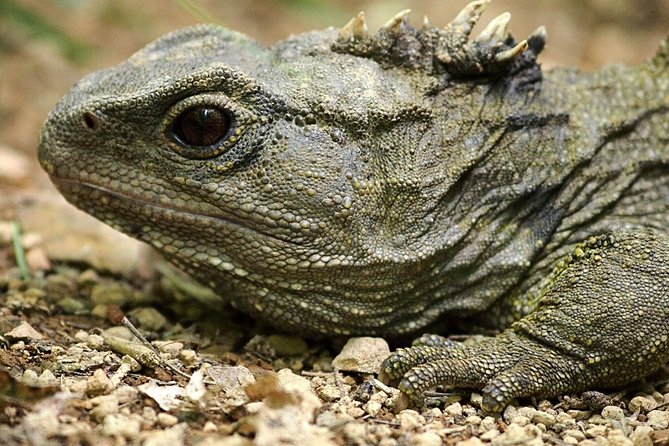
- tuatara
- Other resident bird and reptile species
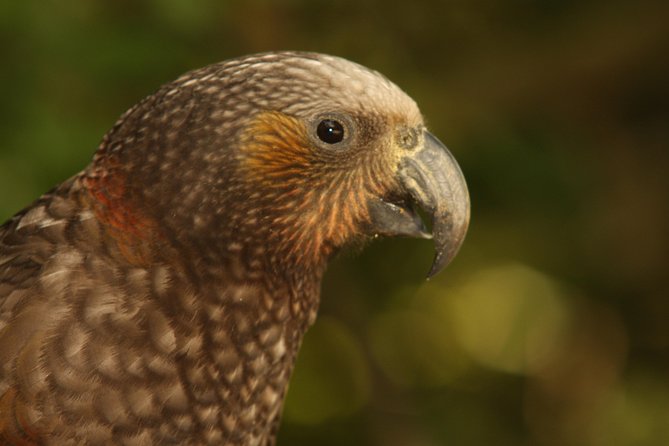
- Possible early nocturnal bird activity, including kiwi and ruru (morepork)
One smart way to approach this: treat the walk like two modes. Early on, watch for day-active birds and visible movement. As dusk deepens, shift your attention to sound. The tour specifically points out that you may catch the first calls of nocturnal birds as they wake. Even if you do not get a direct view, your guide can help you make sense of what you’re hearing.
From the experiences people share, kiwi sightings are often a highlight, but hearing kiwi (and other night birds) can still feel like a win. Tuatara also tend to get noticed when they move, not when they stay perfectly still.
Hot kawakawa tea in the forest: a small stop that changes the mood
Half the magic of twilight is atmosphere, and Zealandia leans into it with a warming hot drink served during the tour. You can expect coffee and/or tea, and the tour specifically mentions hot kawakawa tea, a natural herbal tea.
This is more than a nice touch. It keeps your energy steady while you wait quietly for animals to show themselves. It also helps make the experience feel cozy instead of just “cold and waiting.”
Practical tip: you will likely want that extra warmth if Wellington weather is doing its usual switchy thing. Even in mild conditions, twilight in the outdoors can feel cooler than you expect.
A few more Wellington trips worth comparing
- Wellington: Wētā Workshop Guided Tour Ticket
★ 4.7 · 997 reviews - Wētā Workshop Experiences Tour – Wellington
★ 5.0 · 875 reviews - Wellington: Return Cable Car Ticket
★ 4.6 · 714 reviews - Half Day Tour of Wellington
★ 4.5 · 638 reviews
Included entry on your day or next day: turning 2.5 hours into a plan
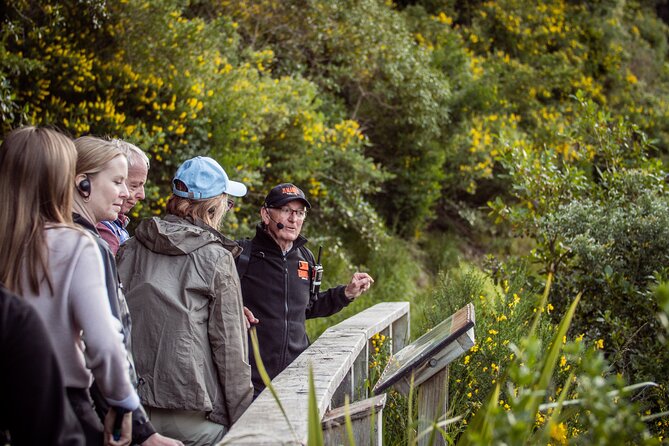
The biggest value move here is that your tour includes general admission to Zealandia either on the day of your tour or the following day. That means you can do more than the guided highlights. You get a guided experience for the best wildlife timing, then you can return later to explore at your own pace.
This is ideal if you like structure, but you also want flexibility. After the twilight walk, you might be curious about areas you did not get to linger on. With included entry, you can come back when the lighting is easier for you and take your time.
It also helps if wildlife luck is mixed during the evening. Even if you do not get every big sighting in twilight, a second pass in daylight can fill in the rest of your Zealandia story.
And if you’re the type who enjoys a slow browse, this is a huge win. You can enjoy the sanctuary twice, instead of treating it as one rushed outing.
Price and what you actually get for $68.26
At $68.26 per person, this isn’t a bargain in the “cheap ticket” sense. But it also isn’t just paying for a walk in the woods. You’re paying for:
- A guided after-hours experience timed for wildlife activity
- The exhibition intro at Te Mara a Tane
- A hot drink, including kawakawa tea
- General admission included on your day of the tour or the next day
The value equation improves if you were going to visit Zealandia anyway. Many people do, because Zealandia is one of the few places in the Wellington area where you can get a focused look at native species in a managed sanctuary setting.
Also, you’re not fighting big crowds. You’re choosing the earlier-than-night window when resident animals transition toward nocturnal behavior. That’s a quality-of-experience purchase.
If you’re on a tight schedule, the 2.5-hour duration is also a manageable block. You can fit it into a day of Wellington sights without needing an all-day commitment.
Logistics that matter: where to meet and how early to arrive
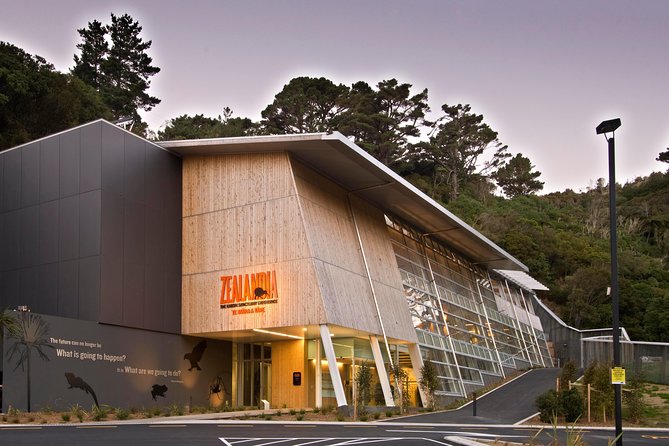
The meeting point is 53 Waiapu Road, Karori, Wellington 6012. The tour starts with a very specific timing, and you should plan to arrive 15 minutes early.
If you’re relying on a taxi, the tour guidance recommends arranging it through your accommodation concierge or by calling Wellington Combined Taxis. This is especially useful for evening timing, when public transit schedules can feel less convenient.
You’re also told the meeting point is near public transportation. Some visitors mention a free shuttle from the top of the cable car station and that bus services can stop nearby, including the #2 bus running to and from downtown and Zealandia. If you want an easier night return, this is worth looking up before you go.
Dress and packing matter here because the tour runs in all weather conditions. That means you should expect a damp evening at some point in Wellington if you visit in the wrong week. Bring:
- Sturdy footwear for uneven or slick footing
- Extra layers
- A waterproof jacket
Your goal is comfort and staying warm so you can keep your attention on the guide’s spotting cues.
Who should book this twilight tour
This tour fits best if you:
- Love wildlife and native species, even if you are not a hardcore birder
- Enjoy guided help for spotting small critters and identifying sounds
- Want a quieter experience away from daytime crowds
- Are willing to go slow and be patient while animals decide whether to show themselves
It also works well as a first Zealandia experience. Starting at Te Mara a Tane gives you context fast, then you get the after-hours walk where the sanctuary feels different.
If your top priority is a guaranteed kiwi sighting, be realistic. The tour sets you up for strong odds, but wildlife is not an appointment clock. If you miss the visual, you can still come away with the night-bird soundscape and the thrill of other rare species you might spot, like wētā or tuatara.
Finally, the tour notes say minimum age is 5, and children must be accompanied by an adult. The walk is not described as intense, but it is outdoors and weather-dependent, so plan for steady adult supervision.
Should you book the Zealandia Twilight Guided Eco Wildlife Tour?
Yes, if you want your Wellington nature time to feel special and time-smart. The best reason to book is the twilight timing paired with a guide-led walk. You’re not just visiting a sanctuary, you’re visiting during the switch from day behavior to night activity.
Book it now if:
- Zealandia is on your Wellington to-do list anyway
- You like being outdoors at dusk and listening as much as looking
- You want the included day entry so you can explore twice
Skip or reconsider if:
- You dislike uneven outdoor walking and cold, damp weather
- You need guaranteed sightings of a specific animal like kiwi
- You want a purely relaxed, no-questions sightseeing stroll with zero waiting
If you match that “nature lover at dusk” mindset, this tour gives you a focused, high-value taste of what Zealandia is doing for New Zealand’s native wildlife, one quiet evening at a time.
FAQ
How long is the Zealandia Twilight Guided Eco Wildlife Tour?
It’s about 2 hours 30 minutes long.
Where do I meet for the tour?
The meeting point is 53 Waiapu Road, Karori, Wellington 6012, New Zealand.
How big is the group?
The tour has a maximum of 12 travelers.
When does the tour start?
The exclusive twilight tours start about 2 hours before sunset.
What’s included in the tour price?
You get a guided walking tour through the exhibition and Sanctuary Valley, coffee and/or tea (including hot kawakawa tea), plus general admission to Zealandia on the day of your tour or the following day.
Is food included?
No. Food and drinks are not included, aside from the hot drink served during the tour.
What wildlife might I see during the walk?
You may see rare wildlife such as wētā, takahē, tuatara, and more. You may also hear nocturnal birds like kiwi and ruru (morepork) as they wake.
What should I wear or bring?
Wear sturdy footwear and bring extra layers and a waterproof jacket. Dress appropriately for changeable Wellington weather.
Is the tour canceled if the weather is bad?
The experience requires good weather. If it’s canceled due to poor weather, you’ll be offered another date or a full refund.
Is the tour suitable for kids?
The minimum age is 5, and children must be accompanied by an adult.
Just added near Wellington
- WLG: Museum of NZ Māori Highlights Tour & General Admission★ 4.7 · 30 reviews
- Wellington Zoo General Entry Tickets★ 3.9 · 7 reviews
- Wellington: Wētā Workshop Creative Classes Experience Ticket★ 4.7 · 5 reviews
- Wellington Helicopters Scenic Harbour Flight★ 4.4 · 19 reviews
- Wellington: Wētā Workshop Guided Transfers & Tour★ 4.6 · 95 reviews
- Wellington: Remutaka Rail Trail Cycle Tour★ 4.9 · 17 reviews
- Wellington: Private custom tour with a local guide★ 4.6 · 3 reviews
- Wellington: Museum of NZ General Admission★ 4.7 · 156 reviews
Wildlife, compared.

Clearwater Wildlife Tours (small group 10max) Otago Peninsula
Read our review →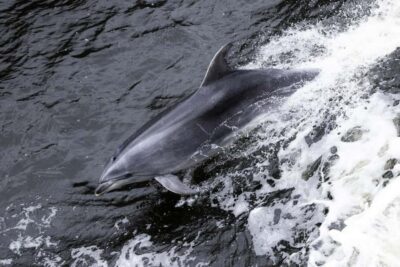
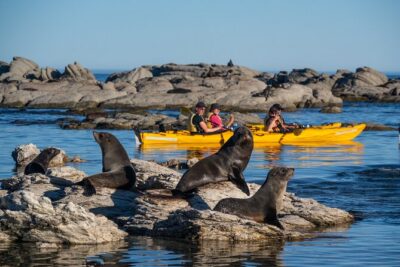
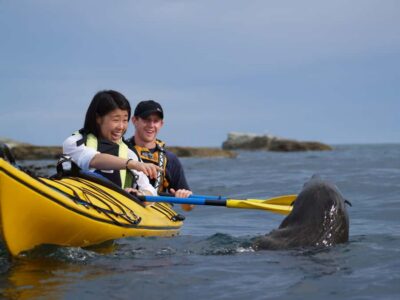
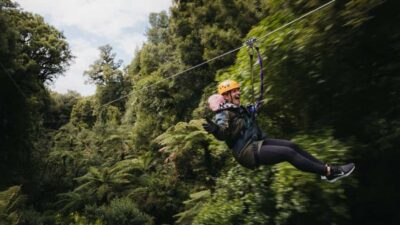
6 Ziplines, Swing-Bridges & Wildlife Encounters
Read our review →
Island Hopper Day Cruise – sailing to wildlife sanctuary island – 6 hr cruise
Read our review →
Browse the lists this tour appears in