
REVIEW · SEAL & PENGUIN ENCOUNTERS
Dunedin: Wildlife and Penguin Tour
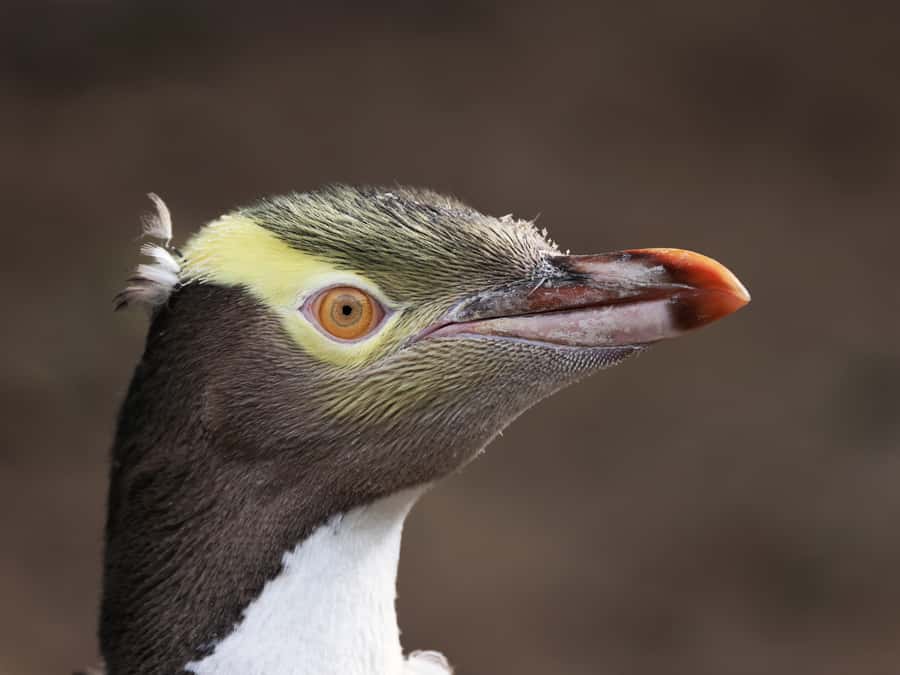
If you want penguins, this is a smart start. A tour on the Otago Peninsula pairs a conservation-focused intro with a real wildlife walk, so you understand what you are seeing and why it matters. Two things I love are the chance to learn about protecting hoiho (yellow-eyed penguins), and the up-close access to a rehabilitation centre when penguins are present. One drawback to consider up front is that this is wild wildlife viewing, so sightings, especially of yellow-eyed penguins on the shore, can vary day to day.
This tour also has a practical rhythm. You start with an explanation in a small theatre setting, then you shift to hands-on conservation work at the rehab centre, and finish with a short reserve walk where your guide helps you read the habitat like a local. It is only 90 minutes, which means less time in transit and more time in the reserve, even if the weather turns a bit.
In This Review
- The OPERA eco-reserve concept, and why this tour feels different
- 4 to 6 highlights that are worth planning around
- Arriving at 45 Pakihau Road, then getting your bearings fast
- The theatre start: learning the penguin story before you step outside
- Rehabilitation centre visit: up-close penguin conservation, when they are present
- The Otago Peninsula walk: a short 2 km loop with big habitat payoff
- Wildlife viewing reality check: how to improve your chances (and stay calm)
- What to wear and pack for a 90-minute peninsula outing
- Price and value: why $44 can be a good deal
- Guide quality is part of the product
- Who this tour suits best, and who should skip it
- Should you book the Dunedin Wildlife and Penguin Tour?
- FAQ
- How long is the Wildlife and Penguin tour?
- Where does the tour start and end?
- What parts of the experience are included?
- Can I guarantee seeing yellow-eyed penguins in the wild?
- What should I bring for the tour?
- Are there any rules about wildlife?
The OPERA eco-reserve concept, and why this tour feels different
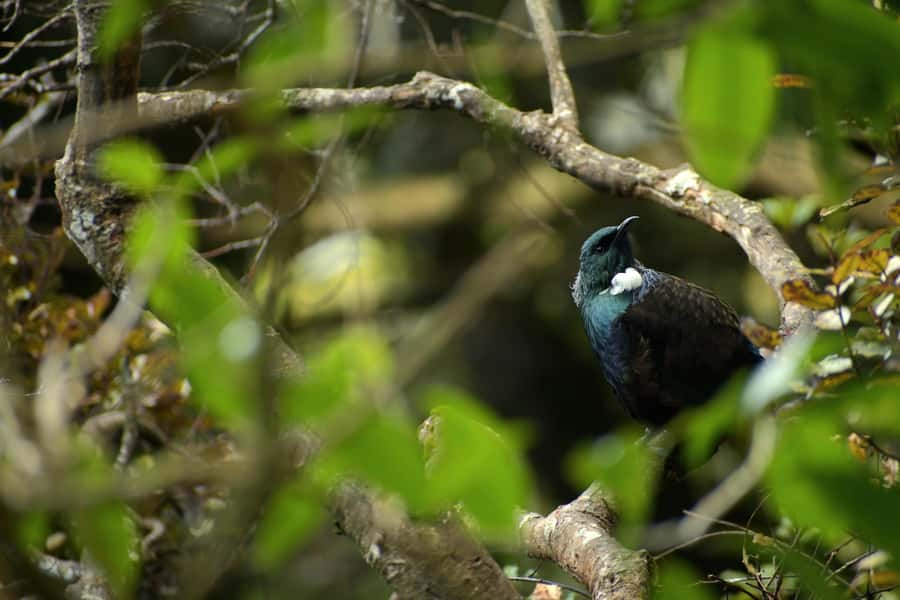
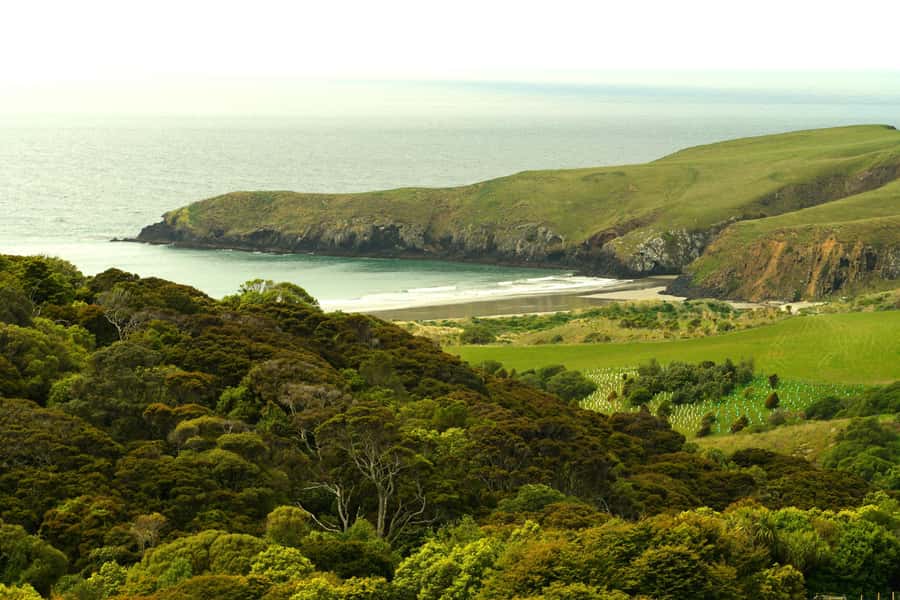
The standout here is that you are not just chasing wildlife. You are stepping into a private eco-reserve built for habitat restoration and long-term protection, and your guide ties every sighting back to conservation goals. That framing changes the whole experience, because you notice details you would otherwise miss, like how the reserve is being restored back toward its original state and how sensitive the penguins are to disturbance.
And it is a multi-species visit. You are set up for yellow-eyed penguins, little penguins (kororā), New Zealand fur seals, sea lions, and forest and seabirds. Even when penguins are quiet in a given moment, you still have a strong chance of seeing other native animals moving through the same coastal system.
4 to 6 highlights that are worth planning around
- The conservation theatre intro helps you understand what the team is doing to restore habitat and protect hoiho.
- Rehabilitation centre access gives you a rare chance to see penguins up close when they are present.
- Guided 2 km nature walk is short enough for most fit walkers, but still deep in habitat details.
- Binocular-ready wildlife viewing can seriously boost what you spot in the reserve.
- Wild sightings are never guaranteed, especially for yellow-eyed penguins in the wild.
More Seal & Penguin Encounters in Dunedin & Otago
- Dunedin: Otago Peninsula with Guided Penguin Reserve Tour
★ 4.7 · 66 reviews - From Dunedin: City, Otago Peninsula & Albatross Guided Tour
★ 4.7 · 35 reviews - Oamaru: Penguins Evening Viewing Ticket
★ 4.5 · 682 reviews
Arriving at 45 Pakihau Road, then getting your bearings fast
Your tour begins at 45 Pakihau Road, and you check in at reception. I like that the start is orderly, because once you are in the reserve area, the day moves quickly and you do not waste time figuring out where to stand or what to look for.
The first major stop is a theatre-style learning session. Think of it as a quick, focused orientation rather than a long lecture. You learn what the reserve restoration looks like in practice, how the yellow-eyed penguin program works, and what the team is planning for the future.
This matters because penguins, seals, and seabirds are not like zoo animals. They move with the tide, weather, and feeding patterns. When you understand the conservation context, you can watch with patience instead of frustration.
The theatre start: learning the penguin story before you step outside
The intro in the theatre setting gives you three things you will actually use on the walk. First, you get the big picture of why the reserve is being restored back toward its original state. Second, you hear the basics of the penguin conservation work, which helps you recognize what makes yellow-eyed penguins so threatened. Third, you get the tone right: this is about minimizing impact while still allowing visitors to learn and observe.
It is also where you get your expectations calibrated. The tour explicitly notes that viewing cannot be guaranteed, and yellow-eyed penguins are rare and in decline. That honesty keeps you from feeling like you paid for a guaranteed wildlife show. Instead, you are paying for access, education, and real viewing opportunities in a protected area.
If you like guides who keep the information flowing, you are in good hands here. Reviews mention guides such as Emma and Eden, with strong delivery and an ability to answer questions as you go.
Rehabilitation centre visit: up-close penguin conservation, when they are present
After the intro, you head to the rehabilitation centre. When penguins are present, this is the part that often feels like a once-in-a-lifetime experience, because you are not just looking for signs in the distance, you are seeing how conservation care supports these birds.
You should expect to see yellow-eyed penguins and other penguin species up close at the centre. One review noted multiple species in rehab at the time, and another highlighted little penguins in nest boxes. On a different day, you may see things related to the ongoing work of monitoring and recovery, and sometimes even glimpses of release activity when it fits the daily routine.
A balanced note: conservation spaces are designed to reduce stress for the animals, so visibility can be limited in some areas. One guest wished for more visibility, even while understanding why protection comes first. If you are the type who wants panoramic views and zero barriers, you may find this portion a little more controlled than a typical attraction.
Still, this is also where you feel your ticket is doing something tangible. You are supporting the work that helps endangered penguin populations recover.
More Wildlife Tours in Dunedin & Otago
- Dunedin: Monarch – One Hour Wildlife Cruise
★ 4.5 · 48 reviews - Clearwater Wildlife Tours (small group 10max) Otago Peninsula
★ 5.0 · 531 reviews - Otago Peninsula Wildlife Cruise with Monarch
★ 4.5 · 227 reviews - Albatross, seals, and sea birds-Wildlife Cruise
★ 5.0 · 189 reviews
The Otago Peninsula walk: a short 2 km loop with big habitat payoff
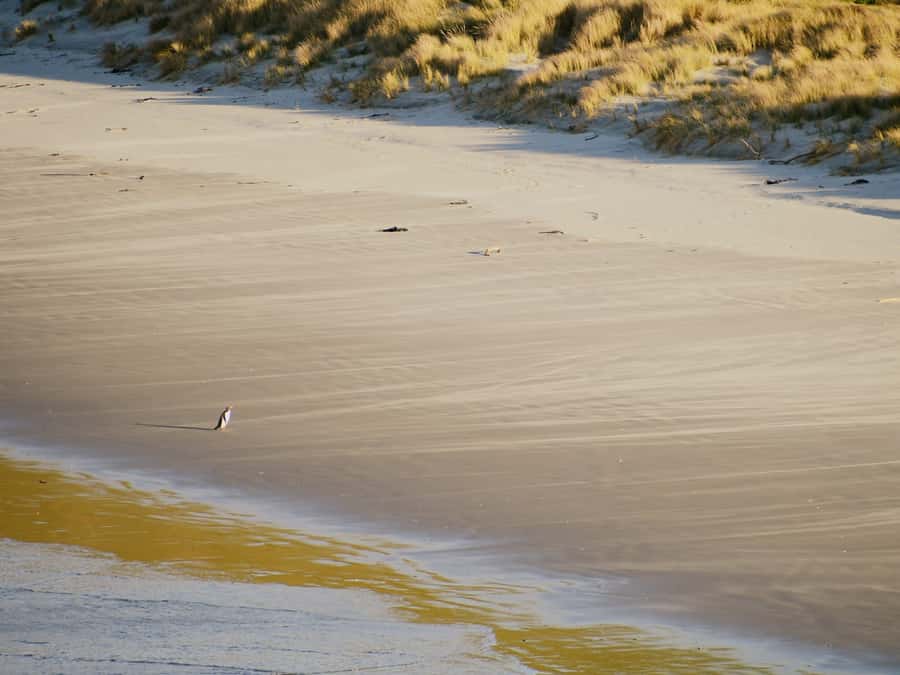
The final stage is a short bus trip into the reserve, followed by an approximately 2 km (1.25 mile) guided nature walk. The walking distance is manageable, but do not mistake it for a casual stroll. You are walking through habitat where your guide will point out plants, track wildlife patterns, and show you where animals tend to appear.
The guide’s job is not just telling stories. It is helping you look in the right places. In coastal reserves, animals can be present but hard to spot unless you know what you are scanning for. Having a guide who can translate the environment increases your odds, especially when wildlife is active but not immediately obvious.
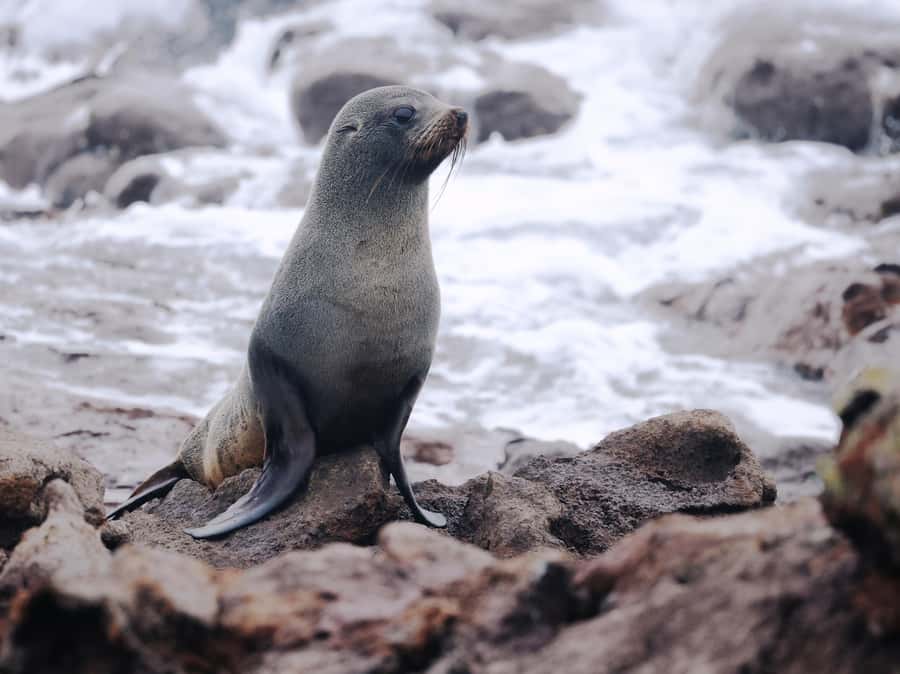
What you might see includes fur seals and sea lions, plus several species of shore and land birds. Penguin sightings are possible on the reserve walk, and the tour emphasizes the chance to see both yellow-eyed penguins and little penguins. You should go in expecting variety and surprises, not just one target species.
Wildlife viewing reality check: how to improve your chances (and stay calm)
Here is the key thing to understand before you book: you are visiting a working ecosystem. Wild viewing can never be guaranteed. Yellow-eyed penguins are rare, and numbers are declining, so seeing them in the wild depends on the season and daily conditions.
So, how do you stack the odds in your favour?
- Bring binoculars if you have them. The tour encourages this, and some guests found that support binoculars were available if they forgot.
- Use quiet behaviour. The tour rules say no touching animals, and you should follow the guide’s instructions closely.
- Keep your camera ready. Reviews mention that guides give time for photos and do not rush you when people want to pause and shoot.
Also, remember that even if yellow-eyed penguins do not appear from the beach or trench areas, you may still get a lot out of the visit through other animals. Several guests reported very close views of sea lions and fur seals, and others enjoyed penguins in rehab even if the wild shore sightings did not happen that day.
A little mindset shift helps. If you treat this as habitat time, not a checklist, you will leave happier.
What to wear and pack for a 90-minute peninsula outing
This tour includes rain jackets, which is a big deal in the South Island where weather can change fast. Still, dress as if you might get damp or windy, and wear comfortable shoes because you are doing a walk.
For your kit, I recommend:
- Comfortable walking shoes
- Outdoor clothing that you can layer
- Camera
- Binoculars (or plan to share with your own group if needed)
The tour also has clear do-not rules: no smoking and no touching animals. Those rules are not there to be picky. They protect the wildlife and also keep you from accidentally creating stress for animals that are already under pressure.
Price and value: why $44 can be a good deal
At about $44 per person for a 90-minute tour, you are paying for more than a walk. You get guided interpretation, access to a rehabilitation centre, a short guided nature walk in a private eco-reserve, and the bus transfer into the reserve area as part of the experience.
It is also value in the bigger sense. Conservation tours can feel expensive until you see what your money supports. Here, you are directly linked to protection of hoiho and other wildlife in the reserve. The ticket helps fund habitat restoration and the rehabilitation work that brings injured or vulnerable animals back into recovery pathways.
Food and drinks are not included, so plan to have a meal before or after. That is normal for a 90-minute wildlife outing. If you are planning a full day on the peninsula, build the tour around your other stops rather than trying to combine it with long meals right before you go in.
Guide quality is part of the product
This is one of those tours where the guide can make the difference between seeing random movement and actually understanding what you are watching. Reviews repeatedly call out guide enthusiasm and the ability to answer questions, with guides like Emma and Eden mentioned by name.
You should expect a continuous commentary style during the reserve bus ride and a guide who will help you make sense of what is happening in the habitat. Also note that reviews mention the pace felt unhurried, with time to stop for photos when the guide noticed people wanted to capture a moment.
If you like learning on the spot, this is a strong match.
Who this tour suits best, and who should skip it
This experience is not suitable for people with mobility impairments, wheelchair users, visually impaired people, or those with low fitness. That is because it includes a guided nature walk in the reserve and general outdoor movement that may not be easy to adapt.
If you are physically able to walk on uneven ground for about 2 km, this is a good way to experience the Otago Peninsula without committing to a full half-day itinerary. It also fits well if you want a high-value wildlife stop with built-in education, instead of just driving around and hoping.
Families can often manage it, but only if everyone can comfortably handle the walking requirements. If your group is sensitive to wildlife rules, the no-touch, no-smoking approach is straightforward and you will know what to do once you arrive.
Should you book the Dunedin Wildlife and Penguin Tour?
Book it if you want a short, education-first wildlife experience that supports conservation and gives you structured time in a protected reserve. This is especially compelling if yellow-eyed penguins are on your New Zealand bucket list, because even when wild sightings are uncertain, you still get access to the rehabilitation centre when penguins are present.
Skip it if you need guaranteed penguin viewing in the wild or if your mobility, fitness, or vision limitations make a 2 km guided walk impractical. Also think twice if you hate controlled viewing areas in rehab settings, because conservation practices can limit what you see from certain spots.
If you go in expecting wild variation, you will get a lot out of it, even beyond penguins. The combination of habitat restoration education, rehab access, and the chance to spot fur seals, sea lions, and birds makes this one of the more meaningful penguin-focused stops on the Otago Peninsula.
FAQ
How long is the Wildlife and Penguin tour?
It runs for 90 minutes, including the guided portion of the reserve visit and the nature walk.
Where does the tour start and end?
You check in at reception at 45 Pakihau Road, and the tour returns to 45 Pakihau Road.
What parts of the experience are included?
You get a 90-minute guided tour, access to the rehabilitation centre, a nature walk in the reserve, and the opportunity to see yellow-eyed penguins and other wildlife. Rain jackets are included.
Can I guarantee seeing yellow-eyed penguins in the wild?
No. The tour notes that animals are wild and viewing cannot be guaranteed. Yellow-eyed penguins are rare, and sightings vary throughout the year and day-to-day.
What should I bring for the tour?
Bring comfortable shoes, your camera, outdoor clothing, and binoculars for wildlife viewing.
Are there any rules about wildlife?
Yes. Smoking is not allowed, and you must not touch animals.
More Wildlife Trips in Dunedin
- Milford Sound: Wildlife & Nature Cruises
★ 4.7 · 513 reviews - Wildlife Sea Kayaking Tour – Kaikoura
★ 5.0 · 467 reviews - Kaikoura: Half-Day Wildlife Kayaking Tour
★ 4.6 · 390 reviews - Rotorua: 6 Ziplines, Swing-Bridges & Wildlife Encounters
★ 4.9 · 347 reviews
More Seal & Penguin Encounters in Dunedin
- Guided Evening Penguin Viewing Otago Peninsula, Dunedin, New Zealand
★ 5.0 · 471 reviews - Otago Peninsula In-Depth Tour & Blue Penguins Pukekura Experience
★ 5.0 · 163 reviews - Llama Trek (Half-day) – Kaikoura Bay, Beaches & Seal Colony
★ 5.0 · 157 reviews - Akaroa: Pohatu Penguins Scenic Nature 2-Hour or 4-Hour Tour
★ 4.9 · 125 reviews
Just added near Dunedin
- Queenstown to Dunedin Incl Taieri Gorge Train (One-Way)★ 4.3 · 3 reviews
- Private Dunedin City Highlights and Otago Peninsula Day Tour★ 4.3 · 7 reviews
- From Dunedin: City, Otago Peninsula & Albatross Guided Tour★ 4.7 · 35 reviews
- Dunedin: Small Group City Highlights Tour★ 5.0 · 3 reviews
- Dunedin: Scenic Railway Tour Through the Taieri Gorge★ 4.7 · 73 reviews
- Dunedin: Peninsula with Lanarch Castle gardens & Olveston★ 5.0 · 8 reviews
- Dunedin: Otago Peninsula with Guided Penguin Reserve Tour★ 4.7 · 66 reviews
- Dunedin City & Otago Peninsula Scenery Day Tour★ 4.7 · 49 reviews
Seal & Penguin Encounters, compared.
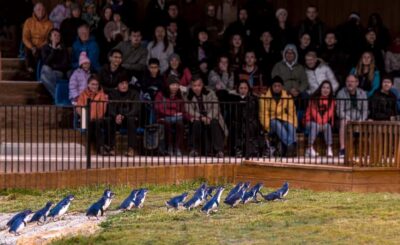
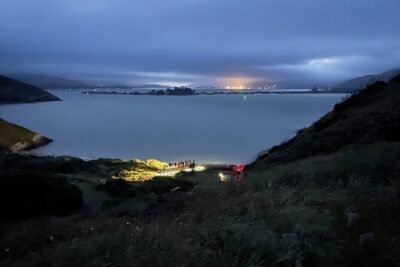
Guided Evening Penguin Viewing Otago Peninsula, Dunedin, New Zealand
Read our review →
Albatross, seals, and sea birds-Wildlife Cruise
Read our review →
Otago Peninsula In-Depth Tour & Blue Penguins Pukekura Experience
Read our review →
Llama Trek (Half-day) – Kaikoura Bay, Beaches & Seal Colony
Read our review →
Pohatu Penguins Scenic Nature 2-Hour or 4-Hour Tour
Read our review →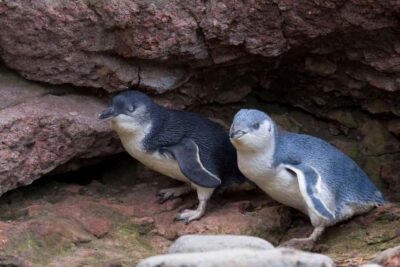
Pohatu Little Penguins 3-Hour Evening Experience
Read our review →
Dunedin Wildlife Cruise-Albatross, seals and harbour
Read our review →Browse the lists this tour appears in