
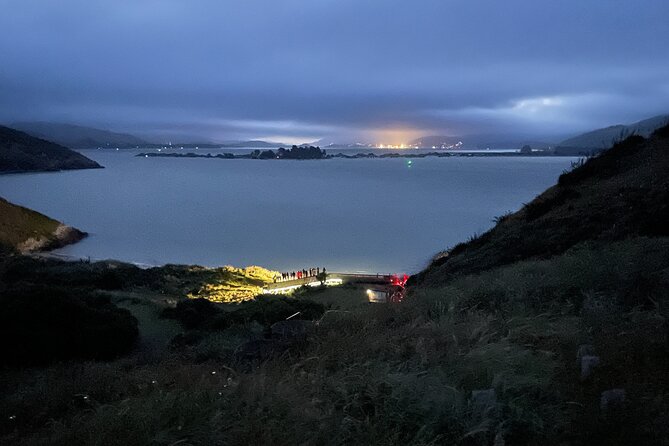
REVIEW · SEAL & PENGUIN ENCOUNTERS
Guided Evening Penguin Viewing Otago Peninsula, Dunedin, New Zealand
Penguins at dusk feel unreal, then you see the details. On this guided Otago Peninsula evening tour, you watch little blue penguins come ashore after a day at sea, guided by an expert conservation-minded biologist. You also learn why this headland matters to both people and wildlife.
I especially like two things. First, photography is allowed without flash, so you can actually bring home proof of the penguin parade. Second, the guides help you see well from the platform by rotating groups so more people get good angles.
One real consideration is the cold. This is outdoors for about 90 minutes, and nights can be windy and wet, plus there are stairs on the boardwalk, so you need to plan for comfort and footing.
In This Review
- Key things you will enjoy most
- Otago Peninsula at Dusk, and Why This Timing Matters
- Meeting at Blue Penguins Pukekura, Then a Short Nature Walk
- The Headland Briefing, Plus the Penguin Story Before the Action
- Watching from the Hidden Spot and the Open Platform
- Photography Rules That Matter (And How to Actually Use Them)
- Dress for Wind, Cold, and a Long Wait Outside
- Wildlife Odds, Expected Penguin Counts, and What You’ll See
- Value for $34.13, and Why the Small Extras Add Up
- Should You Book This Penguin Evening Viewing?
- FAQ
- How long is the guided evening penguin viewing?
- Where does the tour start?
- Do I need a car to get there?
- Can I take photos during the tour?
- Are umbrellas permitted if it’s wet?
- How much walking is involved?
- Is the boardwalk accessible for people with mobility issues?
- How many penguins might I see?
- What other wildlife could appear during the viewing?
- What happens if penguins are scarce that night?
Key things you will enjoy most
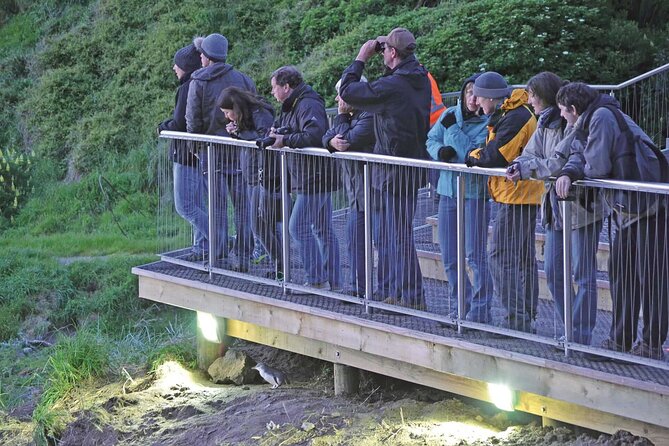
- Up-close evening viewing of little blue penguins as they waddle up the beach
- No-flash photography allowed, plus lighting that helps with night viewing
- Guides who manage the crowd so you get different angles as groups rotate
- Wildlife chances beyond penguins, including fur seals, sea lions, and albatross
- A short walk to the viewing point, including a gravel path and boardwalk with many built-in steps
- Expert conservation talk, including the headland’s human history and penguin behavior
Otago Peninsula at Dusk, and Why This Timing Matters
The show happens at night, but it starts before you see anything. You’re going out at dusk because little blue penguins time their return to shore when light is low and they can move without extra stress. That rhythm is exactly what makes this tour feel special: it’s not just spotting birds, it’s watching a routine.
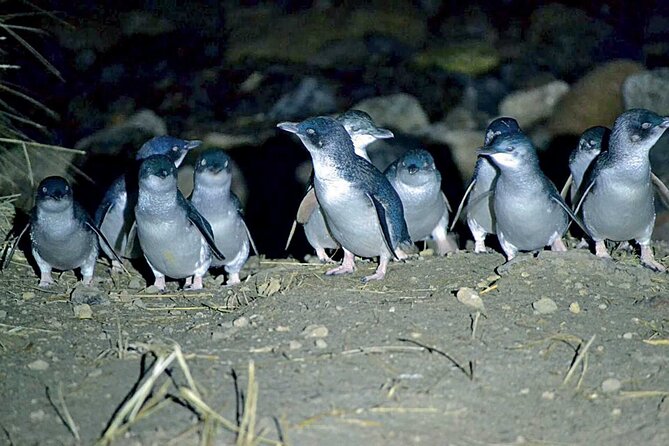
The colony size can be dramatic. On the Otago Peninsula you can see up to around 200 blue penguins arriving home, with bigger numbers in summer. In the non-breeding months, which run February to August, expectations are typically lower, around 10 to 80 penguins each night. Either way, when you see them in motion, it’s surprisingly moving. They don’t stroll like movie penguins. They hustle.
This timing also affects how the evening feels for you. If you come in winter or shoulder season, it can be fewer penguins but still close and meaningful. If you come in warmer months, you’re more likely to witness that “hundreds” feeling people talk about. The tour is built around that natural schedule, and you just show up for the best part of the day.
More Seal & Penguin Encounters in Dunedin & Otago
- Otago Peninsula In-Depth Tour & Blue Penguins Pukekura Experience
★ 5.0 · 163 reviews - Dunedin Wildlife Cruise-Albatross, seals and harbour
★ 5.0 · 115 reviews - Dunedin City Highlights, Otago Peninsula Scenery & Albatross Guided Tour
★ 5.0 · 41 reviews
Meeting at Blue Penguins Pukekura, Then a Short Nature Walk
You meet at Blue Penguins Pukekura, 1245 Harington Point Road, Harington Point 9077. The tour includes the viewing experience, but transport is not provided, so you’ll drive yourself to the reserve.
Once you start, expect a real walk, not a drive-up platform moment. The route includes about a 300-meter walk along a gravel path and boardwalk, and the boardwalk has over 60 built-in steps. This matters because the tour is great, but it is not “stroll only.” The operator notes you must be able to walk unaided.
Weather can shift fast out on the headland. One review experience that kept coming up in different forms was wind. People got cold even when it looked fine earlier in Dunedin. If you’re planning ahead, pack for a full evening outdoors, not just for the walk in.
Also keep umbrellas out of your bag. Umbrellas are not allowed. If it is wet, bring a rain jacket. Simple rule: if you can keep your arms free and your outer layer windproof, you’ll feel much better when the waiting gets long.
The Headland Briefing, Plus the Penguin Story Before the Action
Before you reach the beach, you get an introduction that sets you up to watch smarter. The tour begins with context about the headland, including human history tied to Māori occupation long before European arrival. That gives the place weight, not just scenery.
Then the talk turns to the penguins themselves. You learn what to expect in their behavior and why the reserve is managed carefully. The guides are typically biologist or conservation-minded, and that shows in how they explain what you’re seeing.
A couple of guides get named in real guest feedback, including Leon and Shane, and the tone you want is the same: friendly, interactive, and focused on helping you understand the animals, not just stare at them.
One practical note from the pacing: some people found the indoor talk portion a little long, and it can push the later driving window. If you’re sensitive to late-night driving, plan dinner earlier and give yourself buffer time getting back out onto the roads.
Watching from the Hidden Spot and the Open Platform
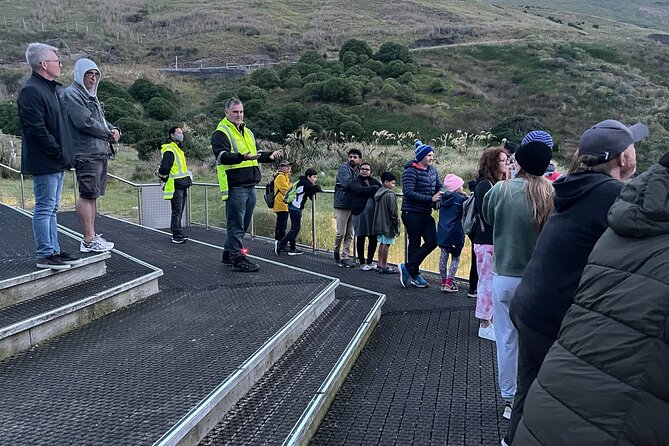
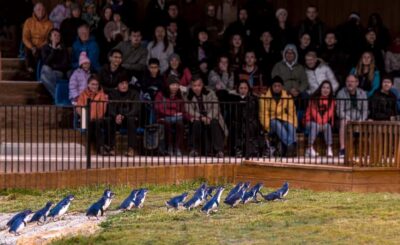
Here’s the core reason to book. At dusk, you watch the penguins waddle past you just a few metres away from a controlled viewing setup. You’re not behind thick barriers, but you are positioned to avoid disturbing them. That balance is the whole point of a guided reserve viewing.
The viewing itself is set up for movement and visibility. You’re on an open platform, and you can move around to see penguins from different angles. The guides also rotate groups around the viewing area. So even if penguin traffic is busiest in one section, you’re not stuck with a bad sightline all night.
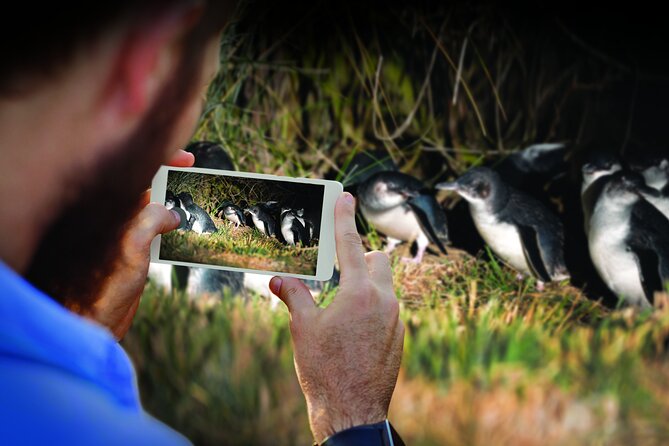
That rotation is especially helpful for photography. People often don’t realize how much the angle changes with night viewing, even when the penguins are close. Here, photography is allowed with no flash, and guests report that the lighting works well enough to share the experience without blasting the animals or ruining your photos with dark silhouettes.
If you’re hoping for extras, keep your eyes wide. You might also spot fur seals, sea lions, and albatross while you’re waiting. Sometimes the sea can get busy, and that can add drama to what’s already happening at the shoreline.
Also worth knowing: the guides can point you toward when each group is arriving. There are moments when everyone seems to go quiet, then you realize the penguins are coming up right on schedule. That rhythm is what makes this feel like more than just a photo stop.
More seal and penguin encounters in Dunedin and The Otago Peninsula:
- Wildlife and Penguin Tour
★ 5.0 · 27 reviews - Oamaru: Penguins Evening Viewing Ticket
★ 4.5 · 682 reviews - Dunedin: Wildlife and Penguin Tour
★ 4.6 · 239 reviews - Albatross, seals, and sea birds-Wildlife Cruise
★ 5.0 · 189 reviews
Photography Rules That Matter (And How to Actually Use Them)
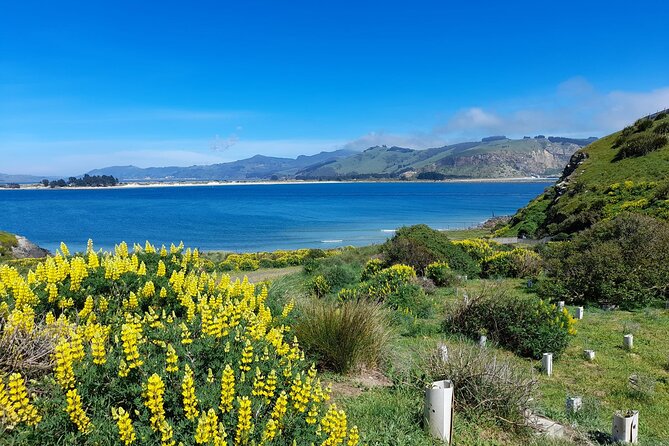
I love tours that let you photograph, but they also need clear rules so the animals stay safe. Here, the rule is simple: photos are allowed, no flash. That’s a big deal on a night tour. Flash makes your photos pop for you, but it can stress wildlife, and it also ruins the “natural night” feeling.
The platform and lighting setup also helps. Guests consistently describe lighting as working well for night viewing, especially compared to experiences where everything feels too dark to capture anything but blur.
Here’s how you get the best results without getting in the way:
- Turn off flash before you arrive.
- Use your phone’s night mode or camera settings you already trust, then focus on timing, not perfection.
- Keep your body where you’re asked to stand. The guides rotate groups, and your freedom to move is tied to what keeps the line flowing.
If you’re traveling with a camera person who wants long lenses, don’t worry. Even without specialist gear, being close helps a lot. The most common “wow” moments come when you’re watching the penguins move, not just when you’re capturing them standing still.
Dress for Wind, Cold, and a Long Wait Outside
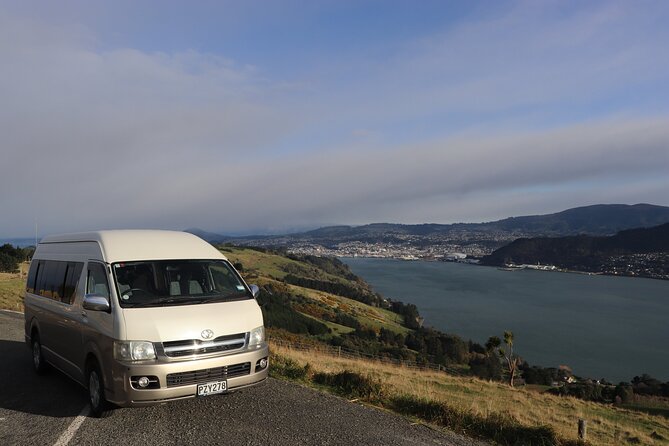
This is where planning pays off. Otago Peninsula can be brutally chilly at dusk. In guest feedback, the phrase “very cold and windy” comes up a lot, and it’s not exaggeration. You’re waiting outside while the colony does its business.
So dress like you’ll be outside longer than you think. Bring:
- Warm, windproof layers
- A hat or hood
- Gloves
- A rain jacket, especially because umbrellas are not allowed
One person mentioned hot drinks like coffee and hot chocolate are available during the viewing time. That helps, but it’s still cold if you show up underdressed. Treat hot drinks as a bonus, not a substitute for proper layers.
One more practical detail: the experience can run late enough that it affects driving afterward. A guest warned that the road back can feel intimidating at night if you’re not used to New Zealand roads. Nothing here is described as unsafe, but you should respect that it’s dark, you’ll be tired, and you’ll be driving yourself.
Wildlife Odds, Expected Penguin Counts, and What You’ll See
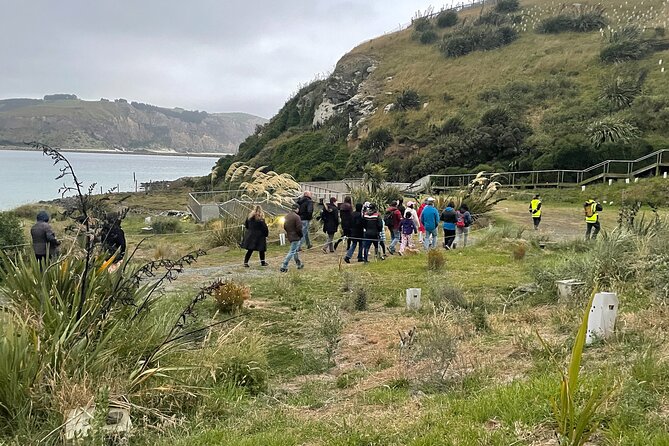
The tour is built around the largest local colony on the Otago Peninsula. That means your odds are generally good, but nature is nature. The operator also sets expectations by season, with 10 to 80 penguins on typical nights in non-breeding months (February to August) and more in summer.
You’ll know the experience is “on” when you see the sequence: penguins coming in from the water, then the waddle up the beach. Guests describe seeing around 100 penguins on some nights, and on busier evenings it can feel like the shoreline is alive.
If you’re wondering what happens in the wild, here’s the answer: you’re watching them navigate, not performing for them. That’s why patience matters. The best view is often the one you get after the first wave passes and you see how they spread out across the beach route to their nesting areas.
Other wildlife can add surprises. One guest described seeing about 100 penguins make it past two sea lions rough-housing in the surf line. You might not get that exact scene every night, but it captures the reality of the coast at dusk. The penguins are not alone, and part of why this works is that the guides know how to interpret what you’re seeing.
Also, this is up-close without being disruptive. That “close but controlled” vibe comes up repeatedly in guest notes. You get the sense that rules are there for a reason, and the guides enforce them without killing the fun.
Value for $34.13, and Why the Small Extras Add Up
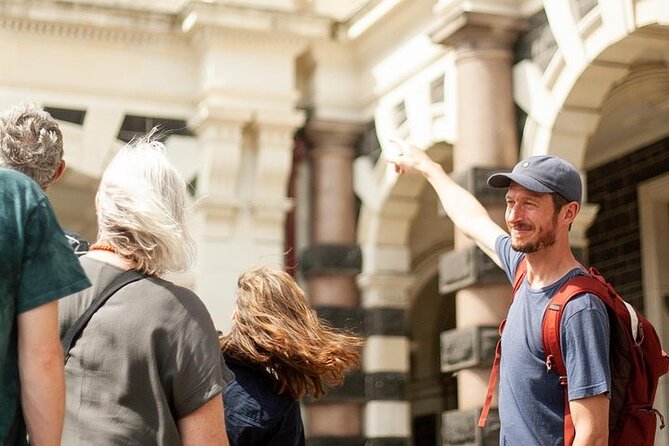
Let’s talk value, because price alone doesn’t tell the story. At $34.13 per person, you’re paying for a 90-minute guided evening experience in a place that is famous for little blue penguins. You’re also getting multiple layers of value at once:
- A guided talk that gives you context for behavior and the site
- An organized viewing platform with group rotation
- No-flash photography so you can capture the experience
- A chance to see other wildlife like seals and albatross
The group size cap is 75 travelers, which helps you feel like it’s manageable. It’s not a private tour, but it also isn’t a cattle-line vibe. The guides’ job is to rotate you and keep the viewing flow, and that’s part of what makes the “everyone sees them” feeling happen.
I also like that the experience includes all fees and taxes, and you get a mobile ticket. It sounds small, but less friction on travel nights matters.
If you want to be practical: plan this as one key evening on your Dunedin and Otago Peninsula schedule. This isn’t just an add-on. It’s the kind of activity that makes the rest of the peninsula feel richer because you understand what you’re looking at.
Should You Book This Penguin Evening Viewing?
If your goal is close, educational, and photo-friendly penguin viewing, I’d book it. The biggest strengths are the setup that keeps penguins undisturbed, the guides who explain what matters, and the fact that you can take photos without flash and still get good night results.
You should also consider booking if you like nature tours where you’re not just watching. You’re learning how and why the animals move, and you’re seeing the colony as part of a living coastal ecosystem.
Skip it or choose a different option if stairs and cold weather are issues for you. The walk includes over 60 steps, and you must be able to walk unaided. Also, it’s outdoors for about 90 minutes, so you’ll want strong cold-weather gear.
Finally, if you’re trying to time your visit well, aim for the season that matches your goal. Summer can bring bigger numbers. February through August can still be excellent, just with fewer penguins each night.
FAQ
How long is the guided evening penguin viewing?
It runs for about 1 hour 30 minutes.
Where does the tour start?
The meeting point is at Blue Penguins Pukekura, 1245 Harington Point Road, Harington Point 9077, New Zealand.
Do I need a car to get there?
Yes. The tour does not provide transport, so you drive yourself to the reserve.
Can I take photos during the tour?
Yes. Photography is allowed, and flash is not allowed.
Are umbrellas permitted if it’s wet?
No. Umbrellas are not allowed, so you should bring a rain jacket if the weather is bad.
How much walking is involved?
You walk about 300 meters along a gravel path and boardwalk.
Is the boardwalk accessible for people with mobility issues?
There are over 60 built-in steps on the boardwalk, and you must be able to walk unaided.
How many penguins might I see?
The tour expects up to around 200 blue penguins on some nights. In the non-breeding months (February to August), the expectation is between 10 and 80 penguins each night.
What other wildlife could appear during the viewing?
You may also see wildlife such as fur seals, sea lions, and albatross.
What happens if penguins are scarce that night?
The information provided states a 30% refund is available if fewer than 5 penguins are seen.
More Evening Experiences in Dunedin and The Otago Peninsula
- Te Puia: Te Pō Indigenous Evening Experience – Haka + Dinner
★ 4.7 · 350 reviews - Tauranga: Evening Glowworm Kayak Tour
★ 5.0 · 311 reviews - Auckland: Night Kayak Tour in Glowing Bioluminescent Waters
★ 4.9 · 259 reviews - Tauranga: Evening Glowworm Kayak Tour
★ 4.8 · 206 reviews
Just added near Dunedin and The Otago Peninsula
- Larnach Castle & Otago Wildlife Cruise from Dunedin★ 5.0 · 66 reviews
- Wildlife and Penguin Tour★ 5.0 · 27 reviews
- Quickie Tours 1 Hour City Sights Tour Cruise Ship days Only★ 4.5 · 6 reviews
- Twilight at the Opera★ 5.0 · 5 reviews
- Dunedin City – Settlers & Voyages Tour★ 5.0 · 13 reviews
- Shared Small Group Dunedin City and Peninsula Scenery Day Tour★ 5.0 · 5 reviews
- Southern Skies Stargazing Tour in Dunedin★ 5.0 · 62 reviews
- Private Dunedin & Otago Peninsula Day Tour Up to 4★ 5.0 · 6 reviews
Seal & Penguin Encounters, compared.
Albatross, seals, and sea birds-Wildlife Cruise
Read our review →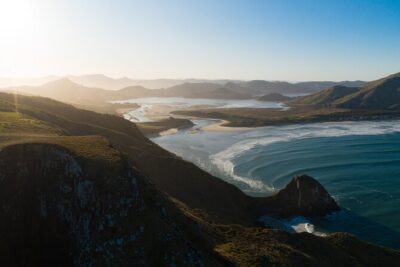
Otago Peninsula In-Depth Tour & Blue Penguins Pukekura Experience
Read our review →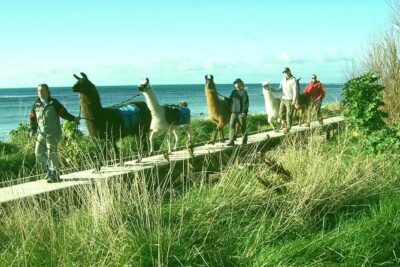
Llama Trek (Half-day) – Kaikoura Bay, Beaches & Seal Colony
Read our review →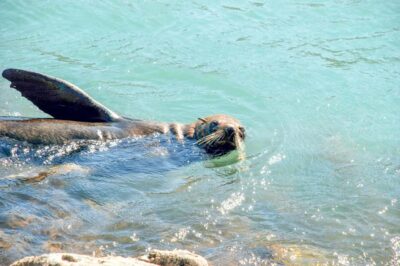
Pohatu Penguins Scenic Nature 2-Hour or 4-Hour Tour
Read our review →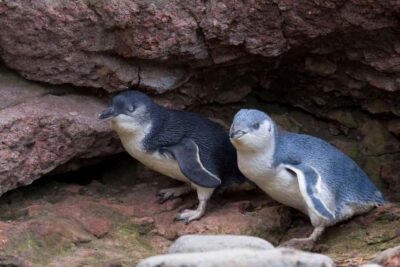
Pohatu Little Penguins 3-Hour Evening Experience
Read our review →
Dunedin Wildlife Cruise-Albatross, seals and harbour
Read our review →Browse the lists this tour appears in