
REVIEW · SEAL & PENGUIN ENCOUNTERS
Otago Peninsula In-Depth Tour & Blue Penguins Pukekura Experience
Blue penguins walk right past you at dusk. This Otago Peninsula tour mixes an in-depth look at wildlife, botany, geology, and human history with a blue penguins viewing at Taiaroa Head. I especially love the up-close penguin behavior you can actually watch and photograph. I also like that the drive is part of the experience, not just transportation. The main drawback is that it gets cold after dark, and the penguin platform involves stairs and a bit of walking.
You start with pickup offered in Dunedin, and you stay in a small group, max 11 travelers for the full tour. That matters because you get more time for questions and you are not packed in like a city bus. I also like the mission side of it, this is run by a charitable trust focused on protecting the Otago Peninsula’s biggest penguin colony. There is even a penguin-spotting safety net, with a 30% refund offer if fewer than five penguins are seen (booking details depend on where you reserve).
Once you reach the penguin viewing area, the rules are simple: photography is allowed, but no flash. You also cannot bring umbrellas onto the platform for eye safety. It is a mobile ticket experience, and you will be outside for most of the show, so pack warm layers.
In This Review
- Key highlights you should care about
- Dunedin start point and how the tour actually gets rolling
- The Otago Peninsula drive: geology, botany, and why your guide matters
- Taiaroa Head: a significant Māori site and an active wildlife reserve
- The Blue Penguins Pukekura Experience: what close viewing feels like
- Wildlife extras: seals, albatross, and the joy of seasonal surprises
- Guides and storytelling: the part that turns a drive into a memory
- Timing and comfort: the late-night return and how to pack smart
- Price and value: what $102.39 buys you, and what you should check
- Who should book this Otago Peninsula and Pukekura tour
- FAQ
- FAQ
- How long is the Otago Peninsula in-depth tour with Blue Penguins?
- Where do we meet in Dunedin?
- How old do kids need to be?
- Is there walking and stairs at the penguin viewing platform?
- Can I take photos during the penguin experience?
- Are umbrellas allowed on the penguin viewing platform?
- What happens if fewer than five penguins are seen?
- Should you book this tour or choose something else?
Key highlights you should care about
- Close-up Blue Penguins at Taiaroa Head, with photography allowed and no flash
- A pre-show Otago Peninsula education, built around geology, botany, zoology, and human history
- Small-group touring on the peninsula (max 11), then a bigger viewing group for the penguins (up to 75)
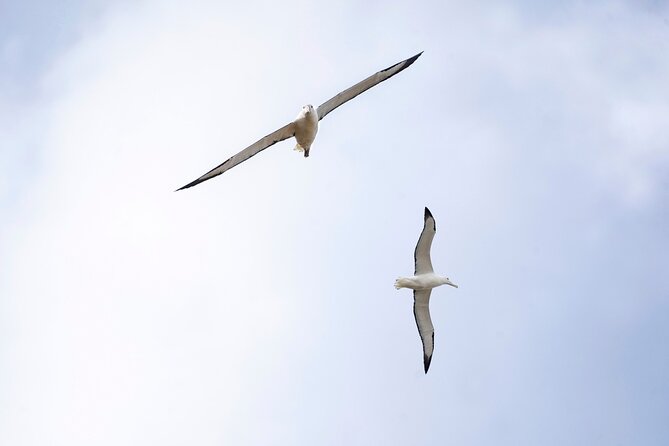
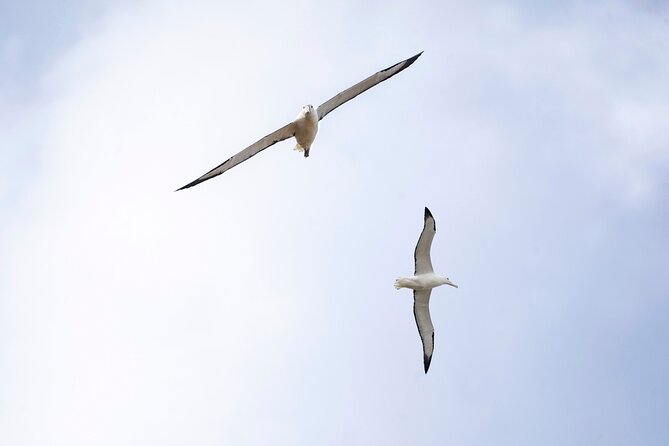
- Wildlife viewing chances, including seals nearby and albatross overhead (seasonal)
- A charitable trust focus on protecting the colony at Pukekura
- A penguin-spotting refund offer if fewer than five penguins are seen
Dunedin start point and how the tour actually gets rolling
The meeting point is the Dunedin i-site at 50 The Octagon, right in central Dunedin. If you booked pickup, you are collected from your accommodation area and taken out from the city. Either way, the point is the same, you get on the road without having to figure out the Peninsula routes yourself.
The early part of the trip is designed to get you oriented. You pass some of Dunedin’s famous buildings, then start moving toward the Otago Peninsula where the scenery and wildlife shift fast. It is not long, but it helps you settle into the evening plan before you get to Taiaroa Head.
More Seal & Penguin Encounters in Dunedin & Otago
- Guided Evening Penguin Viewing Otago Peninsula, Dunedin, New Zealand
★ 5.0 · 471 reviews - Dunedin Wildlife Cruise-Albatross, seals and harbour
★ 5.0 · 115 reviews - Dunedin City Highlights, Otago Peninsula Scenery & Albatross Guided Tour
★ 5.0 · 41 reviews
The Otago Peninsula drive: geology, botany, and why your guide matters
This is not just scenic driving. The peninsula portion is built as an in-depth tour of geology, human history, botany, and zoology, guided by people who know the area well. The route was designed by Lyndon Perriman, a former wildlife ranger who worked there for 30 years.
What I like about this format is that it gives you mental hooks. When you spot birds, plants, or coastline features, you are not watching them in a vacuum. You get the story behind what you are seeing, including how the Peninsula environment supports wildlife.
You also get practical photo moments along the way. You can stop at viewpoints, and the guide will point out what to watch for, including the kinds of birds that can show up overhead. If you care about ecology, this part can feel almost like a lecture with fresh air, and it sets you up for the penguins later.
Taiaroa Head: a significant Māori site and an active wildlife reserve
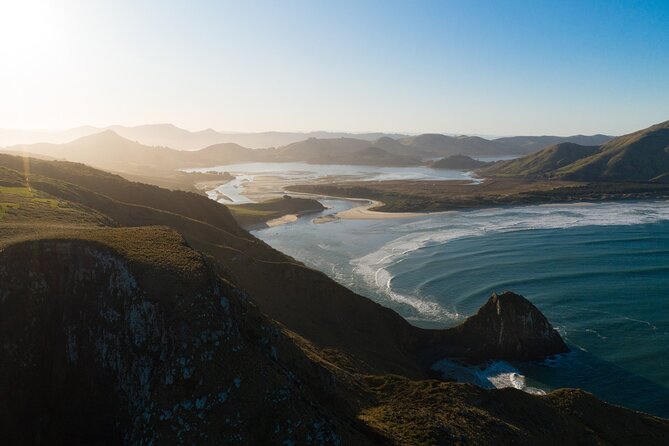
Taiaroa Head, also known for Pukekura, is the end of the Otago Peninsula. It is significant to Māori, and it is also a wildlife reserve that puts protection first. Your guide brings you to cliff viewing locations so you can take in the area before the main penguin experience.
I like that this part frames what you are about to see as wildlife, not entertainment. The penguins are living in their habitat, and your role is observer. That mindset pays off later when you are watching a real return to burrows at dusk.
From a logistics perspective, this timing matters too. You arrive in the right window so you are ready when the penguins come in from the sea, and you are not trying to scramble for warmth once it is dark.
The Blue Penguins Pukekura Experience: what close viewing feels like
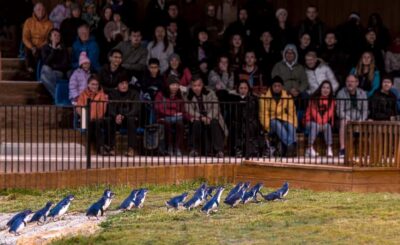
This is the star of the night, the Blue Penguins Pukekura Experience at Taiaroa Head. This is where you wait for the world’s smallest penguin to emerge from the sea and walk past you to their burrows. The viewing happens at dusk and continues after dark, so your evening needs to stay flexible and weather-aware.
You join others for the penguin portion, and the viewing group can be up to 75 people. That is a key detail for your expectations. The overall tour stays small, but the penguin viewing area is shared, which is why rules exist and why organization matters.
Photography is allowed during the experience, but there is no flash. That is a good rule, and it also helps you avoid blasting light into a sensitive environment. If you want photos, bring a camera that performs well in low light, and get comfortable shooting from where you are positioned.
Also note the platform reality. You need to be able to walk about 300 meters unaided and manage stairs, around 60 stairs on the built walkway leading to the viewing platform. You will be outside for much of the show, so a proper warm jacket is not optional in a practical sense. One of the most consistent lessons from this experience is simple, dress like it is cold, because it is.
One more important detail: you cannot use umbrellas on the viewing platform due to eye risk to others. Plan for rain or wind without relying on one. A warm rain layer and a hood usually makes more sense than bringing an umbrella into a tight viewing zone.
More seal and penguin encounters in Dunedin and The Otago Peninsula:
- Wildlife and Penguin Tour
★ 5.0 · 27 reviews - Oamaru: Penguins Evening Viewing Ticket
★ 4.5 · 682 reviews - Dunedin: Wildlife and Penguin Tour
★ 4.6 · 239 reviews - Albatross, seals, and sea birds-Wildlife Cruise
★ 5.0 · 189 reviews
Wildlife extras: seals, albatross, and the joy of seasonal surprises
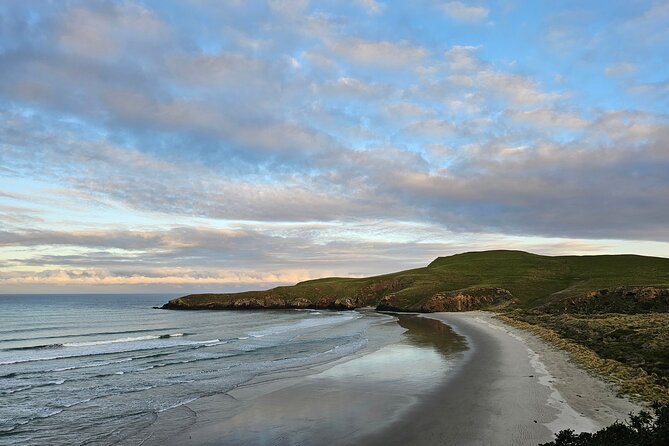
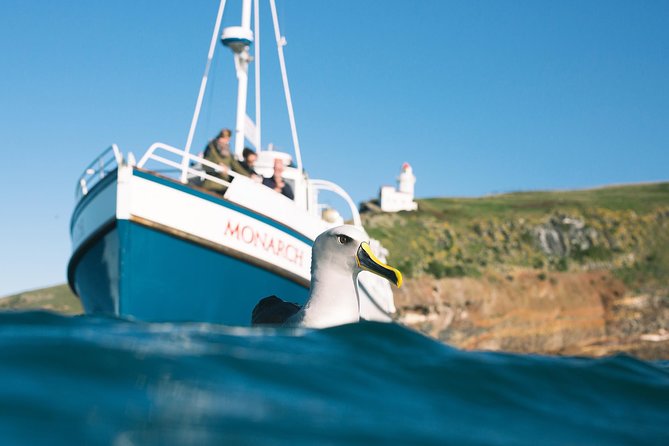
The tour builds in chances to spot wildlife beyond the penguins. Along the way, you may see seals nearby and albatross flying overhead. The guides also keep an eye out for other birds and wildlife as you travel.
What I like about this is that it gives you a reason to pay attention even if the penguin timing feels slower than you hoped. On some nights, you get fewer aerial birds depending on conditions. Still, you are usually not just sitting around waiting in silence.
If you love bird behavior, this is also a good pairing. You are learning what to look for while you are moving, then you end the night with penguins returning from the sea. It turns a single highlight into a whole wildlife evening.
Guides and storytelling: the part that turns a drive into a memory

The most praised part of this experience is the guide delivery. People consistently highlight guides who are enthusiastic and who connect the dots between wildlife, history, and the landscape. Names that show up in the guide credits include Danni, Danny, Jono, Jonathan, James, Shaun, and Sian.
I would not plan your trip around getting a specific person. Still, it is worth knowing what to listen for. You are looking for a guide who points out wildlife without rushing past it, then explains what you are seeing in plain language. The best guides also manage the group well in low light, so you are not stuck watching the same view while everyone else gets the angle.
This is also why the tour feels more than once-through. You get repeated chances to stop, look, and ask questions. Even if the penguins are the reason you booked, the peninsula portion can become the reason you tell people you learned something.
Timing and comfort: the late-night return and how to pack smart
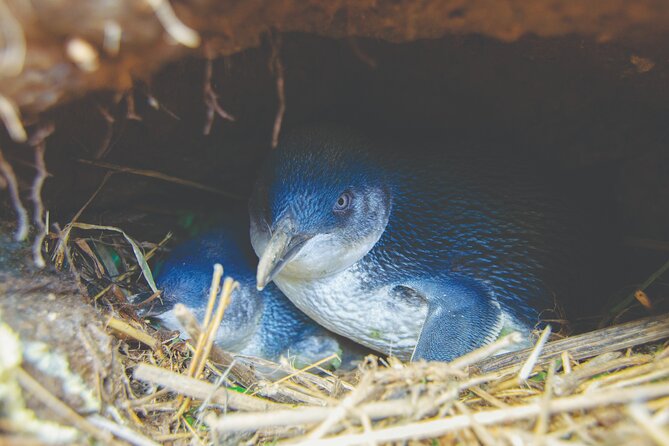
This tour runs about 5 hours in total. The penguins are the dusk and after-dark event, so you are committing to an evening experience. In practice, you should expect a late finish and a return to Dunedin close to midnight, depending on how things line up that night.
Comfort is not a luxury on this itinerary. You sit in a vehicle during the drive, then you are on your feet during the viewing process. Bring warm clothes because the air gets colder after dark. A hat helps too, especially when you are waiting outside.
If you get motion sickness, plan for it. Small details can matter on winding roads at night. One traveler mentioned sitting in the front of the van helped, so ask if that is an option when you board.
Finally, bring the right mindset. Waiting is part of penguin viewing. When the penguins arrive is not something you control. The upside is that when they do come in, the payoff is hard to beat.
Price and value: what $102.39 buys you, and what you should check
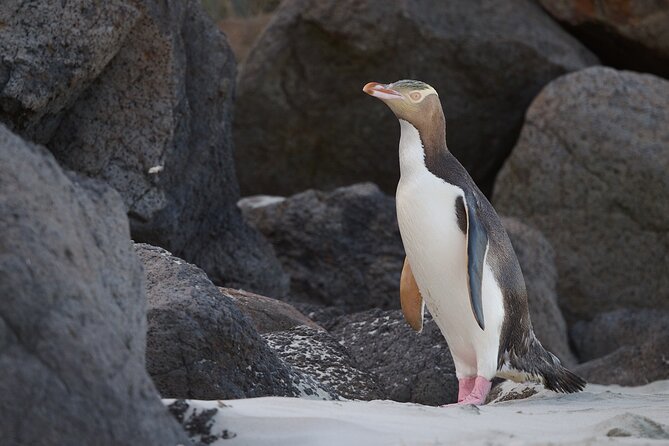
The price is $102.39 per person. On paper, it sounds straightforward, but the value comes from how the time is used. You are not paying only for a viewing ticket. You are paying for a guided peninsula education, transport with pickup, and an organized penguin viewing experience at Taiaroa Head.
Two value boosters stand out. First, the small group on the main tour, max 11 travelers, gives you a more human experience. Second, you get the charitable trust mission behind the reserve protection, which turns your money into support for conservation work.
Then there is the penguin-spotting refund offer. The tour states a 30% refund if fewer than five penguins are seen. If you book through their own website, they mention a 50% refund. Before you commit, read your booking terms so you know which offer applies to your reservation.
Who should book this Otago Peninsula and Pukekura tour
Book this if you want a one-stop evening that combines education and wildlife viewing. It is ideal if you care about learning while you travel, and if you enjoy real animal behavior, not staged stuff. The small group also helps if you prefer a more personal guide experience.
This is also a strong match for couples and solo travelers. People who want a guided plan, plus a comfortable transport setup, tend to feel well looked after on this kind of night outing.
Think twice if your group includes young kids who may struggle with the physical side. Children must be at least 6 years old. Everyone needs to be able to walk about 300 meters unaided and manage stairs, around 60 stairs to the viewing platform. If that sounds like a stretch, you will have a better time choosing a different style of visit.
FAQ
FAQ
How long is the Otago Peninsula in-depth tour with Blue Penguins?
It is about 5 hours (approximately).
Where do we meet in Dunedin?
The start meeting point is the Dunedin i-site, 50 The Octagon, Central Dunedin, Dunedin 9016. Pickup is also offered.
How old do kids need to be?
Children must be at least 6 years old to participate.
Is there walking and stairs at the penguin viewing platform?
Yes. You need to be able to walk about 300 meters unaided and manage stairs, around 60 stairs on the walkway leading to the viewing platform.
Can I take photos during the penguin experience?
Photography is allowed, but there is no flash.
Are umbrellas allowed on the penguin viewing platform?
No. Umbrellas are not allowed on the viewing platform due to eye risk to others.
What happens if fewer than five penguins are seen?
The tour states they will offer a 30% refund if fewer than five penguins are seen, with a higher refund mentioned for bookings made through their own website.
Should you book this tour or choose something else?
I think you should book if you want the best mix of meaning and convenience in one evening: a guided Otago Peninsula overview plus real close-up Blue Penguins at Pukekura. The small-group touring on the Peninsula, combined with the organized late-night viewing, is a smart use of limited time in Dunedin.
Choose another option if you do not handle cold well, cannot manage stairs, or you want a low-effort outing. The penguins are worth it, but the route demands comfort with outdoor waiting and uneven timing. If that fits you, this is one of those New Zealand experiences where the details actually matter, and the payoff is right there, at dusk, when the penguins finally come ashore.
Just added near Dunedin and The Otago Peninsula
- Larnach Castle & Otago Wildlife Cruise from Dunedin★ 5.0 · 66 reviews
- Wildlife and Penguin Tour★ 5.0 · 27 reviews
- Quickie Tours 1 Hour City Sights Tour Cruise Ship days Only★ 4.5 · 6 reviews
- Twilight at the Opera★ 5.0 · 5 reviews
- Dunedin City – Settlers & Voyages Tour★ 5.0 · 13 reviews
- Shared Small Group Dunedin City and Peninsula Scenery Day Tour★ 5.0 · 5 reviews
- Southern Skies Stargazing Tour in Dunedin★ 5.0 · 62 reviews
- Private Dunedin & Otago Peninsula Day Tour Up to 4★ 5.0 · 6 reviews
Seal & Penguin Encounters, compared.
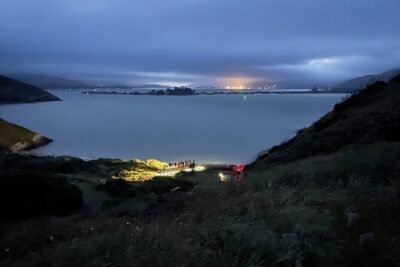
Guided Evening Penguin Viewing Otago Peninsula, Dunedin, New Zealand
Read our review →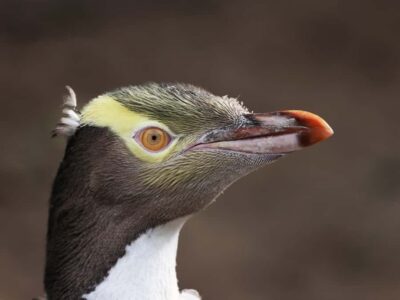
Albatross, seals, and sea birds-Wildlife Cruise
Read our review →
Llama Trek (Half-day) – Kaikoura Bay, Beaches & Seal Colony
Read our review →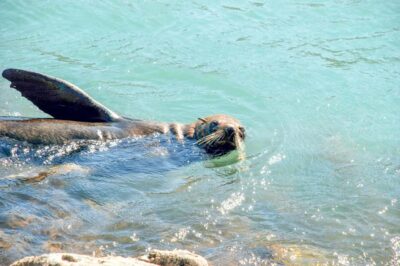
Pohatu Penguins Scenic Nature 2-Hour or 4-Hour Tour
Read our review →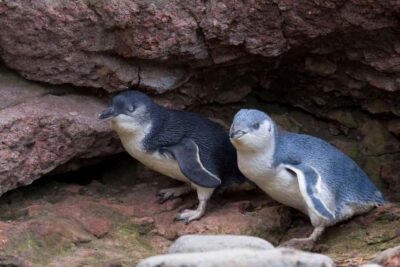
Pohatu Little Penguins 3-Hour Evening Experience
Read our review →
Dunedin Wildlife Cruise-Albatross, seals and harbour
Read our review →Browse the lists this tour appears in