
REVIEW · STARGAZING TOURS IN MOUNT COOK & LAKE TEKAPO
Twizel: Stargazing Tour with an Astronomer and Telescope
The night sky in Twizel feels close.
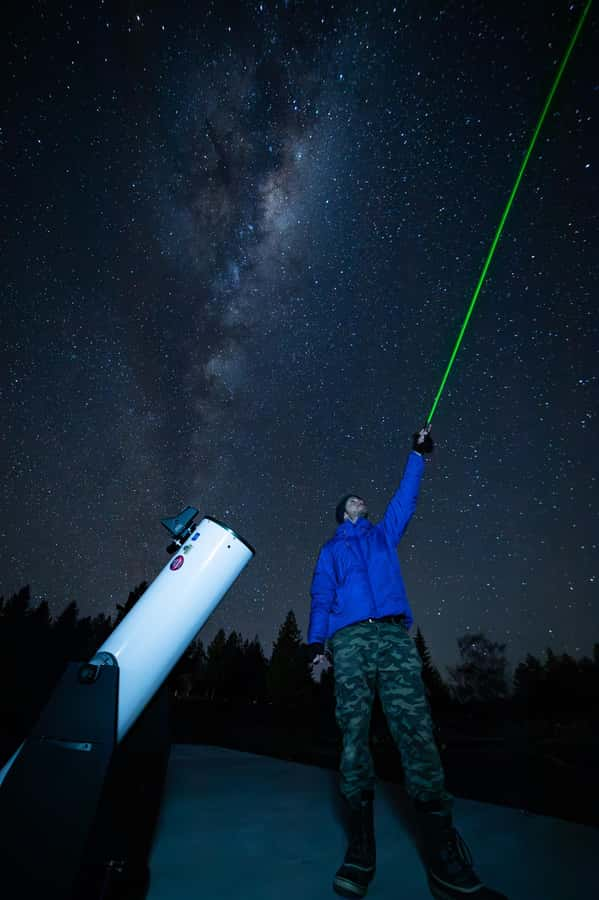
I like that this tour is run in the Aoraki Mackenzie International Dark Sky Reserve with laser-guided pointing, so you spend your time looking up, not guessing. I also like the mix of science talk plus real telescope observing, with the chance to see standouts like the Milky Way, Orion, Jupiter, and Saturn up close.
One big consideration is the cold. Even in warmer months, you are outdoors under clear skies, and you’ll want warm layers, hat, and gloves to enjoy it comfortably.
In This Review
- Key highlights you should care about
- Twizel’s Dark Sky Reserve: the real reason the stars look different
- The 75-minute flow: laser pointing, then telescope time, then your astrophoto
- Laser-guided sky tour: learning constellations and planet stories fast
- Telescope observing: planets, clusters, nebulae, and galaxies on the right night
- The personal astrophoto: a small souvenir with real emotional impact
- Dan’s guiding style: science with calm, clear explanations
- Comfort and cold-weather reality: blankets help, but you still need layers
- Price and value: why $59 can feel fair for what you get
- Who this tour suits best, and who might want to adjust plans
- Weather, timing, and expectations that keep you happy
- Should you book Stargazing in Twizel with an astronomer?
- FAQ
- How long is the stargazing tour in Twizel?
- What is included in the experience?
- Where do I meet the guide?
- What should I bring?
- Is flash photography allowed?
- Is this tour dependent on weather?
Key highlights you should care about
- Dark sky setting in the Aoraki Mackenzie International Dark Sky Reserve, designed for minimal light pollution
- Laser-guided session that helps you identify constellations and planets fast
- Telescope observing of whatever is best that night, including targets like planets, nebulae, star clusters, and galaxies
- Qualified astronomer guide who explains what you are seeing in clear, engaging ways
- Personal astrophoto as a keepsake at the end
- Small group size of up to 10 people for a more relaxed, intimate feel
Twizel’s Dark Sky Reserve: the real reason the stars look different
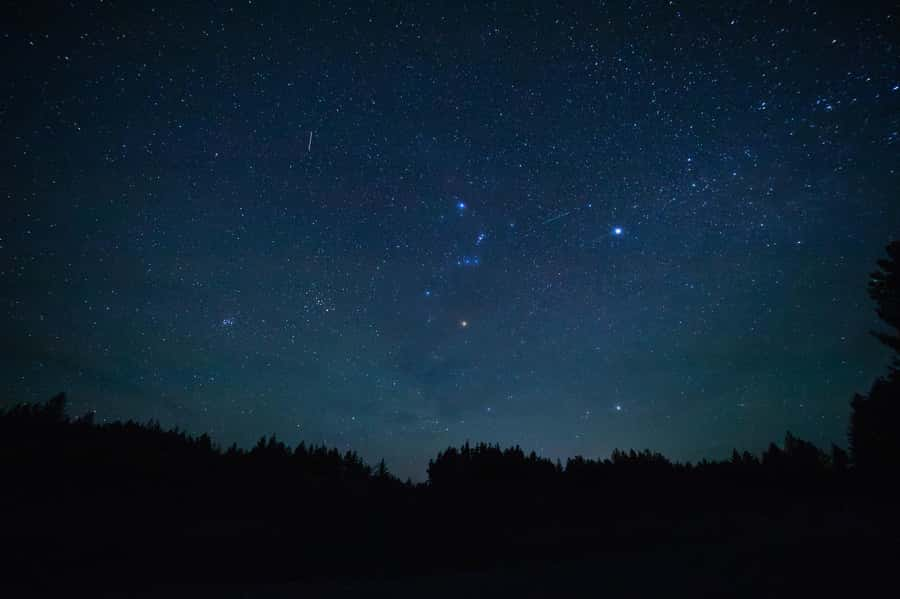
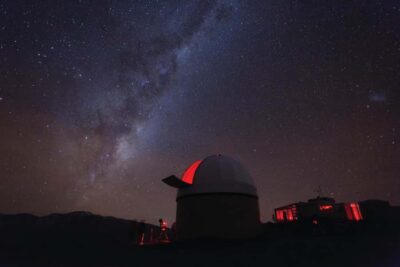
Twizel sits in one of New Zealand’s best viewing regions for a reason: the Aoraki Mackenzie International Dark Sky Reserve is built around cutting light pollution, so the sky stays dark enough for faint objects to show. On a good night, the view is not just pretty. It is detailed in a way that makes you pay attention to the shape of things you normally only see as dots.
This matters because stargazing tours can fall into two types. Some are mostly show-and-tell, with big claims and limited time at the eyepiece. This one is built around a science-focused flow. You get guided identification first, then telescope time for objects the guide can explain in context.
If you are the type who wants to understand what you are looking at, the setting plus the structure is a strong match. If you just want photos, you still get plenty, but you’ll likely enjoy it more once you know what each bright point actually is.
More Stargazing Tours in Mount Cook & Lake Tekapo
- Lake Tekapo: Alpine Stargazing Experience with a Guide
★ 4.5 · 626 reviews - Lake Tekapo: Stargazing Experience
★ 4.9 · 607 reviews - Chameleon Stargazing Shared Tour
★ 5.0 · 181 reviews
The 75-minute flow: laser pointing, then telescope time, then your astrophoto
The whole experience runs for 75 minutes, and that time is used in two clear phases.
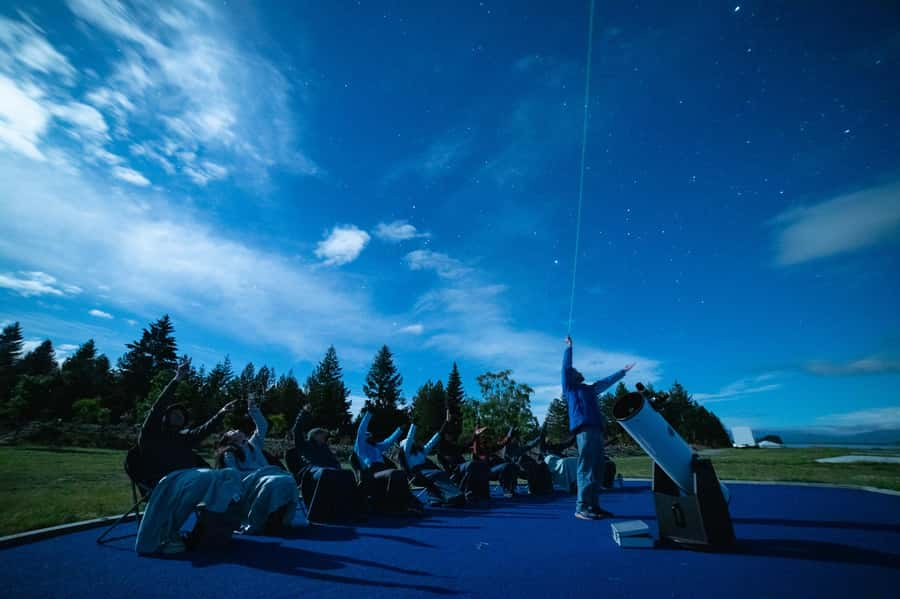
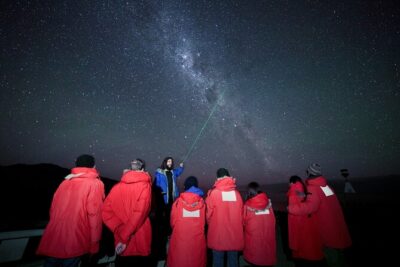
First comes the laser-guided sky tour. You start outside in comfortable seating with blankets provided, then the astronomer points out what is visible that evening. Instead of random star names, the guide ties patterns and objects to the science behind what you are seeing.
Then you shift to telescope observing. The specific targets depend on what is currently visible in that season, but you should expect a mix such as planets, nebulae, star clusters, and galaxies. The guide stays with you through each object, explaining what stands out through the telescope view.
Finally, the tour ends with a personal astrophoto of you under the stars. For many people, this is the moment it clicks, because you are not just seeing space in theory. You’re part of the image.
Laser-guided sky tour: learning constellations and planet stories fast
The laser-guided part is more than a convenience. It is what keeps stargazing from turning into a guessing game.
During this phase, your astronomer guide will show you famous constellations and help you connect them to what is really happening in space. You also get planet spotting and scientific context, not just names. For example, you might learn why the night sky feels like a time machine, because the light you see left distant objects long ago.
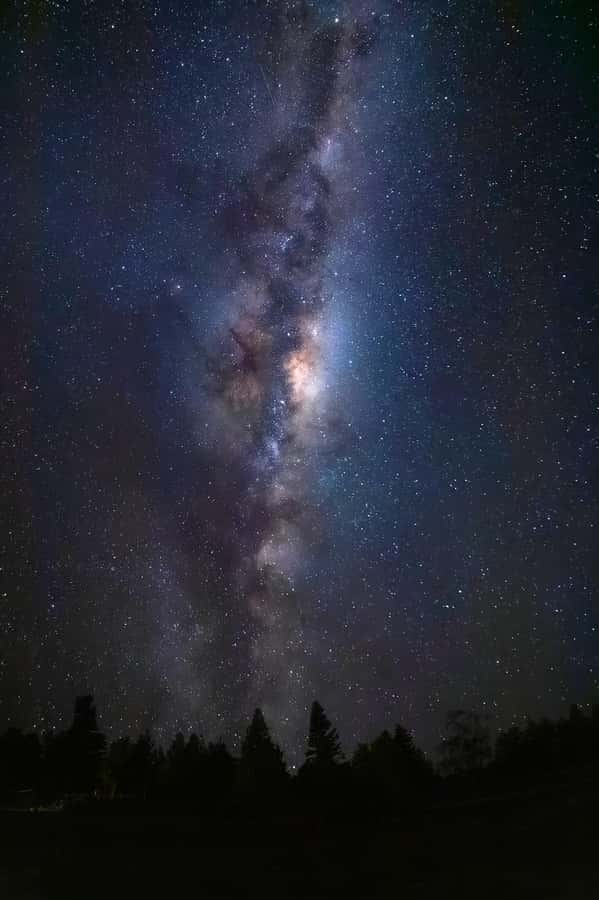
This is also where southern hemisphere viewpoints make a difference. Reviews highlight the Orion region and the Milky Way as big moments, and that fits the region well. If you are used to northern sky references from at home, this is where the sky starts to feel new again.
Practical tip: during the laser part, keep your head up and keep moving as the guide points. The faster you follow, the more you will notice patterns, brightness differences, and how objects relate to each other in the sky.
Telescope observing: planets, clusters, nebulae, and galaxies on the right night
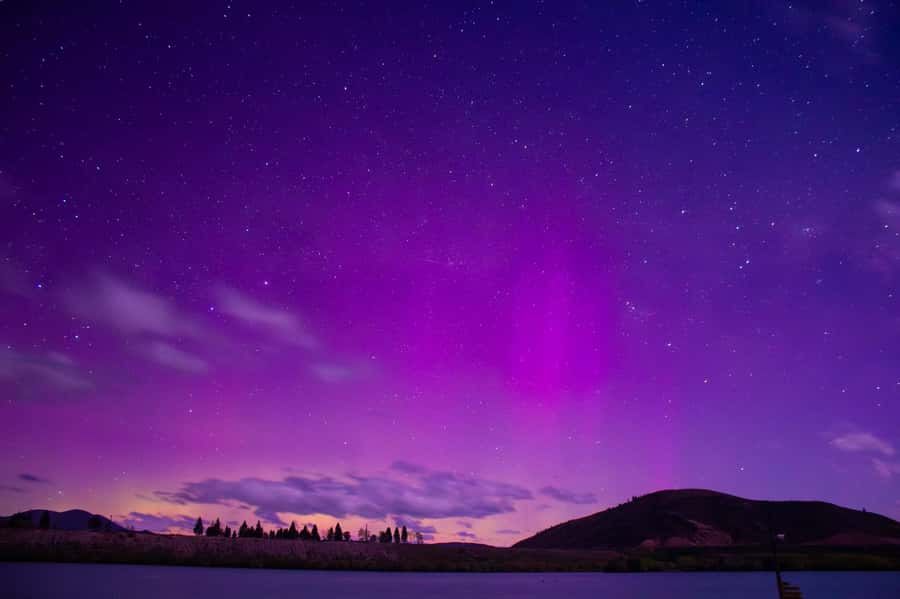
After the guided identification, you get the payoff through the telescope. This is the portion that most people remember, because the sky turns from familiar dots into actual resolved features, depending on the object and conditions.
What you can expect to be observing includes:
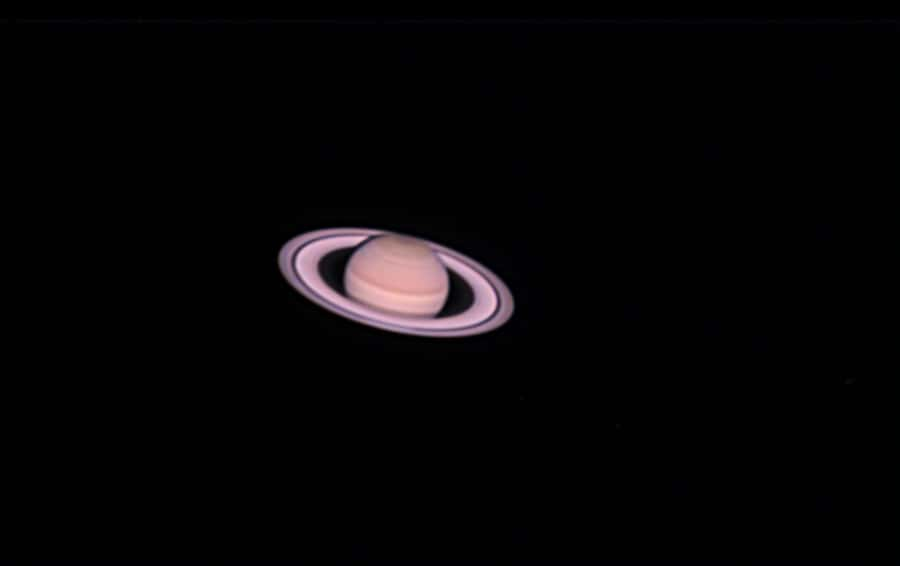
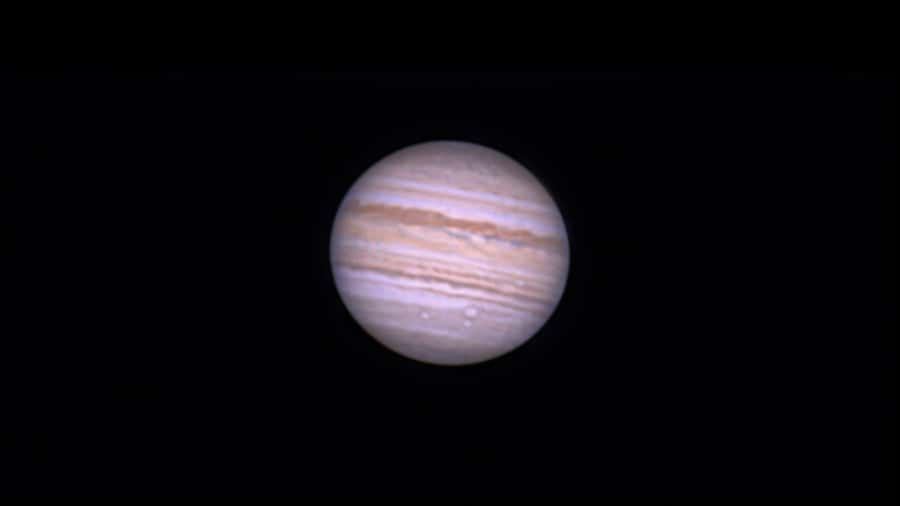
- Planets, with examples from guest experiences like Jupiter showing distinct bands and moons, and Saturn with ring views
- Deep sky targets such as nebulae and star clusters
- Galaxies, when they are visible and suitable for the night
Important detail: the guide tailors targets to seasonal visibility. That means you should not show up expecting the exact same lineup every night. Instead, think of it as a curated observation list based on the sky overhead that particular evening.
One more reason to like this approach: it avoids the usual problem where a tour points out one bright object and then rushes. Here, the guide gives explanations of what you are seeing as you look, so you get the science alongside the view.
More stargazing nights near Mount Cook & Lake Tekapo:
- Lake Tekapo: Mountaintop Stargazing at Mount John Summit
★ 4.5 · 176 reviews - Mount John Observatory Stargazing Experience, Tekapo
★ 4.5 · 160 reviews - Silver River Stargazing Experience in Lake Tekapo
★ 4.5 · 106 reviews - Stargazing Experience at Cowan’s Private Observatory
★ 4.0 · 85 reviews
The personal astrophoto: a small souvenir with real emotional impact
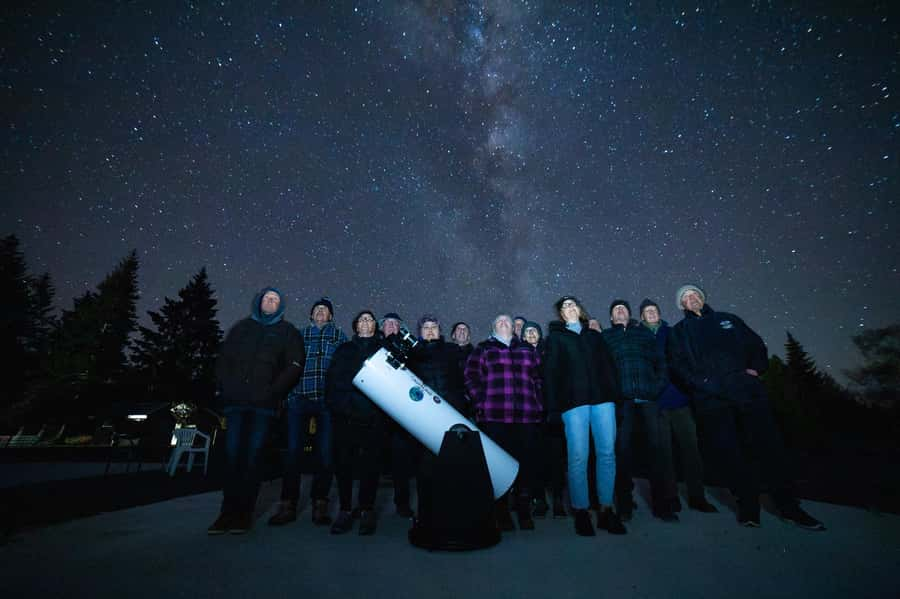
You end with a personal astrophoto taken during the stargazing session. This matters because astrophotography can feel inaccessible if you only ever see polished images online. Having someone capture you under the same dark sky you just experienced turns the memories into something you can keep.
Even better, multiple reviews talk about the photos as an unexpected bonus, with strong color and clarity. That suggests the process is not just a quick snapshot. It is done with care at the end when your viewing experience is fresh.
If you want the photo to come out well, dress for comfort. If you are shivering, you will hunch, and hunching is the enemy of good posing under a tripod.
Dan’s guiding style: science with calm, clear explanations
Your guide is an astronomer, and the name that comes up again and again is Dan. Guests consistently describe him as enthusiastic and passionate about astronomy, with explanations that feel clear and approachable even when the topics get technical.
What I take from those comments is that this is not a lecture you survive. It is a conversation you can follow. Reviews mention the guide making complicated concepts simple, and that is exactly what you want in a night-sky setting. The guide is doing two jobs at once: keeping your attention on what is overhead, and translating the science into language that makes sense in real time.
There is also a calmer vibe to the experience. One review describes the environment as peaceful, and that fits what a small group tour in a dark sky location should feel like. You are not competing with streetlights, traffic noise, or a crowd pushing past you to see the telescope.
Comfort and cold-weather reality: blankets help, but you still need layers
You sit outside in comfortable seating with blankets provided. That is a genuine plus, because you can enjoy the tour without immediately going into survival mode.
But do not rely on blankets alone. The region can get cold at night, even in summer. The best guest advice is straightforward: bring warm layers, plus a hat and gloves. If you only bring one warm layer, you will probably regret it. Gloves are a small item that saves the whole evening.
Also note these practical boundaries:
- You should arrive 5 minutes early for check-in
- There are no toilets on-site, so use facilities before you arrive
- Flash photography is not allowed
- Alcohol and drugs are not permitted
- Intoxication is not allowed
These rules are not there to ruin fun. They protect your night vision, the equipment, and the overall experience for everyone.
Meeting point heads-up: the guide meets you at the car park at the first left as you enter Lake Front Road, with the tour starting from 50 Kate Cameron Drive. Arriving on time is part of keeping the telescope schedule smooth.
Price and value: why $59 can feel fair for what you get
At $59 per person for a 75-minute tour, you are paying for a few specific things that matter in this niche:
- A qualified astronomer guide who explains science while you observe
- Telescope time and equipment use
- Laser-guided orientation so you actually understand the sky
- A personal astrophoto at the end
- A small group size, limited to 10 participants
In other words, you are not just paying for darkness. You are paying for guidance and access to observing tools. Reviews frequently highlight that the group feels intimate, sometimes even very small on specific nights, which makes the astronomy talk feel more personal.
Is it expensive compared to buying binoculars and doing it alone? Sure, if you were already set up for your own astrophotography and had the right sky conditions. But most people do not. They come to Twizel, want the sky to be dark enough, and want someone to translate it for them. That is what you’re buying.
My practical take: if you are on the South Island and you want one planned stargazing evening, this is a strong use of time because you get guided observing plus a photo keepsake in just over an hour.
Who this tour suits best, and who might want to adjust plans
This experience is a good match if you:
- Like learning what you see, not just spotting objects
- Want guided viewing that helps you recognize constellations and planets quickly
- Appreciate small-group attention at a dark sky site
- Care about having a photo taken under real night conditions
It is also suitable for wheelchair users, since it is listed as wheelchair accessible.
Age note: it is for ages 6 and above, and it is not suitable for children under 6. If you are traveling with kids, this makes it an option for older children who can sit through the full session comfortably in the cold.
If you dislike outdoor nighttime conditions or do not want to dress warm, the tour will feel harder than it should. The astronomy is worth it, but your comfort controls your enjoyment.
Weather, timing, and expectations that keep you happy
Tours run only in clear conditions. If the weather ruins the sky, you will be notified and offered a refund or reschedule. That is important because stargazing is atmospheric. Clouds or poor visibility can turn the experience into lots of conversation and not much sky time.
Plan to schedule this on a night you can be flexible with. If you are the type who hates uncertainty, you may want to build in more than one night for viewing plans during your Twizel stay.
Also, check your timing. Arrive early, dress for the chill, and do not over-plan dinner right before it. You’ll need a bit of patience when the sky is deciding whether it will cooperate.
Should you book Stargazing in Twizel with an astronomer?
I think you should book this tour if you want a dark sky experience with real guidance and actual telescope observing, not just a casual look. The combination of laser-guided orientation, telescope time for targets visible that night, and a personal astrophoto makes it feel like good value for the hours you spend.
Skip it or reconsider if you:
- Do not want to be outdoors for 75 minutes in cold conditions
- Expect guaranteed views of very specific objects every night (the targets depend on visibility)
- Are traveling with a child under 6
If you meet it halfway with warm clothing and a little flexibility, this is one of those activities that changes how you look up at the stars back home.
FAQ
How long is the stargazing tour in Twizel?
The tour lasts 75 minutes.
What is included in the experience?
You get a guided stargazing tour with a qualified astronomer, use of a powerful telescope, a laser-guided tour with science-based explanations, seating, and a personal astrophoto.
Where do I meet the guide?
A guide meets you at the car park on the first left just as you enter Lake Front Road.
What should I bring?
Bring warm clothing, since nights in the Mackenzie region can get very cold.
Is flash photography allowed?
No, flash photography is not allowed.
Is this tour dependent on weather?
Yes. Tours run only in clear conditions, and if the tour is cancelled due to weather you will be offered a refund or reschedule.
Just added near Mount Cook & Lake Tekapo
- West Coast: Eco River Safari in UNESCO World Heritage Area★ 5.0 · 8 reviews
- Skydive Mt. Cook – 45+ Seconds of Freefall from 13,000ft★ 5.0 · 14 reviews
- Skydive Mt. Cook – 20+ Seconds of Freefall from 10,000ft★ 5.0 · 5 reviews
- Mt Cook to Queenstown Small Group Tour (One-Way)★ 4.5 · 25 reviews
- Skydive Mt. Cook – 70+ Seconds of Freefall from 16,500ft★ 5.0 · 5 reviews
- Mount Cook Alpine Explorer Helicopter Flight with Alpine Landing★ 4.0 · 22 reviews
- Mt Cook & Lake Tekapo 2-Day Small Group Tour from Queenstown★ 5.0 · 15 reviews
- Mt Cook to Christchurch One-Way Small Group Tour via Lake Tekapo★ 5.0 · 16 reviews
Stargazing Tours in Mount Cook & Lake Tekapo, compared.
Mount John Observatory Stargazing Experience, Tekapo
Read our review →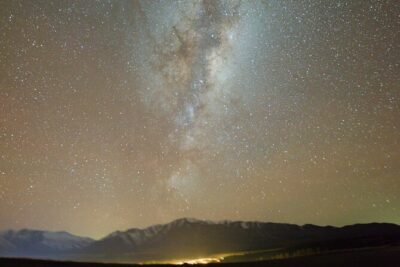
Silver River Stargazing Experience in Lake Tekapo
Read our review →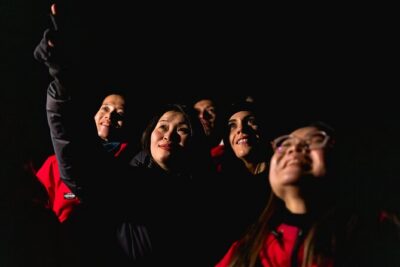
Stargazing Experience at Cowan’s Private Observatory
Read our review →
Dark Sky Indoor Maori Cultural Astronomy Experience
Read our review →Browse the lists this tour appears in