
REVIEW · STARGAZING TOURS IN MOUNT COOK & LAKE TEKAPO
Lake Tekapo: Mountaintop Stargazing at Mount John Summit
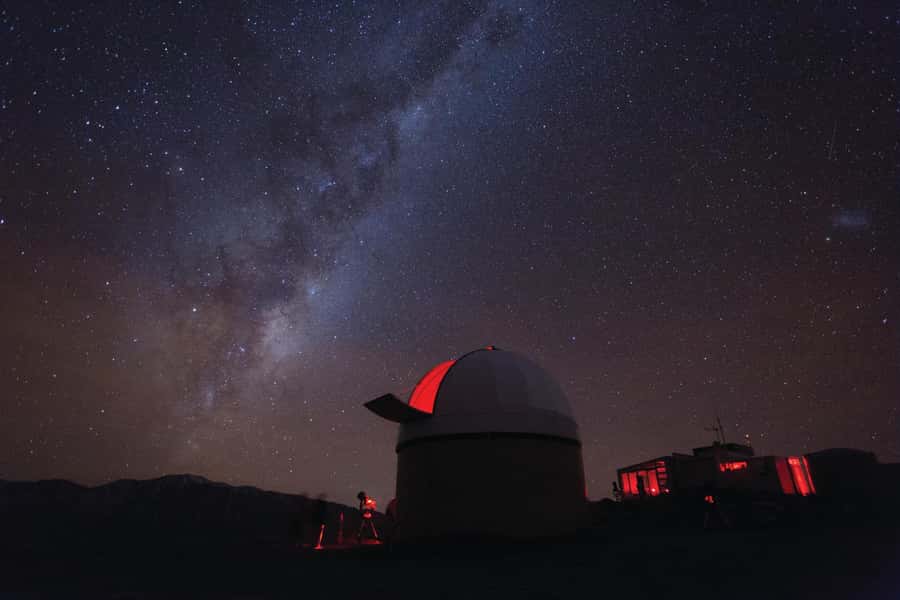
Your head is tilted straight at the stars. From the Mount John Summit above Lake Tekapo, the Southern Hemisphere sky feels close enough to touch. You start with guided star hunting and finish with telescope views, while the cold is handled for you.
I love the exclusive access to the summit inside a world-class dark sky area. I also love the teaching style, from handheld laser pointers that help you learn the sky to high-powered telescope sessions that show you real detail.
The main catch is that this is weather dependent and the moon can affect what you can see, especially the Milky Way. One more practical point, you’ll need to speak the tour language for Health & Safety reasons.
In This Review
- Key things that make this stargazing stand out
- Why Mount John over Lake Tekapo is so special for stargazing
- How the 105 minutes typically feels, from arrival to telescope views
- The Southern Sky you can actually learn to spot
- Telescopes, lasers, and the cold you can handle
- What the guides do well, and why it matters
- Price and value: where the $130 works, and where it might not
- Family-friendly, but read this before you book
- Weather, moonlight, and how to get the best possible night
- Should you book Mount John stargazing at Dark Sky Project?
- FAQ
- How long is the Mount John stargazing experience?
- Where do I meet for the tour?
- What languages are available on the tour?
- Do I need to speak the tour language?
- What should I bring or wear?
- Is flash photography allowed?
- What happens if the weather is bad?
Key things that make this stargazing stand out
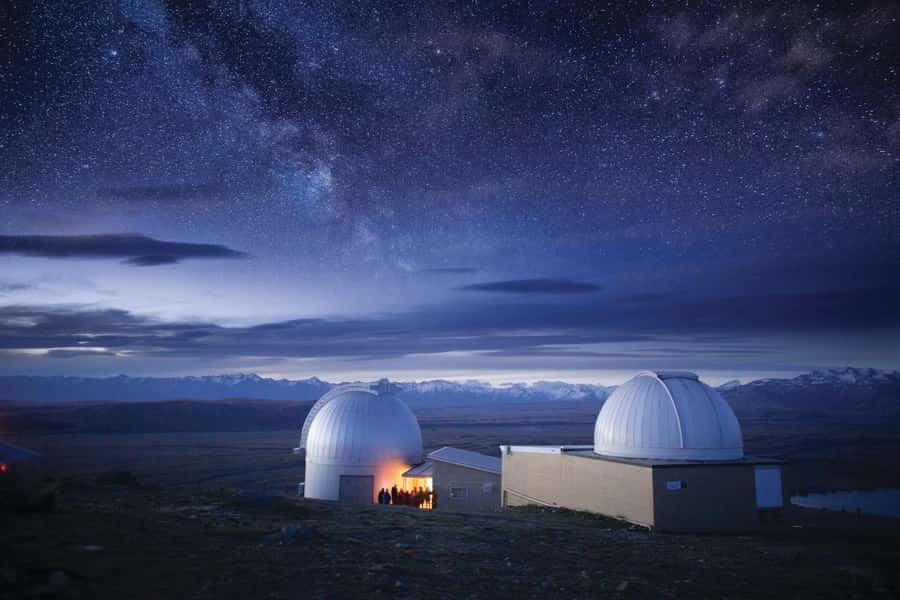
- Exclusive summit time on Mount John, not just a quick roadside stop
- Expert astronomy guides sharing practical ways to read the sky
- Telescopes plus naked-eye skills, so you leave knowing more than you arrived
- Extreme cold weather jackets included, since the summit gets seriously chilly
- Dark Sky setting near the University of Canterbury research centre
Why Mount John over Lake Tekapo is so special for stargazing
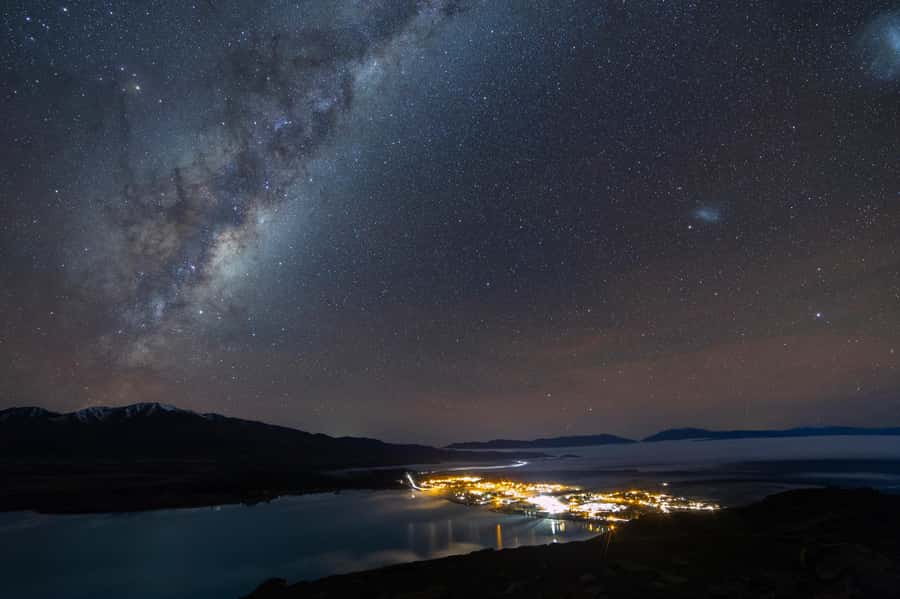
This part of New Zealand is famous for a reason. You’re above Lake Tekapo, looking out over one of the world’s best dark sky areas, the kind where the sky looks not just dark, but clean. Less haze means the stars appear sharper and the details through the telescope feel more dramatic.
Also, you are up on Mount John, at about 1,029 meters. That altitude helps. Nights tend to feel colder and steadier up there, which matters when you’re trying to see faint objects. If you’ve ever wondered why some photos look unreal, the answer is usually sky quality plus patience. This experience gives you both.
More Stargazing Tours in Mount Cook & Lake Tekapo
- Lake Tekapo: Alpine Stargazing Experience with a Guide
★ 4.5 · 626 reviews - Lake Tekapo: Stargazing Experience
★ 4.9 · 607 reviews - Chameleon Stargazing Shared Tour
★ 5.0 · 181 reviews
How the 105 minutes typically feels, from arrival to telescope views
You meet at the Dark Sky Project base on the Tekapo lakefront. Plan to check in at least 20 minutes before departure. That buffer is important because the night starts before it feels like the night. You want time to get your cold-weather jacket and get oriented before you head uphill in the dark.
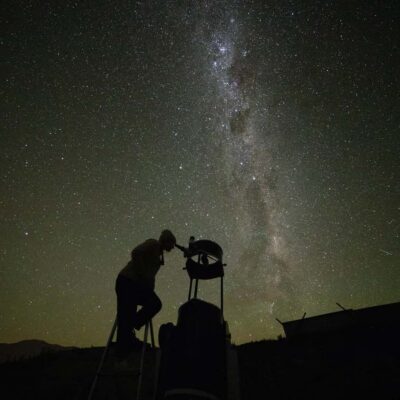
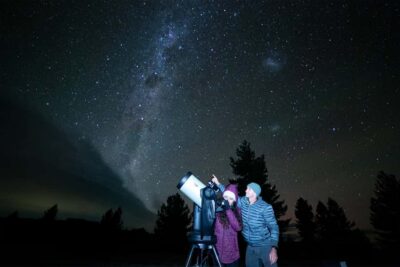
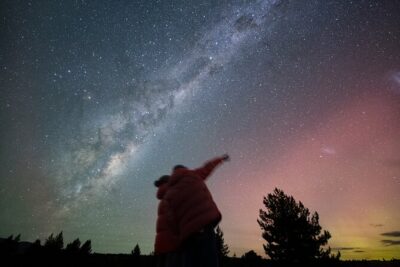
Once you arrive at the summit area, the experience runs at a good pace for a night activity. You’ll begin by exploring the Southern Skies with your naked eye, and the guide uses handheld lasers to point out targets. This is one of the best parts, because you’re not just watching, you’re practicing how to aim your attention. It also helps you understand what you’re seeing when the sky has layers, like bright stars versus faint stars versus diffuse features.
Then comes the payoff: high-powered telescope viewing. The guide shows you what the telescope reveals and connects it back to what you were just learning by sight. It’s not all gadgets, it’s guided recognition.
Finally, you return to the Mount John summit pickup with return transport from the Dark Sky Project Base. The whole session is about 105 minutes, so it’s long enough to feel like a real astronomy night, but short enough that the cold stays manageable.
The Southern Sky you can actually learn to spot
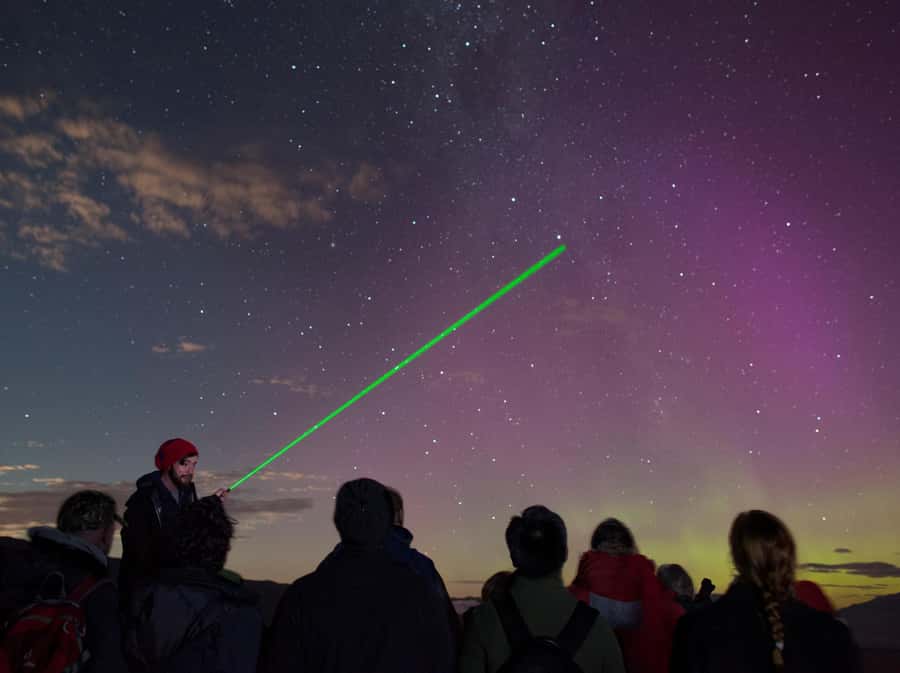
The tour is built around giving you a usable mental map of the Southern night sky. You start with broad targets, then you zoom in with a telescope. That order matters, because the sky can be confusing if you only ever see one tiny patch at a time.
One practical example from recent nights: the guide teaches you how to find the southern celestial pole. Once you can find it, a lot of other star patterns make more sense. You’ll also have chances to spot things like Alpha Centauri and Jupiter, depending on the evening. On some nights, guides have even helped people see Mercury through a telescope.
I also like the way the tour handles the gap between expectation and reality. A planet is only visible when it’s up, and constellations shift with the season. The guide’s value is that you’re learning how to work with what the sky is offering that night.
One more tip built into the experience: flash photography is not allowed. That’s not just a rule, it protects everyone’s night vision and keeps the guiding process smooth. You may also be provided a lanyard torch to help you move without blasting your eyes with bright light.
Telescopes, lasers, and the cold you can handle
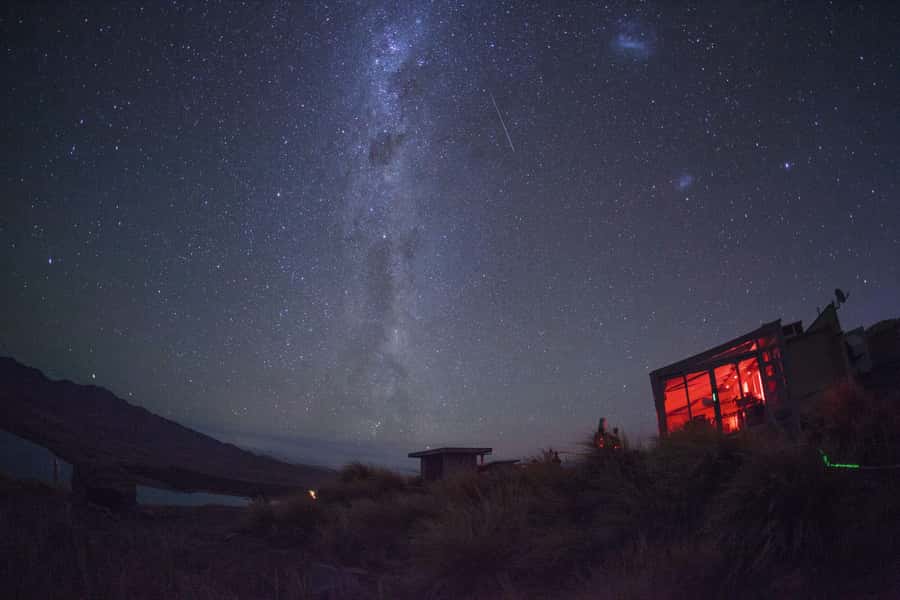
This is mountaintop stargazing, which means you’re not just cold, you’re cold in a place where wind and darkness can slow you down. The good news: the experience includes Extreme cold weather jackets, so you’re not relying on luck or your own clothing skills alone.
What that does for you is simple. You can focus on the sky instead of constantly adjusting layers or feeling tense about the temperature. Reviews mention people arriving, getting jackets, and settling in fast. The cold gear also helps with the short walking portions in the dark.
The walking requirement is not extreme, but you need to be comfortable with it. You should be confident walking about 100 meters on a gravel incline, and able to climb a couple of steps in the dark. If that’s not you, this tour isn’t going to feel good.
And while telescopes are the star of the show, the learning comes from the contrast between tools. The handheld laser pointers help you connect shapes you recognize with what you’ll later see magnified. Reviews also note that telescope images can sometimes feel close to naked-eye scale depending on what’s being shown and how conditions look. That’s not a failure of the guides, it’s how astronomy works. The sky is subtle first, dramatic after.
More stargazing nights near Lake Tekapo:
- Mount John Observatory Stargazing Experience, Tekapo
★ 4.5 · 160 reviews - Silver River Stargazing Experience in Lake Tekapo
★ 4.5 · 106 reviews - Stargazing Experience at Cowan’s Private Observatory
★ 4.0 · 85 reviews - Dark Sky Indoor Maori Cultural Astronomy Experience
★ 4.5 · 70 reviews
What the guides do well, and why it matters
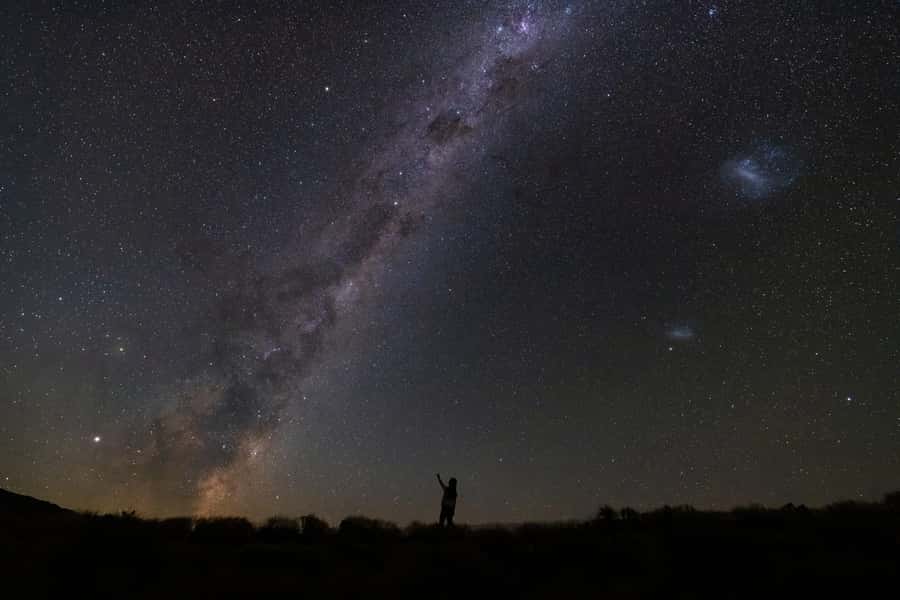
The guides are a big reason people leave happy. You’re not just handed a set of constellations. You’re guided through a method: look with your eyes, identify with help, then confirm with telescopes.
Names you might hear from recent sessions include Oscar, who has been praised for a mix of knowledge and enthusiasm. The consistent theme across guide feedback is that people feel the explanations are engaging, and that questions get handled well.
You also get strong linkages between sky objects and how to find them. A lot of stargazing tours stop at pointing. This one focuses on helping you understand how to navigate the Southern Sky. That’s why it feels less like entertainment and more like skill building.
Language is part of this too. The tour requires you to speak the language of your session, and if you can’t speak it, you won’t be allowed to join. This is a real safety requirement, and it affects the quality of the guiding. Choose the session in English, Japanese, or Chinese based on your comfort.
Price and value: where the $130 works, and where it might not
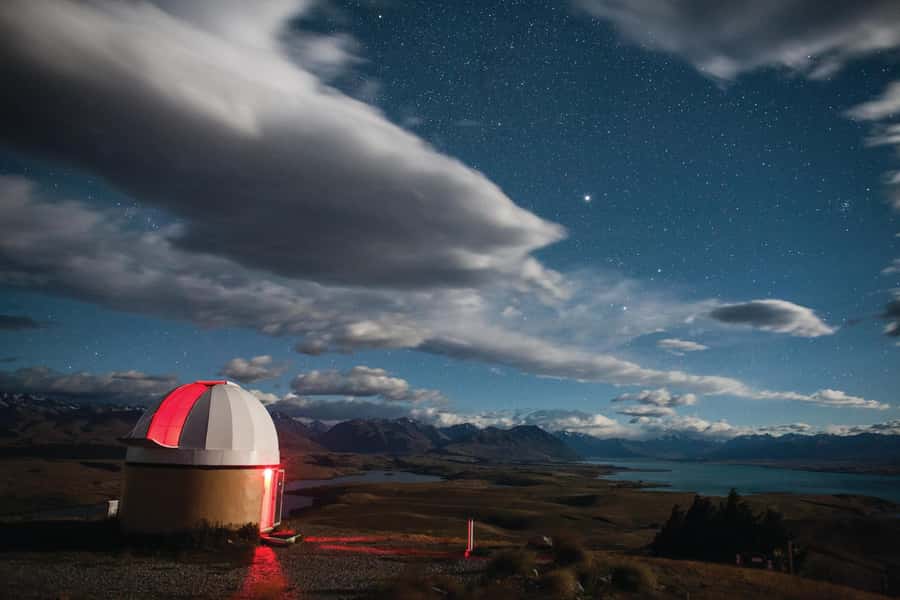
At about $130 per person for 105 minutes, you’re paying for more than sitting under stars. You’re paying for:
- Exclusive access to the summit area on Mount John
- Expert guides running both the naked-eye and telescope parts
- Extreme cold weather jackets
- Return transport from Dark Sky Project Base to the summit
That package is what turns a nice view into a guided night with real astronomy tools. In places where you can drive yourself somewhere dark, you might think you’re paying extra. But the difference here is structure and coaching. The laser-led starfinding and telescope session are what you likely cannot replicate easily on your own without the right setup and sky knowledge.
That said, I’d be honest about the value question. One reviewer felt the telescope views were only slightly bigger than what they could see with naked eye, and that a few big-ticket objects they expected (like specific planets) were not prominent that night. That’s the trade in astronomy: what you get depends on sky conditions and what’s currently visible. If you go chasing a specific object, you might feel disappointed even with excellent guiding.
So the best value mindset is this: go for the learning and the night sky itself, not a checklist.
Family-friendly, but read this before you book
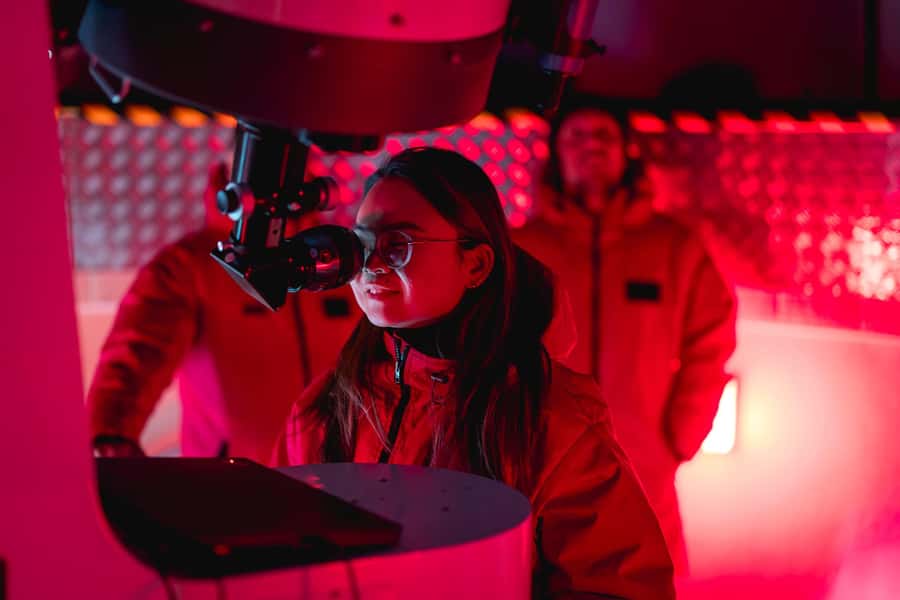
This experience is family-friendly with an age restriction of 10 years and over. It’s also not suitable for people with mobility impairments, because it’s a mountaintop walk in low light.
If you’re traveling with kids, the length of 105 minutes can work well for many groups, especially because the tour is interactive. You’re encouraged to look, ask, and follow the guide’s pointing.
If you’re older, or you’re someone who hates slipping on gravel or climbing in the dark, be practical with yourself. The walking distance and steps are small, but they are real.
Weather, moonlight, and how to get the best possible night
This is a weather dependent outdoor experience. On bad nights, the tour can be canceled, but an indoor alternate may be offered, or you can get a full refund.
Now for the subtle part that affects your photos and your sense of wonder: the moon. Reviews mention that timing near a new moon can matter for seeing the Milky Way, because moonlight can brighten the sky enough that faint features fade. Even with a clear sky, moon phase changes the contrast.
If you have flexibility, consider booking a date closer to new moon when possible. If you don’t, don’t panic. You can still have an incredible night sky experience, and telescope viewing will still be impressive on many moonlit evenings too. Just go in ready for the sky to be its own show.
Should you book Mount John stargazing at Dark Sky Project?
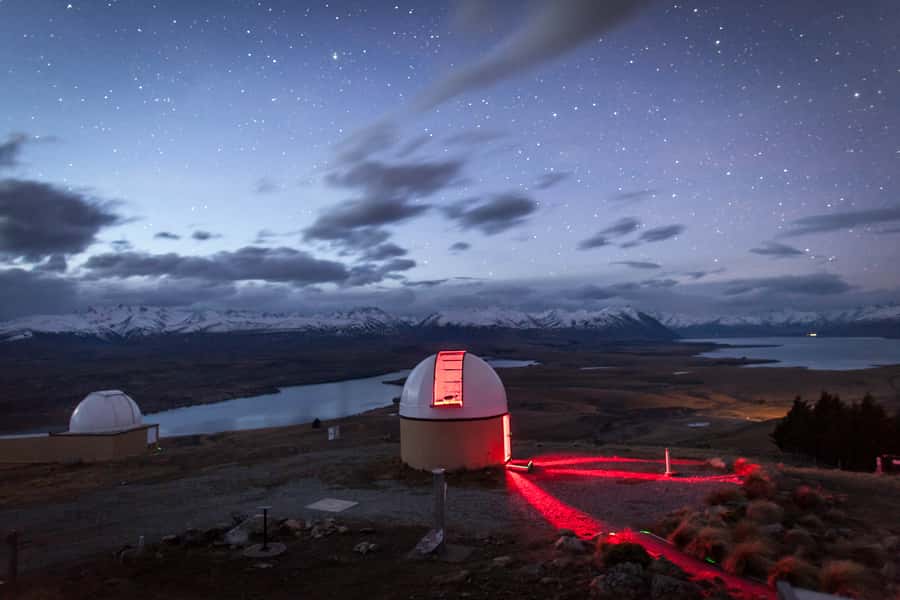
Yes, if you want a guided astronomy night that helps you learn the sky, not just watch it. The combination of exclusive summit access, expert guides, naked-eye star hunting with lasers, and telescope time makes this a strong value for a short, 105-minute experience.
You should think twice if you’re very weather rigid, because clouds can change everything. Also be honest about comfort in cold conditions and low light walking, and make sure you can handle the language requirement for your session.
If your dream is to leave Tekapo knowing how to find the Southern Sky, this tour is a smart bet.
FAQ
How long is the Mount John stargazing experience?
The experience lasts 105 minutes.
Where do I meet for the tour?
Check in at least 20 minutes before departure at Dark Sky Project’s base on the Tekapo lakefront.
What languages are available on the tour?
Live guides are offered in Japanese, English, and Chinese.
Do I need to speak the tour language?
Yes. For Health & Safety purposes, you’re required to speak the language of the tour. If you cannot, you won’t be allowed to join.
What should I bring or wear?
Wear weather-appropriate clothing. Warm clothing is recommended year-round, and you’ll also be provided an Extreme cold weather jacket at check-in.
Is flash photography allowed?
No. Flash photography is not allowed.
What happens if the weather is bad?
The experience is weather dependent. If tours can’t run in bad conditions, an indoor alternate may be offered or you can receive a full refund.
Just added near Lake Tekapo
- Tekapo Star Gazing Tour – Soak in the Stars★ 4.5 · 109 reviews
- Mt Cook Day Tour From Tekapo (Small Group, Carbon Neutral)★ 4.5 · 11 reviews
- Silver River Stargazing Experience in Lake Tekapo★ 4.5 · 106 reviews
- Scenic 4WD Tour Lake Tekapo Backcountry★ 5.0 · 77 reviews
- Lake Tekapo Scenic Wilderness Cass Valley Tour★ 4.5 · 19 reviews
- Lake Tekapo to Mt Cook One-Way Small Group Tour★ 4.0 · 5 reviews
- Day Trip: Lake Tekapo to Mt Cook National Park★ 4.5 · 31 reviews
- Lake Tekapo Ultimate Stargazing Experience★ 5.0 · 3 reviews
Stargazing Tours in Mount Cook & Lake Tekapo, compared.
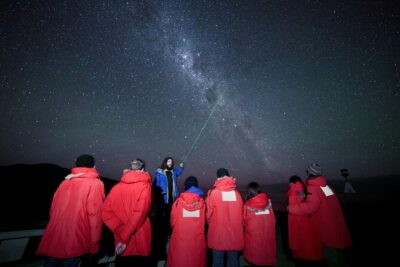
Mount John Observatory Stargazing Experience, Tekapo
Read our review →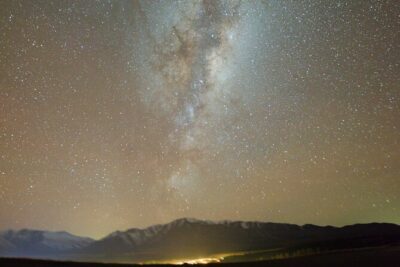
Silver River Stargazing Experience in Lake Tekapo
Read our review →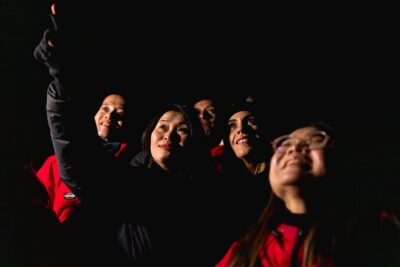
Stargazing Experience at Cowan’s Private Observatory
Read our review →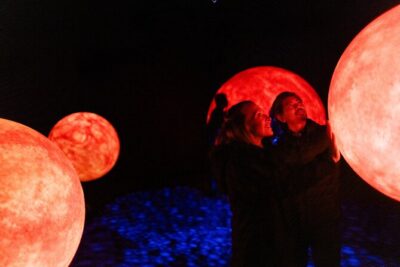
Dark Sky Indoor Maori Cultural Astronomy Experience
Read our review →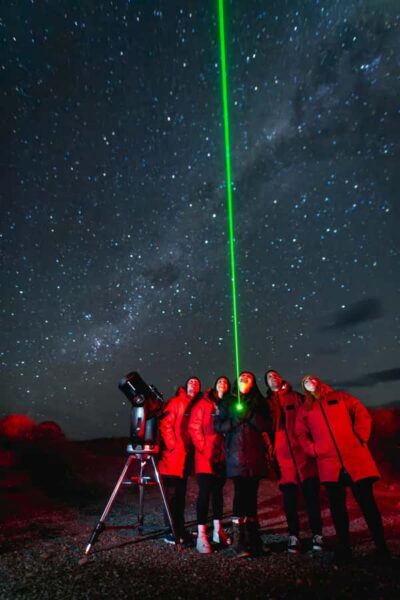
Browse the lists this tour appears in