
REVIEW · WELLINGTON TOURS
Zealandia by Day Tour
Two hours, and Wellington feels wilder. This day tour in Zealandia Te Māra a Tāne brings you into a fenced, predator-free ecosystem where you can hear and watch New Zealand’s native wildlife doing what they do best.
I especially love the hands-on, guide-led approach, from the bio-security bag check to the way your guide helps you spot birds at feeding stations. I also like that the group stays small, so you are not lost in the crowd while someone points out takahē, tui, kākā, and even tuatara. One possible drawback is the walking, uneven surfaces included, so it is not a great fit if you have mobility limits.
In This Review
- Key takeaways before you go
- Entering Zealandia: a predator-free world steps from Wellington
- Visitor Center start: exhibition first, then bio-security
- The 2-hour walking tour: how it actually feels on the ground
- Wildlife targets you should hope for: takahē, tūī, kākā, and tuatara
- Plant stories and restoration lessons, not just bird spotting
- Where the walk ends: returning to the Visitor Center and Rātā Cafe
- Price and value: is $41 for 2 hours a fair deal?
- Logistics that affect your day: meeting point, access, and weather
- Best-fit travelers, and who should choose another option
- Should you book Zealandia by Day Tour?
- FAQ
- How long is the Zealandia by Day Tour?
- Where do I meet the guide?
- What is included in the price?
- Are food and drinks included?
- What wildlife might I see during the tour?
- How big is the group?
- Is the tour available in different languages?
- What should I bring, and what should I wear?
- Is the tour suitable for people with mobility impairments?
Key takeaways before you go
- Predator-free ecosanctuary right by Wellington, so you see native wildlife in safer conditions.
- 2-hour small-group walk (limited to 12 people), which makes it easier to focus on sightings.
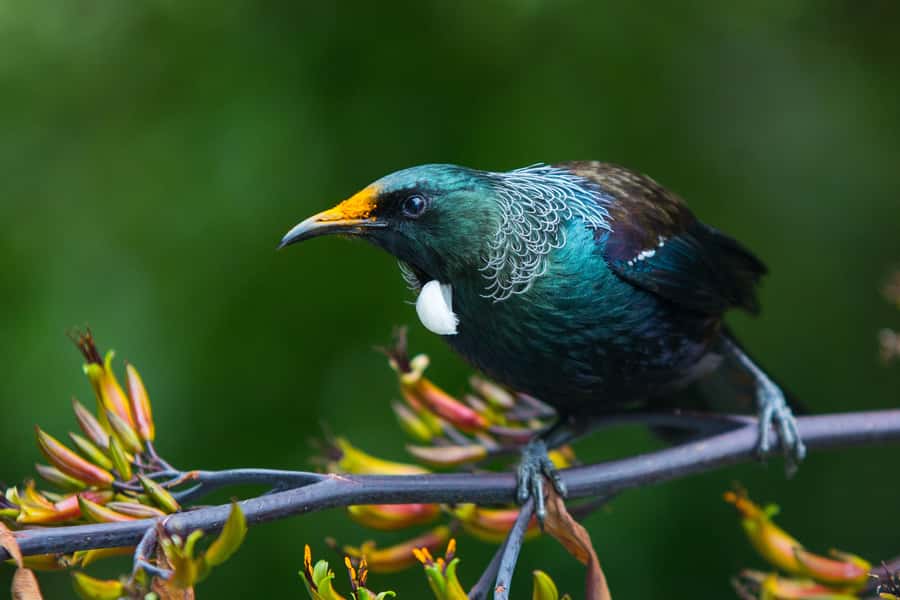
- Feeding stations along the walkways help you line up your eyes for birds like tūī, kākā, and bellbirds.
- Guides matter here, with people praising staff like Don, Scott, Juli, Kevin, Paul, and Maria for their story and spotting skills.
- Weather is part of it, since the tour runs in all conditions, so dress for damp wind or sun.
Entering Zealandia: a predator-free world steps from Wellington
If you think you need to travel far for real conservation, Zealandia spoils you. It is about a 10-minute trip from Wellington CBD, yet once you are inside the fenced ecosanctuary, it feels like you have crossed into a different New Zealand, one being carefully rebuilt for native species.
What makes this tour worth your time is the context. Zealandia is not just a place to take photos. It is a working project. Your guide connects the dots between the ecosystem you are walking through and the reasons it is fenced, monitored, and actively managed.
And because this is a small group, you get the attention you need. With a limit of 12 people, you can actually hear the details, see what your guide is pointing out, and wait for that one bird to finally land.
One more practical win: meeting up is straightforward. You start at the Zealandia Visitor Center at 53 Waiapu Rd in Karori, then check in at the ticket desk before the walk begins.
A few more Wellington trips worth comparing
- Wellington: Wētā Workshop Guided Tour Ticket
★ 4.7 · 997 reviews - Wētā Workshop Experiences Tour – Wellington
★ 5.0 · 875 reviews - Wellington: Return Cable Car Ticket
★ 4.6 · 714 reviews
Visitor Center start: exhibition first, then bio-security
The tour begins in the Visitor Center, and I like that it does. You start with a short intro in the ecosanctuary’s exhibition, which gives you a mental map for what you are about to see out in the valley.
Then comes the part that feels strict until you realize why it exists: a short bio-security bag check. It is meant to keep predators out of the sanctuary. You might not love the extra step, but it is exactly the kind of behind-the-scenes discipline that makes places like this work.
After you clear that check, you are ready for the walking section of the tour. This sequencing matters. If you go in cold, you end up looking at birds as random surprises. If you start with the basic story, you start noticing patterns, like what birds are doing and why certain areas get more attention during the walk.
The 2-hour walking tour: how it actually feels on the ground
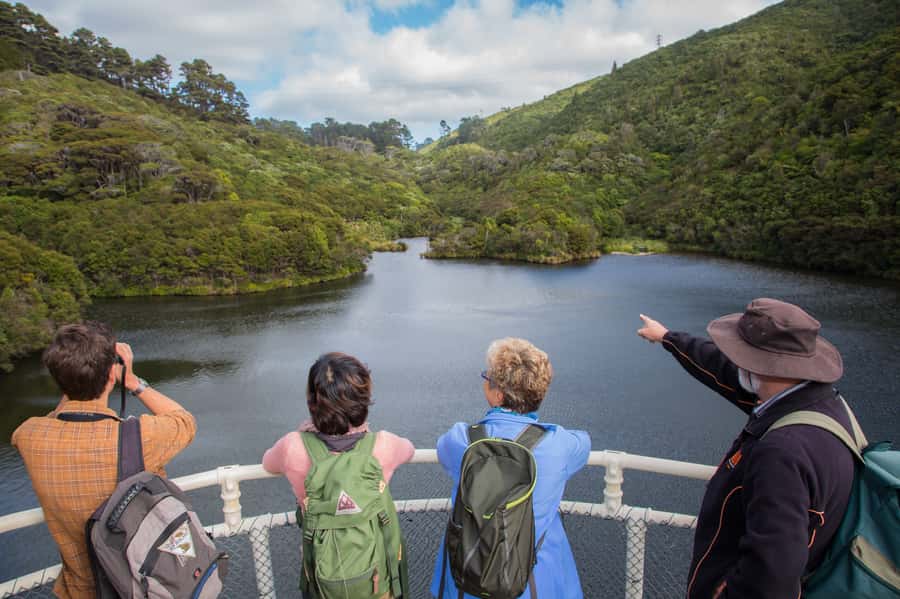
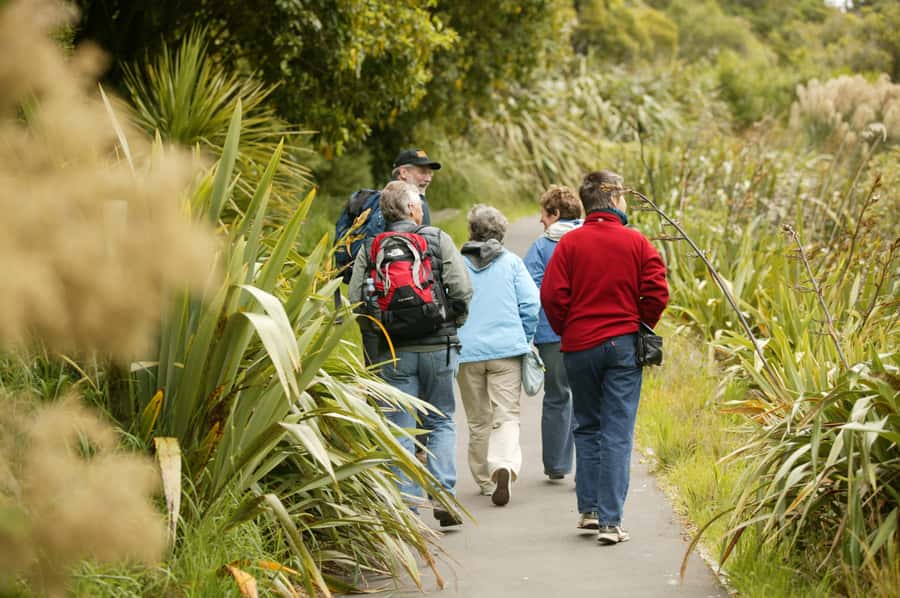
The main event is a 2-hour guided walking tour through Zealandia Ecosanctuary. It is not an all-day hike, but it is also not a shuffle. Expect moderate walking on uneven surfaces, since the paths follow the terrain.
This is where you get real value from having a guide. On your own, it is easy to stroll and miss the moment when a bird moves from hidden branches into view. With a guide, you time your looking.
A big part of the pacing is built around bird activity. Your guide shares what you are seeing, then sets you up for the next “look here” moment. Several people noted that the tour went fast or felt tightly timed at times, so if you are the type who likes to stop, read every sign, and linger, you may need to mentally plan to absorb information while you walk.
Feeding stations are one of the best tools in the whole setup. Your guide guides your attention to spots along the walkways where birds visit. That means your chances of seeing things clearly are higher than if you are just hoping for a sighting while strolling.
And yes, the birdsong can be excellent. One review called out how a group talked over birdsong, making it hard to film. It is a small thing, but it is a real reminder: if you want video, give the birds quiet respect for a few seconds at a time.
Wildlife targets you should hope for: takahē, tūī, kākā, and tuatara
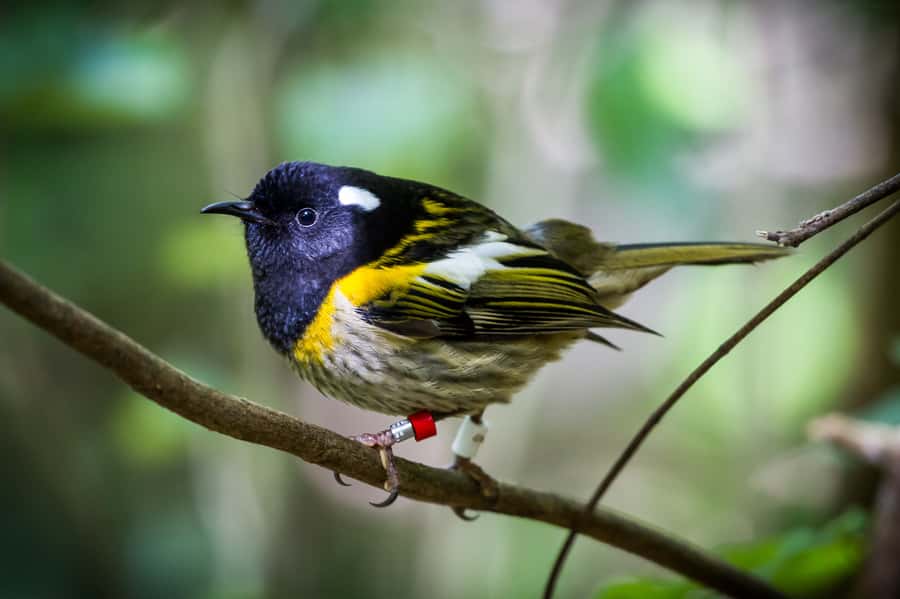
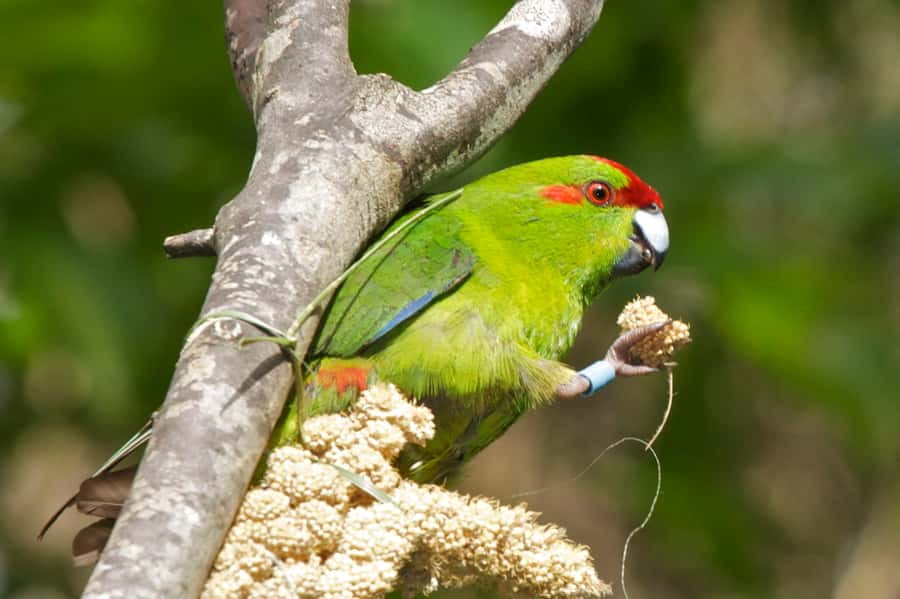
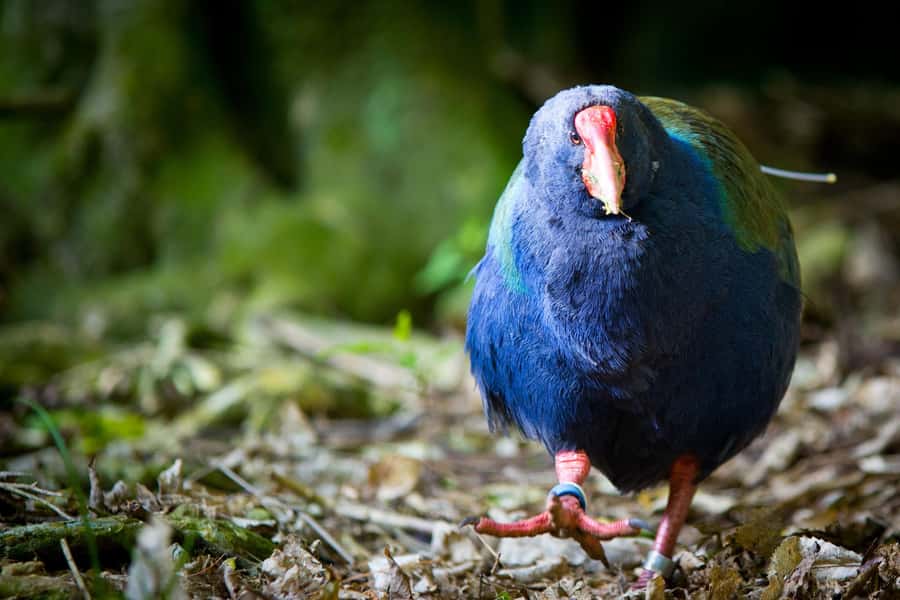
Zealandia is famous for showing native wildlife in conditions that let them survive. The tour highlights include rare and endangered birds such as takahē, plus tui and kākā. Depending on the day, you might also spot other species your guide is watching for, including kākāriki and bellbirds.
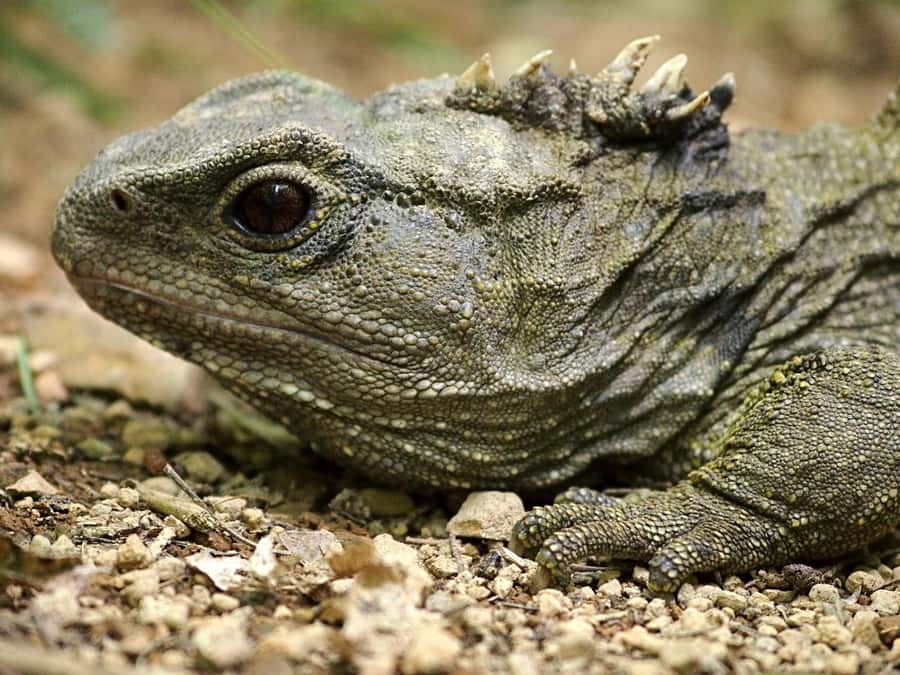
But the most exciting headline moment for many visitors is the chance to see tuatara. You are walking in a place designed for native animals to live without the pressures that once wiped them out across much of New Zealand.
A helpful way to think about this: the tour is not promising one perfect animal. Instead, it increases your odds by putting you in the right areas, at the right times, with someone who knows where to focus. People specifically praised guides for knowing where birds would be, and for waiting when birds were slow to appear.
If you are coming for photography, manage your expectations in a good way. The birds are not trained performers. They are animals doing animal things. That means you might wait. The best tours feel patient, like your guide is watching for the same landing you are.
If you are a New Zealand nature nerd, you will probably enjoy the way the guide connects bird behavior with the restoration work happening around you. And if you are not, you can still enjoy it. Your guide makes it understandable.
Same island, a completely different day:
- Half Day Tour of Wellington
★ 4.5 · 638 reviews - Wellington: Guided City Tour with Cable Car Ticket
★ 4.8 · 553 reviews - Wellington’s Original LOTR Experience – includes Weta and Lunch
★ 5.0 · 529 reviews - Kapiti Island Classic Guided Day Tour
★ 5.0 · 522 reviews
Plant stories and restoration lessons, not just bird spotting
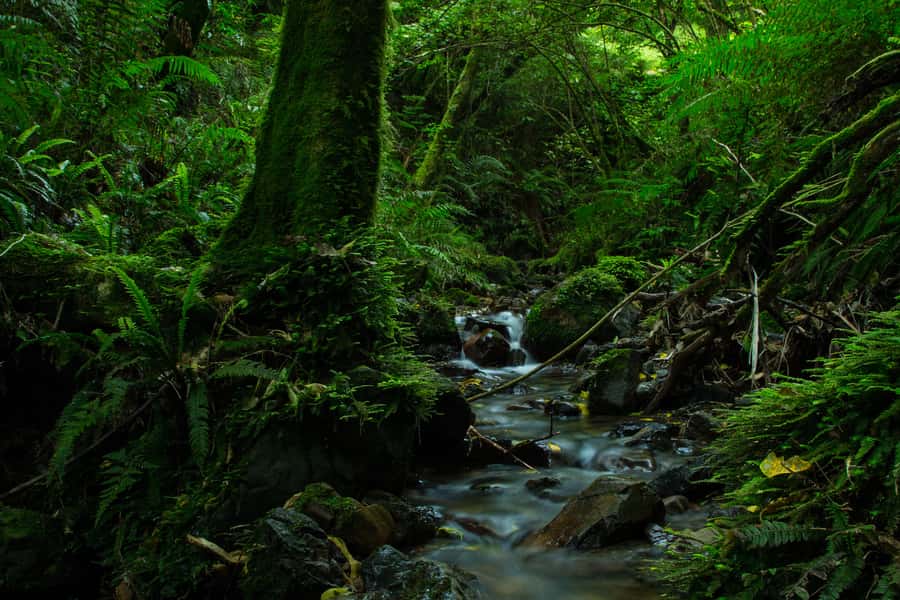
This tour earns its keep because it teaches you what you are looking at. Guides on this walk were repeatedly praised for connecting the ecosystem to the project behind it, including the work involved in creating a predator-free reserve and the thinking behind the rewilding effort.
You might hear details like how fencing supports survival, and why Zealandia focuses on rebuilding native habitat. More than one person mentioned learning the history of Zealandia’s conservation vision, and hearing about how hard the team works to create conditions where vulnerable species can thrive.
You also get plant spotting, which is often where guided wildlife tours win you over. When a guide points out native trees and explains their uses, you stop treating the forest as a backdrop and start seeing it as a system birds depend on. One review even mentioned the guide pointing out trees and bushes and their uses, which is exactly the kind of practical detail that makes a place feel real.
As for guide style, names came up in the reviews often enough to give you a sense of what to expect. People mentioned Don, Scott, Juli, Kevin, Paul, Roy, Kieran, Maria, Gill, and Merle. The common thread in that praise is not just facts. It is how the guides answer questions and adapt to the group, including kids.
So if you like learning but hate long lectures, you are in good hands. The teaching here seems to happen in the same rhythm as the walking, which keeps it tied to what you are seeing.
Where the walk ends: returning to the Visitor Center and Rātā Cafe
The tour ends back at the Visitor Center after the full 2 hours. This return matters because it gives you a clean finish, rather than a scattered “whenever the group feels like it” ending.
Once you are done, you can slow down and do what the tour encourages: relax with coffee or a meal at Rātā Cafe. The cafe is a nice option after you have been focused on birds and plants for a couple of hours.
A small heads-up for your planning: at least one review complained about cafe staff. That does not appear to be the majority experience, but it is worth knowing if you are picky about service and you are hoping for a perfect meal right after the tour.
If you still have energy, the Visitor Center area is a sensible place to refuel and reset your brain. Even the best guides cannot make wildlife sit still forever, so having a calm end helps you process what you saw.
Price and value: is $41 for 2 hours a fair deal?
At $41 per person for a 2-hour guided walk, this is priced like a smart add-on rather than a full-day excursion. What you get matters more than the number.
Your ticket includes entry, a professional tour guide, and the 2-hour small-group walking tour. Food and drinks are not included, so treat the cafe as optional spending, not part of the core price.
You are also buying time, guidance, and higher odds of the sightings you came for. Zealandia is full of small moments that are hard to notice without help. Guides are repeatedly praised for pointing out birds and plants you might otherwise miss, and for knowing where birds would be at feeding stations.
In plain terms: if you would wander on your own and hope for takahē and tuatara, you might do okay. If you want to maximize your chances and understand what you are seeing, paying for the guided walk is usually the more efficient way to spend your time.
And because it is a small group capped at 12, you get more direct attention than you would in a larger tour setting.
Logistics that affect your day: meeting point, access, and weather
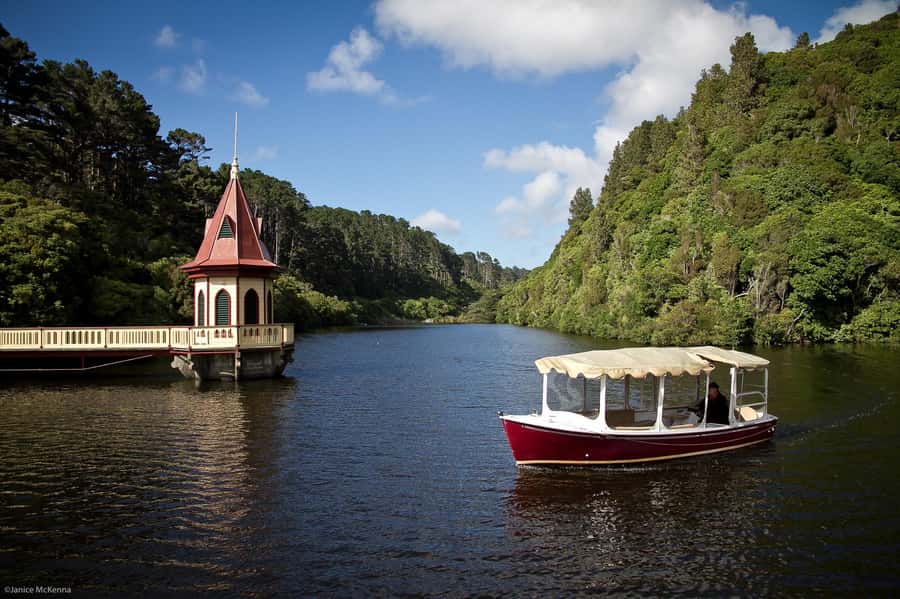
Meeting point is simple: Zealandia Visitor Center, 53 Waiapu Rd, Karori, Wellington. Check in at the ticket desk where you meet your guide.
How you get there is flexible too. Zealandia is reachable by car, free shuttle, or cable car from Wellington CBD. If you are staying in central Wellington, this is a big deal. You are not committing to a long commute before your walk even starts.
One more key factor is weather. The tour operates in all weather conditions. That is not a problem when you dress right, but it does mean you should bring weather-appropriate clothing and wear comfortable shoes.
Finally, a hard truth about suitability: this is not recommended for people with mobility impairments or those using a wheelchair. The uneven surfaces and moderate walking can be tough. Also, unaccompanied minors are not allowed, and children must be accompanied by an adult.
Best-fit travelers, and who should choose another option
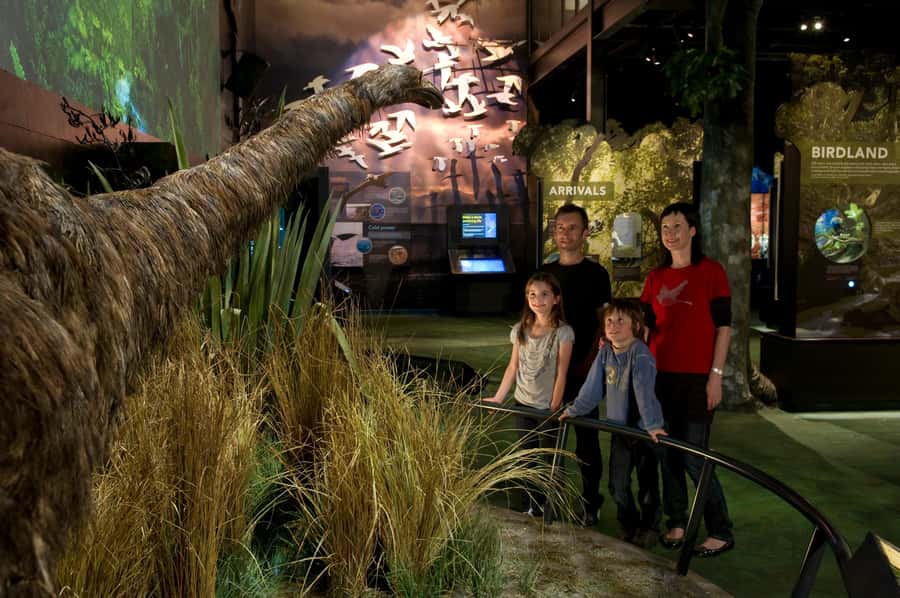
This tour is perfect for you if you want a guided wildlife experience in a controlled, conservation-focused setting. You will likely enjoy it if you like seeing rare species, hearing birdsong, and learning how predator-free ecosystems are managed.
It is also a strong choice if you are short on time in Wellington. A 2-hour format is easy to fit between other plans, especially since the reserve is close to the city.
It may not be the best match if:
- You need wheelchair access or step-free paths, since uneven surfaces are part of the experience.
- You dislike walking on trails, even if it is moderate.
- You want a long, self-paced visit. This tour is guided and structured around a timed walk.
Should you book Zealandia by Day Tour?
Yes, if you want the best chance of meaningful wildlife sightings plus clear explanations, this is a smart booking. The biggest reasons are the small group, the guide-led focus on where birds show up (especially at feeding stations), and the project context that helps the entire place make sense.
If you are sensitive to walking on uneven surfaces, skip it for a more accessible option. And if you are the type who hates rushing, you may want to mentally plan for a guide-led pace rather than a slow wander.
Overall, for the price, you get a lot: entry, expert guidance, and a short walk that turns Zealandia into more than a pretty stop.
FAQ
How long is the Zealandia by Day Tour?
It lasts 2 hours.
Where do I meet the guide?
Meet at the Zealandia Visitor Center, 53 Waiapu Rd, Karori, Wellington.
What is included in the price?
The package includes an entry ticket, a professional tour guide, and the 2-hour small-group walking tour.
Are food and drinks included?
No. Food and drinks are not included, though there is Rātā Cafe after the tour if you want coffee or a meal.
What wildlife might I see during the tour?
You may see rare and endangered birds including takahē, tui, and kākā, and you might also spot a tuatara.
How big is the group?
It is a small group limited to 12 people.
Is the tour available in different languages?
The live guide is available in English and Chinese.
What should I bring, and what should I wear?
Bring comfortable shoes and dress in weather-appropriate clothing.
Is the tour suitable for people with mobility impairments?
No, it is not recommended for those with walking disabilities or using a wheelchair due to uneven surfaces.
Just added near Wellington
- Private Martinborough Wine Tour for Wine Enthusiasts★ 5.0 · 8 reviews
- “Pinot to Palliser tour” – Guided tour to Cape Palliser vith lunch + winetasting★ 5.0 · 11 reviews
- Te Awa Kairangi Grade 2 Scenic Rafting Tour★ 4.8 · 10 reviews
- Te Awa Kairangi Grade 2 Scenic Duckie Tour★ 4.7 · 9 reviews
- Remutaka Rail Trail eBike Shore Excursion for Cruise Ships★ 5.0 · 9 reviews
- Private Lord of the Rings Tour Wellington with Lunch★ 5.0 · 3 reviews
- Chefs Private Martinborough wine tour with Gourmet Lunch★ 5.0 · 3 reviews
- Martinborough Winery and South Wairarapa Wild Coast Tour★ 4.8 · 21 reviews
Wellington Tours, compared.



Wellington’s Original LOTR Experience – includes Weta and Lunch
Read our review →
Northern Explorer Train Journey from Wellington to Auckland
Read our review →
Browse the lists this tour appears in