
REVIEW · MAORI CULTURAL EXPERIENCES
Te Puia: Te Rā Guided Experience
Boiling mud, real voices, and one big geyser. Te Puia in Rotorua mixes geothermal spectacle with hands-on Māori culture, all guided by a Māori kaiārahi. You get the place at a human pace, not a checklist.
I love the Kiwi Conservation Centre stop, especially the chance to see kiwis in the nocturnal house. I also love the Māori Arts and Crafts Institute portion, with carving and flax weaving schools that show how skills are passed down.
One consideration: Pohutu Geyser timing is not totally in your control. You can catch eruptions often, but your exact view depends on the rhythm of your visit and how your group moves.
In This Review
- Key things that make this tour worth your time
- Arriving at Te Puia: a geothermal place you can actually navigate
- Te Puia’s Māori cultural center: carving, weaving, and legends you can connect to
- Kiwi Conservation Centre in the nocturnal house: the moment that earns its spot
- Te Whakarewarewa Thermal Valley walk: mud pools, vents, and real scale
- Pohutu Geyser: a frequent performer, but still timing-sensitive
- Optional Māori cultural performance: hongi, poi, stick games, and haka
- Choosing your pace: how to avoid feeling rushed in only 90 minutes
- Value for $62.06: when the guided format is the smart buy
- What to bring and how to plan your day around Te Puia
- Should you book the Te Puia guided daytime experience?
- FAQ
- How long is the Te Puia daytime guided experience?
- How much does the tour cost?
- What does the daytime guided tour include?
- Is there an option to add a Māori cultural performance?
- Where does the tour start and end?
- Does the tour include food and drinks?
- How often does Pohutu Geyser erupt?
- What is the maximum group size?
- Can I cancel for a full refund?
- Is the experience near public transportation, and are service animals allowed?
Key things that make this tour worth your time
- Māori guides tell stories tied to the land, not just facts on a wall
- Kiwi Conservation Centre viewing is built into the circuit, so you do not miss it
- Te Whakarewarewa Thermal Valley walk takes you past bubbling mud pools and steaming vents
- Master craft workshops include wood, bone, and greenstone carving plus flax weaving
- Optional performance at the marae can add hongi, poi, stick games, and haka
Arriving at Te Puia: a geothermal place you can actually navigate
Te Puia sits in the Te Whakarewarewa geothermal valley, which means you are walking through a working wonder of heat, minerals, and natural pressure. The guided format matters here. Without a guide, it is easy to move from one steam cloud to the next and miss the “why” behind the site.
Meet at Te Puia in Rotorua at Hemo Road, Whakarewarewa. Your tour ends back at the same meeting point, so you do not have to worry about arranging onward transport based on tour timing. The duration is about 1 hour 30 minutes, so this fits cleanly between other Rotorua plans.
One practical upside: the group size is kept fairly tight, with a max of 36 travelers. That is big enough to be fun, small enough that you can usually hear what is going on and keep moving with the flow. Still, bring patience. This is a guided walking route through active geothermal areas, and the pace can feel brisk if the group is larger or the guide is still setting their rhythm.
More Maori Cultural Experiences in Rotorua
- Mitai Maori Village: Cultural Experience and Dinner Buffet
★ 4.7 · 3,575 reviews - Cultural Experience & Seasonal Māori Cuisine at Te Pā Tū
★ 5.0 · 1,546 reviews - Mitai Maori Village Cultural Experience in Rotorua
★ 4.5 · 1,294 reviews
Te Puia’s Māori cultural center: carving, weaving, and legends you can connect to
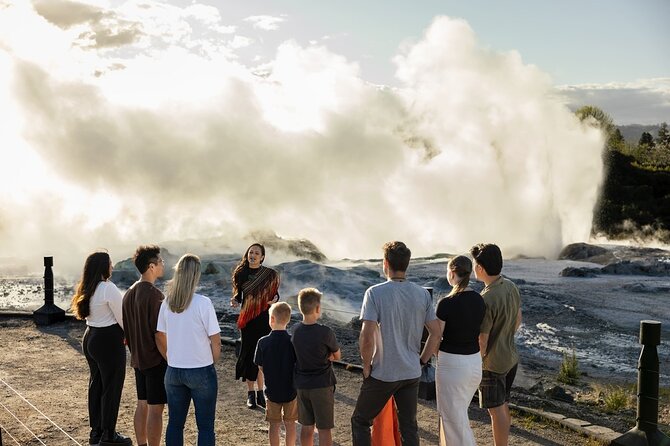
The core of the daytime experience starts at the New Zealand Māori Arts and Crafts Institute inside Te Puia. You meet your Māori guide and get the story framework first, which is the difference between seeing art and understanding it.
The guide explains Māori settlement in Rotorua and the legends tied to the geothermal world. That is not “extra talk” either. It changes how you interpret what you are about to see in the thermal valley. When you hear how geothermal activity fits into Māori worldview, the site stops being just dramatic steam and becomes a living relationship with the land.
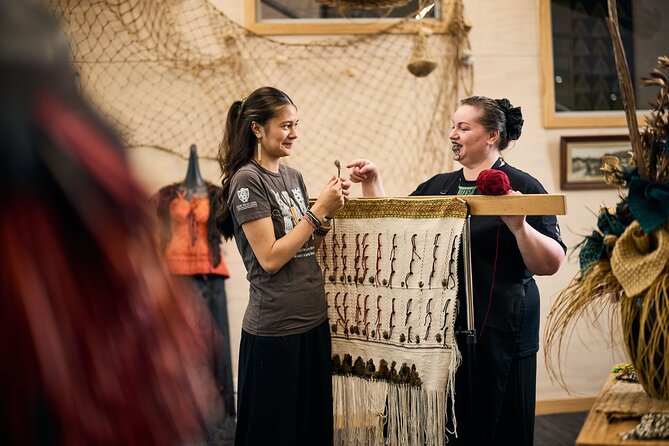
Then you head through learning spaces that highlight real craft work. The tour includes access to schools and instruction areas for wood, bone, and greenstone carving plus flax weaving. Even if you are not an arts person, you will likely notice how much technique and care go into the work. It is a reminder that tradition is not a museum label here. It is training, skill, and daily practice.
If you are lucky with your guide, the storytelling can make this portion a standout. One name that came up in the guide experience is Ivy, who was praised for combining background on geysers and geothermal activity with clear explanations of the cultural center. Another guide mentioned was Rebecca, called out for being knowledgeable and for sharing kōrero, or stories, that made the whole visit feel coherent.
Kiwi Conservation Centre in the nocturnal house: the moment that earns its spot
Rotorua’s kiwis are not the zoo kind where you wait and maybe get a glance. The tour includes the Kiwi Conservation Centre stop, with a dedicated view at the nocturnal kiwi house.
This is where the guided format pays off. The kiwi viewing window is part of your route, not something you have to figure out on your own once you are already distracted by bubbling mud pools. If you care about seeing kiwis up close, this inclusion is a real value add.
A good sign: many people rate this experience highly specifically for the kiwi sightings combined with geothermal highlights. One review called out the joy of seeing kiwis in an enclosed space along with mud pools and geysers. Another mentioned visiting in July and catching a kiwi looking for worms, which shows that what you get can still feel special even outside peak seasons.
If you are sensitive to timing disappointment, keep expectations realistic. A kiwi house visit is a chance, not a guaranteed wildlife encounter every single time. But because it is built into the tour, you are maximizing your odds.
Te Whakarewarewa Thermal Valley walk: mud pools, vents, and real scale
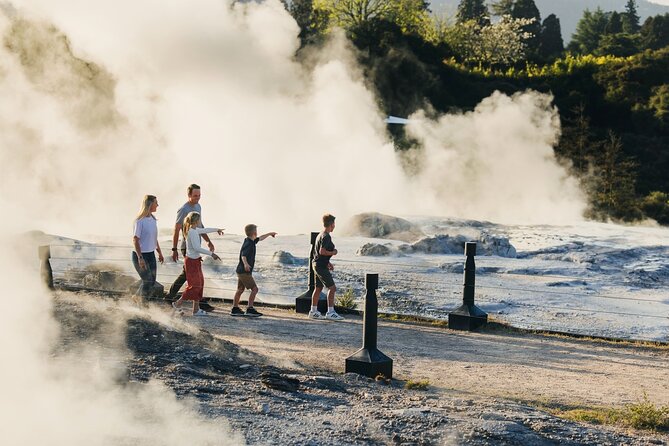
Next comes the walking part through Te Whakarewarewa Thermal Valley. This is the geothermal engine room. Your guide takes you along pathways where you can see steaming springs and bubbling mud pools without spending time guessing where to stand.
Here is what I like about this section: it is structured. You do not just wander. You get to keep your bearings while learning how the geothermal features work and why they matter.
You’ll pass the kinds of sights that make people stop mid-sentence. Boiling mud pools look like they are alive, and the steaming vents can be intense up close. The smell can be noticeable too, because geothermal activity is geothermal activity. I recommend keeping your time flexible. If you want to linger, do it when your group is paused, not when you are marching past the best view.
Also, do not forget this is active ground and steam. Wear closed-toe shoes and stay on the paths. It sounds obvious, but in a “this is so cool” moment, people sometimes forget how hot and slippery places can be.
Same island, a completely different day:
- Rotorua Canopy Tours: 2.5Hour Native Forest Zipline Adventure
★ 5.0 · 4,563 reviews - Rotorua: Wai-O-Tapu Geothermal Park Entry Ticket
★ 4.6 · 2,601 reviews - Rotorua’s Ultimate Zipline: 6 ziplines, 400 m Tandem, Cliff Walk
★ 5.0 · 2,557 reviews - Rotorua Rafting: Kaituna River White Water Rafting & Free Sauna
★ 5.0 · 1,952 reviews
Pohutu Geyser: a frequent performer, but still timing-sensitive
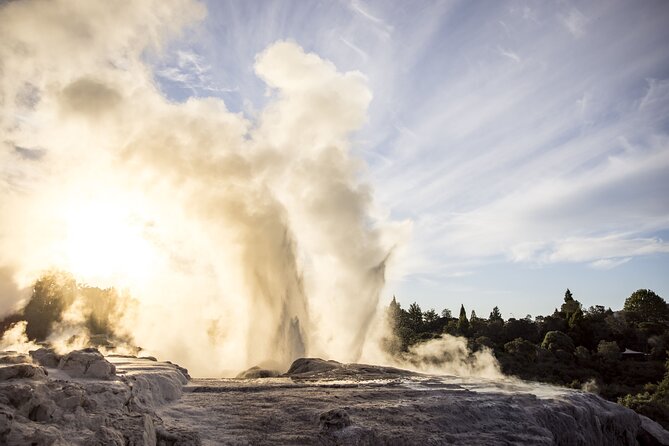
The star of the thermal valley is the Pohutu Geyser. It is famous for a reason. Your tour includes time to see it erupt, and the site is known for eruptions up to 20 times a day.
Still, a key reality check: the tour is only about 90 minutes. That means your exact eruption may line up well, or you may catch a moment when it is not in its most dramatic phase. One common piece of feedback is disappointment when the main geyser did not erupt during the visit window.
So how should you think about it?
- If you can accept that you might not catch the biggest moment on your schedule, this guided tour is a strong fit.
- If you need a guarantee of a specific eruption during your exact time slot, then you should compare options or plan to stay flexible on-site.
The good news is that Pohutu is not a rare event. Many people do see eruptions during their visit, and one account praised the experience for seeing multiple geysers erupt. Another emphasized that Pohutu was on time during their visit. The takeaway is that your odds are decent, but your timing is never perfectly controlled.
Optional Māori cultural performance: hongi, poi, stick games, and haka
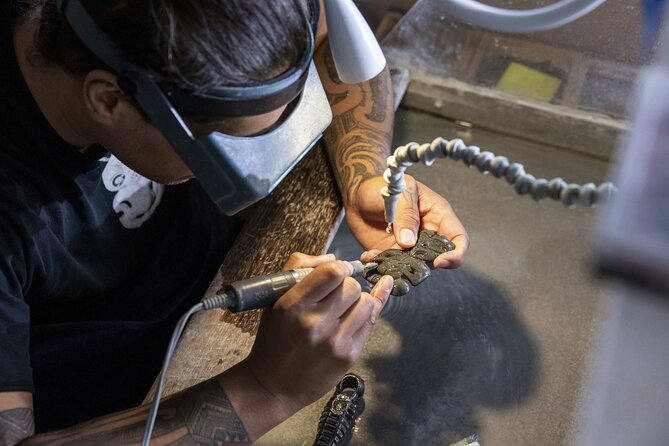
Want more than the daytime tour? Upgrade to the Māori cultural performance. Shows happen several times during admittance, so it is often possible to add it without wrecking your schedule. This upgrade is not just entertainment. It is a direct look at performance traditions and formal greeting customs.
The performance typically includes a ceremonial welcome at the marae, including the nose-to-nose greeting known as the hongi. Then you may see weaponry displays, poi dances, and stick games. And yes, the haka war dance is part of it.
This is also where the guide’s framing helps. If you have already heard stories during the daytime portion, the performance lands differently. You are not watching movements in isolation. You understand what the performance is trying to communicate, and why it is taken seriously.
Who is this upgrade best for? If you are coming from a place where you have not seen Māori performance traditions before, the upgrade can turn a “nice cultural stop” into a full memory. If you have kids, it can be a win too. One family-focused highlight was praise for a performance that mesmerized children.
If you prefer quiet viewing over group participation, note that performances can involve audience energy. You do not have to be overly extroverted, but being present and respectful matters.
Choosing your pace: how to avoid feeling rushed in only 90 minutes
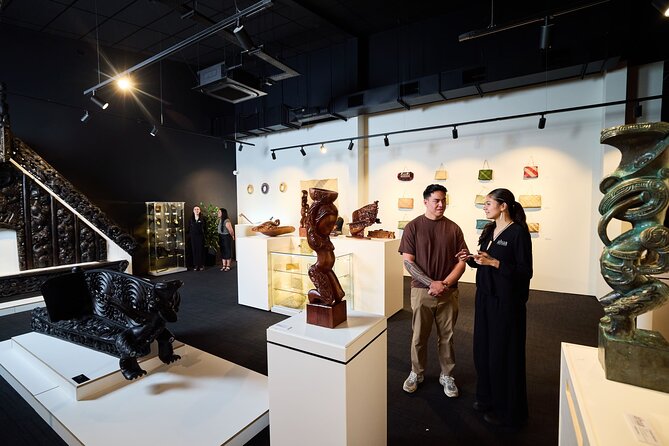
The tour is designed to cover a lot in 1.5 hours, and that can be both a strength and a complaint. Some people felt it moved too quickly through the geothermal fields. Others said the guided part was good, then they wanted more time to linger on their own.
Here is my practical suggestion: plan to stay on after the guided portion if you can. The site is more than the guided route. One review specifically noted that it is possible to revisit points of interest after the tour. If you love the mud pools or want extra time near the geothermal vents, that flexibility is your friend.
Also, group flow matters. A few people pointed out that the kiwi enclosure viewing can be brief if your group is moving through quickly. If kiwis are your top priority, arrive hungry for that moment and do not plan to multitask during the kiwi window.
Guide quality can also swing the experience. Most guides are praised for clear explanations and lively storytelling, and some were singled out by name. But a minority of comments complained about audio and engagement. If you are the type who reads facial expressions and needs every word, choose seats carefully when you can and ask for clarifications if something is unclear. And if you notice the group is moving ahead quickly, it is okay to signal that you are ready to pause and look longer.
Value for $62.06: when the guided format is the smart buy
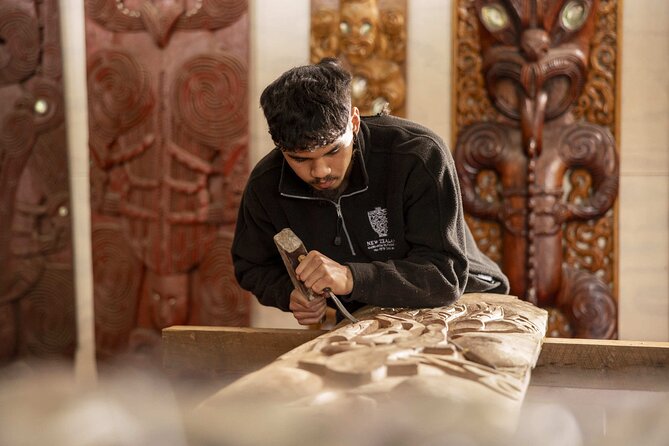
At $62.06 per person for roughly 90 minutes, this is not a bargain ticket. The value is in the mix: Māori culture plus geothermal highlights, done with a guide who connects the two.
If you were to buy separate tickets and piece together an itinerary, you might save money, but you would likely lose what makes this special: the guiding narrative that ties crafts, traditions, and land legends to the actual geothermal features.
Also, the inclusion list supports the price:
- a professional guide
- access to the Kiwi Conservation Centre
- visits to wood, bone, and greenstone carving and flax weaving areas
- time in and around a marae and Māori village
- guided walking through Te Whakarewarewa Thermal Valley
- Pohutu Geyser viewing as part of the circuit
One more thing: the site includes spaces for hands-on culture and viewing beyond the core stops. People mentioned enjoying the gift shop, including locally made artifacts, with one mention of the Oha Store. Even if you do not shop, it is a nice place to reset after steam and walking.
So who gets the best value?
- First-timers to Rotorua who want the top cultural and geothermal hits in one guided block
- People who like learning context, not just sightseeing
- Families who benefit from someone keeping the route organized and the pace moving
If you already know Māori cultural context and your main goal is only geysers, a self-guided approach might feel better. That is a fair point, and it came up as a criticism tied to rush and eruption timing uncertainty. But if you want both culture and geothermal highlights in one go, this guided option usually makes sense.
What to bring and how to plan your day around Te Puia
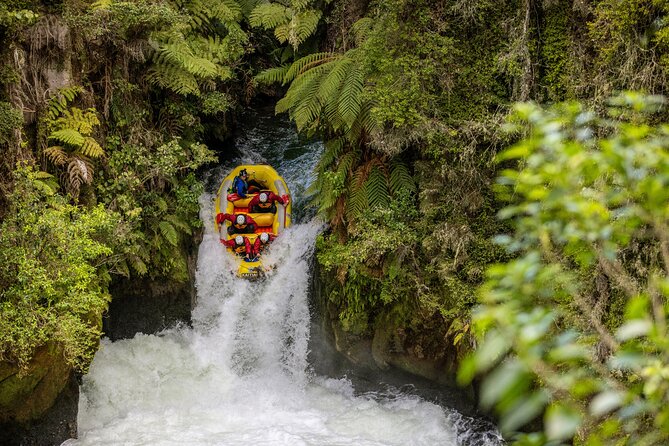
This is a walking-focused experience, mostly outdoors. Dress for cooler Rotorua air if you are visiting in winter months, and wear shoes that handle hot pavement, steam, and uneven ground near geothermal areas. Bring a light layer because temperatures can shift quickly between enclosed cultural spaces and outdoor valley paths.
Water can help. Food and drinks are not included on this tour, so plan to eat before or after. There is an on-site cafe, and people have said it is worth stopping for when you need a break.
If you are pairing Te Puia with other Rotorua stops, keep buffer time. The experience is about 1.5 hours, but you might linger around craft areas or after the guided route if the vibe is right.
Finally, take a minute to look at who is in your group and what the guide is like. Some people have had great sessions with specific guides such as Ivy or Rebecca. Others had a weaker experience when communication felt difficult or the pacing was too fast. You cannot control the guide, but you can control your attitude. Come with curiosity, be willing to ask a question, and you will usually get more out of it.
Should you book the Te Puia guided daytime experience?
Book it if you want a smart, structured way to see Rotorua’s best geothermal show and connect it to Māori culture through real storytelling and craft skills. At $62.06, it is priced like a cultural highlight, not like a quick walk-through. For most first-time visitors, that is the right lane.
Think twice before booking if Pohutu eruptions are your single, non-negotiable goal and you need perfect timing. The geyser erupts often, but your exact moment depends on the visit window. In that case, you might consider building in more time on-site or choosing a different approach.
My bottom line: this is one of those Rotorua experiences where the guide role matters. If you show up ready to listen, watch, and ask one or two questions, you will leave with more than steam photos. You’ll have a clearer picture of how Māori arts, weaving, carving, and geothermal legends connect in the same place.
FAQ
How long is the Te Puia daytime guided experience?
It runs for about 1 hour 30 minutes.
How much does the tour cost?
The price is $62.06 per person.
What does the daytime guided tour include?
You get a professional guide, entry to Te Puia for the Māori Arts and Crafts Institute and geothermal valley experience, access to the Kiwi Conservation Centre, and time with carving and flax weaving areas, plus exploring a marae and Māori village.
Is there an option to add a Māori cultural performance?
Yes. You can upgrade to include a Māori song and dance performance that can include the hongi, poi dances, stick games, and the haka.
Where does the tour start and end?
It starts at Te Puia, Rotorua, Hemo Road, Whakarewarewa, Rotorua 3010, New Zealand, and it ends back at the same meeting point.
Does the tour include food and drinks?
No. Food and drinks are not included.
How often does Pohutu Geyser erupt?
Pohutu Geyser erupts up to 20 times a day.
What is the maximum group size?
The tour has a maximum of 36 travelers.
Can I cancel for a full refund?
Yes. You can cancel up to 24 hours in advance for a full refund.
Is the experience near public transportation, and are service animals allowed?
The tour is near public transportation, and service animals are allowed.
Just added near Rotorua
- Thrilling Riverbug Adventure on the Rangitāiki River★ 5.0 · 4 reviews
- Te Puia: Te Pō Indigenous Combo – Tour, Dinner + Haka★ 4.4 · 52 reviews
- Te Puia: Tuku Iho Trail with Cultural Show★ 5.0 · 5 reviews
- Te Puia: Te Rā Guided Day Tour + Haka Cultural Performance★ 4.7 · 128 reviews
- Tauranga: Wai-o-Tapu with Redwood Forest Walk or Forest Spa★ 5.0 · 4 reviews
- Taupo: Orakei Korako Geothermal Park and Cave Entry Ticket★ 4.6 · 158 reviews
- Rotorua: White Island, Mount Tarawera & Waimangu Volcanic …★ 4.4 · 5 reviews
- Rotorua: Velocity Valley – One Ride Pass★ 4.9 · 15 reviews
Maori Cultural Experiences, compared.
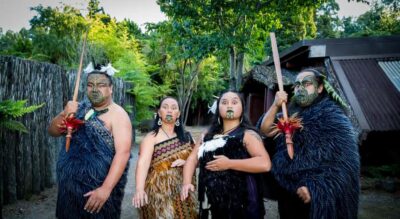
Mitai Maori Village: Cultural Experience and Dinner Buffet
Read our review →
Cultural Experience & Seasonal Māori Cuisine at Te Pā Tū
Read our review →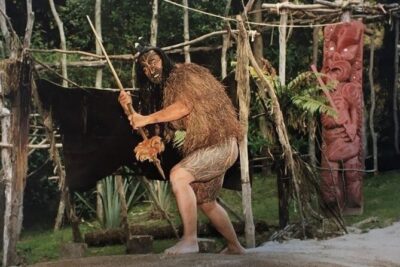
Mitai Maori Village Cultural Experience in Rotorua
Read our review →
Lake Taupo: Classical Sailing to the Māori Rock Carvings
Read our review →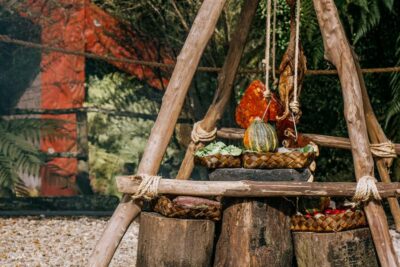
Te Pa Tu Māori Cultural Experience with Dinner
Read our review →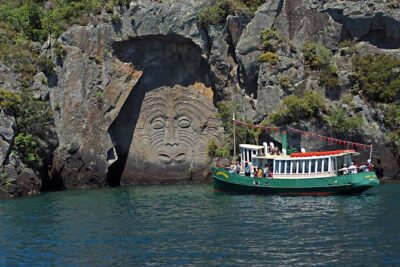
Lake Taupō Māori Rock Carvings Scenic Cruise aboard Ernest Kemp
Read our review →
Waitomo Caves & Rotorua – Te Puia Small-Group Tour from Auckland
Read our review →
Lake Taupo: Maori Rock Carvings 10.30 AM 1.5-Hour Cruise
Read our review →Browse the lists this tour appears in