
REVIEW · HISTORICAL TOURS
From Rotorua: Whirinaki Rainforest Guided Cultural Tour
Whirinaki feels like another world on foot. What makes this tour special is the Māori hosting and the way your day moves from rainforest trails to sacred places, with stories you can actually use to understand the land. I especially like the chance to learn about rongoā Māori medicinal plants and then switch gears for forest bathing and chants. One thing to plan for, though: it is a full 7 hours with a 2.5 km walk, plus windy roads, so bring gear and think about motion sickness if you get it.
You will also get a real taste of the day with a forest picnic and hot Kawakawa tea, not just a quick snack. I like that it is not only culture talk, it is culture in context, from chiefly trees like Ngā Rākau Rangatira to the endangered bird calls you might hear along the way. The main drawback is simple: you are required to follow rules on-site, including no alcohol and no drinks in the vehicle, so it is best for a focused, respectful day out.
In This Review
- Key highlights worth planning around
- A rare walk in Whirinaki, with Māori hosts in the lead
- How the day runs from Rotorua i-SITE, out toward Murupara, then into the forest
- At the waharoa: the welcome, karakia, and the forest’s storytellers
- Ngā Rākau Rangatira and rongoā Māori: the forest as a living library
- Forest bathing with chants and wind instruments
- Picnic lunch in the forest, then hot Kawakawa tea
- Te Ana a Tokowaru rock carvings: why this unmarked stop is a big deal
- Price and value: is $176 per person worth it?
- Who should book this Whirinaki rainforest cultural tour
- A few smart packing and behavior reminders
- Should you book? My honest recommendation
- FAQ
- What time does the tour start and where do I meet?
- How long is the tour?
- What is included in the price?
- How much walking is involved?
- Is there a picnic lunch and what is it like?
- Do we stop to see the rock carvings?
- What should I bring for the day?
- Is the tour guided in English?
- Are there rules about alcohol or drinks?
- What if I get motion sickness on winding roads?
Key highlights worth planning around
- Māihi Whakatau and karakia to set the tone before you step into the forest
- 2.5 km guided walk through Jurassic Podocarp rainforest trails
- Ngā Rākau Rangatira and ancient tōtara, over 1,000 years old
- Rongoā Māori plant knowledge, explained by Māori hosts on the ground
- Forest bathing moments with traditional chants and wind instruments
- Te Ana a Tokowaru stop for unmarked, carbon-dated rock carvings
A rare walk in Whirinaki, with Māori hosts in the lead
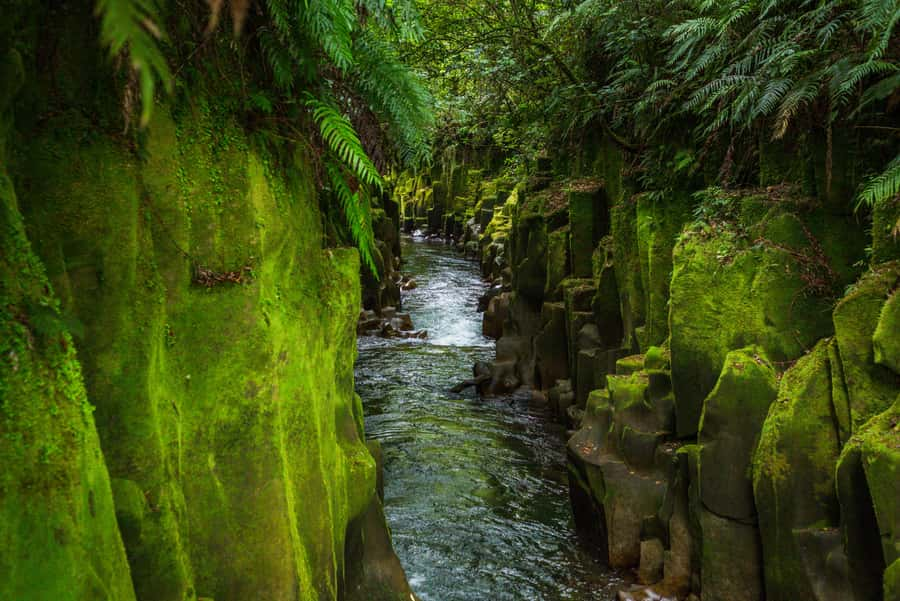
Whirinaki Rainforest is the kind of place that makes you lower your voice without being told. On this guided cultural tour, you are not just walking through trees. You are walking inside Māori knowledge of land, life, and responsibility, shared by hosts who have cared for this forest over generations.
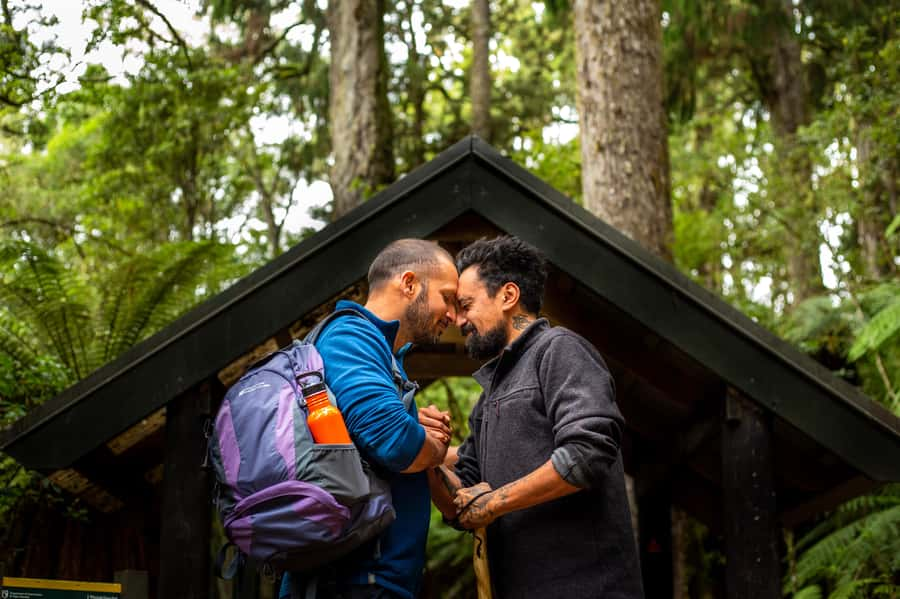
What I like most is the structure. You start with a welcome that includes mihi and karakia, so the day feels intentional, not like a standard hike. Then you move into a guided trail where you learn what to look for, from chiefly trees to bird calls, and how rongoā plants fit into everyday wellbeing.
If you want a Rotorua day that is more than geothermal viewpoints and souvenir stops, this is a strong choice. You trade postcards for a living rainforest, and you trade general history for specific knowledge tied to place.
More history tours in Rotorua:
- Auckland: All Blacks Experience Guided Cultural Tour
★ 4.7 · 453 reviews - All Blacks Experience: Interactive Guided Cultural Tour
★ 4.5 · 228 reviews - Olveston Historic Home Guided Tour
★ 5.0 · 205 reviews
How the day runs from Rotorua i-SITE, out toward Murupara, then into the forest
The tour is built around a single meeting point at the Rotorua i-SITE on Fenton Street. Check in is at 8:15 AM, and the bus leaves at 8:30 AM. From there, the day has two travel legs and three major moments on-site: the rainforest walk, the forest lunch and tea, and the cave carvings stop on the way home.
You take a bus ride of about 45 minutes out of Rotorua, then you reach Murupara for a 15-minute break and a toilet stop. This is also when you pick up your forest guide and your picnic lunches. After that, you drive another 30 to 40 minutes up toward the native rainforest. The roads are described as windy, so if you get travel sickness, take motion sickness tablets before you depart, not halfway through.
Why this matters for you: it is a full-day experience, so the smoother the travel part feels, the better the walking part will go. Come prepared with a jacket or windbreaker, and sensible shoes, because the forest is not a flat theme park path.
At the waharoa: the welcome, karakia, and the forest’s storytellers
When you arrive at the rainforest entrance, you begin at the waharoa (gateway). This is where the tour slows down on purpose. You are greeted with Mihi Whakatau, followed by karakia (prayer), designed to prepare you spiritually and physically for what comes next.
Then you start walking with Māori hosts. This is where the day becomes more personal. You are not just given facts. You are guided to see why certain things matter, who they belong to, and what knowledge is meant to be passed carefully.
Your hosts also use traditional chants and Māori wind instruments during the forest bathing portion later, but you can feel the vibe already here. It is quieter. More attentive. You start listening, not just looking.
Ngā Rākau Rangatira and rongoā Māori: the forest as a living library
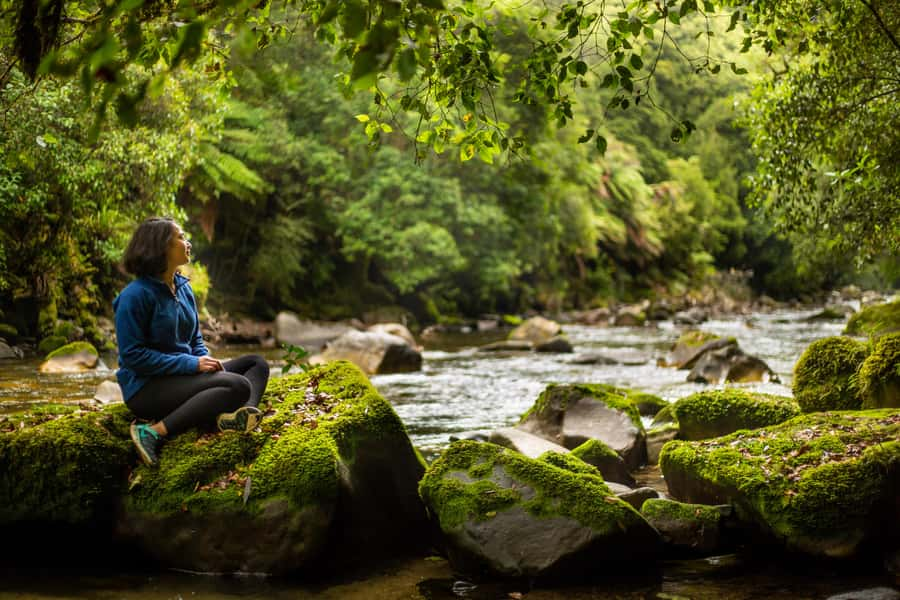
The main forest walk is 2.5 km along native trails. Even though that distance is not huge, it feels like a real guided experience because your attention is constantly redirected.
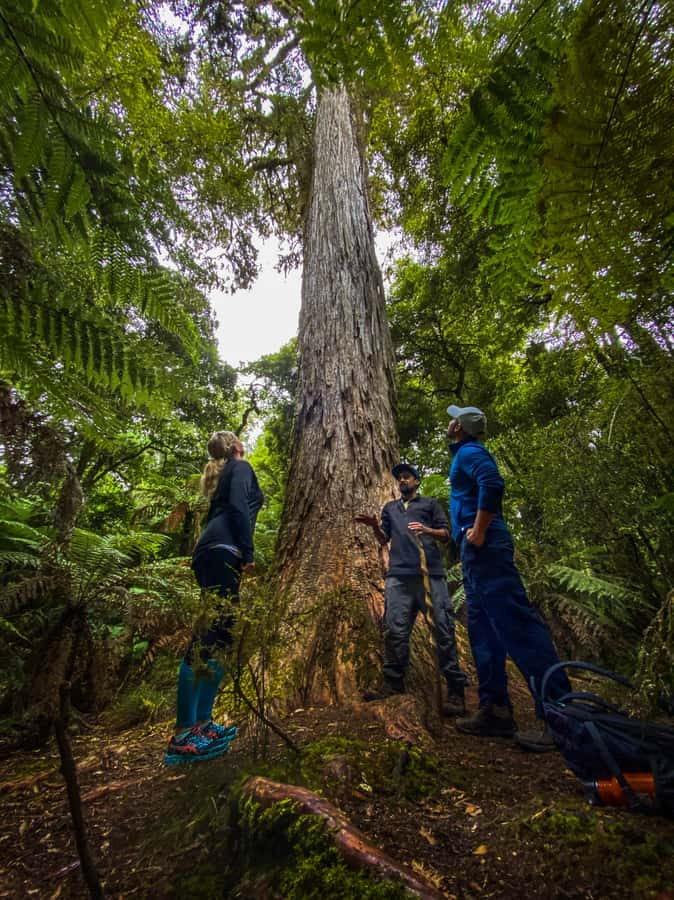
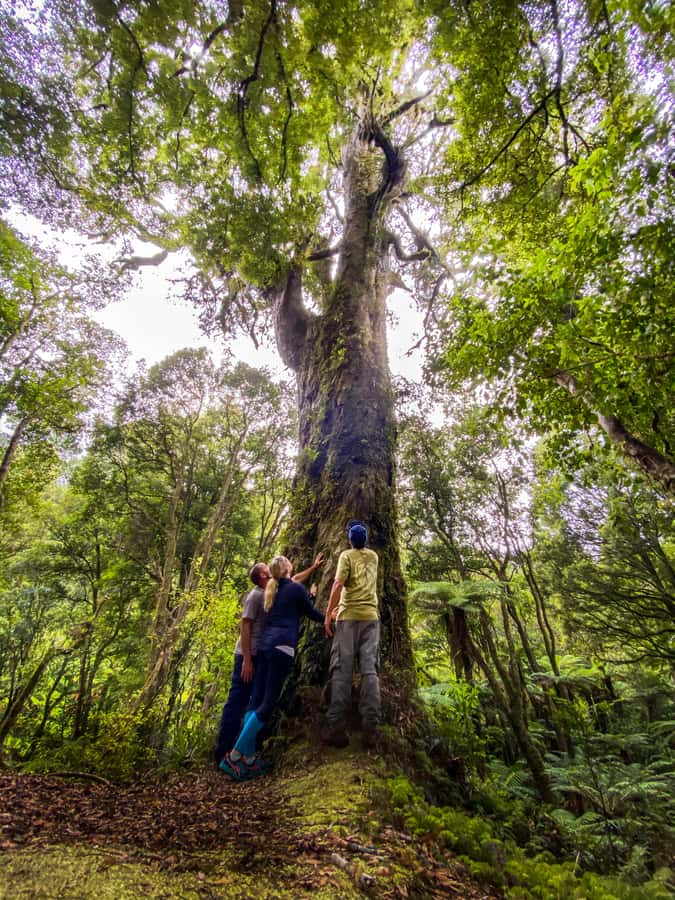
One standout moment is learning about Ngā Rākau Rangatira, the chiefly trees. The tour specifically calls out ancient tōtara over 1,000 years old. Think about what that means: you are not seeing a few old trees, you are standing near living witnesses to long time spans of land care.
Then come the lessons that many people remember long after the photos fade: rongoā Māori, traditional medicine plants. The guides point out plants tied to health and wellbeing and explain their traditional uses. In a small family-style way, the teaching feels grounded and practical, not like a lecture you forget as soon as you get back on the bus.
You will also look (and listen) for native and endangered birds. Bird spotting is never guaranteed, but the tour sets you up to notice calls and movement instead of just staring at trunks. If you are the type who likes hands-on learning, this part is your payoff.
A few more Rotorua trips worth comparing
- Rotorua Canopy Tours: 2.5Hour Native Forest Zipline Adventure
★ 5.0 · 4,563 reviews - Mitai Maori Village: Cultural Experience and Dinner Buffet
★ 4.7 · 3,575 reviews - Rotorua: Wai-O-Tapu Geothermal Park Entry Ticket
★ 4.6 · 2,601 reviews - Rotorua’s Ultimate Zipline: 6 ziplines, 400 m Tandem, Cliff Walk
★ 5.0 · 2,557 reviews
Forest bathing with chants and wind instruments
Forest bathing is often sold as a trend. Here, you get it as a guided practice. Midway through your journey, you pause for forest bathing, described as mindfulness and reconnection with the forest’s energy and stillness.
What makes this tour different is the cultural layer. During this time, the guides perform traditional chants and play Māori wind instruments. The point is not performance for the crowd. It is part of the experience of being present in the forest.
For you, the benefit is pretty straightforward: the day is not nonstop talking. You get moments to slow down, breathe, and reset your senses. If you are coming from Rotorua with a packed itinerary, this is one of the best ways to balance your week. You leave with calmer energy, not just new facts.
Picnic lunch in the forest, then hot Kawakawa tea
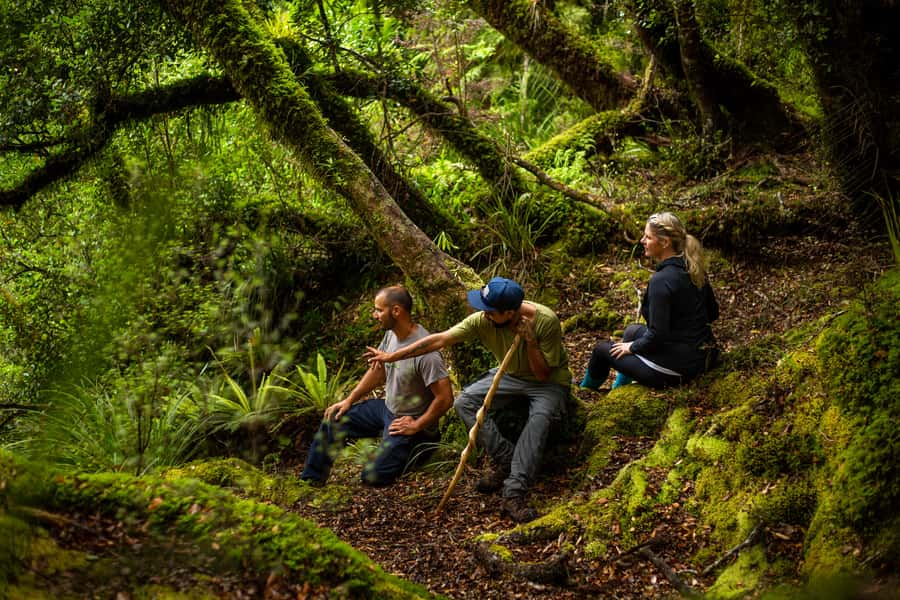
Lunch in a rainforest changes the whole experience. You get a packed picnic lunch infused with local flavours, and you have time for kōrero, conversation with your guides. That matters, because culture learning is not only about listening. It is also about asking questions, clarifying misconceptions, and hearing how people see identity and the environment in the same breath.
After the walk, you finish with a warming cup of hot Kawakawa tea. Kawakawa is treated here as a traditional medicinal brew, and the tour frames it as part of the wellbeing connection you are exploring throughout the day.
Practical tip: even if you usually travel light, bring what you need to stay comfortable. The tour asks you to bring a water bottle, insect repellent, a camera, and a rain jacket or windbreaker. The forest can shift from sunny to damp quickly, and comfort helps you enjoy the slower moments.
Te Ana a Tokowaru rock carvings: why this unmarked stop is a big deal
On the way back to Rotorua, the tour makes a special detour to Te Ana a Tokowaru, described as the oldest Māori rock carvings in Aotearoa. The carvings are carbon dated to over 400 years before the Great Migration.
This site is also described as unmarked and not sign-posted. Access involves a short bush walk into ancient caves. The guides share cultural storytelling about the carvings and explain pre-migration arrival history, including information that is rarely shared beyond communities.
Why this is worth your attention: it turns a forest walk into something bigger. You are not only learning about plants and birds. You are connecting those stories to human presence and memory in the landscape.
One consideration: caves and uneven ground mean you should wear shoes with good grip and keep your footing steady. The tour also has rules against climbing, so if you have a habit of scaling rocks for photos, you will need to rein that in.
Price and value: is $176 per person worth it?
At $176 per person for 7 hours, the price looks like a “full experience” rather than a quick add-on. And in practice, it is closer to a half-day with multiple paid components bundled together.
You are paying for:
- Return shuttle from Rotorua i-SITE, timed for an 8:30 AM departure and around a 3:30 PM return
- A fully guided Māori cultural walking tour through the rainforest
- Mihi whakatau and karakia elements as part of the hosting
- Picnic lunch and hot Kawakawa tea
- Bird spotting and rongoā Māori interpretation during the walk
- Entry to Te Ana a Tokowaru, including the access portion
If you like tours that feel like education plus wellbeing, this is good value. If you only want scenery and you are not interested in Māori cultural context, you might feel the cost more sharply.
For most people, the best way to judge value is simple: this is not just transportation plus a trail. It is guided hosting, food, tea, and access to a special cultural site.
Who should book this Whirinaki rainforest cultural tour
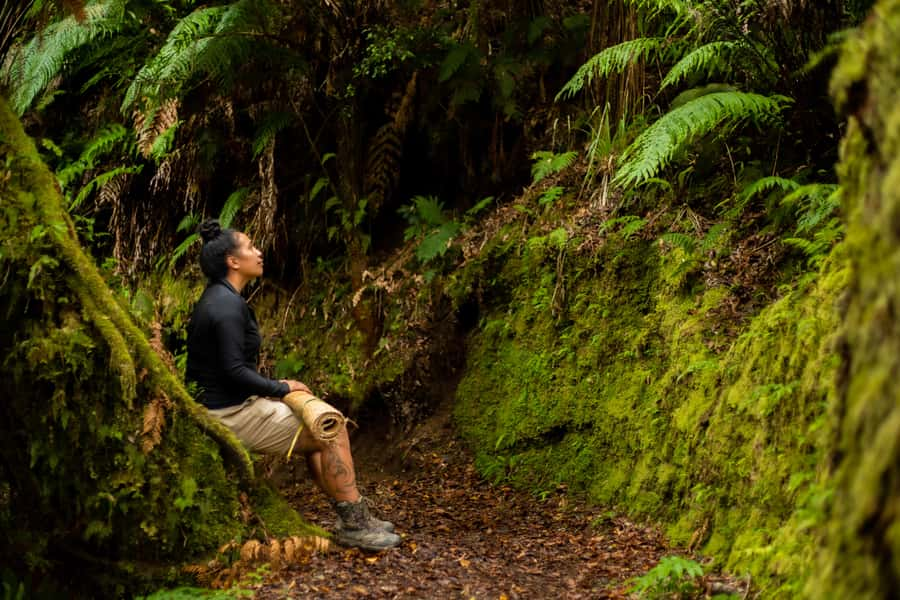
This tour fits best if you:
- Want Māori culture in context through stories tied to the forest
- Like guided walking with interpretation, not self-guided wandering
- Enjoy a day that mixes learning with calm time, like forest bathing
- Appreciate food that is part of the experience, including a forest picnic and Kawakawa tea
It is also ideal for people who ask questions. The guides are set up to explain and answer, and that kind of interaction shows up clearly in the best parts of the experience.
Who should think twice: if you dislike being on the move for a full day, or you do not feel comfortable on walking paths in a native rainforest, you may find the 2.5 km trail and cave-access portions challenging. Also, if motion sickness is a regular issue, plan carefully for the windy road legs.
A few smart packing and behavior reminders
This is one of those days where preparation makes the difference between good and great. The tour specifically asks you to bring:
- Comfortable walking shoes
- Insect repellent
- Sunscreen and lip balm
- Jacket and a rain jacket or windbreaker
- Camera
- Any medications you might need
- A water bottle
And there are clear rules: no intoxication, no alcohol or drugs, no drinks in the vehicle, no littering, and no climbing or explosive substances. It is all about keeping the day respectful and safe.
Should you book? My honest recommendation
Book this tour if you want a Rotorua day that feels grounded, not generic. I think the combination of guided Māori hosting, a structured rainforest walk, rongoā Māori plant learning, and the shift into forest bathing gives you both meaning and relaxation. Add picnic lunch plus Kawakawa tea, and you have a day that actually nourishes you, not just feeds your photos.
Consider skipping if you want only viewpoints and minimal walking, or if you are sensitive to winding roads and cave-access terrain. In those cases, the experience might feel like work instead of rest.
If you are on the fence, the safest way to decide is to ask yourself one question: do you want your Whirinaki visit to be about people and knowledge, not just nature? If the answer is yes, this is a strong pick.
FAQ
What time does the tour start and where do I meet?
Meet at Rotorua i-SITE on Fenton Street. You should arrive by 8:15 AM for check-in, and the bus departs at 8:30 AM.
How long is the tour?
The total duration is 7 hours, with the return to Rotorua i-SITE around 3:30 PM.
What is included in the price?
The tour includes a complimentary return shuttle, a fully guided Māori cultural walking tour, mihi whakatau and karakia, a packed picnic lunch, hot Kawakawa tea, and entry to Te Ana a Tokowaru.
How much walking is involved?
The guided forest walk covers 2.5 km on native trails.
Is there a picnic lunch and what is it like?
Yes. You get a packed picnic lunch with local flavours, eaten in the forest.
Do we stop to see the rock carvings?
Yes. On the way back, you visit Te Ana a Tokowaru, described as the oldest Māori rock carvings in Aotearoa, accessed by a short bush walk into ancient caves.
What should I bring for the day?
Bring comfortable shoes, camera, sunscreen, a jacket (or windbreaker/rain jacket), and insect repellent. The tour also recommends bringing a water bottle and any medications you need.
Is the tour guided in English?
Yes. The live tour guide provides interpretation in English.
Are there rules about alcohol or drinks?
Yes. Alcohol and drugs are not allowed, and there are restrictions including no drinks in the vehicle and no alcoholic drinks in the vehicle.
What if I get motion sickness on winding roads?
The tour advises that the roads are windy and suggests taking motion sickness tablets before you depart if you are prone to travel sickness.
Just added near Rotorua
- Whakarewarewa: Self-Guided Geothermal Trails★ 4.5 · 41 reviews
- Rotorua: Waimangu Volcanic Valley Entry Ticket★ 4.8 · 129 reviews
- White Island & Mount Tarawera Floatplane Adventure★ 5.0 · 8 reviews
- Whirinaki Forest Footsteps: Māori Guided Tour, Picnic & Transfer★ 5.0 · 5 reviews
- Wonderworld Rotorua – New Zealand’s leading maze park★ 5.0 · 11 reviews
- Whaka Geothermal Trails Self-Guided Tour★ 3.5 · 44 reviews
- Rotorua Sledging White Water Sledging | Kaitiaki Adventures★ 5.0 · 90 reviews
- Rotorua to Auckland Afternoon Transfer with Waitomo Glow Worms★ 4.5 · 22 reviews
Historical Tours, compared.
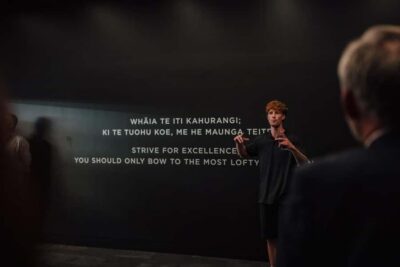

All Blacks Experience: Interactive Guided Cultural Tour
Read our review →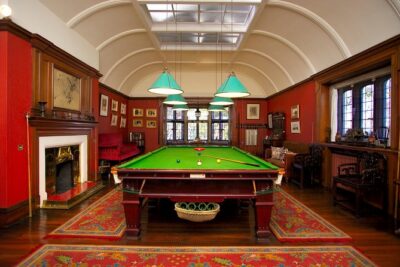
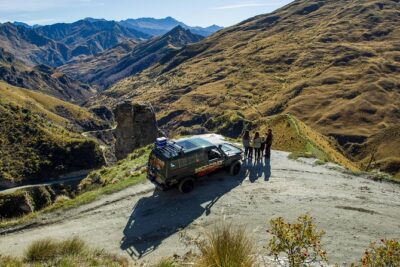
Skippers Canyon 4WD Heritage half day Tour from Queenstown
Read our review →
Scenic Cruise & Guided Walk on Historic Motor Yacht Lake Te Anau
Read our review →
Tauranga Shore Excursion: History & Kiwifruit Tasting – 4 Hours
Read our review →
Skip the Line:WWI & WWII Combo Exhibitions at the Omaka Aviation Heritage Centre
Read our review →Scenic Cruise & Guided walk on Historic Motor Yacht Lake Te Anau
Read our review →Browse the lists this tour appears in