REVIEW · TICKETS
Rotorua: Waimangu Volcanic Valley Entry Ticket
Geothermal country has a way of stopping you cold. Waimangu Volcanic Valley is a self-guided stroll through some of New Zealand’s most active geothermal scenery, from steam vents to crater lakes, plus easy-to-challenging walking options. I love the way the site gives you a handy map with numbered sights, so you are not guessing what you are looking at. I also love that you can pace it your way, from a short walk to a longer hike with big panoramic viewpoints.
The main thing to consider is shoe and stamina. If you choose the steep, rough Mount Haszard Hiking Trail, it is not for kids, strollers, wheelchairs, or anyone who hates uneven ground. The valley is also weather-driven, so bring sun and rain protection and expect changing conditions.
In This Review
- Key Points Before You Go
- Waimangu Volcanic Valley: Why This Place Feels Special
- Getting There and Starting at the Waimangu Visitor Centre
- Timing Your Day: How Much Time You Really Need
- Shuttles That Save Your Legs in the Valley
- First Glimpse of Geothermal: What You’ll See on Arrival
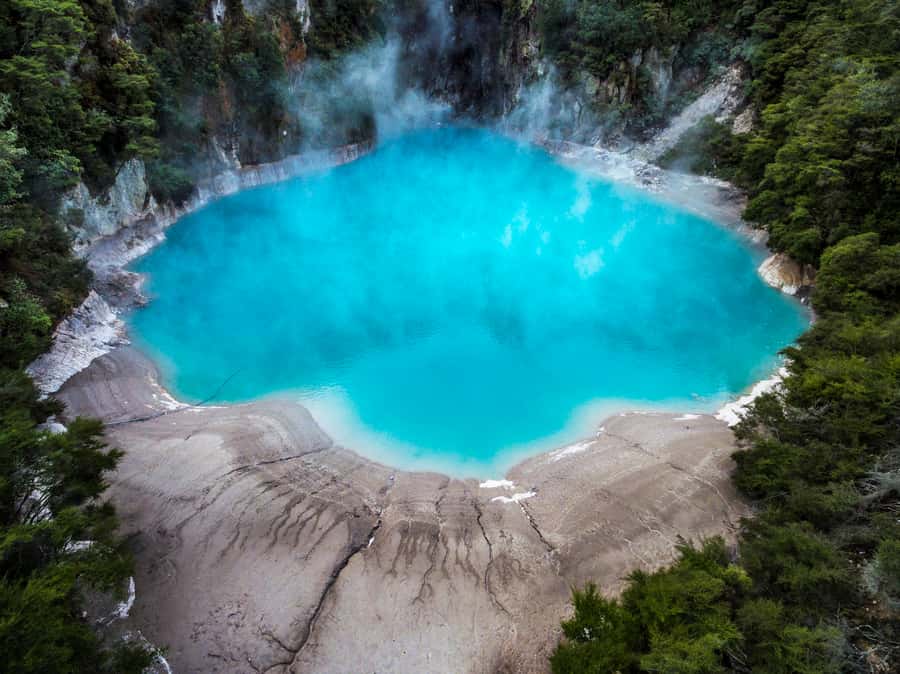
- Echo Crater and Inferno Crater Lake: The Color You Came For
- Frying Pan Lake: One of the World’s Largest Hot Springs
- Lake Rotomahana: Wrapping Up With a Calm Ending
- Walking Options: Short Views, Mid-Length Hiking, and Mount Haszard
- What the Info Sheet and Numbered Stops Really Do for You
- Wildlife and Native Plants: Small Moments Worth Slowing Down For
- Practical Stuff: What to Bring for a Comfortable, Safe Visit
- Price and Value: Is $44 Worth It?
- Who This Is Best For (and Who Might Skip)
- Should You Book This Ticket?
Key Points Before You Go
- Numbered map and information sheet: you get a clear route and context, so the geothermal features make sense fast.
- Crater lakes you can actually see up close: Echo Crater and the striking blue Inferno Crater Lake are part of the experience.
- Frying Pan Lake is a standout thermal sight: one of the world’s largest hot springs, framed by the valley landscape.
- Walking choices for different abilities: trails range from short options up to a 4-hour hike style day.
- Shuttles reduce the walking: a courtesy shuttle loops back to the visitor area, and regular valley buses connect bus stops.
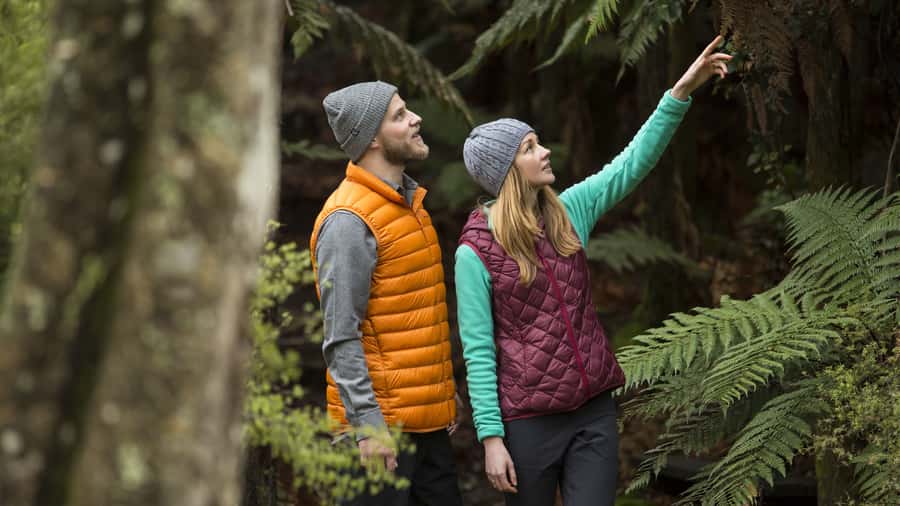
- Native flora, birds, and wildlife moments: keep an eye out, especially around hotter ground and forest edges.
Waimangu Volcanic Valley: Why This Place Feels Special
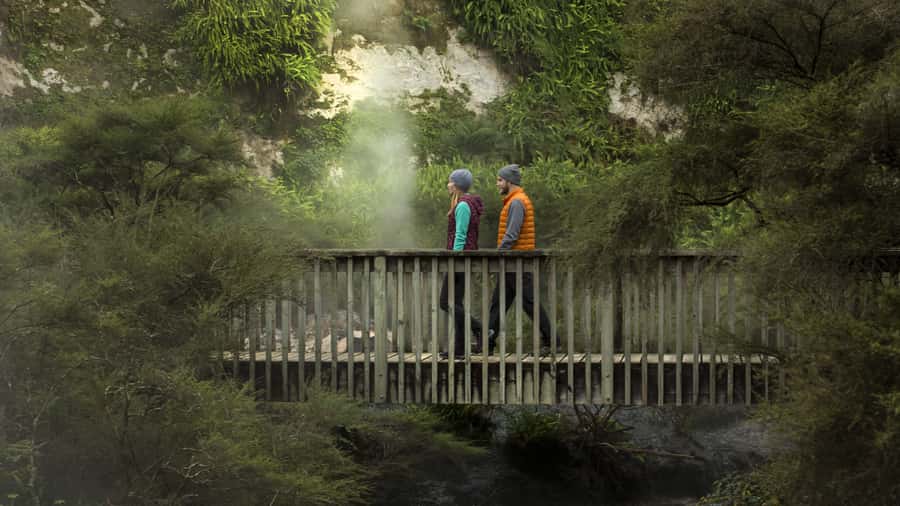
Waimangu is geothermal scenery you can walk through, not just look at from behind a fence. The valley is home to steaming ground, hot springs, terraces, and volcanic features spread across a landscape of native forest and grassland. It feels alive in the best way, because the steam, heat, and changing terrain keep you paying attention step by step.
I also like that this is not a one-size-fits-all tour. With your entry ticket, you choose how long you want to be out there, and you can mix “take it slow” viewing with a more active hike if you want payoff.
And since it is self-guided, you are in control. You are not trying to keep up with a group while you are staring at a crater lake wondering how blue can happen in nature. (But you will be forgiven if you stare.)
A few more Rotorua trips worth comparing
- Rotorua Canopy Tours: 2.5Hour Native Forest Zipline Adventure
★ 5.0 · 4,563 reviews - Mitai Maori Village: Cultural Experience and Dinner Buffet
★ 4.7 · 3,575 reviews - Rotorua: Wai-O-Tapu Geothermal Park Entry Ticket
★ 4.6 · 2,601 reviews
Getting There and Starting at the Waimangu Visitor Centre
Your starting point is the Waimangu Visitor Centre at 587 Waimangu Rd, Rotorua. Plan to arrive, check in at reception, then enter the valley when you are ready. That check-in step matters because it is the point where you turn your ticket into your day in the park.
From Rotorua, it is about a 20-minute drive south. From Taupo, it is around a 40-minute drive north. That makes Waimangu an easy “half-day plus” add-on when you are already in the Rotorua or Taupo area.
Hours are daily from 8:30 am, with last admission for the shortest walk only at 3:00 pm. If you arrive later, you can still enjoy some of the park, but do not count on the long hike options.
Timing Your Day: How Much Time You Really Need
Even though you have a ticket that is valid for 1 day, you still need a visit plan. I strongly suggest you allow at least 2 hours, because the park has walking routes from about 45 minutes up to 4 hours depending on what you choose.
This is one of those places where you can keep adding stops. You will likely pause for viewpoints, read the info sheets, and backtrack a little when steam and color demand it. The good news is that the site supports that pacing, because there is a clear structure to the valley with shuttle options and routes you can shorten.
Shuttles That Save Your Legs in the Valley
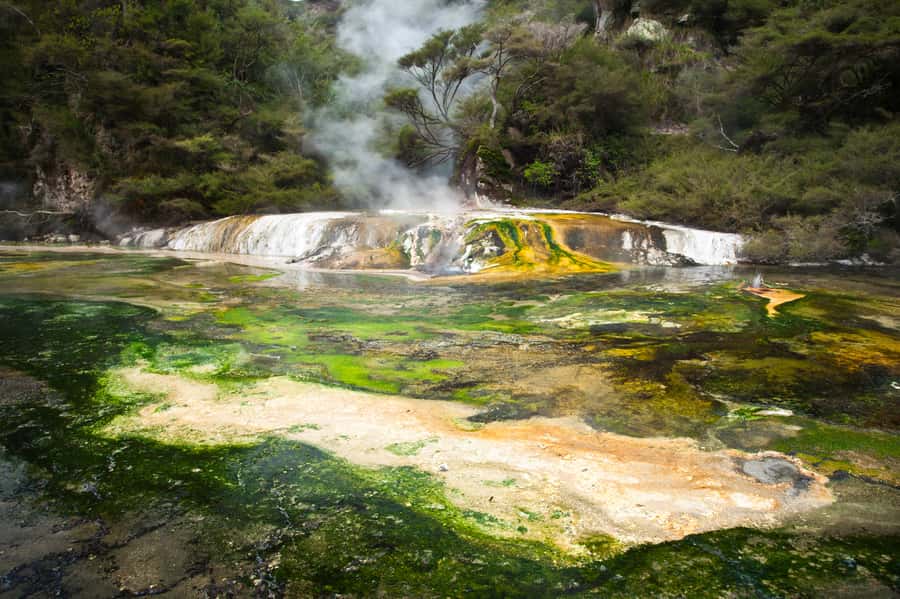
One thing that makes Waimangu more enjoyable than a “walk every step” park is the shuttle system.
- A courtesy shuttle regularly circles the valley back to the Waimangu Visitor Centre.
- You can also use the internal shuttle bus to transfer between bus stops in the valley, reducing walking distances.
- At the end of your visit, you return to the reception area by a complimentary shuttle bus.
So if your feet start making strong opinions, you can shift gears without ruining your day. I like this for mixed groups too, because it lets you try a longer walk and still regroup.
Same island, a completely different day:
- Rotorua’s Ultimate Zipline: 6 ziplines, 400 m Tandem, Cliff Walk
★ 5.0 · 2,557 reviews - Rotorua Rafting: Kaituna River White Water Rafting & Free Sauna
★ 5.0 · 1,952 reviews - Cultural Experience & Seasonal Māori Cuisine at Te Pā Tū
★ 5.0 · 1,546 reviews - Mitai Maori Village Cultural Experience in Rotorua
★ 4.5 · 1,294 reviews
First Glimpse of Geothermal: What You’ll See on Arrival
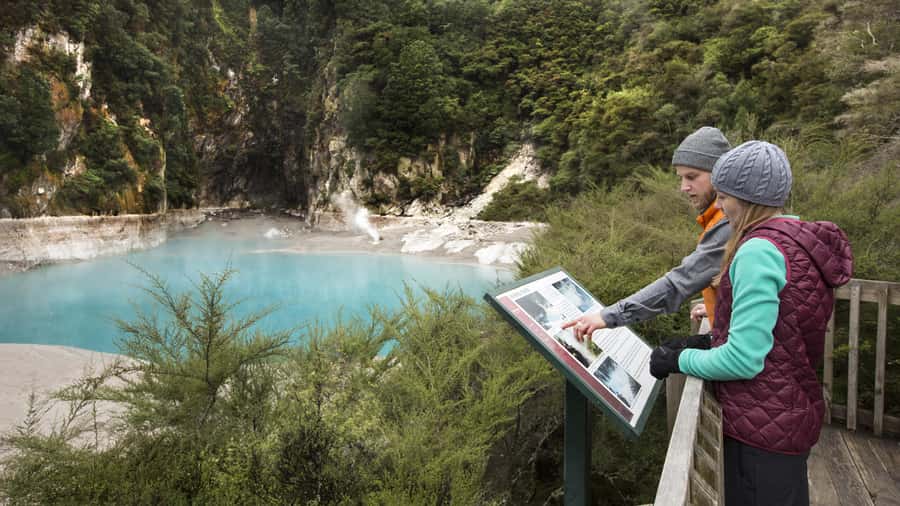
Once you enter the geothermal landscape, the park gives you those gradual “wait, what is that?” moments. You wind through features like hot springs, steam vents, and geothermal terraces surrounded by native vegetation.
The key is to slow down at decision points. That is when you will realize you are passing through zones with different levels of activity. Some areas feel like a warm cauldron underfoot, while others open into crater lake viewpoints.
Also, the park is designed so you can spot wildlife. You are in geothermal terrain, and native birds and other animals can appear when you least expect it. Keep an eye on the edges where forest meets open ground.
Echo Crater and Inferno Crater Lake: The Color You Came For
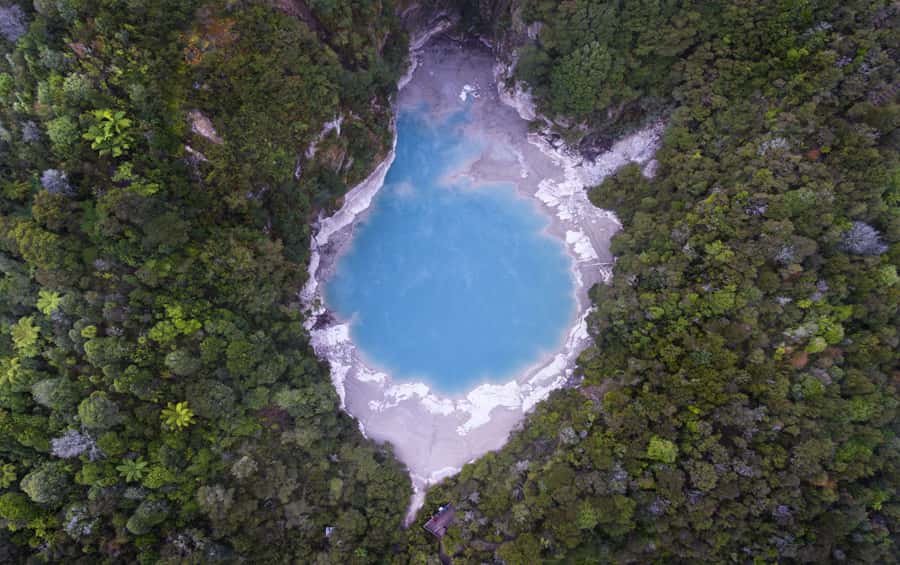
If you want a “wow” moment early, focus on Echo Crater and the Inferno Crater Lake area. The Inferno Crater Lake is famous for its dazzling blue water, and it is the kind of color that makes you look twice before your brain accepts it as real.
What makes these crater features feel rewarding is that you are not only looking at a lake. You are reading the landscape. Crater rims, geothermal activity, and the surrounding valley shape all help you understand the kind of volcanic forces that created this scene.
Practical tip: when you reach these viewpoints, give yourself a minute to orient. Use your map and the numbered stops so you know what feature you are standing next to. The info sheet is made for exactly that.
Frying Pan Lake: One of the World’s Largest Hot Springs
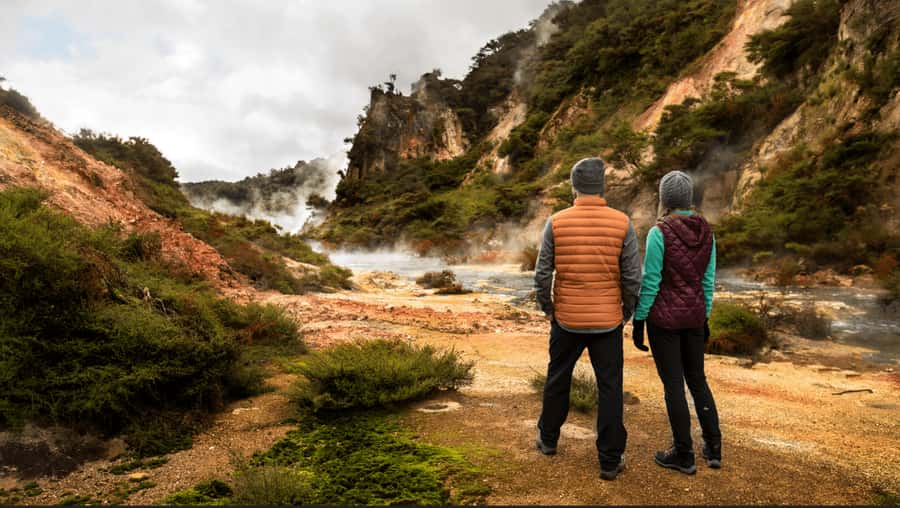
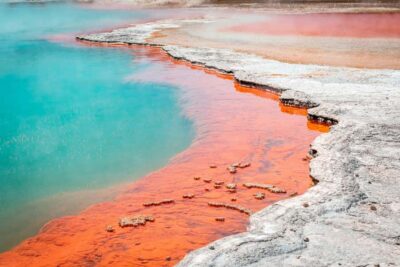
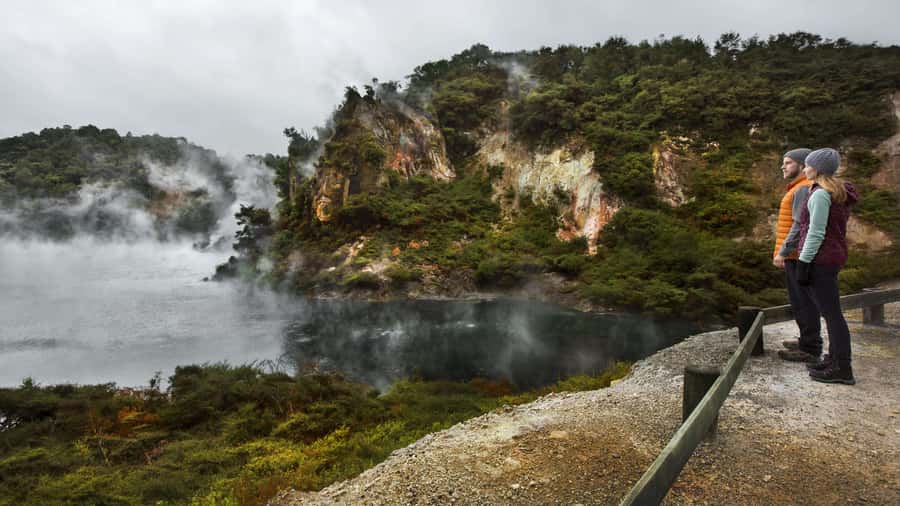
Now for the big thermal landmark, Frying Pan Lake. This hot spring is described as one of the world’s largest, and you can see why the site highlights it as a major attraction.
From a visitor perspective, this is where you really feel the scale of geothermal activity. It is not just steam rising in one corner. It is a whole thermal landscape, shaped and sustained by the heat moving through the ground.
You will often catch panoramic angles over the valley and nearby geothermal features, which makes it easier to connect the “big sight” to the smaller details like steam vents and terraces you pass along the way.
Lake Rotomahana: Wrapping Up With a Calm Ending
As you reach the end of your walk or hike, you finish at Lake Rotomahana. After all the steam, heat, and bright crater colors, Lake Rotomahana offers a quieter payoff. It helps the day feel complete, not just like you spent hours staring at boiling ground.
Finishing here also makes the route feel logical. It is a natural endpoint, and from there you are back to the reception area by shuttle, so you do not have to “recover” with a long walk back.
Walking Options: Short Views, Mid-Length Hiking, and Mount Haszard
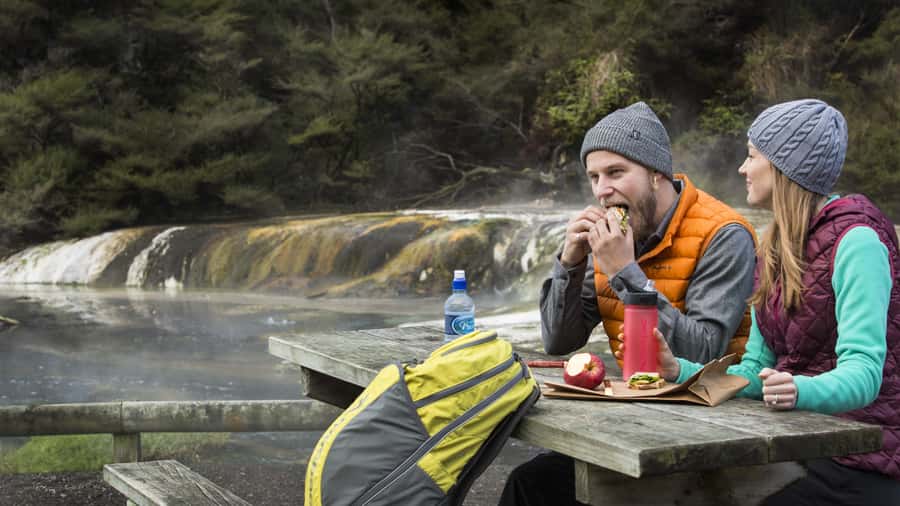
This is where Waimangu becomes flexible. You can choose a route that fits your energy level, your schedule, and how much hiking you want to do in geothermal terrain.
You will find options roughly from 45 minutes up to 4 hours. A good approach is to start with a shorter route for your first visit, then add more stops on a future day if you want.
If you are looking for a proper challenge, you can opt for the Mount Haszard Hiking Trail. The reward is high viewpoints. The trail takes you high above the valley floor for superb panoramic views of the geothermal landscape.
But here is the drawback: Mount Haszard is steep and rough in places, and it is not suitable for children, strollers, or wheelchairs. So if you are traveling with mixed ages or mobility needs, you may want to treat Mount Haszard as an optional “only if everyone is comfortable” choice.
What the Info Sheet and Numbered Stops Really Do for You
One of the most praised parts of this experience is the way you get a map with numbered sights plus an information sheet. That matters because geothermal landscapes can feel mysterious at first. Steam looks similar from a distance. Hot spring terraces can blend together. Crater viewpoints can blur into one another.
With numbered stops, you get context without needing to constantly ask questions. You can look, then read, then look again with a better understanding of what you are seeing. It turns the day from random walking into real sightseeing.
It is also helpful that the info sheet is available in multiple languages, even though the listed language here is English for the general materials you receive.
Wildlife and Native Plants: Small Moments Worth Slowing Down For
Waimangu is not only about geothermal features. It is also about the way native plants handle a harsh environment, and how birds and wildlife move through it.
Keep an eye out for wildlife unique to the geothermal terrain. You will not be chasing it like a theme park. Instead, you will notice it when you slow down: a bird on a branch, movement near the forest edge, and patterns around warmer ground.
And the native vegetation is part of the “why” behind the scenery. The geothermal heat shapes the plant life, and that makes the valley feel like an ecosystem, not just a science exhibit.
Practical Stuff: What to Bring for a Comfortable, Safe Visit
Waimangu is outdoor walking in changing geothermal conditions. Pack for the weather, not your home forecast.
Bring:
- Comfortable shoes with solid grip
- Sunglasses and a sun hat
- Sunscreen
- Rain gear
- Weather-appropriate clothing
Wear flat walking shoes and dress in layers. Even on a clear day, conditions near hot ground can feel different from open viewpoints. If it rains, you will want traction and protection.
Not allowed: pets, with assistance dogs allowed.
Price and Value: Is $44 Worth It?
At about $44 per person for entry, Waimangu is not a budget-freebie. But it also is not just a ticket to a view platform. You get self-guided access to a wide geothermal valley, multiple trail-length options, and shuttle support.
For me, the value comes from four things:
- You are not locked into a single walking route.
- You get independent pacing, which lets you spend real time at the crater lakes and big thermal areas.
- The numbered map and information sheet add meaning, not just “permission to wander.”
- The shuttles reduce fatigue, so you are more likely to see the full sweep of the valley rather than calling it quits early.
If you enjoy walking at your own pace and you like learning what you are looking at without joining a full guided group, this price feels fair.
Who This Is Best For (and Who Might Skip)
Waimangu is a great fit if:
- You like geothermal sights and want to connect the features into one landscape.
- You want flexibility, short walk today and longer hike another day.
- You prefer self-guided exploring with a helpful map system.
- You are traveling with different walking abilities, since shuttles help you regroup.
It is less ideal if:
- You need wheelchair access. The park is not suitable for wheelchair users.
- You do not want steep, rough trail options, since Mount Haszard is demanding.
- You expect a fully guided, single-script experience, because this is self-guided.
Should You Book This Ticket?
Yes, if you want a memorable geothermal walk you can tailor to your energy level. The ticket is strongest for people who like sightseeing with context, not just strolling. The numbered sights approach means you get more out of Echo Crater, Inferno Crater Lake, and Frying Pan Lake, even when you are walking alone.
Book it if you are okay with outdoor walking and you pack for sun and rain. Skip or plan carefully if mobility is limited, because while shuttles help with distance, the park is not set up for wheelchair use.
If Waimangu is on your Rotorua or Taupo route, I would treat it as a must-visit geothermal day and plan a relaxed 2 to 4 hours inside the valley.
Just added near Rotorua
- White Island & Mount Tarawera Floatplane Adventure★ 5.0 · 8 reviews
- Whirinaki Forest Footsteps: Māori Guided Tour, Picnic & Transfer★ 5.0 · 5 reviews
- Wonderworld Rotorua – New Zealand’s leading maze park★ 5.0 · 11 reviews
- Whaka Geothermal Trails Self-Guided Tour★ 3.5 · 44 reviews
- Rotorua Sledging White Water Sledging | Kaitiaki Adventures★ 5.0 · 90 reviews
- Rotorua to Auckland Afternoon Transfer with Waitomo Glow Worms★ 4.5 · 22 reviews
- Private Tour Waiotapu Geothermal Shore Excursion up to 8 passengers★ 5.0 · 6 reviews
- Wai Ariki Hot Springs and Spa Restorative Journey (2hrs)★ 4.5 · 73 reviews