
REVIEW · MAORI CULTURAL EXPERIENCES
Te Puia: Te Rā Guided Day Tour
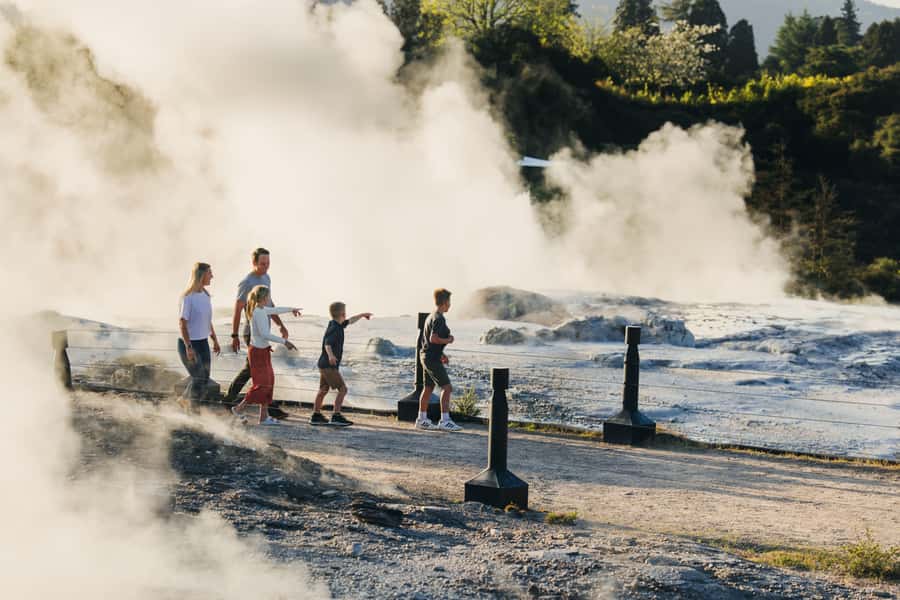
Geysers, craft, and kiwis in one tight tour. I love the up-close viewing of Pōhutu Geyser and the real kiwi moment at the Kiwi Conservation Centre, both packed into a focused 90 minutes. One possible drawback is that the format is tight, so you will move along even if you want more time to linger.
The Māori side is the other reason this tour works. You get a guided look at the New Zealand Māori Arts and Crafts Institute (plus Āhua Gallery), where traditional skills like weaving and carving are the point, not just decoration. If you are expecting a slow, wander-around visit, adjust your expectations.
In This Review
- Key things that make Te Rā worth your time
- Te Puia in 90 minutes, the practical way to see Rotorua geothermal
- Rotorua start point at Te Puia, and how the tour pacing feels
- Te Whakarewarewa Geothermal Valley, geysers and mud pools in one guided loop
- Best viewing points, why your guide matters around Pōhutu
- New Zealand Māori Arts and Crafts Institute and Āhua Gallery, what you actually learn
- Kiwi Conservation Centre, seeing a national icon in a nocturnal enclosure
- How to get the most out of your guide, from Paul to Michael
- Price and value, what you are really paying for at $59
- Who should book this Te Rā tour, and who should think twice
- Should you book Te Puia Te Rā?
- FAQ
- How long is the Te Puia Te Rā guided day tour?
- How much does the tour cost?
- Where do I meet for the tour?
- What is included in the price?
- Is food or drink included?
- Is hotel pickup or drop-off included?
- Is it suitable for wheelchair users or mobility issues?
Key things that make Te Rā worth your time
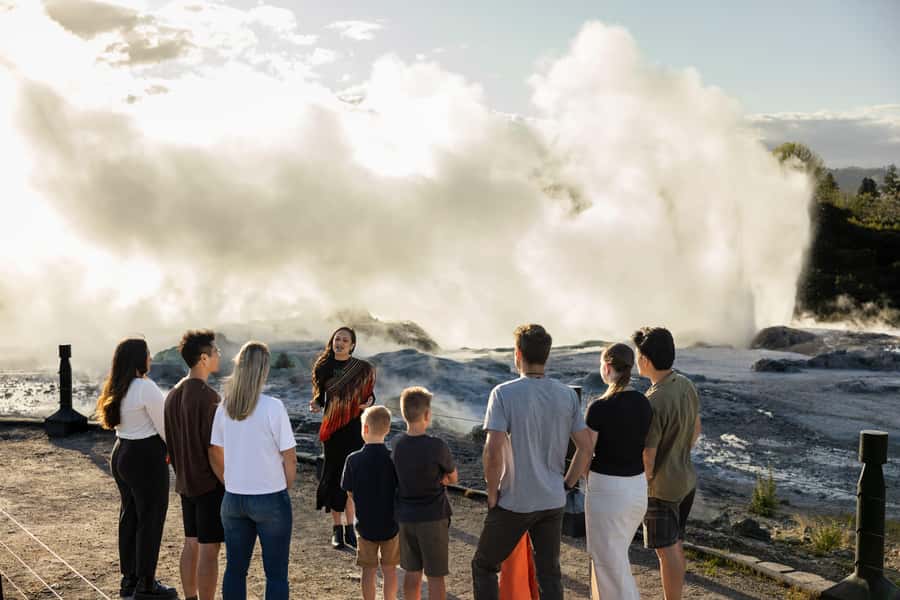
- Pōhutu Geyser viewing, with guidance on where to stand for the best look
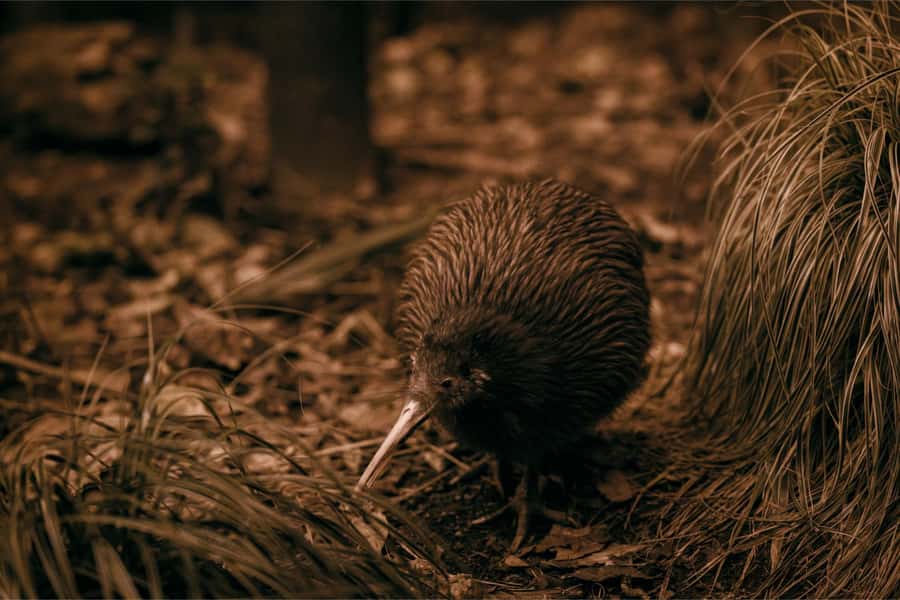
- Kiwi Conservation Centre, including a specially designed nocturnal enclosure
- Māori Arts and Crafts Institute + Āhua Gallery, tied to living skills like carving and weaving
- Te Whakarewarewa Geothermal Valley, geysers, mud pools, and native bush in one guided loop
- Guides with personality, with several recent guides like Paul, Michael, and Makaere getting praised for energy and clear explanations
Te Puia in 90 minutes, the practical way to see Rotorua geothermal
Te Puia is one of Rotorua’s easiest “yes” stops. In this 90-minute Te Rā guided day tour, you get the core Te Puia experience without needing a full day of planning, ticket stacking, and routing. It is a neat solution if you have one morning or afternoon and want the big-ticket items done properly.
I like how the tour groups three themes that usually get separated: geothermal action, Māori arts education, and kiwi conservation. That matters because Rotorua can feel repetitive if you only chase steam and boiling pools. Here, the guide keeps the story moving, so the land features and the human culture context travel together.
The tradeoff is time. Some parts of Te Puia reward lingering, especially if the weather is great or you want to study displays. If you like to slow down and take lots of photos, plan on doing a bit of extra self-guided time after the 90 minutes if your schedule allows.
More Maori Cultural Experiences in Rotorua
- Mitai Maori Village: Cultural Experience and Dinner Buffet
★ 4.7 · 3,575 reviews - Cultural Experience & Seasonal Māori Cuisine at Te Pā Tū
★ 5.0 · 1,546 reviews - Mitai Maori Village Cultural Experience in Rotorua
★ 4.5 · 1,294 reviews
Rotorua start point at Te Puia, and how the tour pacing feels
You meet at Te Puia in Rotorua, and you should arrive about 15 minutes early. That timing is not fussy, it just helps you get in, meet your guide, and settle before the walk starts.
Because the tour is only 90 minutes, the pacing is naturally “efficient.” The walk through the geothermal valley is guided, the arts and crafts portion takes a set amount of time, and then you move into the kiwi area. The upside is you do not waste time figuring out what to see first. The downside is you may not get the leisurely, unhurried exploring that some people want at craft displays.
A small practical tip: wear shoes you can move in comfortably. This is a working site with uneven terrain and steam, and several people emphasize good footwear in their recommendations.
Te Whakarewarewa Geothermal Valley, geysers and mud pools in one guided loop
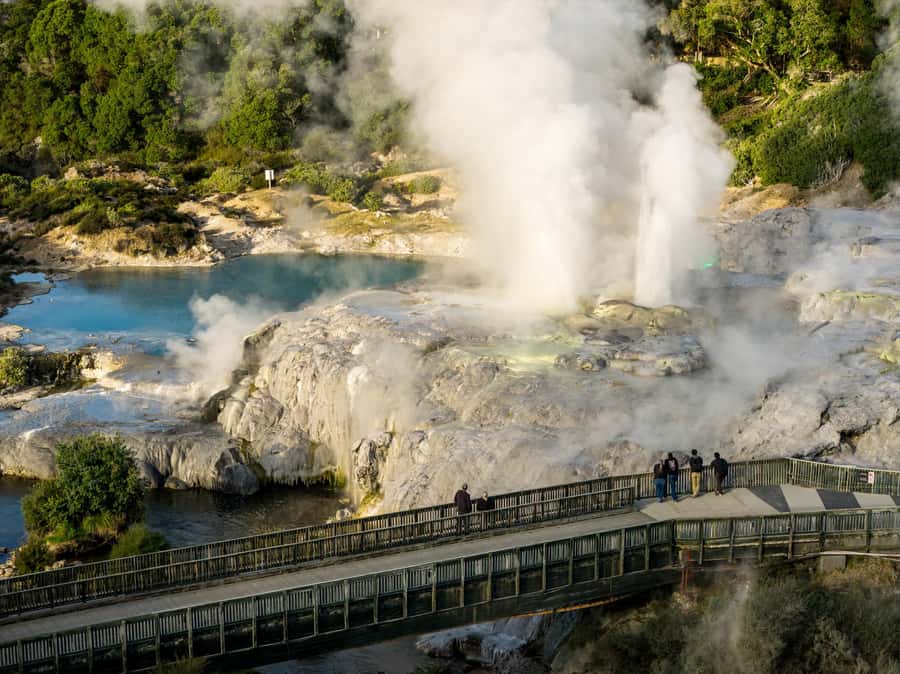
The heart of Te Rā is the geothermal valley at Te Whakarewarewa Geothermal Valley. You will see geysers, bubbling mud pools, and native bush, all explained along the way by your guide. Even if you have seen geothermal areas elsewhere, this one has a very Te Puia feel, with the sights grouped so a short tour still feels complete.
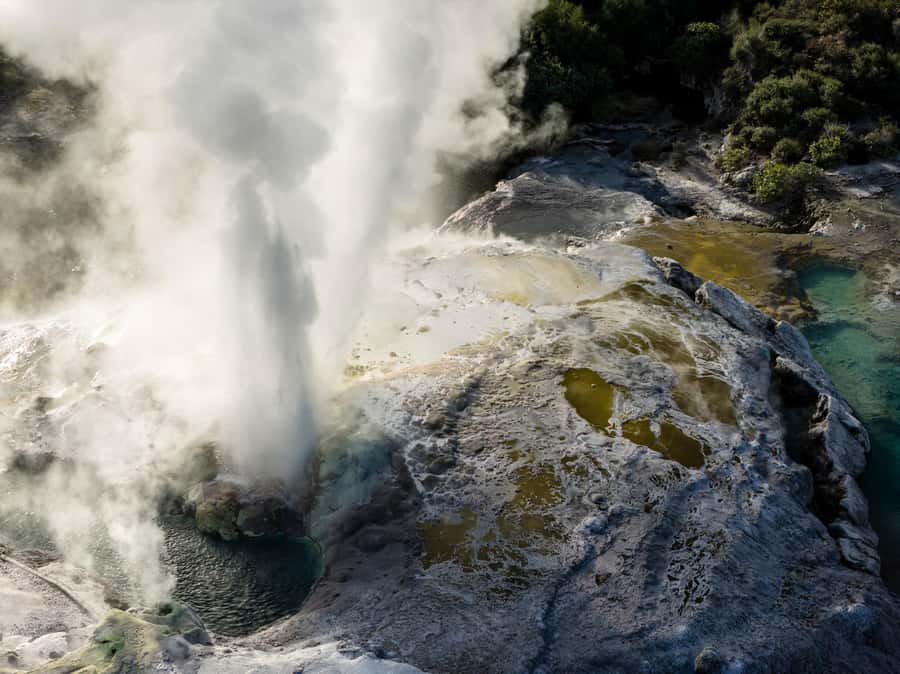
Your big moment is the chance to get close to Pōhutu Geyser. The geyser is described as the largest active geyser in the southern hemisphere, and the tour is built around your visit and viewing. In colder or wetter weather, the visual experience can shift, and one visitor notes the plume looked more steamy during rain. That is not a problem, it just means your photos and your expectations should adapt.
What makes the geothermal part satisfying is the combination of surfaces. Geysers bring the drama, while mud pools show the constant motion and the texture of the geothermal world. Native bush nearby adds a calmer contrast, so the tour does not feel like pure sci-fi steam the whole time.
Best viewing points, why your guide matters around Pōhutu
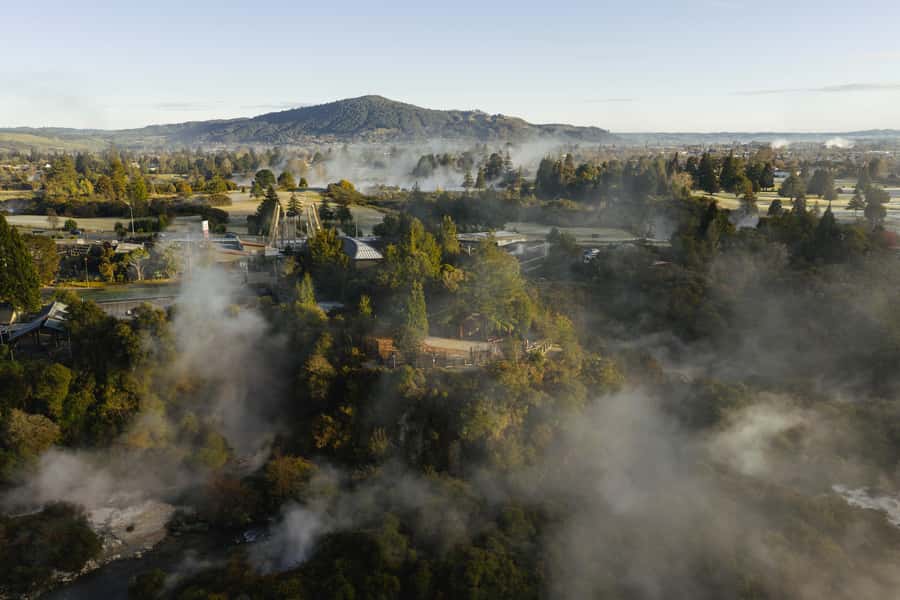
In geothermal areas, “best view” is not one fixed spot. Steam drifts, crowds move, and the angle changes what you see. This is where a good guide changes the whole experience.
Several guides get mentioned in the feedback for helping people with exactly where to stand and when to look. For example, people call out tips from guides like Paul and Makaere, including recommendations on positioning for geyser viewing. If you want clearer photos, or you simply do not want to miss the action, listen closely during the viewing instructions and do not be afraid to ask where to go next.
Group size can also affect hearing. One review suggests that a mic or radio would help in larger groups, so if you are farther back, pay attention early, move toward the front when possible, and be ready for the guide to refocus the group quickly.
Same island, a completely different day:
- Rotorua Canopy Tours: 2.5Hour Native Forest Zipline Adventure
★ 5.0 · 4,563 reviews - Rotorua: Wai-O-Tapu Geothermal Park Entry Ticket
★ 4.6 · 2,601 reviews - Rotorua’s Ultimate Zipline: 6 ziplines, 400 m Tandem, Cliff Walk
★ 5.0 · 2,557 reviews - Rotorua Rafting: Kaituna River White Water Rafting & Free Sauna
★ 5.0 · 1,952 reviews
New Zealand Māori Arts and Crafts Institute and Āhua Gallery, what you actually learn
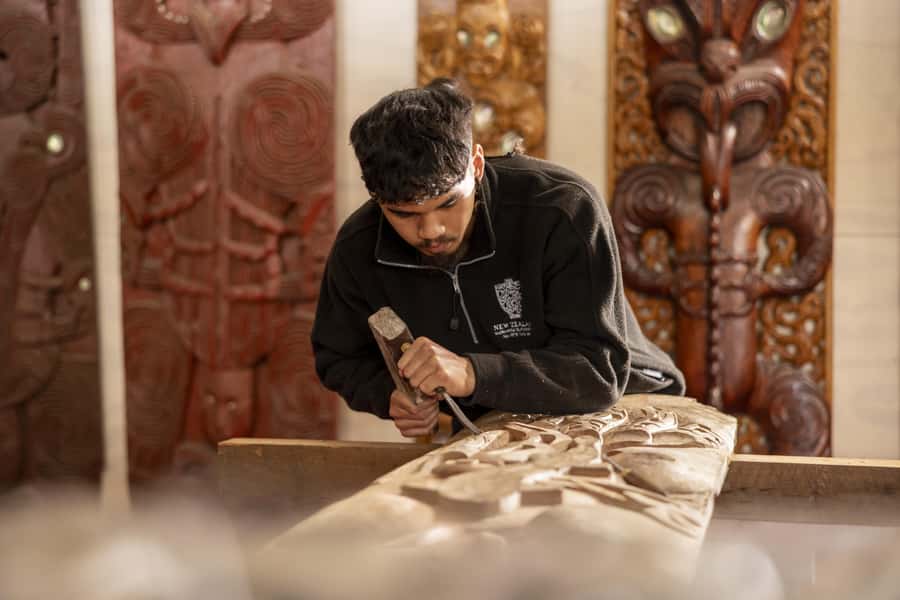
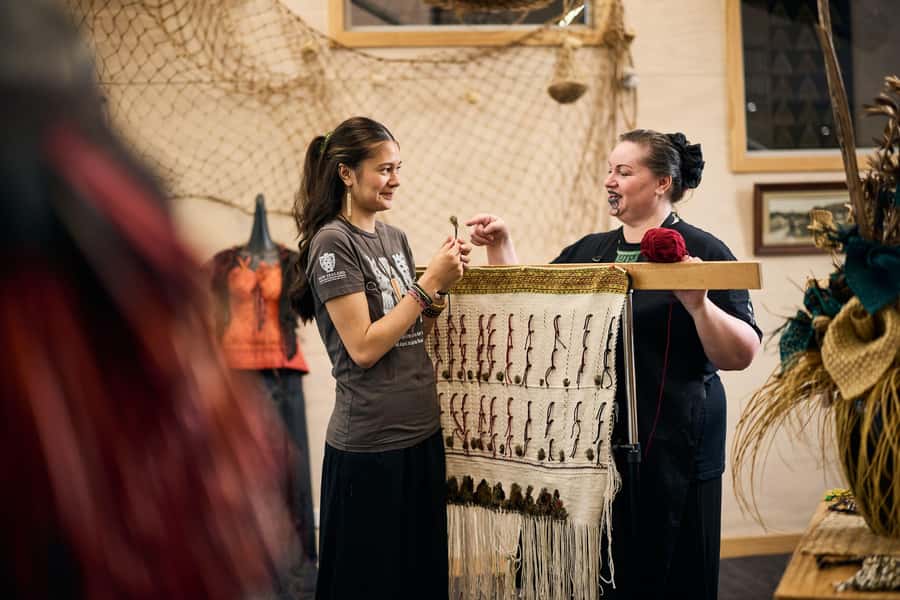
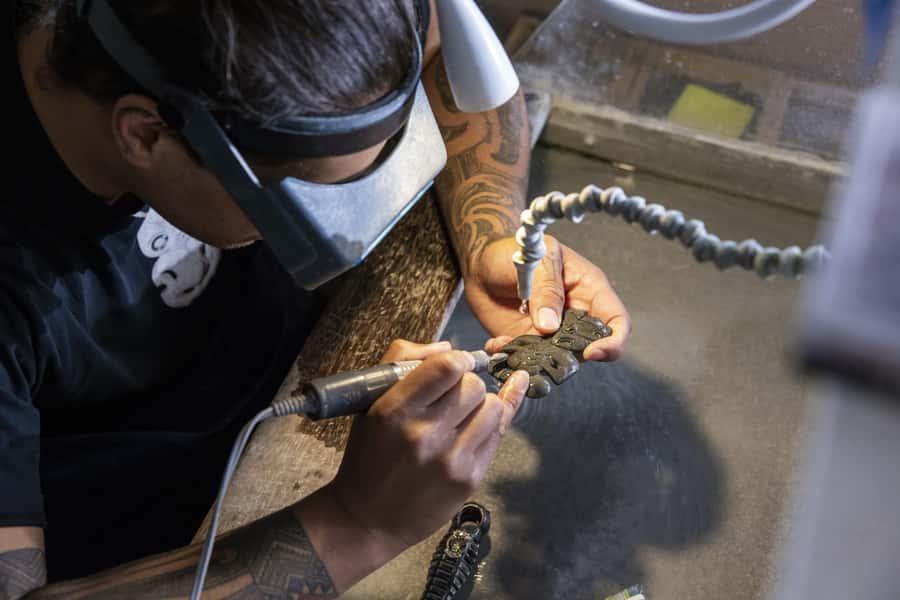
After the geothermal valley, the tour shifts into culture at the New Zealand Māori Arts and Crafts Institute and Āhua Gallery. This is not just a photo stop. The institute is a learning center where students develop traditional skills, including weaving and carving, with training in wood, stone, and bone.
What I like about this stop is the “skills first” approach. Māori arts here are presented as living knowledge passed down through practice. That changes how you look at the artwork, because you are not just viewing finished pieces, you are seeing the educational purpose behind them.
There is also value in the wānanga approach described for the institute. A wānanga is a school rooted in indigenous culture, and the tour guide frames it that way, not as a generic museum narrative. If you care about how cultures continue through education, this part feels more grounded than a typical short cultural performance.
One practical note: because the tour is only 90 minutes, some visitors say they felt the geothermal part or the arts portion was a bit rushed. If you want extra time to read displays or examine details, you may want to budget additional self-guided wandering after the guided segment.
Kiwi Conservation Centre, seeing a national icon in a nocturnal enclosure
The final major component is the Kiwi Conservation Centre, where you visit the kiwi in a specially designed nocturnal enclosure. This is a key reason people rate Te Rā so highly. Seeing kiwis in real life is one thing, but seeing them in a setup designed for their needs is another.
The tour experience is built for that moment, and it helps to know what you are walking into. A nocturnal enclosure can mean the birds behave differently than you expect. Even so, the chance to see a kiwi up close is the kind of Rotorua moment you remember, especially if you are not planning a separate kiwi-focused outing.
Several reviews highlight the kiwi encounter as a top reason to go, with guides like Michael and Nate praised for making the information clear and the visit exciting. If you are hoping for maximum chances to see movement, ask your guide for the best time to look and keep your eyes on the enclosure view the guide points out.
How to get the most out of your guide, from Paul to Michael
Because this is a guided tour, the guide really shapes the experience. And in the feedback, guide quality shows up again and again. People mention names like Paul, Michael, Makaere, Nate, Kohu, and Mita, often describing them as friendly, energetic, and able to answer questions.
Use that to your advantage. If you want better geyser viewing, ask where the group should stand. If you are curious about carving or weaving, ask how the institute teaches the skills, and what you should notice in the finished works. This is how the tour stops feeling like a checklist and starts feeling like a guided conversation.
Also, if your group includes people with specific needs, do not assume the operator cannot handle it. One review specifically mentions good catering for coeliacs. Since food is not included on this tour, that does not mean you will get a meal here, but it does suggest staff pay attention to dietary requirements when relevant.
Price and value, what you are really paying for at $59
At $59 per person for 90 minutes, Te Rā is not a “cheap add-on,” but it also is not a long, high-cost full-day experience. The value comes from three bundled elements that each cost time and money on their own: entry to Te Puia, a guided tour, and access to both the geothermal valley and the kiwi conservation site, plus the Māori arts institute and Āhua Gallery.
I think this is fair value if you want the highlights without building an itinerary from scratch. It is especially good for first-timers in Rotorua because it packs the core identity of Te Puia into one guided flow. If you already know you will spend hours at the arts institute or want a deeper, self-paced geothermal study, then a shorter guided option might feel limiting.
So here is the simple test: if you want a smart, guided overview with the big sights done well, this price makes sense. If your goal is slow, detailed exploration, add time on your own after the tour, or consider a longer experience.
Who should book this Te Rā tour, and who should think twice
This is best for you if:
- you want geothermal plus Māori culture plus kiwi in one outing
- you like having a guide connect the dots while you walk
- you are short on time in Rotorua but still want the major Te Puia highlights
It might not be the best fit if:
- you want to linger at the arts displays and study everything at length
- you dislike group pacing, or you have hearing challenges that make it hard to catch explanations in busier moments
One important note to check: the tour is listed as wheelchair accessible, yet it is also listed as not suitable for people with mobility impairments. If mobility is a factor for you, confirm what surfaces and paths look like in practice for your specific needs.
Should you book Te Puia Te Rā?
Yes, I think you should book if you want a tight, high-impact Te Puia introduction. The combination of Pōhutu Geyser viewing, Māori arts education at the institute and Āhua Gallery, and the kiwi encounter in a nocturnal enclosure is a strong trio for the price and time.
Book with realistic expectations though. This is a 90-minute guided tour, so you will get guidance and highlights, not an unlimited, slow museum crawl. If you want to really absorb the crafts and details, plan to spend a bit of extra time on your own at Te Puia after the tour ends.
FAQ
How long is the Te Puia Te Rā guided day tour?
The tour runs for 90 minutes.
How much does the tour cost?
It is $59 per person.
Where do I meet for the tour?
You meet at Te Puia in Rotorua, New Zealand. Arrive 15 minutes before the scheduled departure time.
What is included in the price?
Entry to Te Puia, a guided tour, Te Whakarewarewa Geothermal Valley, the Kiwi Conservation Centre, and the New Zealand Māori Arts and Crafts Institute and Āhua Gallery are included.
Is food or drink included?
No. Food and drinks are not included.
Is hotel pickup or drop-off included?
No. Hotel pickup and drop-off are not included.
Is it suitable for wheelchair users or mobility issues?
It is listed as wheelchair accessible, but it is also listed as not suitable for people with mobility impairments. If mobility affects you, check the details before booking.
Just added near Rotorua
- Thrilling Riverbug Adventure on the Rangitāiki River★ 5.0 · 4 reviews
- Te Puia: Tuku Iho Trail with Cultural Show★ 5.0 · 5 reviews
- Te Puia: Te Pō Indigenous Combo – Tour, Dinner + Haka★ 4.4 · 52 reviews
- Te Puia: Te Rā Guided Day Tour + Haka Cultural Performance★ 4.7 · 128 reviews
- Tauranga: Wai-o-Tapu with Redwood Forest Walk or Forest Spa★ 5.0 · 4 reviews
- Taupo: Orakei Korako Geothermal Park and Cave Entry Ticket★ 4.6 · 158 reviews
- Rotorua: White Island, Mount Tarawera & Waimangu Volcanic …★ 4.4 · 5 reviews
- Rotorua: Velocity Valley – One Ride Pass★ 4.9 · 15 reviews
Maori Cultural Experiences, compared.
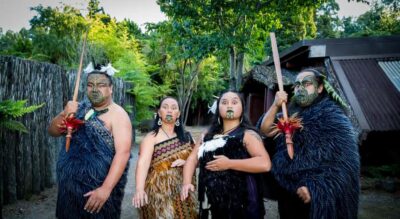
Mitai Maori Village: Cultural Experience and Dinner Buffet
Read our review →
Cultural Experience & Seasonal Māori Cuisine at Te Pā Tū
Read our review →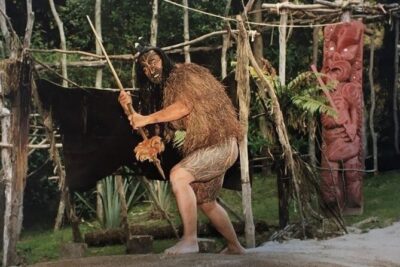
Mitai Maori Village Cultural Experience in Rotorua
Read our review →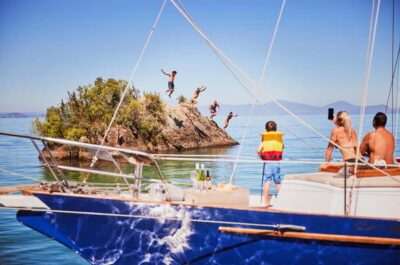
Lake Taupo: Classical Sailing to the Māori Rock Carvings
Read our review →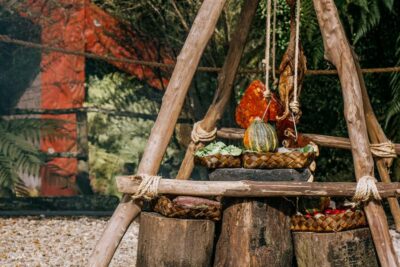
Te Pa Tu Māori Cultural Experience with Dinner
Read our review →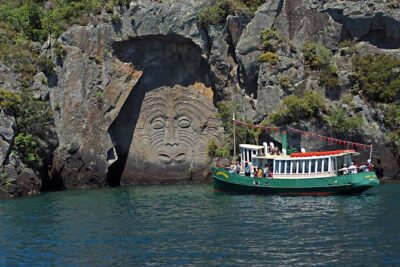
Lake Taupō Māori Rock Carvings Scenic Cruise aboard Ernest Kemp
Read our review →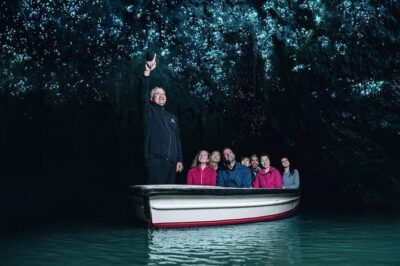
Waitomo Caves & Rotorua – Te Puia Small-Group Tour from Auckland
Read our review →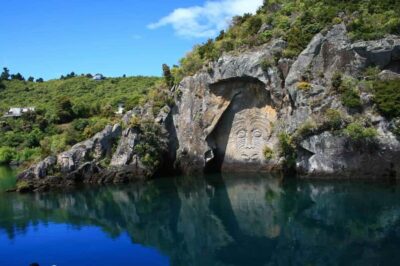
Lake Taupo: Maori Rock Carvings 10.30 AM 1.5-Hour Cruise
Read our review →Browse the lists this tour appears in