
REVIEW · ROTORUA TOURS
Rotorua: Whakarewarewa Village Guided Tour
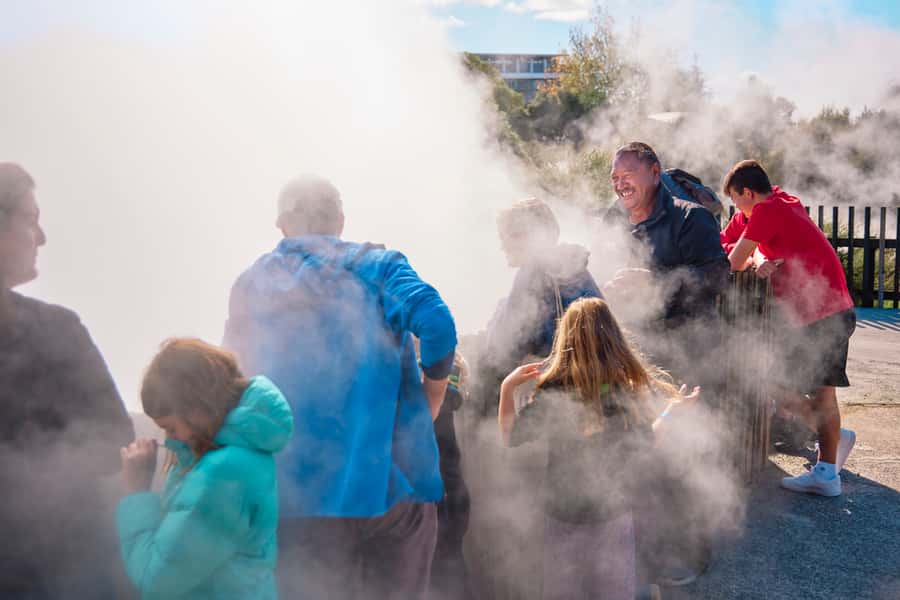
Steam, song, and answers, all in one hour. The Whakarewarewa Legacy Guided Tour pairs living Maori hospitality with real geothermal life, from steam vents to lookout views of the Pōhutu geyser. I love how you’re not just watching from a distance, you’re being guided through how people cook, bathe, and live on a geothermal plateau.
What really makes it click is the mix of culture and practical, on-the-ground moments. You’ll taste corn on the cob cooked using the village’s natural geothermal resources, and you’ll also spend time around an active marae, where Maori community life gathers and continues. The guides bring the idea of manaakitanga to the front, meaning welcome, care, and good explanations, not a rushed script.
One thing to keep in mind: this is a short, outdoor tour in all weather, so mist and steam can affect what you clearly see at any given moment. And because the route is tight, you might not catch every kind of geothermal feature every time.
In This Review
- Key things you should notice before you go
- Whakarewarewa is the Rotorua Maori village tour that feels lived-in
- Your one hour: what happens between Geyser Café and the geothermal valley
- Geothermal cooking and bathing: the daily routine part is the magic
- Pōhutu geyser lookouts: seeing the valley without the guesswork
- Marae, WWII memorial archway, churches, and tapu burial grounds
- The sweet bonus: corn on the cob cooked in mineral heat
- Price and value: does $28 buy you enough?
- Weather, shoes, and getting the best photos
- Who this tour suits best
- Should you book this Whakarewarewa Legacy Guided Tour?
- FAQ
- How long is the Whakarewarewa Village Guided Tour?
- Where does the tour start?
- Is admission and the guided tour included in the price?
- Do I need to exchange a voucher before the tour?
- What language is the live guide?
- Will the tour run in bad weather?
- What should I bring?
- Is the tour wheelchair accessible?
- What is the cancellation window for a full refund?
Key things you should notice before you go
- Living guides, not actors: the tour is led by people connected to the village, with stories shaped by daily life.
- Pōhutu geyser views from lookouts: you get panoramic valley perspectives, not just one angle.
- Cooking and bathing with geothermal power: it’s explained as a normal routine, not a one-time demo.
- Corn cooked in mineral heat: you’ll see the geothermal resource in action, then eat the result.
- You pass important sacred and historic sites: marae, churches, WWII memorial, and tapu burial grounds are part of the walk.
Whakarewarewa is the Rotorua Maori village tour that feels lived-in
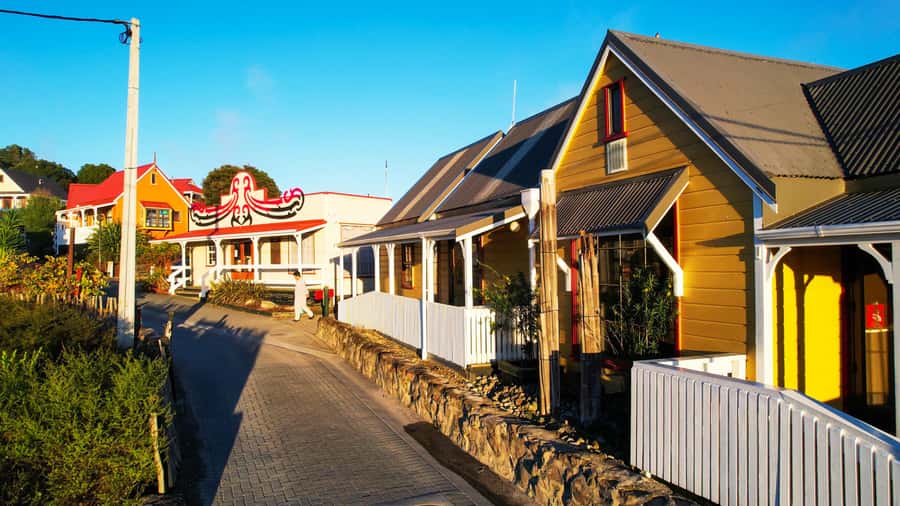
Rotorua can be a blur of thermal attractions, but Whakarewarewa works because it’s a living community, not a museum set. The village still uses natural geothermal resources for everyday needs, so your guide can explain what steam, bubbling pools, and hot terrain mean for real routines.
I also like the way the tour is framed as continuity. The guides are described as direct descendants of early Maori guides, and that matters because it’s not just storytelling. It’s a perspective that connects the geothermal valley to generations of tourism, hospitality, and identity.
The tone is friendly and often funny. Names like Faye, Teeao, Daniel, and Keighly show up repeatedly in guest feedback as passionate hosts who answer questions well. If you like learning through conversation rather than lectures, this is the kind of tour that tends to fit.
A few more Rotorua trips worth comparing
- Rotorua Canopy Tours: 2.5Hour Native Forest Zipline Adventure
★ 5.0 · 4,563 reviews - Mitai Maori Village: Cultural Experience and Dinner Buffet
★ 4.7 · 3,575 reviews - Rotorua: Wai-O-Tapu Geothermal Park Entry Ticket
★ 4.6 · 2,601 reviews
Your one hour: what happens between Geyser Café and the geothermal valley
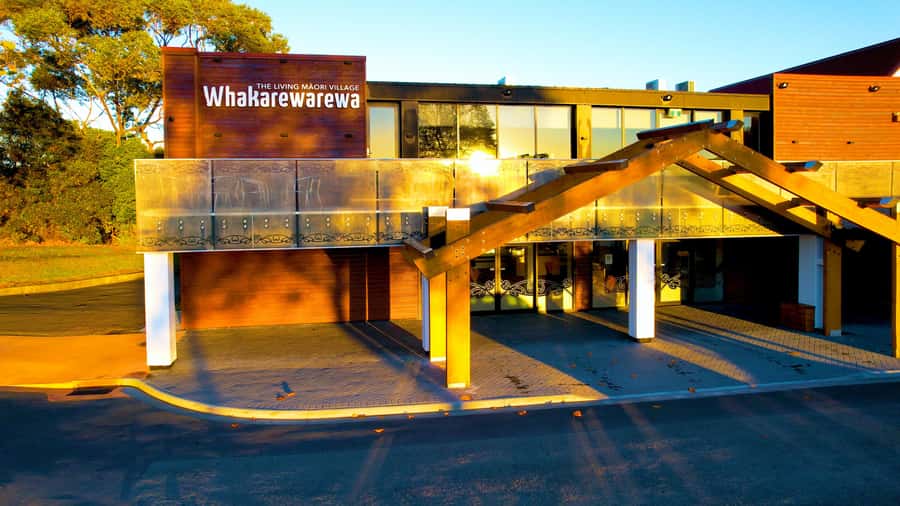
The tour starts at Geyser Café, and you’ll want to arrive about 15 minutes early. You exchange your voucher at the admissions building before the tour begins, then the group gathers for a short safety briefing, about 5 minutes.
From there, the tour moves through the village at a walking pace that’s fast enough to cover key stops but slow enough to ask questions. Expect the guide to point out features as you go, including how people cook using geothermal heat and where bathing happens in therapeutic waters.
Because the tour is only 1 hour, pacing is everything. The best way to make it feel full is to go in with a couple of questions ready, like how geothermal life shapes daily routines, or what makes the marae central to community gatherings. Then listen closely when your guide describes each geothermal area, including what you should and should not do around active steam zones.
Geothermal cooking and bathing: the daily routine part is the magic
The most valuable part for me is that you learn geothermal life as something functional, not just dramatic. On this guided walk, you’ll see how people use natural geothermal resources to cook, bathe, and even heat homes, the way they have for centuries.
The guide explains what it’s like to live on the geothermal plateau, where steam vents and hot ground aren’t occasional attractions. They’re part of how the village works. That changes how you look at the whole valley once you’ve heard the explanations.
You’ll also get direct visibility of geothermal wonders, including the bubbling pools and steam vents. There are boiling hot pools in the village area, and the tour highlights what those features are used for, including cooking. The result is that you end up appreciating the landscape in a very literal way, steam here means warmth and heat sources, not just a pretty backdrop.
Pōhutu geyser lookouts: seeing the valley without the guesswork
One of the promised highlights is panoramic viewing from lookouts. In practice, that means you get a bigger sense of the geothermal system rather than only isolated bursts.
The tour specifically points you toward the world-famous Pōhutu geyser. You’ll also see other geothermal features in the valley such as boiling mud pools, steam vents, and bubbling pools. Even in a short tour, this stop gives you that Rotorua wow factor, but with context.
A practical tip: steam and weather can change visibility fast. If you’re hoping for the clearest view of bubbling and eruption activity, ask your guide where to stand for the best sightlines at each lookout. And keep your camera ready, but don’t rush ahead, the guide’s route is timed around what you can safely and realistically see.
Same island, a completely different day:
- Rotorua’s Ultimate Zipline: 6 ziplines, 400 m Tandem, Cliff Walk
★ 5.0 · 2,557 reviews - Rotorua Rafting: Kaituna River White Water Rafting & Free Sauna
★ 5.0 · 1,952 reviews - Cultural Experience & Seasonal Māori Cuisine at Te Pā Tū
★ 5.0 · 1,546 reviews - Mitai Maori Village Cultural Experience in Rotorua
★ 4.5 · 1,294 reviews
Marae, WWII memorial archway, churches, and tapu burial grounds
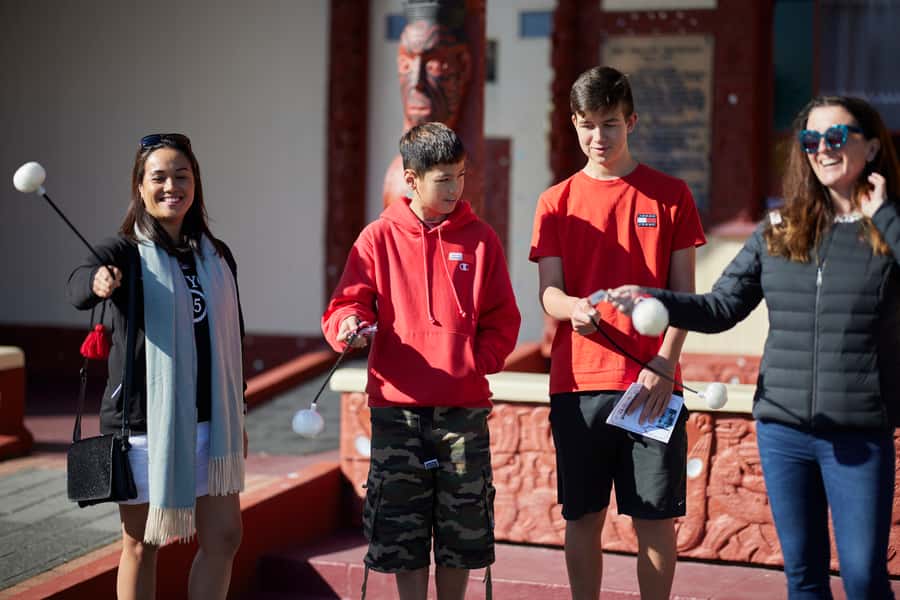
This tour isn’t only about steam. It also includes historic and sacred landmarks that explain how the village is organized and what has meaning beyond tourism.
You’ll view an active marae, described as meeting grounds and a focal point of Maori communities. That’s important because it turns the experience from sightseeing into cultural literacy. When your guide explains the marae’s role, the buildings stop being scenery and start being part of community life.
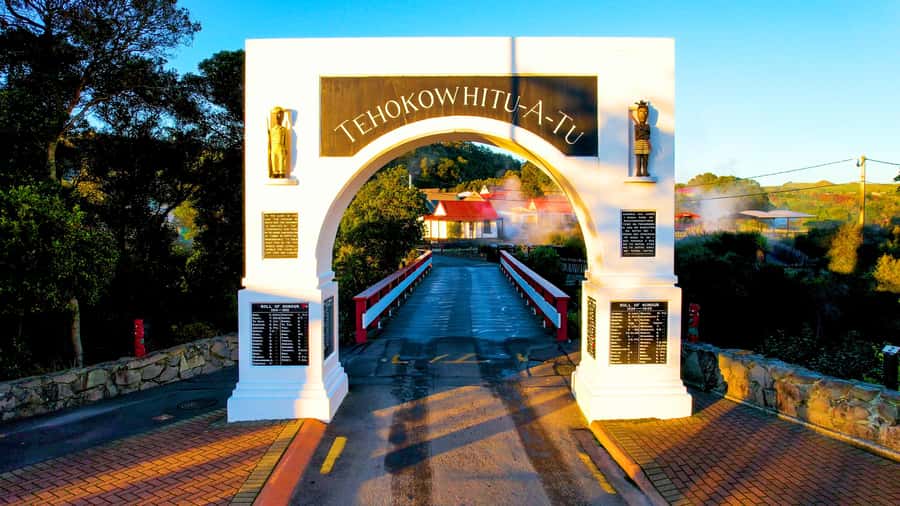
You’ll also pass or view the WWII Memorial Archway, along with historic churches and tapu burial grounds. Tapu burial grounds are sacred spaces, and the tour’s inclusion of them is a reminder that geothermal wonders sit inside a living place with spiritual boundaries.
If you care about doing respectful tourism, this is a good choice. Follow your guide’s pace and instructions, and keep your questions thoughtful. The guides are presenting their home, not performing a theme park script.
The sweet bonus: corn on the cob cooked in mineral heat
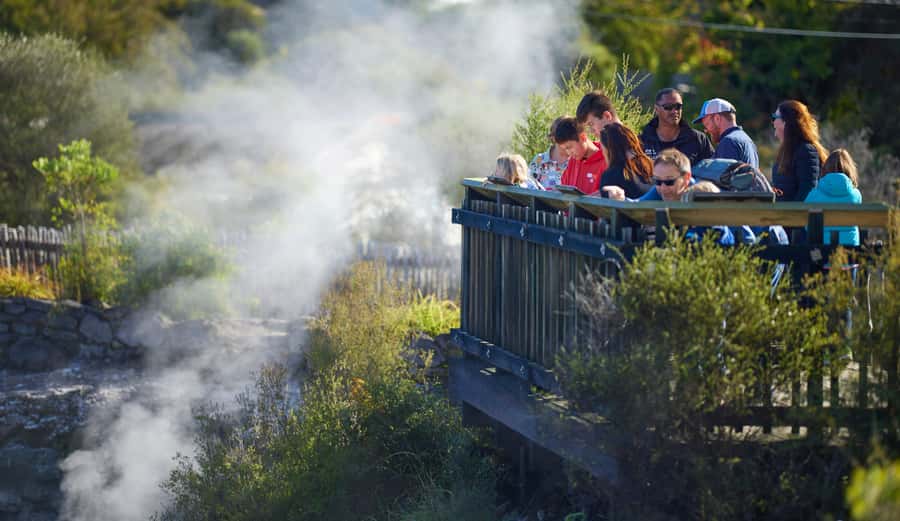
Yes, you eat on this tour, and it’s not an afterthought. Corn on the cob is included, cooked using the village’s geothermal resources.
In guest feedback, the corn experience is often described as impressive because it’s prepared right there. One common detail is that the guide pulls the corn fresh from the sulphur natural pool in front of the group, then serves it while it’s hot. Even if you’ve had street food in lots of places, this one tends to land because you can connect the taste to the steam and heat sources you just learned about.
What to expect: the corn is hot, so take your first bite carefully. Bring a camera if you want a record of the moment, just don’t let filming slow you down too much during the walking parts.
Price and value: does $28 buy you enough?
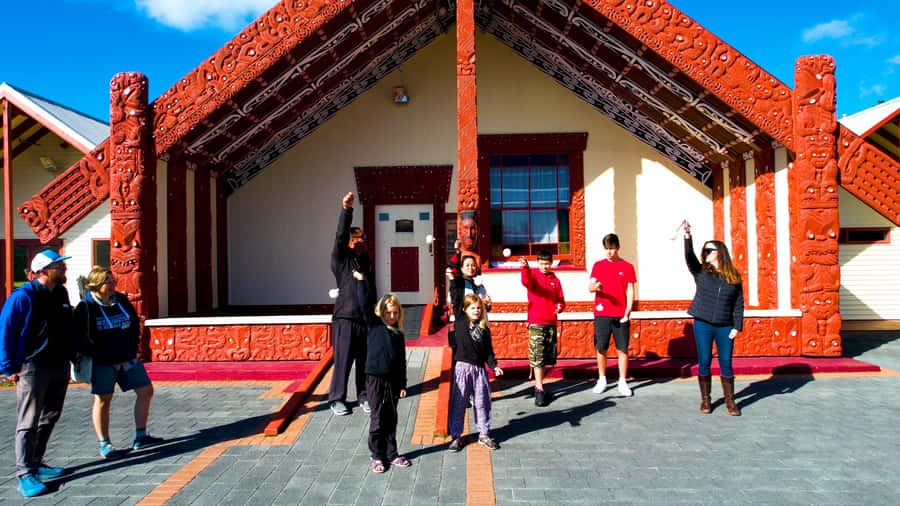
At about $28 per person for a 1-hour guided tour, this is a reasonable value in Rotorua because you’re paying for three things at once: admission, a live guide, and hands-on tasting.
Here’s how the math tends to make sense for most people:
- Short tours are easier when you’re limited by energy or time, and 1 hour is a sweet spot.
- You’re not only seeing geothermal features, you’re getting explanations tied to daily life in the village.
- The included corn cooked on-site adds a tangible payoff without forcing you into extra spending.
If your itinerary has room for just one village-style cultural stop, this can be a strong pick. If you’re doing multiple thermal sights in a day, the guided format helps you understand what you’re seeing and not treat every steam vent as a repeat photo opportunity.
Weather, shoes, and getting the best photos
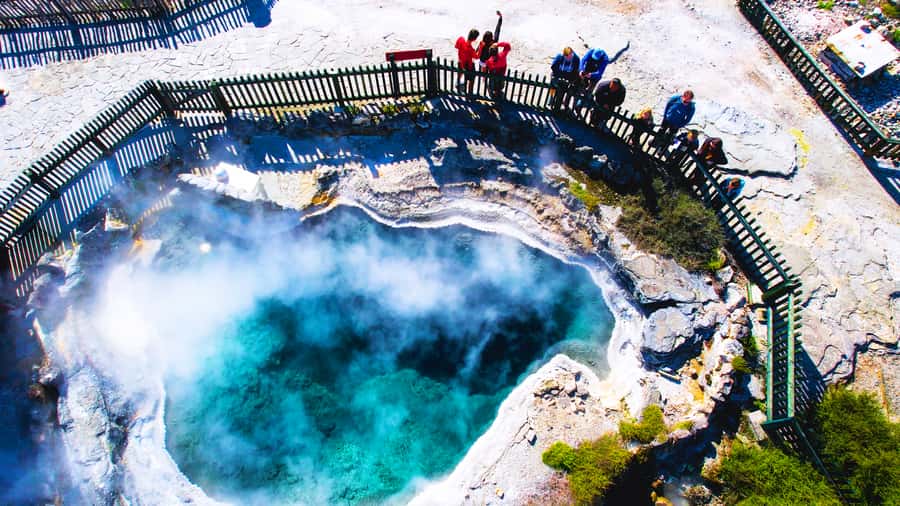
This is an outdoor tour that runs in all weather conditions. That’s good because it means plans don’t usually collapse with rain, but it also means you should dress for changing Rotorua conditions.
Bring comfortable shoes with grip. The tour is walking, and geothermal areas can mean uneven ground and lots of moisture in the air. Also plan for mist. Steam can make photos look hazy, so try for wider shots at lookouts and save close-ups for moments when the view clears.
The tour suggests a face mask or protective covering. Even if you’re not personally worried about it, it’s smart to bring one so you’re not searching on the day.
Wheelchair accessibility is noted, so if mobility is a factor, you can feel confident the route is designed with access in mind.
Who this tour suits best
I’d put this tour at the top of the list if you want Rotorua culture plus geothermal reality, not just one or the other. It fits especially well for people who like learning from guides who share personal pride and clear explanations, including the kind of humor that keeps the hour moving.
It can also work for families because the tour is short, and the corn tasting gives kids and adults something concrete to look forward to. If you’re traveling with an older relative, the guided structure can make a complex place feel manageable quickly.
If you’re only chasing the biggest thermal explosion visuals, you might prefer a different attraction where you can stay longer at a viewpoint. But if you want the “how and why” behind what you’re seeing, the guided tour format is the point.
Should you book this Whakarewarewa Legacy Guided Tour?
If your budget allows and you want one Rotorua activity that teaches you what geothermal life means, book it. The strongest reason to go is the combination of a living village guide approach plus iconic thermal sights like the Pōhutu geyser, all wrapped into a short, efficient walk.
I’d hold off only if you know you dislike outdoor tours in changeable weather, or if you’re the type who expects to linger until every geothermal feature performs at peak intensity. This is a guided hour, not a long, open-ended wander.
If you do book, go in with comfortable shoes, a camera, and a few questions. Then let the guide do what guides like Faye, Teeao, Daniel, and Keighly do well, talk you through the place so it clicks the moment you see it.
FAQ
How long is the Whakarewarewa Village Guided Tour?
The tour duration is 1 hour.
Where does the tour start?
You start at Geyser Café.
Is admission and the guided tour included in the price?
Yes. Admission and a guided tour are included, and corn on the cob is also included.
Do I need to exchange a voucher before the tour?
Yes. You must exchange your voucher at the admissions building before the tour begins.
What language is the live guide?
The live tour guide is English.
Will the tour run in bad weather?
Yes. The tour is outdoors and takes place in all weather conditions.
What should I bring?
Bring comfortable shoes, a camera, and a face mask or protective covering.
Is the tour wheelchair accessible?
Yes, the tour is wheelchair accessible.
What is the cancellation window for a full refund?
You can cancel up to 24 hours in advance for a full refund.
Just added near Rotorua
- Thrilling Riverbug Adventure on the Rangitāiki River★ 5.0 · 4 reviews
- Te Puia: Tuku Iho Trail with Cultural Show★ 5.0 · 5 reviews
- Te Puia: Te Pō Indigenous Combo – Tour, Dinner + Haka★ 4.4 · 52 reviews
- Te Puia: Te Rā Guided Day Tour + Haka Cultural Performance★ 4.7 · 128 reviews
- Tauranga: Wai-o-Tapu with Redwood Forest Walk or Forest Spa★ 5.0 · 4 reviews
- Taupo: Orakei Korako Geothermal Park and Cave Entry Ticket★ 4.6 · 158 reviews
- Rotorua: White Island, Mount Tarawera & Waimangu Volcanic …★ 4.4 · 5 reviews
- Rotorua: Velocity Valley – One Ride Pass★ 4.9 · 15 reviews
Rotorua Tours, compared.

Rotorua Canopy Tours: 2.5Hour Native Forest Zipline Adventure
Read our review →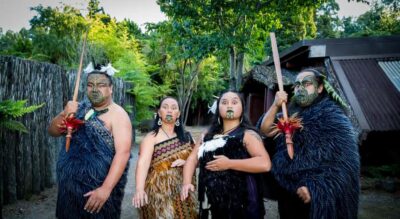
Mitai Maori Village: Cultural Experience and Dinner Buffet
Read our review →
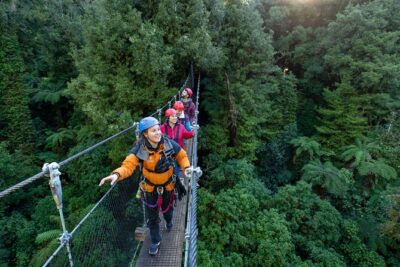
Rotorua’s Ultimate Zipline: 6 ziplines, 400 m Tandem, Cliff Walk
Read our review →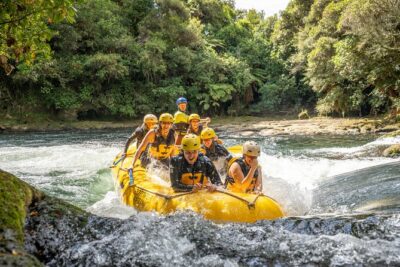
Rotorua Rafting: Kaituna River White Water Rafting & Free Sauna
Read our review →
Cultural Experience & Seasonal Māori Cuisine at Te Pā Tū
Read our review →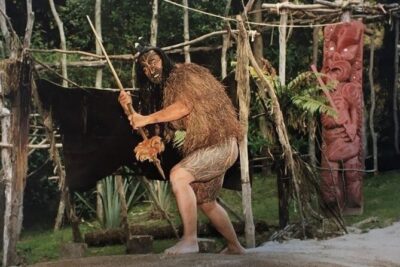
Mitai Maori Village Cultural Experience in Rotorua
Read our review →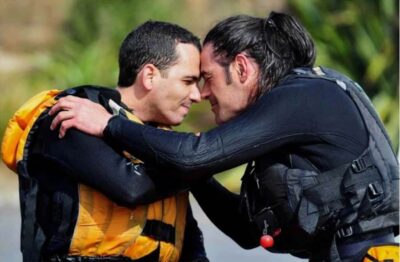
Rafting Rotorua: Kaituna River White Water Experience
Read our review →Browse the lists this tour appears in