
REVIEW · ROTORUA TOURS
Rotorua: The National Kiwi Hatchery Kiwi Encounter Tour
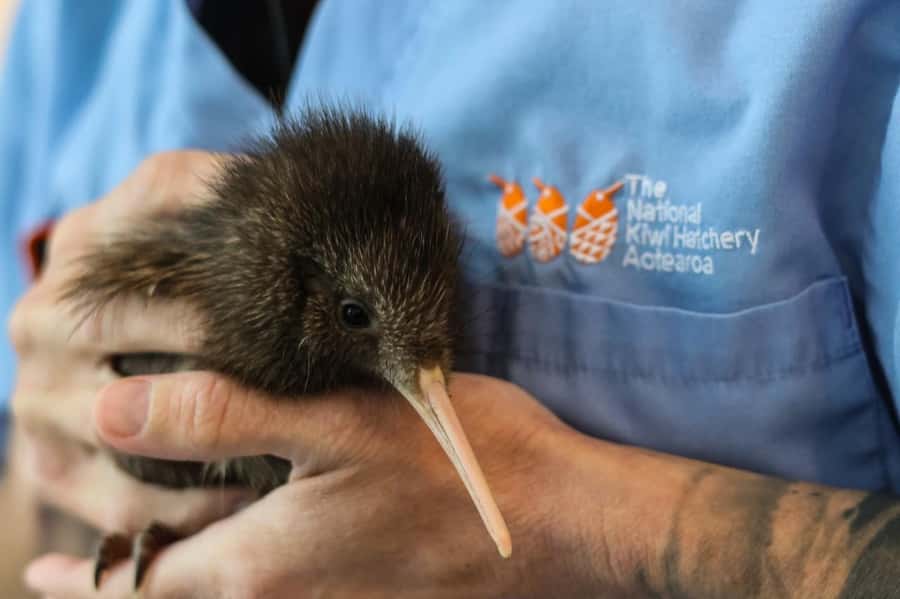
Kiwi watching in Rotorua gets personal. This 1-hour Kiwi Encounter at New Zealand’s national hatchery puts you in front of the whole kiwi conservation pipeline, from incubation to rearing, with expert guides and a real conservation mission behind every stop. I like that it is housed at the Agrodome area (easy access, free carpark) and that the experience is built around what you actually came for: kiwis up close, not just a quick photo stop.
Two practical pluses: you get a guided hatchery visit (not a self-guided wander), and your ticket supports the programme directly. The one catch is seasonal: your best odds of seeing eggs and newly hatched chicks are during hatching season (September to March), and outside that window you will mostly see adult kiwis instead.
In This Review
- Key Kiwi Encounter takeaways
- Kiwi Encounter at Rotorua’s Agrodome: why this hour feels worth it
- From check-in to the hatchery buildings: how the tour actually runs
- Egg room and incubation during Sep to Mar: the science part you will enjoy
- The nursery moments: feeding and health checks that make the tour stick
- Nocturnal House year-round: seeing adult kiwi when chicks are not available
- Price and value at $44 for one hour
- Rules, comfort, and who should book this
- What to expect from your kiwi sightings (and how to plan for them)
- Should you book the Rotorua Kiwi Hatchery Kiwi Encounter?
- FAQ
- How long is the Rotorua National Kiwi Hatchery Kiwi Encounter tour?
- How much does the tour cost?
- Where does the tour start, and is parking available?
- What can I see during hatching season?
- What if I visit outside hatching season?
- Does the tour include transport?
- Are photos and videos allowed?
- Is the tour suitable for young children?
- What are the check-in requirements?
- Is the tour wheelchair accessible?
Key Kiwi Encounter takeaways
World-class kiwi hatching and rearing centre focused on boosting an endangered species
Hatching season viewing (September to March): eggs, chicks, and incubation routines
Nocturnal House sightings all year, including adult kiwi foraging in red light
Chances for special moments like feeding or a chick health check
100% of your ticket supports the kiwi hatching programme, so this is conservation with a seat and a schedule
Kiwi Encounter at Rotorua’s Agrodome: why this hour feels worth it
The hardest part about seeing kiwis in New Zealand is simple: they are secretive, nocturnal, and not exactly interested in your daylight plans. This tour tackles that problem head on by bringing you into a place built for kiwi biology and care, with staff who deal in facts, routines, and survival strategies every day.
I also like the tone here. This is not a theme-park lecture about cute birds. You are learning why kiwis struggle, what conservation actually looks like, and how people manage breeding and rearing in captivity to help bring numbers back.
And yes, you are still there for the wow moments. You might see adult kiwis in their nocturnal house. During peak months, you may also see eggs, chicks at different ages, and sometimes a very new hatchling during feeding or health checks.
A few more Rotorua trips worth comparing
- Rotorua Canopy Tours: 2.5Hour Native Forest Zipline Adventure
★ 5.0 · 4,563 reviews - Mitai Maori Village: Cultural Experience and Dinner Buffet
★ 4.7 · 3,575 reviews - Rotorua: Wai-O-Tapu Geothermal Park Entry Ticket
★ 4.6 · 2,601 reviews
From check-in to the hatchery buildings: how the tour actually runs
Plan to arrive early. The experience asks you to check in 15 minutes before the scheduled departure time. That small buffer matters because the tour timing is tight enough that you will want to be ready to move when your group is called.
You start at the Kiwi Hatchery area on the Agrodome grounds, about 10 minutes north of Rotorua city centre. There is free onsite parking, and there is a shuttle from the check-in area to the hatchery facility.
One detail that helps set expectations: the hatchery is on the Agrodome property, but the hatchery buildings are separate from the bigger farm-style area. In other words, you do not just walk out your front door and end up in a single room. You typically move by shuttle and pass through parts of the farm environment along the way, which some visitors find surprisingly pleasant.
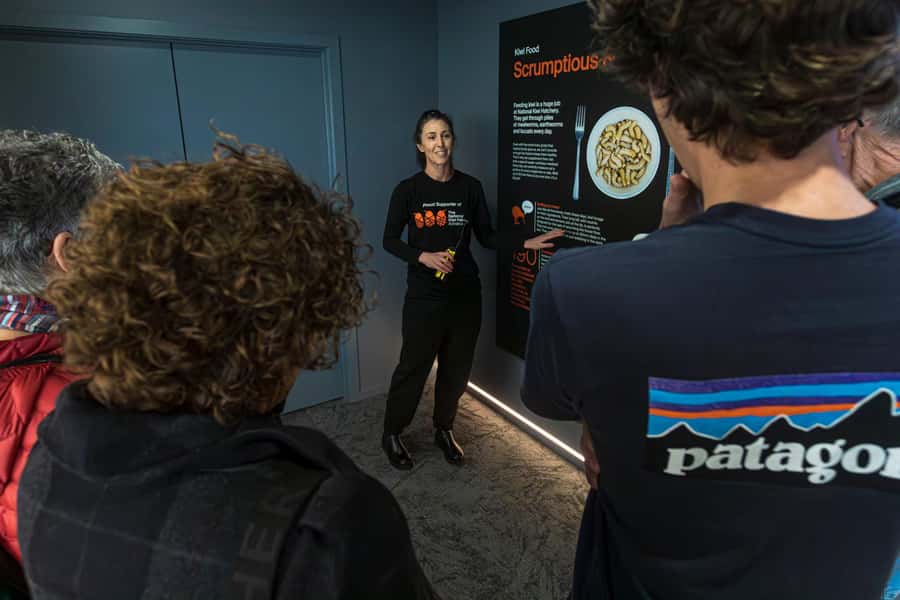
For most people, the flow feels efficient. The guided visit moves through sections with time for questions, and the guides handle topics at whatever level you ask for, from basics like kiwi anatomy to the nuts and bolts of incubation.
Practical rule note: flash photography is not allowed, and video recording is also not allowed. This keeps the birds calm, and it also means you should plan to watch more than shoot.
Egg room and incubation during Sep to Mar: the science part you will enjoy
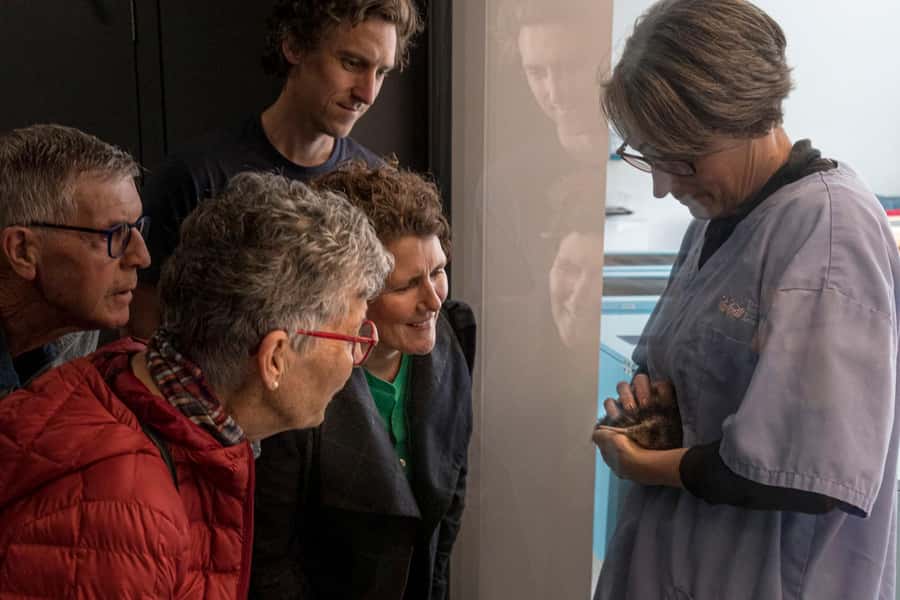
If you are traveling between September and March, this is the season when the hatchery programme is most active. That is when you are best positioned to see kiwi eggs and chicks, and when the guide’s explanation tends to click fastest, because you can connect the biology to what you can actually see.
Inside the egg and incubation areas, the experience is guided around the real work: incubation conditions, monitoring, and the steps that help hatchlings survive that fragile early window. Many tours include a moment where eggs are inspected using candling, which is basically scanning the egg to check progress.
This is the part that turns kiwi conservation from a vague good cause into something tangible. You start to understand that raising kiwis is not just about love and luck. It is temperature, timing, careful observation, and consistent husbandry. You will also learn why certain interventions matter when you are trying to support an endangered species.
A small but meaningful point: the hatchery has hatched over 2,500 kiwi chicks, which gives the tour context beyond a one-off demonstration. It is a living system with repeatable methods, and that experience makes the conservation story feel grounded.
The nursery moments: feeding and health checks that make the tour stick
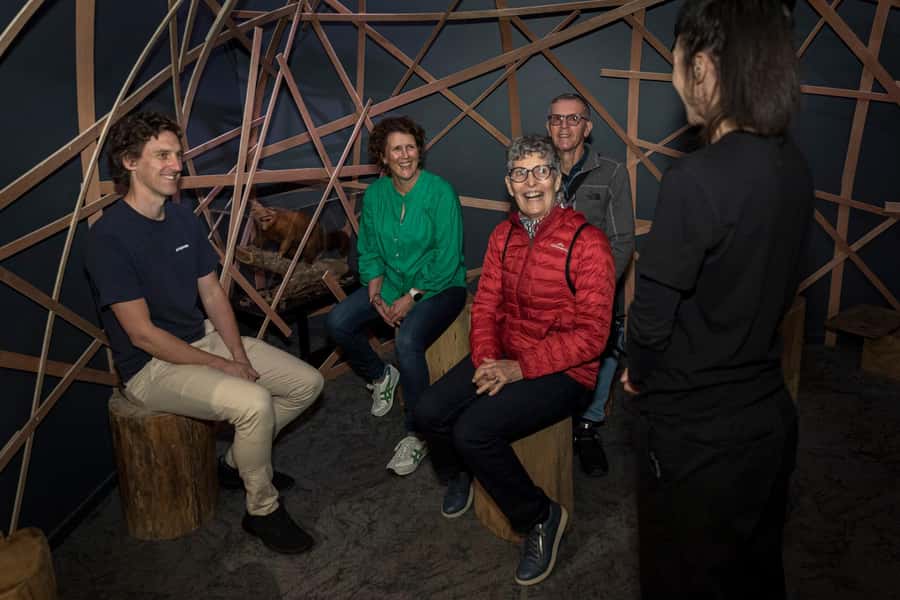
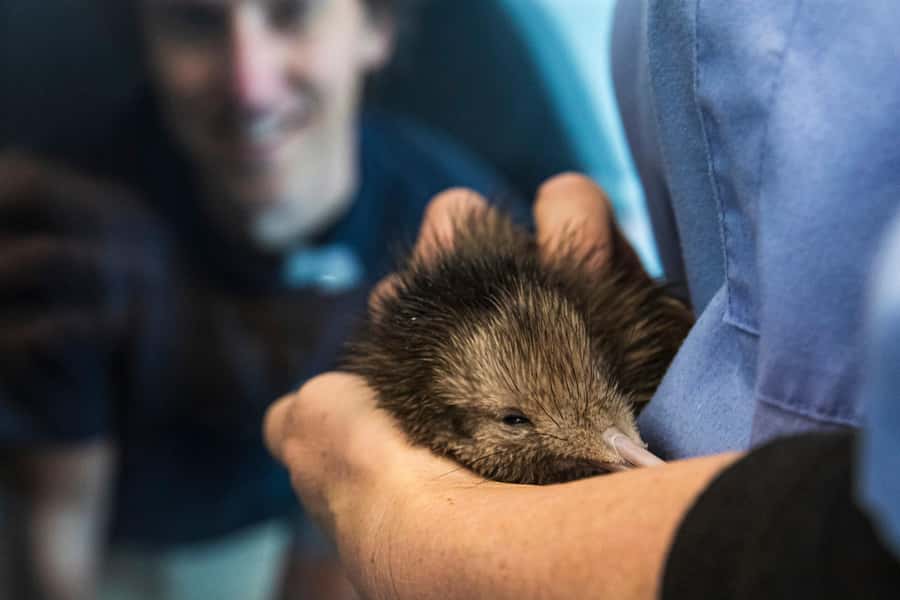
Hatching is dramatic, but the daily routine around chicks is what conservation is really about. One of the most praised aspects of this tour is the chance to see a chick at an early age, sometimes even one that has just hatched.
When you are lucky, you might witness a chick being fed, or you might watch a health check. Those moments do not happen on command. They happen because the timing matches the chick’s stage and the schedule of the husbandry team.
Even if you do not catch a newly hatched chick, the tour still helps you understand why each age group is treated differently. Younger chicks require specific care and monitoring, while older chicks move along to the next step in the rearing process.
I also appreciate how the guides handle expectations. They do not oversell. They explain what you are seeing and what comes next, so you leave with a sense of the full cycle rather than only one highlight.
Guides can vary, but the common theme in the best-led tours is clear explanations and quick answers. You might encounter guides like Mya, Nico, Kai, or Max, and many have a knack for making the technical stuff understandable without turning it into a lecture.
Same island, a completely different day:
- Rotorua’s Ultimate Zipline: 6 ziplines, 400 m Tandem, Cliff Walk
★ 5.0 · 2,557 reviews - Rotorua Rafting: Kaituna River White Water Rafting & Free Sauna
★ 5.0 · 1,952 reviews - Cultural Experience & Seasonal Māori Cuisine at Te Pā Tū
★ 5.0 · 1,546 reviews - Mitai Maori Village Cultural Experience in Rotorua
★ 4.5 · 1,294 reviews
Nocturnal House year-round: seeing adult kiwi when chicks are not available
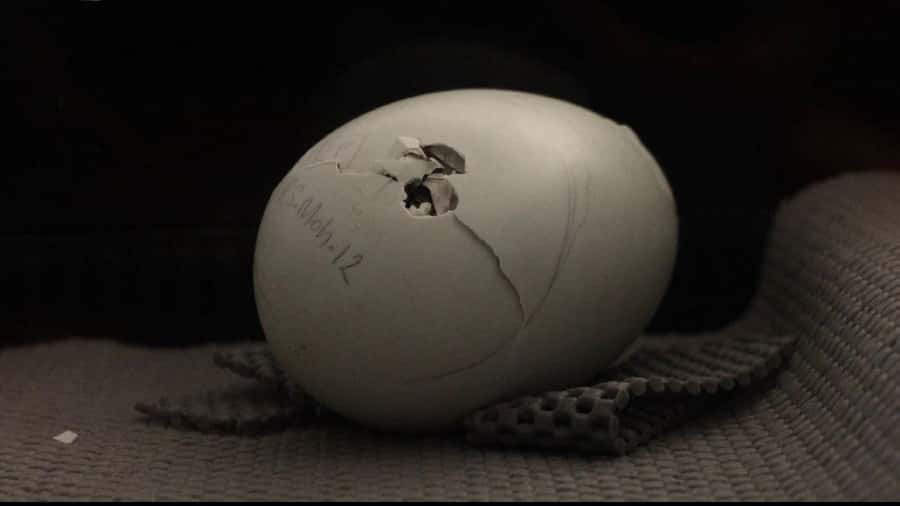
If you visit outside the Sep to Mar hatching window, you still get a strong kiwi experience. The tour includes live kiwi viewing in a Nocturnal House, and this part runs all year.
Think of the Nocturnal House as your best shot at seeing adult kiwi behavior. The birds are kept in an environment that fits their nocturnal habits, and visitors often describe seeing them under dim or red-lit conditions while they forage.
This is where the tour balances out. You may not see eggs and tiny chicks in the same way, but you will still learn about the kiwi’s struggle for survival and how the hatchery supports long-term conservation outcomes.
One thing to keep in mind: kiwi activity is tied to their schedule. If you can, try to choose a time that matches when they are more active. Some people recommend being there around 9 am, which can improve odds because kiwis wake up from their night routine and become more visible.
Price and value at $44 for one hour
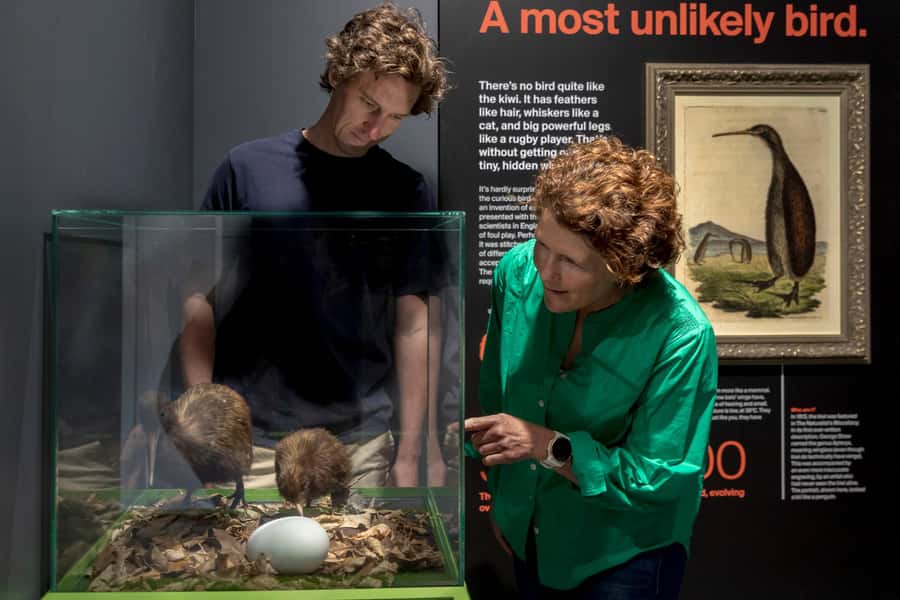
At $44 per person for a 1-hour tour, this is not a budget activity. But it also is not just paying for a look at a bird behind glass.
Here is the value argument that matters: 100% of your ticket goes back to the kiwi hatching programme. That means you are not only buying admission, you are funding the breeding and rearing work that helps an endangered species. For many visitors, that flips the math from entertainment value to impact value.
You also get more than a single exhibit. The tour includes viewing kiwi eggs and chicks during season (and adult kiwi in the Nocturnal House all year), plus a guide who explains what you are seeing and why it matters. And transportation is included within the site experience via shuttle from the Agrodome check-in area.
If you are already visiting Rotorua, this pairs well with other Agrodome attractions because you are on site anyway. Still, I would treat it as its own priority. This is the portion where you learn and see the conservation work closest up.
Rules, comfort, and who should book this
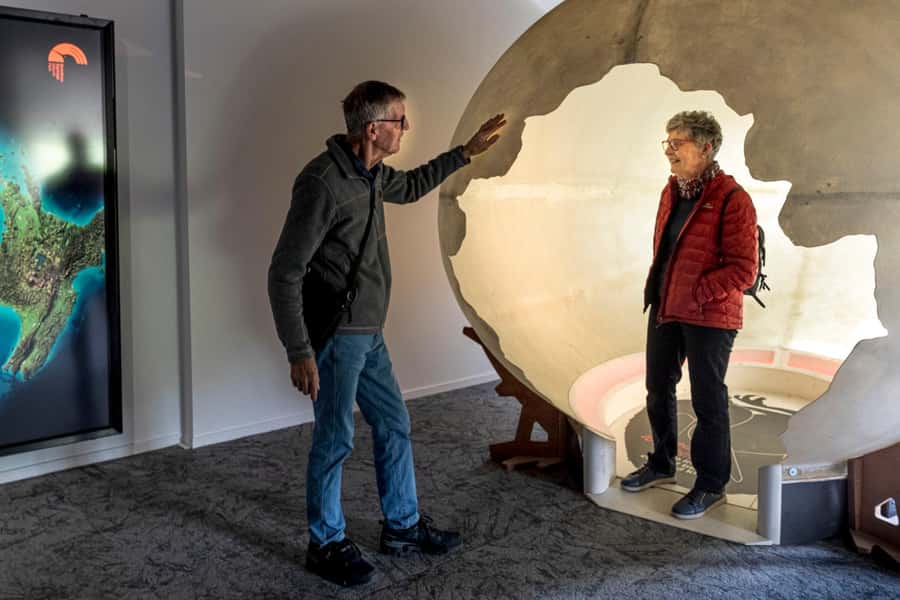
This tour has a few clear guardrails that help it stay respectful to the birds.
First, there is a minimum age rule: children under 5 are not allowed. If you are traveling with little kids, plan something else, or save your kiwi time for another day.
Second, cameras have limits. Flash photography is not allowed and video recording is not allowed. That is not just a “no fun” rule. It helps protect the birds’ stress levels and keeps the viewing environment controlled.
Comfort-wise, the tour is short. You will spend about an hour in guided sections, plus the shuttle movement between areas. That makes it a good fit if you want kiwi time without turning your day into a half-day project.
Accessibility note: the tour is described as wheelchair accessible, but the guidance says wheelchair customers need to drive straight to the hatching facility. If you are booking with mobility needs, contact the team after you confirm so they can provide the right directions.
Who it suits best:
- You want a meaningful kiwi experience without gambling on spotting one in the wild
- You like conservation stories that include the mechanics of care, not just feel-good messaging
- You are traveling as a couple, solo, or with older kids who can handle a calm, rule-based visit
- You want a one-hour activity that stays focused
What to expect from your kiwi sightings (and how to plan for them)
Let’s be honest about what you can control. You cannot force a chick to hatch on your schedule. But you can set yourself up for a better chance.
If you go during September to March, you will be in the right season to see eggs, chicks, and incubation routines. That is when the most special moments, like very young hatchlings, are possible. Many visitors highlight seeing newly hatched chicks, sometimes in the nursery during feeding or checks.
If you visit outside that window, expect adult kiwi in the Nocturnal House rather than eggs and hatchlings. You still come away with the story of the conservation programme, and you still see kiwi up close in a setting designed for their behavior.
My tip: do not build your day around a single outcome like seeing a one-day-old chick. Instead, aim for the whole experience. The tour is valuable even when the chicks are a bit older or fewer are visible, because the guide connects what you see to how conservation works.
Should you book the Rotorua Kiwi Hatchery Kiwi Encounter?
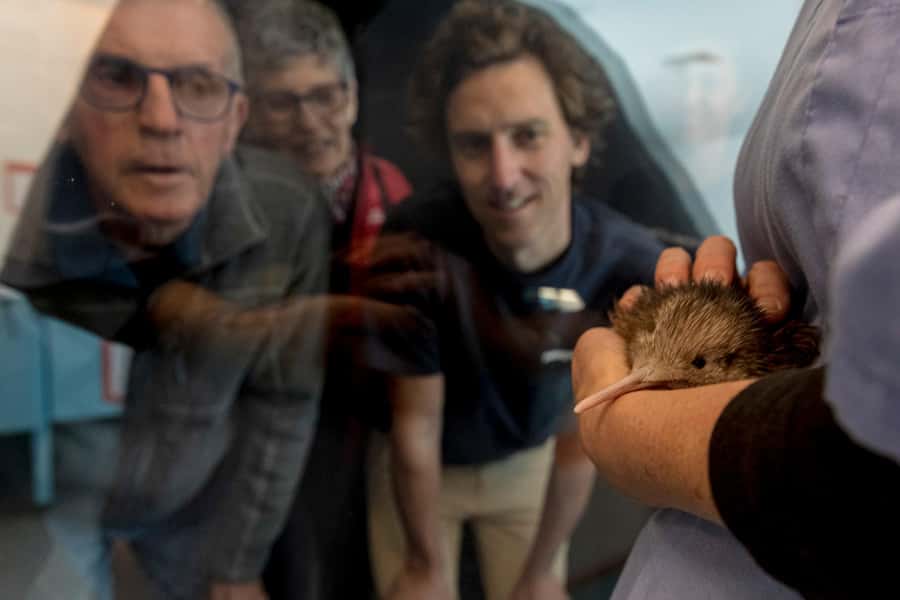
Yes, if you care about kiwis and you want a focused, guided hour that supports the conservation programme directly. The strongest reason to book is the combination of close viewing, expert guiding, and the fact that your ticket fully supports the hatching work.
You might skip it or adjust expectations if:
- you are traveling with children under 5 (this tour does not allow them)
- you are visiting outside Sep to Mar and you only want eggs and brand-new chicks
- you are hoping to take lots of photos or video (the rules limit flash and recording)
If your goal is to leave Rotorua with a real understanding of kiwi conservation, not just a quick look, this is one of the clearest bets on the North Island. Book it early in your trip day if you can, check in on time, and go ready to watch closely. That is when the hatchery story becomes real.
FAQ
How long is the Rotorua National Kiwi Hatchery Kiwi Encounter tour?
The tour lasts 1 hour.
How much does the tour cost?
The price is $44 per person.
Where does the tour start, and is parking available?
The Kiwi Hatchery is located onsite at the Agrodome, about 10 minutes north of Rotorua city centre. There is a free carpark onsite.
What can I see during hatching season?
During hatching season, from September to March, you can view kiwi eggs and chicks.
What if I visit outside hatching season?
Outside the September to March hatching window, you can still see kiwi in the Nocturnal House, where resident adult kiwi forage. The tour includes nocturnal house viewing all year.
Does the tour include transport?
Yes. A shuttle is included from the check-in area at the Agrodome to the hatchery facility.
Are photos and videos allowed?
Flash photography is not allowed, and video recording is not allowed.
Is the tour suitable for young children?
No. Children under 5 years are not allowed in the facility.
What are the check-in requirements?
Please arrive at the Kiwi Hatchery 15 minutes before the scheduled departure time to check in.
Is the tour wheelchair accessible?
It is described as wheelchair accessible. Wheelchair customers need to drive straight to the hatching facility, and it’s recommended you contact the team for directions after booking.
Just added near Rotorua
- Thrilling Riverbug Adventure on the Rangitāiki River★ 5.0 · 4 reviews
- Te Puia: Tuku Iho Trail with Cultural Show★ 5.0 · 5 reviews
- Te Puia: Te Pō Indigenous Combo – Tour, Dinner + Haka★ 4.4 · 52 reviews
- Te Puia: Te Rā Guided Day Tour + Haka Cultural Performance★ 4.7 · 128 reviews
- Tauranga: Wai-o-Tapu with Redwood Forest Walk or Forest Spa★ 5.0 · 4 reviews
- Taupo: Orakei Korako Geothermal Park and Cave Entry Ticket★ 4.6 · 158 reviews
- Rotorua: White Island, Mount Tarawera & Waimangu Volcanic …★ 4.4 · 5 reviews
- Rotorua: Velocity Valley – One Ride Pass★ 4.9 · 15 reviews
Rotorua Tours, compared.
Rotorua Canopy Tours: 2.5Hour Native Forest Zipline Adventure
Read our review →
Mitai Maori Village: Cultural Experience and Dinner Buffet
Read our review →
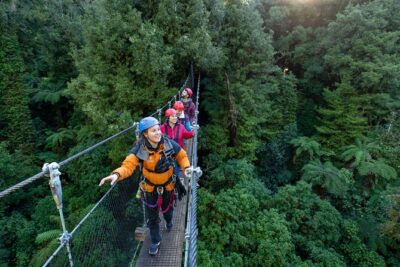
Rotorua’s Ultimate Zipline: 6 ziplines, 400 m Tandem, Cliff Walk
Read our review →
Rotorua Rafting: Kaituna River White Water Rafting & Free Sauna
Read our review →
Cultural Experience & Seasonal Māori Cuisine at Te Pā Tū
Read our review →
Mitai Maori Village Cultural Experience in Rotorua
Read our review →
Rafting Rotorua: Kaituna River White Water Experience
Read our review →Browse the lists this tour appears in