
REVIEW · ROTORUA TOURS
Rotorua: The Buried Village of Te Wairoa
A buried village wakes up in Rotorua. Te Wairoa is New Zealand’s most-visited archaeological site, where the 1886 Mt. Tarawera eruption story turns from headline to place you can walk. I love how the award-winning museum gives you context fast, then sends you outside to connect the evidence to real buildings and real people.
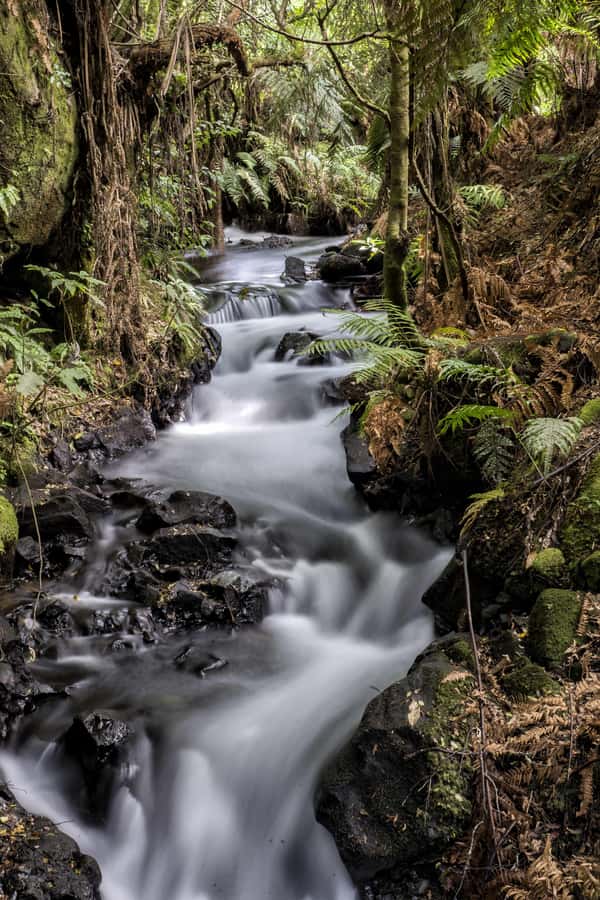
My second favorite part is the waterfall trail, which ends in mist and rainforest hush at Te Wairoa Falls. One practical consideration: the museum can feel chilly indoors and the waterfall steps are steep, so you’ll want comfortable, grippy shoes and a light layer.
In This Review
- Key Highlights to Know Before You Go
- Entering the Te Wairoa Museum, Where the 1886 Story Starts
- Walking the Buried Village Grounds and Archaeological Sites Like a Time Map
- The 1886 Night, Told Through Living History and Local Stewardship
- Te Wairoa Falls Trail: Steep Steps, Best Mist, and a Real Sense of Recovery
- Smith & Co Cafe, Victorian Dressing Up, and the Gift Shop Finish
- Price and Logistics: Is $14 Good Value for a 1-Day Stop?
- Should You Book the Buried Village of Te Wairoa?
- FAQ
- How long should I plan for Te Wairoa?
- What is included in the $14 price?
- Are meals included?
- Do I need hotel pickup or is it self-arranged?
- What should I bring?
- Is it accessible and what languages are offered?
Key Highlights to Know Before You Go
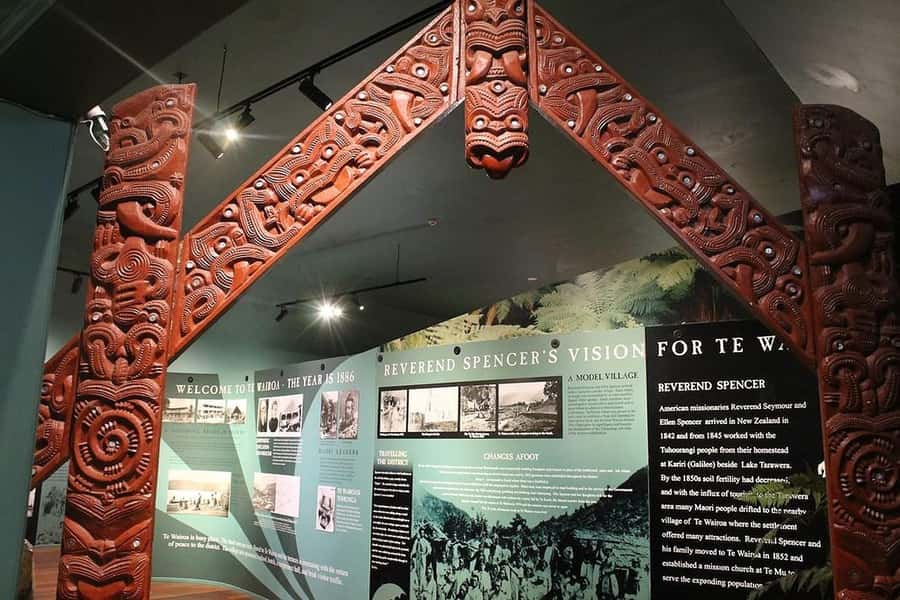
- Award-winning museum first, with an extensive collection of excavated objects from the 1800s
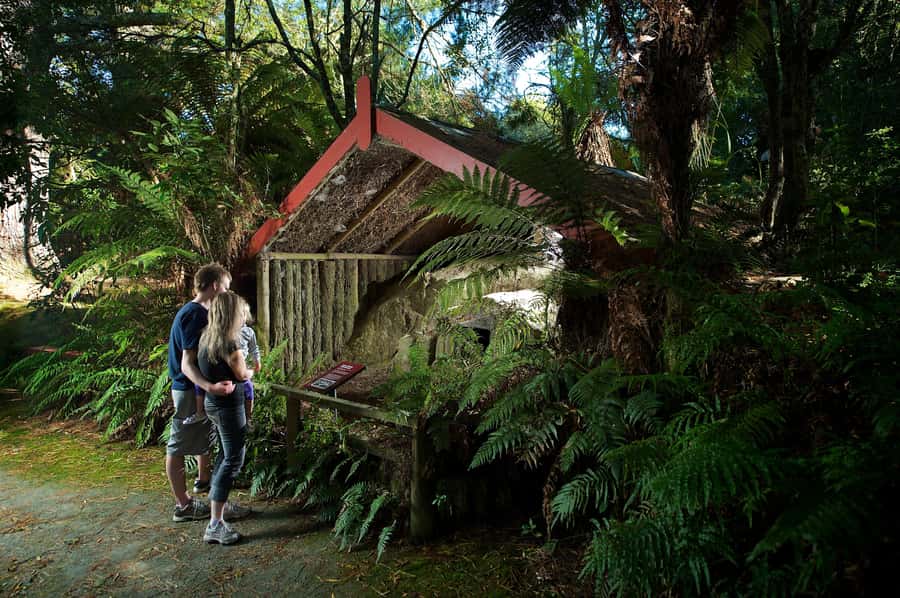
- Walk the archaeological sites and read the place like a living map of what happened
- Guides and storytelling through living history tours, talks, and optional audio or electronic narration
- Te Wairoa Falls at the end for misty views and a short workout on steep steps
- Smith & Co cafe for scones with whipped cream and jam, Devonshire tea, and Kiwi-style pastry pies
- Dress up in Victorian style and grab an antique-style photo moment
Entering the Te Wairoa Museum, Where the 1886 Story Starts
Most Rotorua days feel like geothermal heat and quick photo stops. Te Wairoa is different. It begins with a museum that acts like a key for the rest of your visit. You see excavated objects from the 1800s, and you get the essential background for why this European and Māori village mattered before volcanic night swallowed it.
The museum is also interactive, which helps you avoid the usual museum trap of standing in one spot reading labels for 45 minutes. You get oriented, then you’re ready to walk the grounds with better questions in your head. And if you’re traveling with kids, it can be easier than expected to keep attention because the story feels concrete once you’re outside.
One small tip: the museum can run cool indoors, so bring a layer even if Rotorua feels warm outside. That way you can enjoy the galleries without feeling rushed to escape into sunlight.
You’ll also find storytelling support. An audio guide is included in English, and hosts may speak English, German, and Māori. Some people prefer to use an electronic tour option or app style narration while they walk, which makes it easier to pause, rewind, and connect the dots at your own pace.
In short, this is a museum that doesn’t just explain, it prepares you to see. And that matters here, because the outdoor sites are subtle. The ruins aren’t flashy in the way tourists sometimes expect. The meaning is the point.
A few more Rotorua trips worth comparing
- Rotorua Canopy Tours: 2.5Hour Native Forest Zipline Adventure
★ 5.0 · 4,563 reviews - Mitai Maori Village: Cultural Experience and Dinner Buffet
★ 4.7 · 3,575 reviews - Rotorua: Wai-O-Tapu Geothermal Park Entry Ticket
★ 4.6 · 2,601 reviews
Walking the Buried Village Grounds and Archaeological Sites Like a Time Map
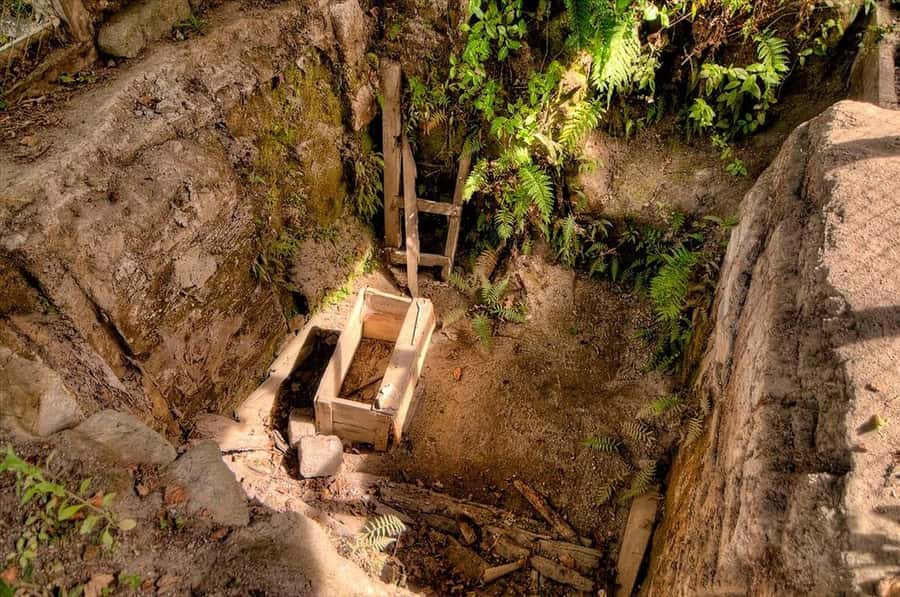
After the museum, you walk the archaeological sites through marked areas, including what’s often described as an east trail around the burial grounds. This is where Te Wairoa earns its reputation. You’re not looking at a model or a reconstructed set. You’re moving through a real site where the effects of the 1886 eruption are preserved and interpreted.
What I like most about the walk is how the ruins add a second layer of meaning to the setting. The grounds are genuinely beautiful without the story, but when you understand what you’re looking at, the place becomes emotionally louder. You start noticing details you might otherwise miss, like the layout of what used to exist and how the disaster changed daily life.
Expect plenty of reading at your own rhythm. Many signs help you follow along, and a map format experience can help you keep your bearings. Still, clarity can vary in places, so if you’re the type who hates guessing, lean on the audio guide and take a moment to check your route before you go deeper into the site.
Timing matters here. Plan for at least 1.5 hours for the experience if you want it to feel satisfying rather than rushed. If you’re the faster walker, you’ll still want buffer time so the museum intro and the outdoor reading connect smoothly.
Group size can influence the feel too. If your visit includes guided components and talks, you’ll hear the story anchored to specific locations. If your experience leans more self-guided, you can still get a lot out of the signage and your narration option, just move slower.
The 1886 Night, Told Through Living History and Local Stewardship
Te Wairoa isn’t only about ruins. It’s about what happened in the hours around the eruption of Mt. Tarawera in 1886, when a major natural landmark known as the Pink and White Terraces was wiped out. The site helps you understand how sudden that kind of natural disaster is, and how quickly a thriving settlement can become something archaeologists must reconstruct from fragments.
A key theme is that this village story is told through both Māori and European connections. The experience describes the village as part Māori, part missionary presence, and it highlights the long work of excavation linked to the Smith family under Kaitiakitanga for nearly 90 years. That detail is more than trivia. It helps you understand why the site exists today as something you can interpret rather than only mourn.
During the day, there are talks and living history-style tours with costumed guides scheduled throughout. The tone is designed to help you picture the chaos of that night, not just memorize dates. In other words, it turns “1886” from a number into an event with human consequence.
One reason I’d prioritize this over a quick stop is the quality of the guidance. People often mention second- and third-generation local guides, including Marie, described as a third-generation guide connected to Sophia’s line, for making the Māori culture piece feel respectful and understandable. Others mention coach driver Nutta for keeping the day smooth from the ride onward. Even if you don’t hear those exact names on your visit, the point is clear: the storytellers here tend to make the content stick.
Te Wairoa Falls Trail: Steep Steps, Best Mist, and a Real Sense of Recovery
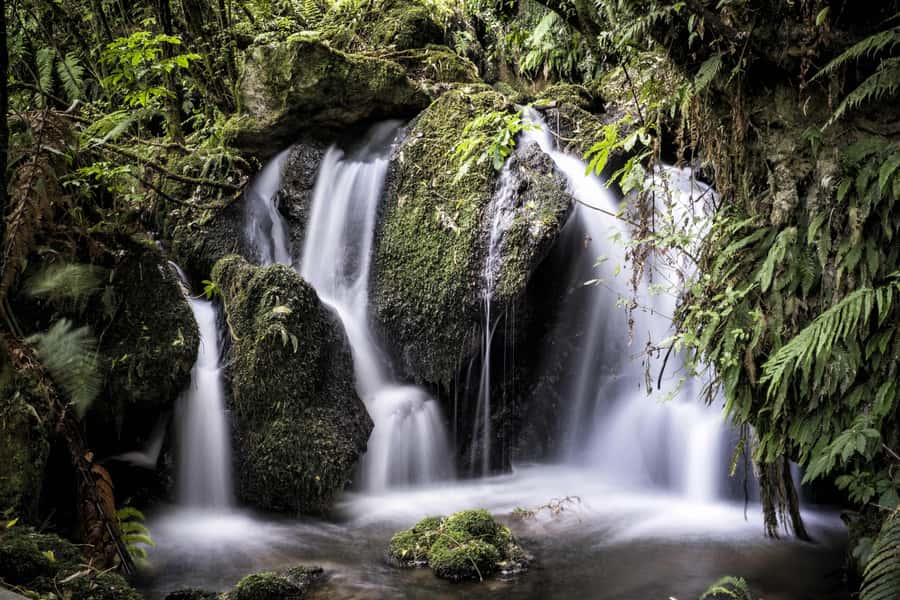
After the archaeology grounds, the visit shifts into nature mode. The Te Wairoa Trail and waterfalls access lead you to Te Wairoa Falls, where you stand in mist and watch the cascade work on your senses.
The trail is often described as worth it, and yes, the stairs can be steep. Reviews call out that the waterfall walk is short, often around 10 to 15 minutes down, but it still takes effort, especially if you’re not used to uneven ground. Plan to slow down, keep your footing, and treat the return climb as part of the deal.
What makes the waterfall portion special is the message you’re given while you walk: you’re seeing native flora and fauna along the way, and you’re witnessing land that is recovering from violent destruction. That makes the mist feel more than scenic. It’s part of the story arc, from disaster to survival.
Timing can help. If you’re visiting after heavy rain, the falls can be especially spectacular. If you arrive on a drier day, you’ll still enjoy the misty viewpoint, but the drama may be less. Either way, pack time to linger at the end.
If your body complains on steep stairs, you still have options. Keep it simple, do the main waterfall walk, and don’t try to turn it into a marathon. You’ll get the payoff without burning energy you’ll want later for the cafe and gift shop.
Same island, a completely different day:
- Rotorua’s Ultimate Zipline: 6 ziplines, 400 m Tandem, Cliff Walk
★ 5.0 · 2,557 reviews - Rotorua Rafting: Kaituna River White Water Rafting & Free Sauna
★ 5.0 · 1,952 reviews - Cultural Experience & Seasonal Māori Cuisine at Te Pā Tū
★ 5.0 · 1,546 reviews - Mitai Maori Village Cultural Experience in Rotorua
★ 4.5 · 1,294 reviews
Smith & Co Cafe, Victorian Dressing Up, and the Gift Shop Finish
Once your legs have done their bit, it’s nice that there’s an onsite cafe and a proper reset. Smith & Co is the kind of spot that makes you feel like you’re pausing instead of rushing to the next stop.
Food options mentioned include scones with whipped cream and jam, Kiwi-style pastry pies, and Devonshire tea. Hot drinks show up too, and people specifically praise hot chocolate. If you’re hungry, it’s also a practical way to avoid hunting for lunch elsewhere so close to the attraction.
Then comes one of the more charming touches: you can dress up in Victorian style clothing. It’s playful, but it also matches the site’s living-history vibe. Some visitors also use the setting for an antique-style photo opportunity, which can be a fun way to break up the heavier 1886 theme without losing the mood.
Finally, the gift shop is a sensible last stop. It’s there so you can browse while you decompress, and you can bring home something tied to what you just learned. Even if you’re not a souvenir person, it’s worth a quick look because the items tend to feel related to the story rather than generic tourist clutter.
Price and Logistics: Is $14 Good Value for a 1-Day Stop?
At $14 per person, Te Wairoa is priced like a “do it today” Rotorua activity. The value comes from the mix: you get entry to the Buried Village of Te Wairoa, entry to the museum, and access to the Te Wairoa Trail and waterfalls. That’s three parts of the experience bundled into one ticket, and they reinforce each other.
Food and drinks are not included, but they’re available onsite at Smith & Co, so you can eat without leaving the grounds. There’s also no hotel pickup and drop-off listed, so you’ll likely drive yourself or use your own transport arrangement. The site is about a 15-minute drive from Rotorua, which keeps this from becoming a time sink.
A visit runs as a 1-day option, with starting times based on availability. The recommended minimum time is at least 1.5 hours, and if you want to catch scheduled talks or take photos comfortably, you’ll probably add a bit more.
What to bring is simple and important: comfortable shoes. Add a light layer for museum air, and if you’re sensitive to steep stairs, consider how you’ll feel on the climb back up from the falls.
Accessibility is listed as wheelchair accessible, which is useful if you’re planning with mobility needs. The experience is built around guided narration and marked areas, so having staff support and audio options should help you plan your pacing.
Who will enjoy this most?
- History lovers who like archaeology that you can actually walk through
- People fascinated by the Mt. Tarawera eruption and the Pink and White Terraces story
- Families and solo travelers who want a short, structured day with nature at the end
- Travelers who appreciate guided storytelling, costumed talks, and museum context
Should You Book the Buried Village of Te Wairoa?
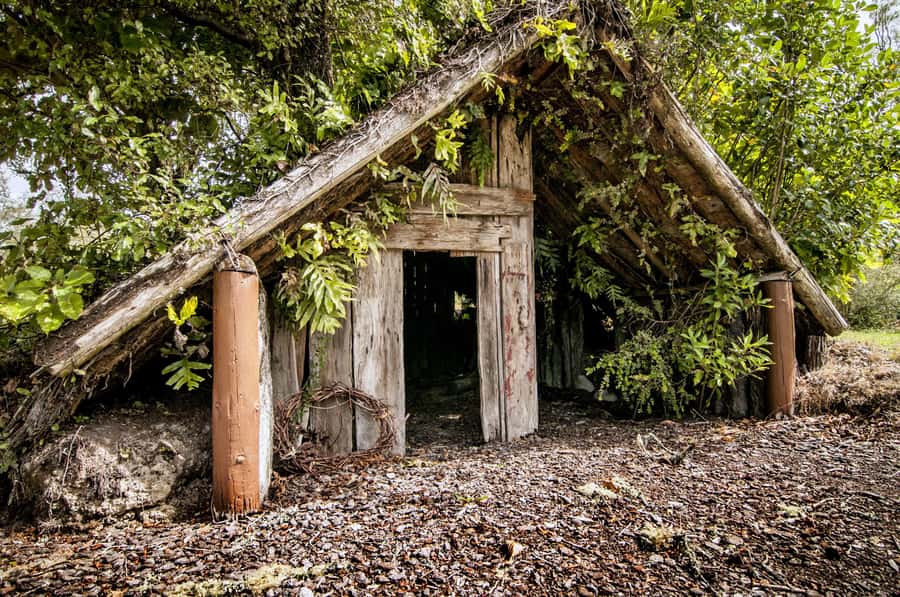
Book it if you want a Rotorua attraction with a clear story and real physical context. The museum sets you up, the buried village walk turns evidence into meaning, and the waterfall trail gives you a payoff that feels earned.
Skip it only if you want something purely easy and flat, or if you strongly prefer large dramatic ruins with minimal walking. Here, you’ll trade “giant wow” for “slow understanding,” plus steep stairs at the end.
If your goal is a meaningful day trip near Rotorua that stays grounded in place, Te Wairoa is a strong pick.
FAQ
How long should I plan for Te Wairoa?
Plan on at least 1.5 hours at the site if you want to get the most out of the museum and the archaeological and waterfall trails.
What is included in the $14 price?
The ticket includes entry to the Buried Village of Te Wairoa, entry to the Museum of Te Wairoa, and access to the Te Wairoa Trail and the waterfalls.
Are meals included?
No. Food and drinks are available for purchase at the onsite cafe, Smith & Co.
Do I need hotel pickup or is it self-arranged?
Hotel pickup and drop-off are not included. The meeting point is Buried Village of Te Wairoa, 1180 Tarawera Rd, Rotorua 3076.
What should I bring?
Bring comfortable shoes, since you will be walking and climbing stairs on the trail to the falls.
Is it accessible and what languages are offered?
It is wheelchair accessible. Hosts or greeters use English, German, and Māori, and an audio guide is included in English.
Just added near Rotorua
- Whakarewarewa: Self-Guided Geothermal Trails★ 4.5 · 41 reviews
- From Rotorua: Whirinaki Rainforest Guided Cultural Tour★ 5.0 · 6 reviews
- Rotorua: Waimangu Volcanic Valley Entry Ticket★ 4.8 · 129 reviews
- White Island & Mount Tarawera Floatplane Adventure★ 5.0 · 8 reviews
- Whirinaki Forest Footsteps: Māori Guided Tour, Picnic & Transfer★ 5.0 · 5 reviews
- Wonderworld Rotorua – New Zealand’s leading maze park★ 5.0 · 11 reviews
- Whaka Geothermal Trails Self-Guided Tour★ 3.5 · 44 reviews
- Rotorua Sledging White Water Sledging | Kaitiaki Adventures★ 5.0 · 90 reviews
Rotorua Tours, compared.
Rotorua Canopy Tours: 2.5Hour Native Forest Zipline Adventure
Read our review →
Mitai Maori Village: Cultural Experience and Dinner Buffet
Read our review →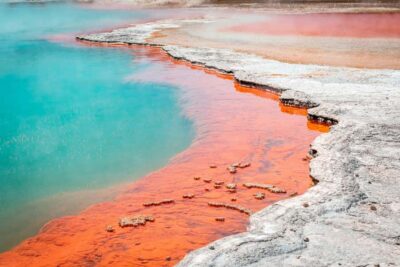
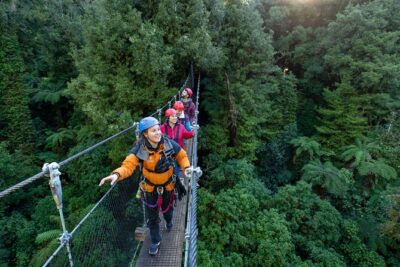
Rotorua’s Ultimate Zipline: 6 ziplines, 400 m Tandem, Cliff Walk
Read our review →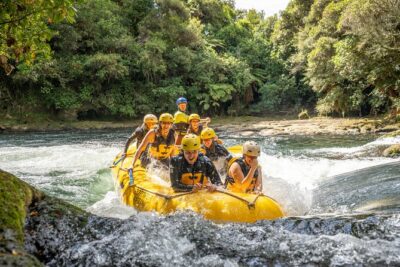
Rotorua Rafting: Kaituna River White Water Rafting & Free Sauna
Read our review →
Cultural Experience & Seasonal Māori Cuisine at Te Pā Tū
Read our review →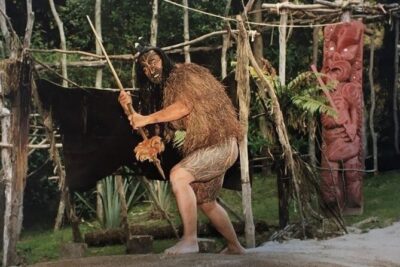
Mitai Maori Village Cultural Experience in Rotorua
Read our review →
Rafting Rotorua: Kaituna River White Water Experience
Read our review →Browse the lists this tour appears in