
REVIEW · MAORI CULTURAL EXPERIENCES
Rotorua: Māori Cultural Performance with Dancing
One powerful haka in 30 minutes. This Rotorua show at Whakarewarewa – The Living Māori Village gives you a front-row look at Māori song and dance, with pieces like the haka, poi dance, and stick games staged right in front of you. Two things I really like are the way the performance feels spiritual and heartwarming, and how the singers’ voices fill the space with clear, emotional storytelling.
The other big win for me is the pacing. At just 30 minutes, it works as a focused taste of Māori arts without turning into a long, complicated evening. One possible drawback to plan for: this is the show only, and you should not count on it including extra village activities beyond what’s offered separately.
In This Review
- Key highlights worth centering your attention on
- Whakarewarewa’s stage: the Māori performance in plain terms
- Check-in and seating: how to get the best view fast
- The haka in real life: what you’re actually seeing
- Poi dance and stick games: skill you can spot even without context
- Singing and harmonies: why the voices matter more than you expect
- The audience experience: participation, crowd energy, and comfort
- Value and timing: is $20 for 30 minutes a smart deal?
- What you should and should not expect (especially about village activities)
- Accessibility and language: simple points that matter
- Who this Rotorua Māori performance fits best
- Should you book this 30-minute show at Whakarewarewa?
- FAQ
- How long is the Māori cultural performance?
- Where do I check in for the tickets?
- What is included in the ticket price?
- Is there free cancellation?
- What language is the host or greeter speaking?
- Is the performance wheelchair accessible?
Key highlights worth centering your attention on
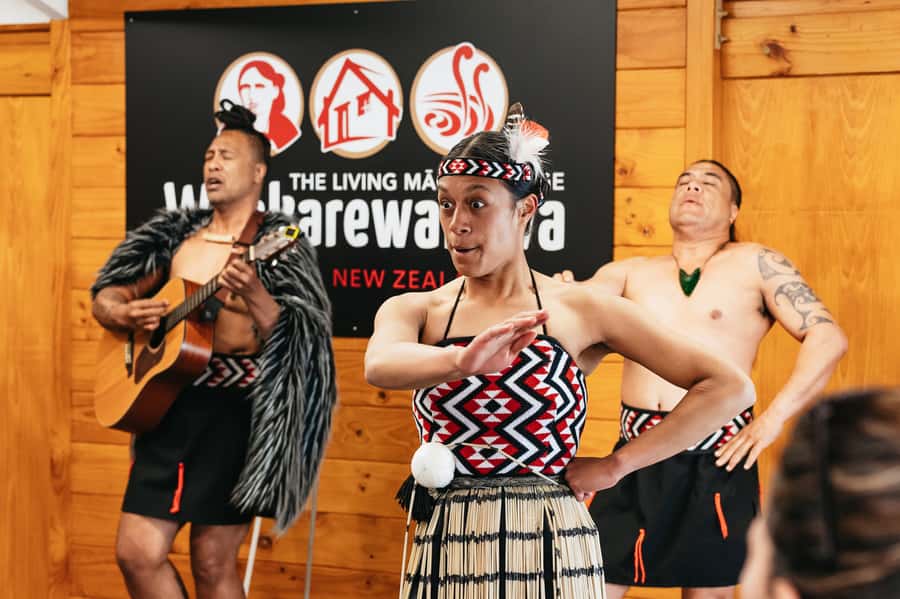
- World-famous haka onstage: You see it live, up close, and not through a video screen.
- Poi dance and stick games: Skills you can appreciate even if you know nothing about the techniques going in.
- Singing with context: You get brief explanations that help you understand what you’re watching.
- A friendly, welcoming atmosphere: The mood tends to be kind, warm, and inclusive.
- Free seating means arrive early: If you care about front-row sightlines, get there sooner rather than later.
- Audience participation shows up: Expect a fun moment where you might get involved.
Whakarewarewa’s stage: the Māori performance in plain terms
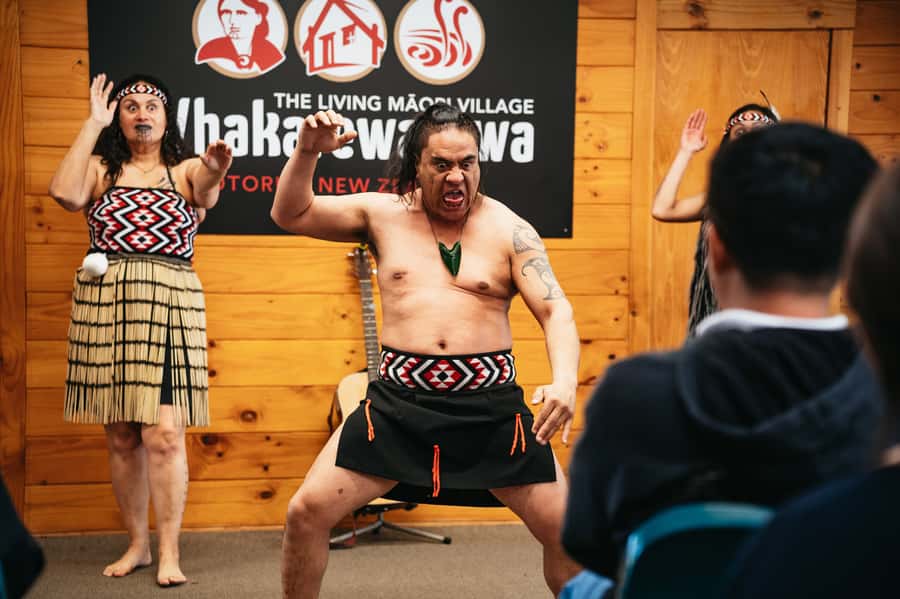
This is a straightforward cultural performance, not a dinner show and not a day-long “package.” You’re heading to Whakarewarewa – The Living Māori Village, where talented performers stage traditional song and dance for a seated audience. The format is designed for short attention spans and big feelings. In about half an hour, you’ll see several different elements of Māori performance culture, rather than one routine repeated for a long time.
What makes it interesting is the live staging. The performers aren’t acting in a vacuum. The setting is a living Māori village, and the show’s energy comes from that real context. Several people note a sense of authenticity, including moments where nearby community members can join in singing from around the crowd, not only from the main stage.
If you want a quick cultural introduction while you’re in Rotorua, this fits well. If you’re hoping for hours of hands-on learning or a full village program bundled into one ticket, this may feel short. Think of it as the musical and movement highlight reel, served with just enough background to make it land.
More Maori Cultural Experiences in Rotorua
- Mitai Maori Village: Cultural Experience and Dinner Buffet
★ 4.7 · 3,575 reviews - Cultural Experience & Seasonal Māori Cuisine at Te Pā Tū
★ 5.0 · 1,546 reviews - Mitai Maori Village Cultural Experience in Rotorua
★ 4.5 · 1,294 reviews
Check-in and seating: how to get the best view fast
Your day starts with simple logistics. Check in at the admissions building to receive your tickets, then follow the host or greeter who brings you into the performance area.
Seating is a practical detail worth taking seriously. People consistently describe the show as not overly crowded, but seats are limited. Also, seating is free (not assigned), so you can improve your odds of a great view by arriving early. If you care about seeing faces, handwork in the poi, or the full-body action during the haka, earlier entry is the smartest move.
The host is English-speaking, and the show includes explanations before the performances happen. That’s a big deal. When you understand what each section is for, you spend less time trying to decode “what am I supposed to be watching?” and more time enjoying the performance itself.
If you’re coming from a guided tour in the village area, plan enough time to move from your tour group to this check-in point. The show timing is tight at 30 minutes, so you don’t want to be late and stuck searching for your seat.
The haka in real life: what you’re actually seeing
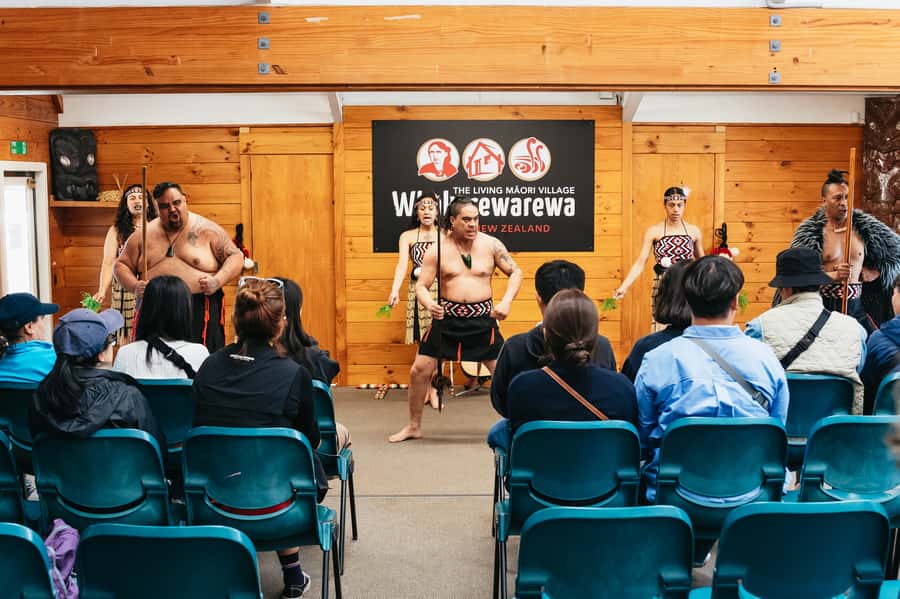
The haka is the headline for a reason, but it can still surprise you. Live, it’s louder, more physical, and more immediate than the clips you’ve probably seen online. In this performance, you’ll see a world-famous haka presented directly in front of you, as part of the structured program.
Here’s what I think makes the haka section especially powerful for first-timers: it’s not treated like a stunt. It’s staged with purpose, and it sits inside a sequence that includes songs and other dances. That means the haka feels connected to broader storytelling and tradition, not dropped in as a single dramatic “moment for tourists.”
You’ll also notice the performers’ energy. People describe strong spirit onstage, and you can feel why. This is not gentle background culture. It’s performance culture that uses voice, posture, and rhythm as a form of communication.
If you’re sensitive to intense performance or big bursts of sound, it’s still worth knowing that this is a live haka. But if you’re excited by emotion and movement, this section delivers exactly what you’re hoping for: a live experience you can’t replicate from a distance.
Poi dance and stick games: skill you can spot even without context
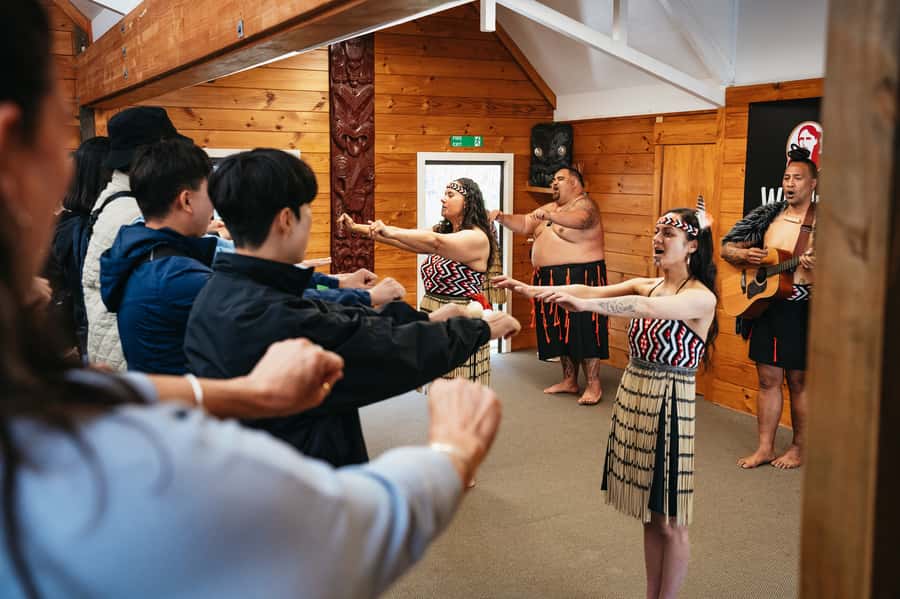
After the haka, the show shifts into other styles, including poi dance and stick games. If you’ve never watched poi or traditional stick movement up close, you’ll be amazed at how much precision is happening. The appeal isn’t only that it looks cool. It’s that the performers coordinate rhythm, timing, and control in a way that becomes obvious as soon as you see it in person.
Poi dance tends to be a crowd favorite because it’s visually readable. The spinning and swinging creates patterns you can track with your eyes, and it’s easy to appreciate the contrast between smooth motion and sharp beats. The stick games add a different kind of intensity, where speed and coordination matter more than graceful arcs.
What’s especially helpful is that you’re not just thrown into watching technical movement with no guidance. The show includes basic information in English before things happen. That short explainer layer matters because you can recognize elements like tempo changes and the role of the performers’ body positioning, instead of simply watching movement as a blur.
Same island, a completely different day:
- Rotorua Canopy Tours: 2.5Hour Native Forest Zipline Adventure
★ 5.0 · 4,563 reviews - Rotorua: Wai-O-Tapu Geothermal Park Entry Ticket
★ 4.6 · 2,601 reviews - Rotorua’s Ultimate Zipline: 6 ziplines, 400 m Tandem, Cliff Walk
★ 5.0 · 2,557 reviews - Rotorua Rafting: Kaituna River White Water Rafting & Free Sauna
★ 5.0 · 1,952 reviews
Singing and harmonies: why the voices matter more than you expect
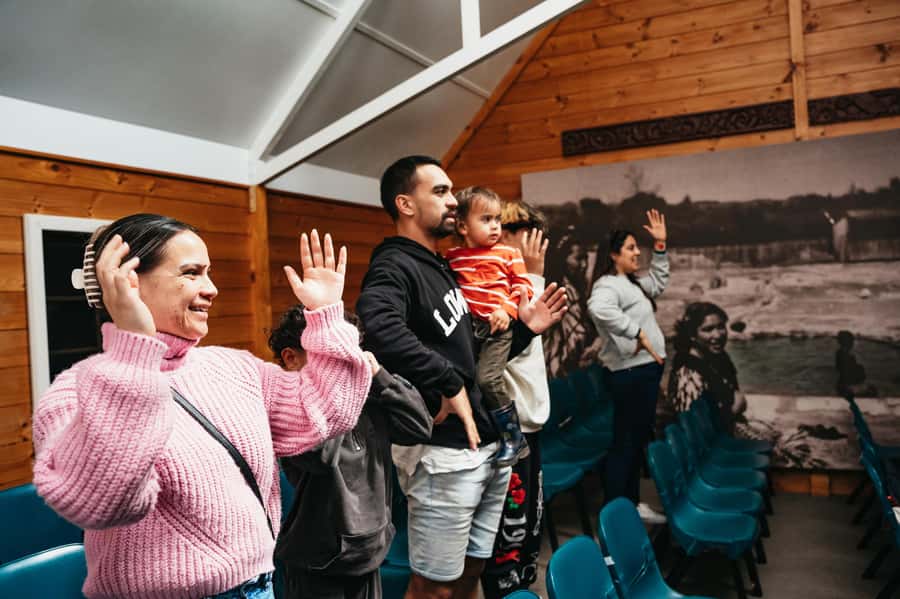
The core of the cultural performance is not only movement. It’s also voice. You’ll listen to performers sing traditional songs, with harmonies that carry across the audience. One of the most consistently praised parts is how good the singers are, with voices that seem to ring clearly through the space.
What I like about including songs in a short program is how the music gives you a different entry point into the culture. Even if you don’t understand every word, you can still feel rhythm, mood, and meaning through tone and delivery. That’s one reason people describe the experience as emotional or heartwarming.
Some attendees also mention enjoying the background story behind songs, like Pokarekare Ana. The practical takeaway for you is simple: pay attention to the brief explanations. Those few minutes of context can transform the songs from “pretty singing” into “this connects to a bigger story.”
The audience experience: participation, crowd energy, and comfort
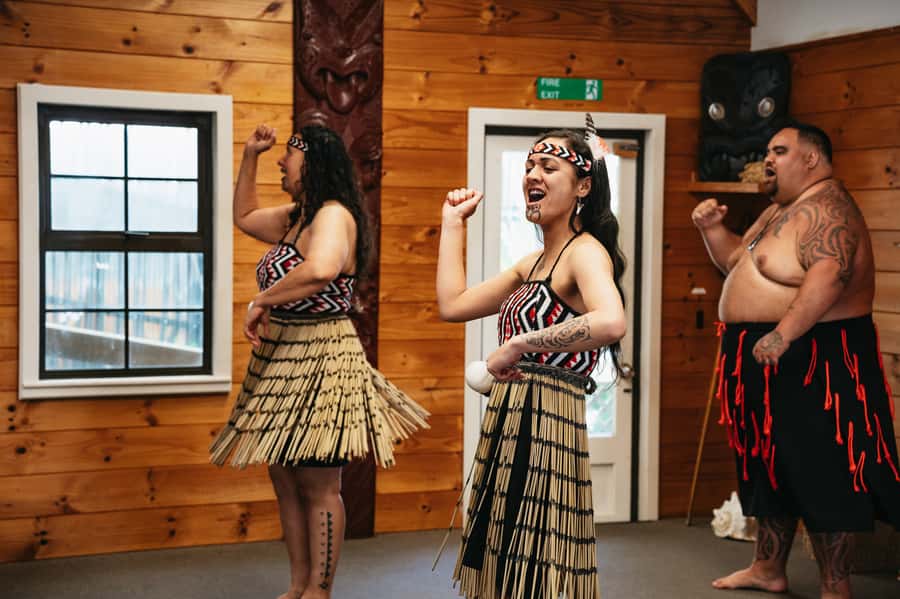
This show is built for an audience setting, and it doesn’t feel like you’re sitting alone in a performance hall. Many people mention a welcoming atmosphere and a warm, kind vibe among performers and staff. That matters, because cultural performances can sometimes feel stiff if you’re not sure how to behave.
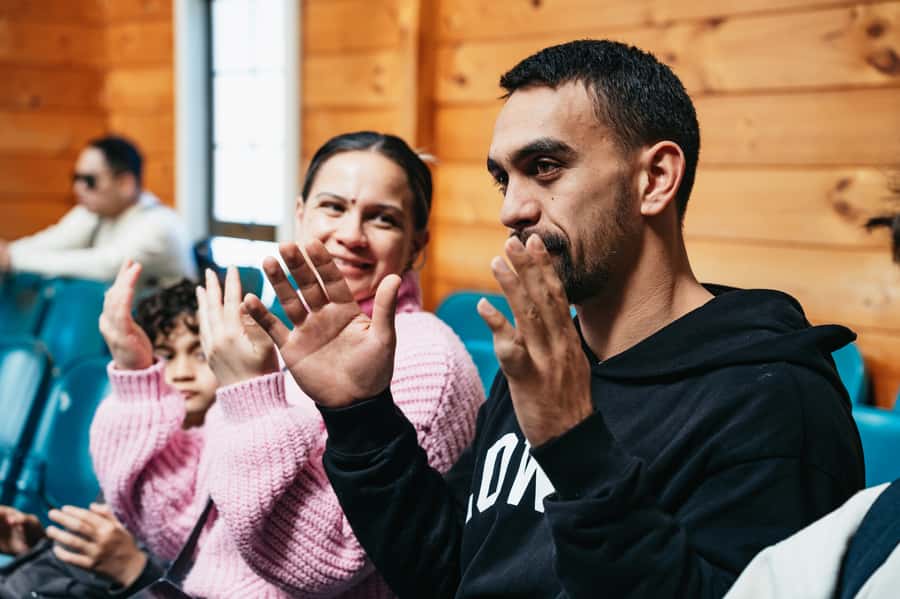
One feature to know up front: there may be an audience participation moment. That’s part of why the show can feel fun, especially for families or teenagers. If you’re shy, you can still enjoy the performance without turning it into a big personal challenge. But if you’re game, participation can make the routines stick in your memory.
Crowd size tends to be manageable. People note that it isn’t too crowded, likely because the venue and seating capacity are limited. Still, seats run out. If you want the best sightlines, arrive early.
A small caution: at least one person was disappointed by the lack of a photo opportunity after the show. If photos with performers are a must-have for your group, don’t count on a post-performance photo moment. Build your expectations around the performance experience itself.
Value and timing: is $20 for 30 minutes a smart deal?
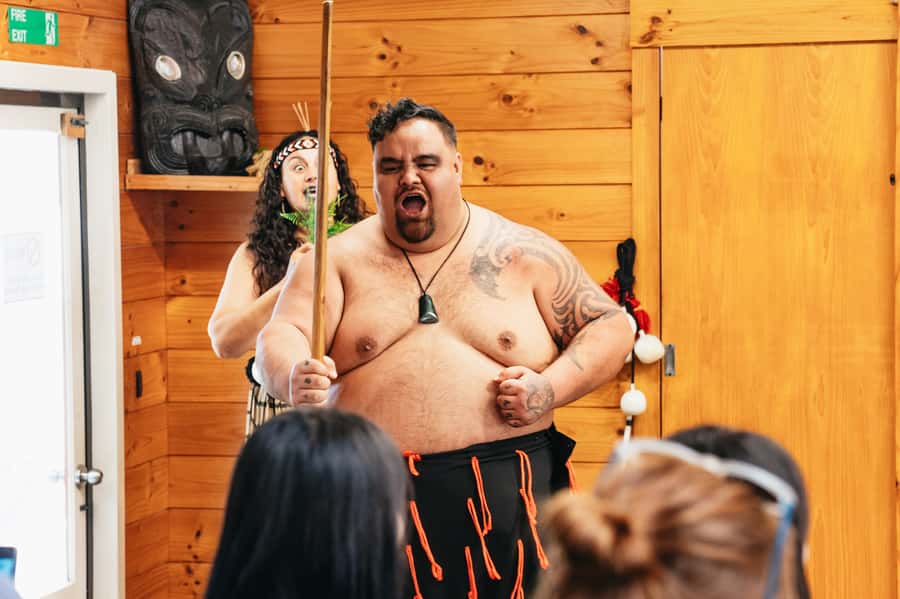
At about $20 per person for a 30-minute show, the value depends on what you want from Rotorua. For a short stop or a day packed with other plans, this is good value. You get a concentrated introduction to key elements of Māori performance: haka, poi dance, stick games, and singing with basic explanation.
It also helps that it’s not overloaded. Some visitors like that it’s just the show, without extra add-ons like a buffet dinner. That keeps the experience focused. You’re paying for the performance and the host, not for a bundle you might not want.
Where the price might feel less “worth it” is if you’re looking for a bigger, multi-activity village program. This booking is explicitly the performance only. If your ideal cultural experience includes walking through the village, additional demonstrations, or more time with guided interpretation, you’ll want to plan something else alongside this show.
In other words: the $20 is a solid ticket if you want an efficient, high-impact introduction. If you want depth over speed, treat it like the centerpiece and add extra time elsewhere.
What you should and should not expect (especially about village activities)
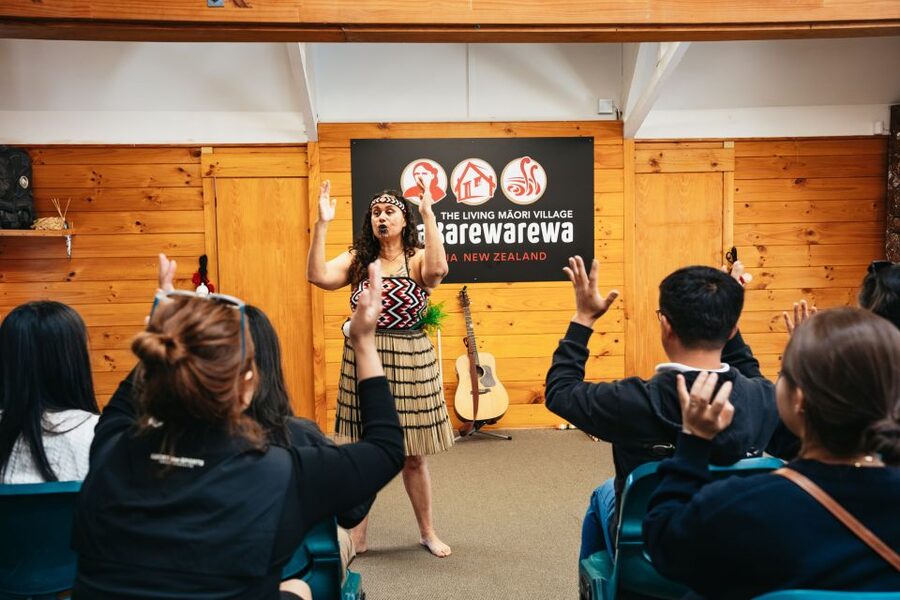
This experience includes the performance and a host, and it does not include tour or other village activities as part of this specific booking. That line is important.
So what does that mean for you on the ground? You’ll likely leave with a clear sense of what the routines are and why they matter, because the show includes explanations in English. But if you want extra context about everyday life in the village, or you want more time roaming around, you’ll need to look at separate options for village activities.
That said, some people recommend adding a village walk when visiting Whakarewarewa. The practical way to handle this: schedule the performance for when you want a breather, then if you have time, add a longer village activity either before or after, depending on what’s available that day.
Accessibility and language: simple points that matter
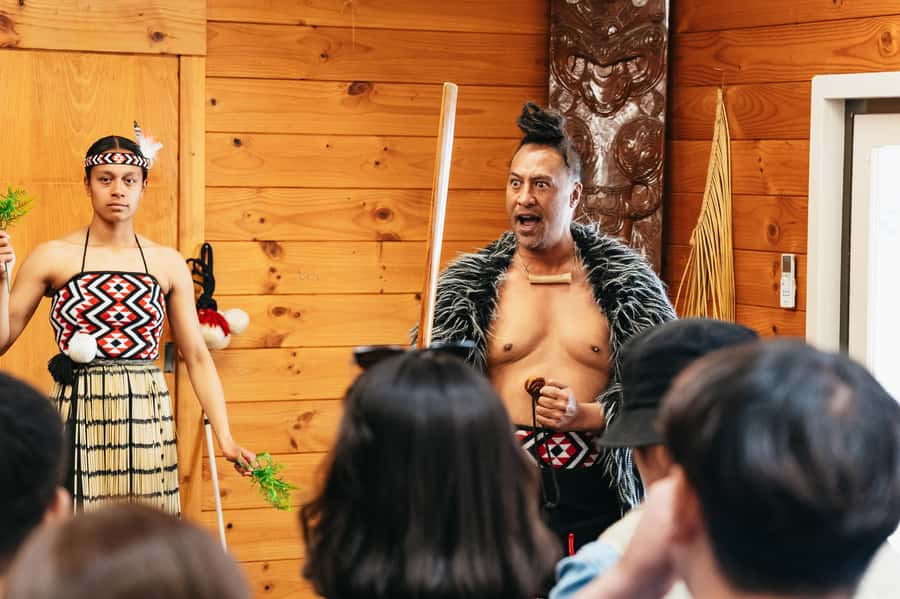
Good news for accessibility and communication. The host or greeter is English-speaking, and the experience is listed as wheelchair accessible.
What that means for your planning is comfort. You’re not going into a language barrier. You get basic information in English before the performance segments begin, which helps you follow along even with no prior knowledge of Māori performance.
If you’re traveling with mobility needs, confirm your seating and entry path when you check in. The show area may have its own flow, and your best bet is to ask the host how seating is arranged for wheelchair access.
Who this Rotorua Māori performance fits best
This is a strong match for:
- First-time visitors to Rotorua who want a quick, meaningful cultural introduction
- Families or groups with mixed ages who want something entertaining but still culturally grounded
- People who love live singing, movement, and emotion, without needing a full-day itinerary
It might not be the best match if you:
- Want a long, deep guided tour built into the same ticket
- Are hoping for multiple hands-on activities beyond the performance
- Need guaranteed photo time with performers after the show
If you’re unsure, here’s the rule of thumb I’d use: if you value a short, high-energy cultural performance with clear explanations, book it. If you want a broader village experience, pair it with additional activities.
Should you book this 30-minute show at Whakarewarewa?
Yes, if you want the clearest, most efficient introduction to Māori song and dance while in Rotorua. For $20 and 30 minutes, you get multiple key performance styles in one sitting: a live haka, poi dance, stick games, and singing with basic English context.
Book it early if you care about front-row views, since seating is free and limited. Skip it only if you’re looking for a multi-activity tour bundled into one ticket or you’re expecting a full evening program with extra village experiences.
If your goal is simply to see Māori culture performed live with real energy, this is the kind of stop that pays off quickly.
FAQ
How long is the Māori cultural performance?
The performance lasts 30 minutes.
Where do I check in for the tickets?
Check in at the admissions building to receive your tickets.
What is included in the ticket price?
The ticket includes the performance and a host.
Is there free cancellation?
Yes. You can cancel up to 24 hours in advance for a full refund.
What language is the host or greeter speaking?
The host or greeter is English-speaking.
Is the performance wheelchair accessible?
Yes, it is listed as wheelchair accessible.
Just added near Rotorua
- Thrilling Riverbug Adventure on the Rangitāiki River★ 5.0 · 4 reviews
- Te Puia: Tuku Iho Trail with Cultural Show★ 5.0 · 5 reviews
- Te Puia: Te Pō Indigenous Combo – Tour, Dinner + Haka★ 4.4 · 52 reviews
- Te Puia: Te Rā Guided Day Tour + Haka Cultural Performance★ 4.7 · 128 reviews
- Tauranga: Wai-o-Tapu with Redwood Forest Walk or Forest Spa★ 5.0 · 4 reviews
- Taupo: Orakei Korako Geothermal Park and Cave Entry Ticket★ 4.6 · 158 reviews
- Rotorua: White Island, Mount Tarawera & Waimangu Volcanic …★ 4.4 · 5 reviews
- Rotorua: Velocity Valley – One Ride Pass★ 4.9 · 15 reviews
Maori Cultural Experiences, compared.
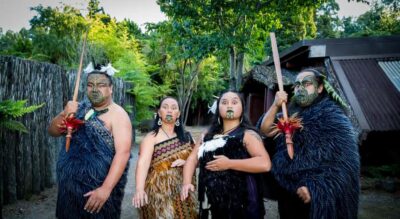
Mitai Maori Village: Cultural Experience and Dinner Buffet
Read our review →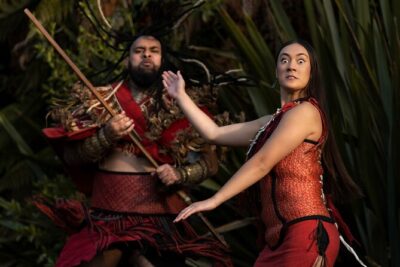
Cultural Experience & Seasonal Māori Cuisine at Te Pā Tū
Read our review →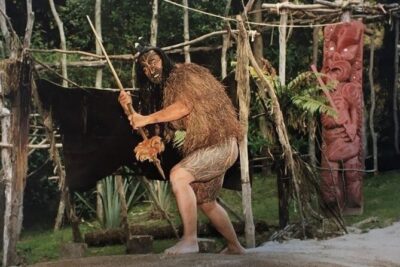
Mitai Maori Village Cultural Experience in Rotorua
Read our review →
Lake Taupo: Classical Sailing to the Māori Rock Carvings
Read our review →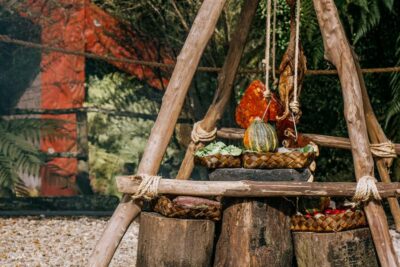
Te Pa Tu Māori Cultural Experience with Dinner
Read our review →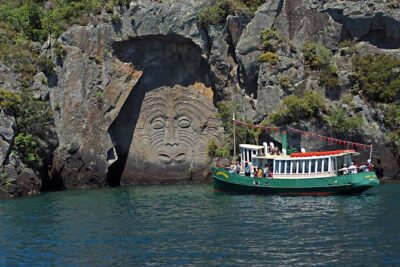
Lake Taupō Māori Rock Carvings Scenic Cruise aboard Ernest Kemp
Read our review →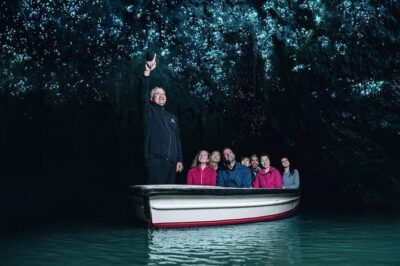
Waitomo Caves & Rotorua – Te Puia Small-Group Tour from Auckland
Read our review →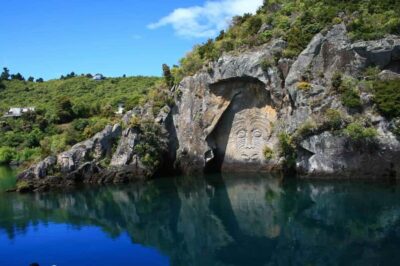
Lake Taupo: Maori Rock Carvings 10.30 AM 1.5-Hour Cruise
Read our review →Browse the lists this tour appears in