
REVIEW · GEOTHERMAL & HOT POOLS
Rotorua: Hell’s Gate Geothermal Walk
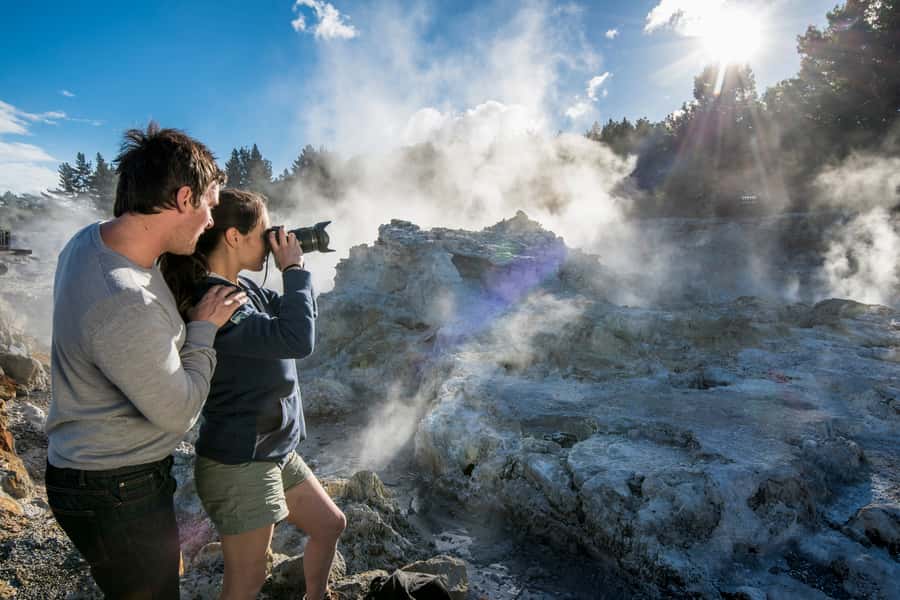
The sulfur smell hits first, then the views do the work. Hell’s Gate is Rotorua’s most active geothermal park, where you walk right past boiling mud, steaming fumaroles, hot water pools, and sulfur deposits that can look almost unreal up close.
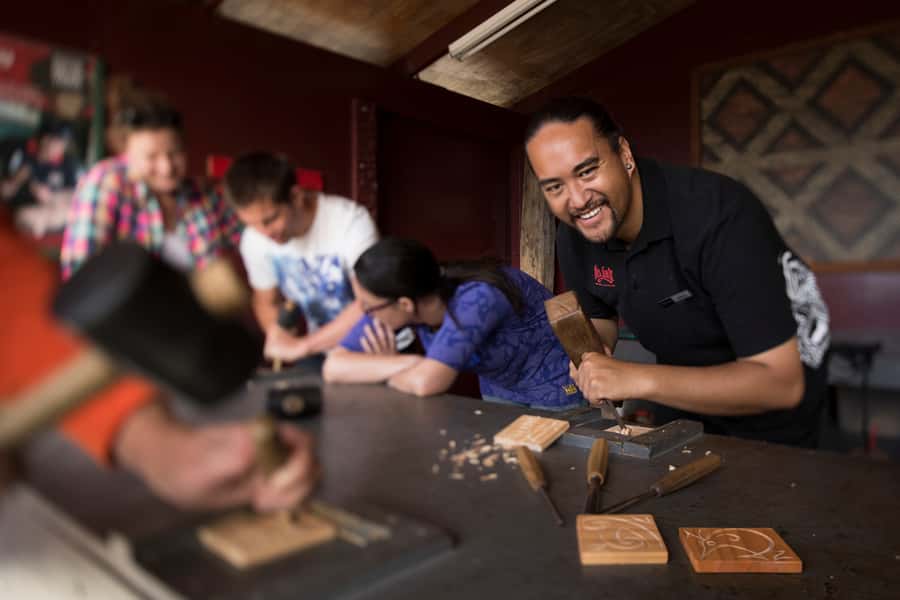
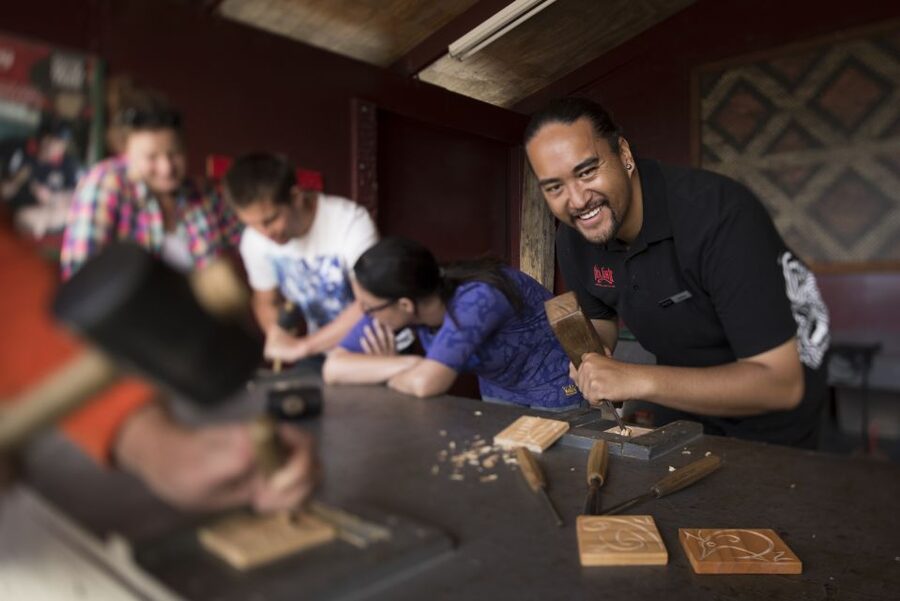
I love how you can do this two ways: self-guided with a map, or on a guided walk (10:30 AM or 2:30 PM) led by a local. I also like the bonus cultural piece, a complimentary Māori carving that ties the geology to place and tradition.
One thing to weigh: the park is famous for that strong sulfur smell, and it can be intense, especially if you’re sensitive to odors or if you wear jewelry that you care about.
In This Review
- Quick Hits Before You Go
- First, Know What You’re Walking Into at Hell’s Gate
- Getting There From Rotorua Center Without Stress
- Your Two Options: Self-Guided Map vs Guided Walk (10:30 and 2:30)
- Self-guided walk with the included map
- Guided walking tour with a local guide
- A note on timing confusion
- What You’ll See on the Geothermal Walk, Stop by Stop
- Boiling mud and the active mud volcano feeling
- Hot waterfalls and erupting water areas
- Fumaroles, hot water lakes, and sulfur deposits
- Vegetated geothermal sections
- Mud Foot Pool, Carving, and Other Extras That Might Be There
- Mud spa style fun (availability can vary)
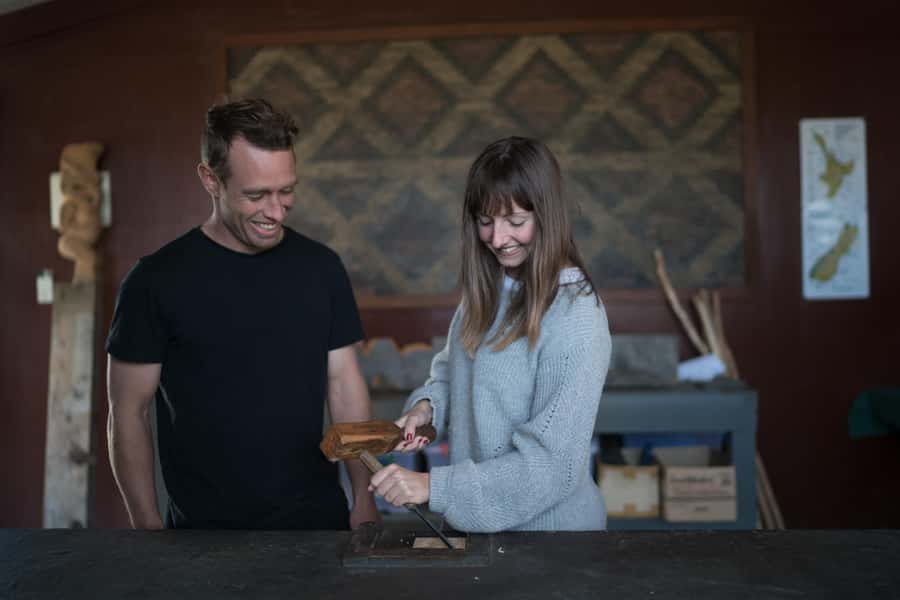
- Complimentary Māori carving
- Smell, Safety, and Photo Tips That Will Save Your Day
- The sulfur smell is part of the deal
- Protect jewelry and gear
- Stick to safe viewpoints and paths
- Rain can be a feature, not a problem
- Price and Value at About $26 Per Person
- Who This Geothermal Walk Fits Best, and Who Might Skip It
- You’ll likely love it if you:
- You might want to think twice if you:
- Families and kids
- Should You Book Hell’s Gate? My Take
Quick Hits Before You Go
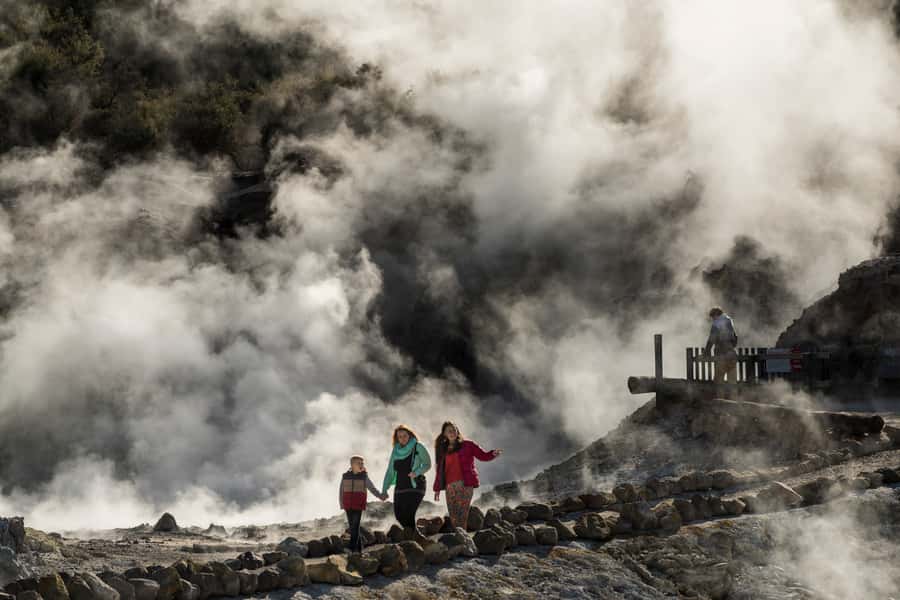
- Most active geothermal park in Rotorua with close-up mud, steaming vents, and hot pools
- Self-guided map route that takes about 1 hour and works in rain
- Guided tours at 10:30 AM and 2:30 PM for a more story-focused walk
- New Zealand geothermal superlatives, including the largest active mud volcano and major hot waterfalls
- Māori carving included, but carving participation requires children to be 12 and over
- Mud foot pool and guided extras are subject to availability, so build in a little flexibility
First, Know What You’re Walking Into at Hell’s Gate
Hell’s Gate is geothermal in the real, working sense. This is not a viewing deck. You’re walking through the heart of a geothermic field where heat, water, and gases are doing their thing all day.
Expect to see steaming fumaroles, boiling hot pools, and sulfur-rich features like crystals and deposits. You may also notice hot water lakes and bubbling areas that look like they belong in another planet movie. If you’re the kind of person who likes your travel education hands-on, this place is a good match.
It is also a spot where the weather changes the mood fast. The park is at its best when it is raining, and it stays an all-weather activity. That means the walk does not feel like a fragile outdoor attraction. It feels more like you’re entering a working natural system.
More Geothermal Experiences in Rotorua
- Rotorua: Wai-O-Tapu Geothermal Park Entry Ticket
★ 4.6 · 2,601 reviews - Rotorua: Hells Gate Outdoor Mud Bath & Spa Experience
★ 4.6 · 398 reviews - Wai-O-Tapu Thermal Wonderland, Rotorua, New Zealand
★ 4.5 · 379 reviews
Getting There From Rotorua Center Without Stress
Hell’s Gate sits just outside central Rotorua, about a 15-minute drive. If you’re coming from the city, head east on SH30. About 5 minutes past the airport, turn right toward Whakatane, then go about 3 km down this road.
Practical tip: plan to arrive with time to settle in. You will want a quick check of what is available for that day, plus time to grab water and pick up a rain cape if needed. The park sells rain capes onsite.
Your Two Options: Self-Guided Map vs Guided Walk (10:30 and 2:30)
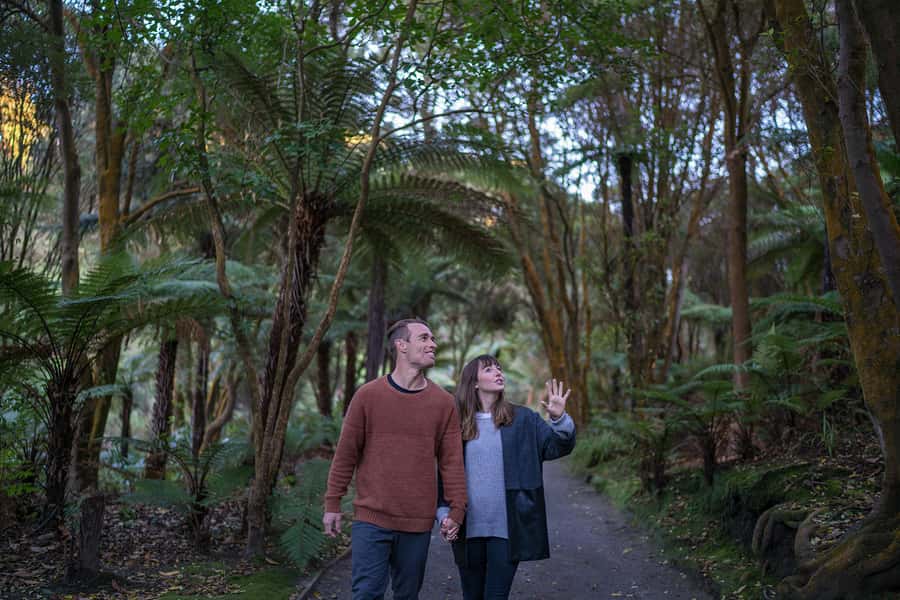
This experience is built around a simple walking route, and you can tailor it to your style.
Self-guided walk with the included map
The walk takes about 1 hour to complete. You get an included map for the geothermal route, plus descriptions of the different geothermal features. Many people find this enough to keep you oriented, and it lets you move at your own pace so you can linger at the best steaming spots.
In practice, this is the best option if:
- you want photos without a group pace
- you like reading your way through nature
- you have limited time and want the full “geothermal hits” quickly
More Walking Tours in Rotorua
- Rotorua’s Ultimate Zipline: 6 ziplines, 400 m Tandem, Cliff Walk
★ 5.0 · 2,557 reviews - Rotorua: Hell’s Gate Outdoor Mud Spa & Guided Walk
★ 4.7 · 1,140 reviews - Volcanic Valley Self Guided Walking and Hiking at Waimangu
★ 4.5 · 248 reviews - Rotorua: Mount Tarawera Volcanic Crater Half-Day Guided Walk
★ 4.8 · 121 reviews
Guided walking tour with a local guide
A guided tour is available at 10:30 AM and 2:30 PM, and the guided format runs about 1.5 hours. A local guide adds context you might miss if you are only using the map, especially around what you are seeing and how it connects to the geothermal system.
From the guide praise in the field, names like T, Liam, and Luke come up for being fun, entertaining, and very informative. If you want the “why” behind each steaming feature, the guided option is worth considering.
A note on timing confusion
Tours run at specific times, so if you show up expecting a guide to be ready whenever you arrive, you might be disappointed. If you are flexible, I’d pair your arrival plan to the 10:30 AM or 2:30 PM guided start, or commit fully to the self-guided route.
What You’ll See on the Geothermal Walk, Stop by Stop
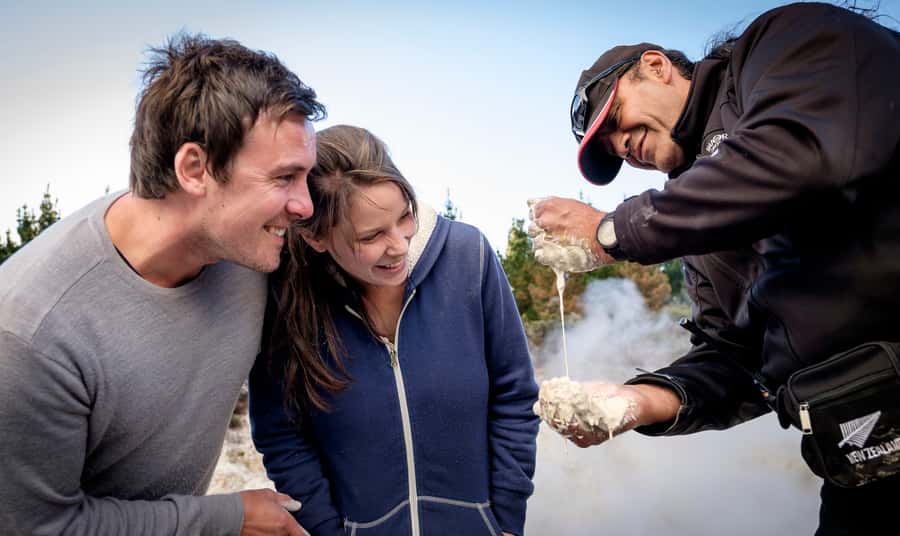
Hell’s Gate is spread out enough to feel like a proper walk, but not so huge that you lose the day. The route is often described as manageable, and the core idea is that you keep moving through the field to hit the main geothermal sights.
Here’s what you should expect to encounter along the way.
Boiling mud and the active mud volcano feeling
Hell’s Gate is known for New Zealand’s largest active mud volcano. When you stand near boiling mud, it changes the whole experience from “interesting scenery” to “this is happening now.”
This is the kind of geology you can smell and feel in the air, and it is one of the big reasons the park is memorable. You do not just look at heat, you notice how active it is.
Hot waterfalls and erupting water areas
The park also highlights the Southern Hemisphere’s largest hot waterfalls. You’ll want to take your time here, because hot water and geothermal activity can look different depending on the steam level and weather.
If rain is falling or the air is wet, you can get a sharper sense of scale and motion. That is part of why the park often feels better when it is raining.
Fumaroles, hot water lakes, and sulfur deposits
Steaming fumaroles are a key part of the walk. These are vents where gases escape, and they’re the source of that iconic sulfur smell.
You’ll also see hot water lakes, plus sulfur crystals and deposits. In some areas, the ground can look stained or textured, like the earth has been coated by mineral chemistry over and over.
Vegetated geothermal sections
One of the surprises in geothermal parks is that life can still take hold. There are areas with vegetation within the geothermal field, and it can help you understand how heat and survival coexist.
If you love learning about how plant life deals with extremes, you’ll likely enjoy this contrast: steam and minerals, paired with living growth.
Mud Foot Pool, Carving, and Other Extras That Might Be There
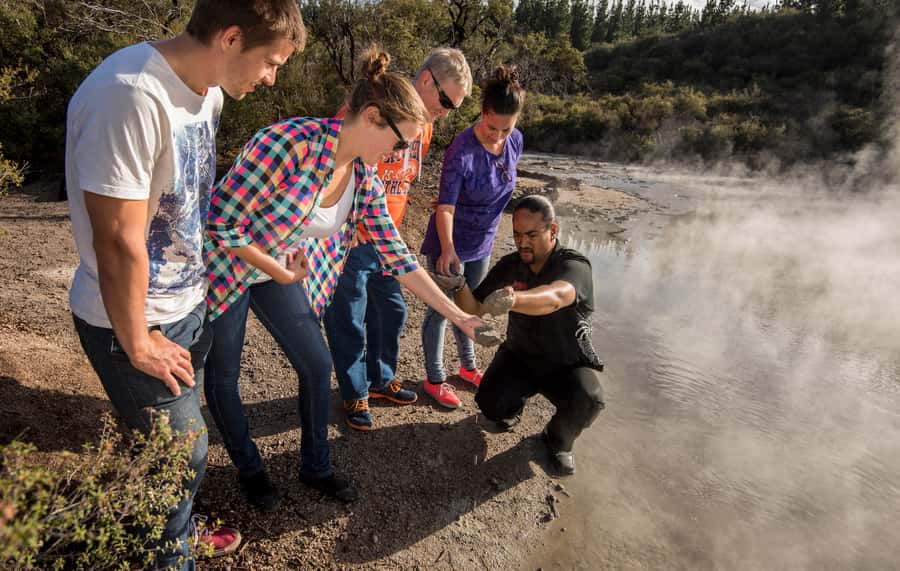
Hell’s Gate blends geology with small, hands-on extras.
Mud spa style fun (availability can vary)
The experience includes access to a mud spa component, and there’s a mud foot pool mentioned as part of the experience. The key detail is that mud foot pool time is subject to availability, so it is not something to rely on as your main plan.
If you do get a chance to try it, it’s a fun way to turn the “I saw mud” moment into “I experienced mud.” Many people like this as a quick break from pure walking.
Complimentary Māori carving
A complimentary Māori carving is included. This is a nice add-on because it gives the day a human layer, not just science and steam.
One important constraint: children must be 12 and over to participate in the carving. And like the mud pool, carving is subject to availability, so again, arriving with flexibility helps.
Smell, Safety, and Photo Tips That Will Save Your Day
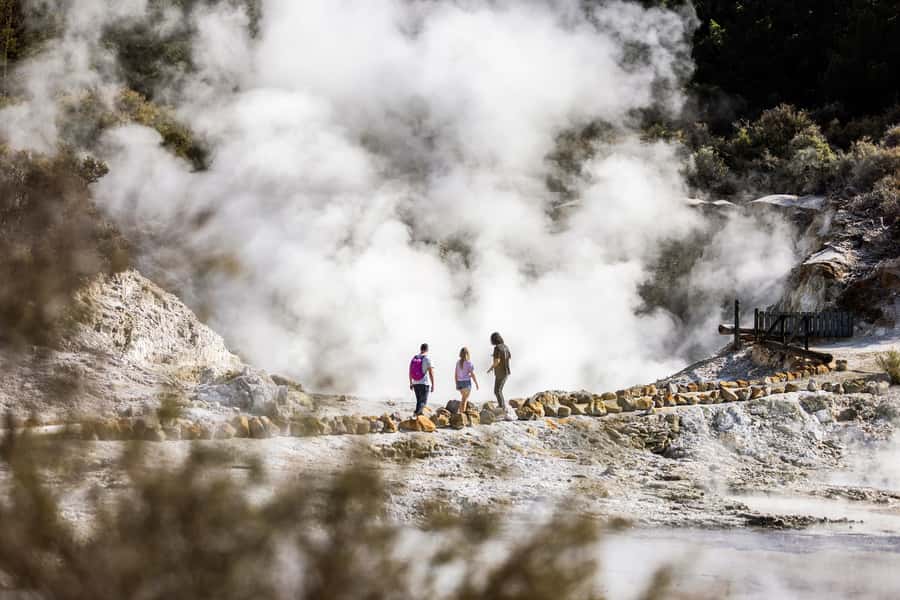
Let’s talk real life at Hell’s Gate.
The sulfur smell is part of the deal
The sulfur odor can be strong, and it has been described as similar to rotten eggs. If you are sensitive to smell, this is the one factor that can make or break your comfort level.
What I’d do: bring sunglasses, keep your water handy, and take short breaks if you need them. Also, expect the smell to follow you to the places where the geothermal activity is strongest.
Protect jewelry and gear
One practical warning that comes up: geothermal fumes and residue can tarnish jewelry, especially gold and silver. If you have pieces you care about, consider removing them before the walk. Sunscreen is a must, and comfortable shoes are non-negotiable.
Stick to safe viewpoints and paths
Geothermal parks are inherently risky. There’s hot mud, hot water, and ground conditions that change. Even if fences feel close, treat every barrier as the line between you and the heat.
There’s a general theme of people wanting better protection in some areas, so I’d strongly recommend you do not rush, do not lean, and keep your attention on where you step.
Rain can be a feature, not a problem
Because the park is at its best in rain, treat wet weather like part of the plan. If it is raining hard, a rain cape helps. It also keeps you from rushing through the walk just because you are cold.
For photos, steam can blur the scene if you get too close, so grab shots from a safer distance and let the steam frame the texture.
Price and Value at About $26 Per Person
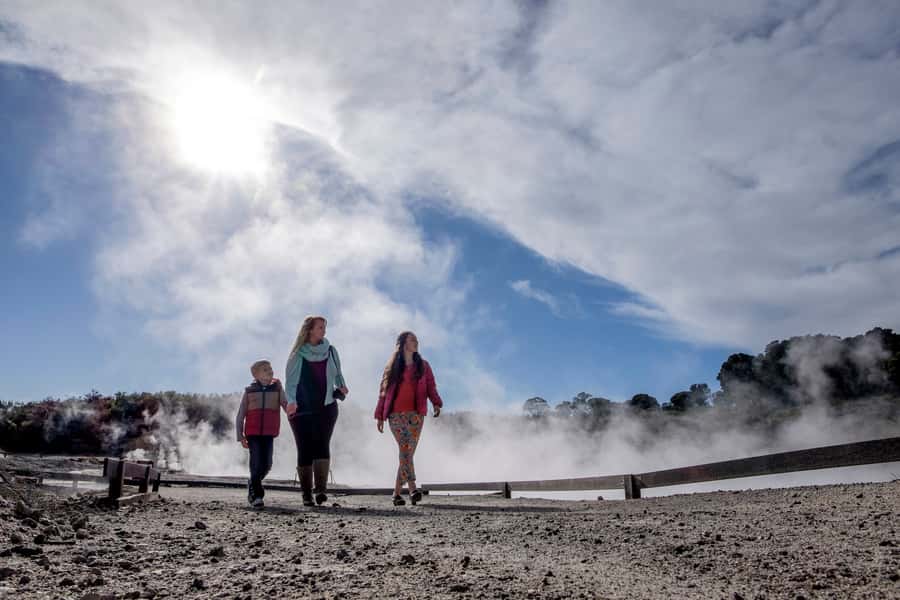
At $26 per person, Hell’s Gate sits in a sweet spot for what you get: a guided option when available, a self-guided map route that gives you a full hour of walking, and included geothermal-focused cultural time through the Māori carving.
Here’s the value breakdown in plain terms:
- If you self-guide, you’re paying for access to the reserve experience plus the included map, and you can move freely at your pace.
- If you go guided, you add a local explanation layer, which can turn a series of steaming features into a connected story about how the geothermal system works.
- If extras like the mud foot pool and carving are available, they upgrade the day from “walk through nature” to “walk + try + learn.”
The one thing to watch: entry ticket is not included in this price. So factor in the additional entry cost when you’re budgeting.
Who This Geothermal Walk Fits Best, and Who Might Skip It
Hell’s Gate is a strong match for a lot of travel styles.
You’ll likely love it if you:
- want geology you can see and smell up close
- like self-paced walking with clear signage and a map
- enjoy the mix of science and culture through the carving component
- don’t mind a strong sulfur scent (or you can handle it)
You might want to think twice if you:
- are very sensitive to strong sulfur odors
- have mobility limitations, since it is not suitable for people with mobility impairments
Families and kids
The walking route is set up as an outdoor walk, and the carving participation is limited to children 12 and over. So families with older kids will likely get more out of the day. For younger kids, the geothermal sights are still there, but the cultural carving option may not apply.
Should You Book Hell’s Gate? My Take
If you’re in Rotorua and you want a real geothermal walk with close-up mud, fumaroles, and hot water features, I think Hell’s Gate is a smart booking. The big reasons are the active feel of the park, the self-guided option with a usable map, and the fact that the experience can be more than just walking by adding carving and possibly mud spa fun when available.
Book it if you can handle the sulfur smell and you are okay with outdoors conditions, including rain. Skip or adjust your expectations if you cannot deal with strong odors, or if mobility needs make the walk difficult.
If you have time for only one geothermal stop, this is one of the places where the “most active” label makes sense once you’re there.
More Geothermal Parks near Rotorua
- From Rotorua: Wai O Tapu & Waimangu Eco Thermal Morning Tour
★ 4.8 · 320 reviews - From Rotorua: Wai-O-Tapu, Waimangu and Te Puia Full-Day Tour
★ 4.9 · 178 reviews - Taupo: Orakei Korako Geothermal Park and Cave Entry Ticket
★ 4.6 · 158 reviews - Half-Day Tour – Ex Rotorua: WAI-O-TAPU Thermal Wonderland
★ 4.7 · 101 reviews
Just added near Rotorua
- Thrilling Riverbug Adventure on the Rangitāiki River★ 5.0 · 4 reviews
- Te Puia: Tuku Iho Trail with Cultural Show★ 5.0 · 5 reviews
- Te Puia: Te Pō Indigenous Combo – Tour, Dinner + Haka★ 4.4 · 52 reviews
- Te Puia: Te Rā Guided Day Tour + Haka Cultural Performance★ 4.7 · 128 reviews
- Tauranga: Wai-o-Tapu with Redwood Forest Walk or Forest Spa★ 5.0 · 4 reviews
- Taupo: Orakei Korako Geothermal Park and Cave Entry Ticket★ 4.6 · 158 reviews
- Rotorua: White Island, Mount Tarawera & Waimangu Volcanic …★ 4.4 · 5 reviews
- Rotorua: Velocity Valley – One Ride Pass★ 4.9 · 15 reviews
Geothermal & Hot Pools, compared.
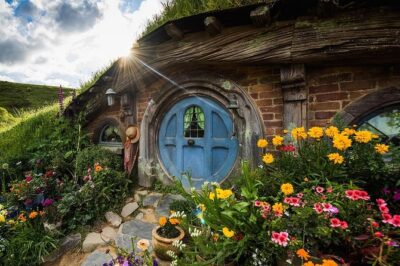
Hobbiton & Rotorua including Wai-O-Tapu – Small Group Tour from Auckland
Read our review →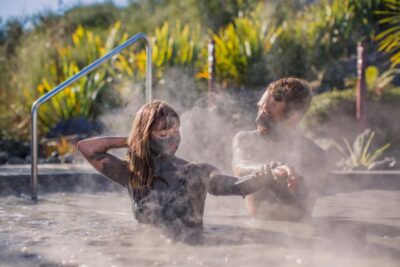
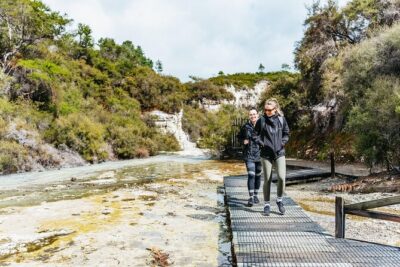
Wai-O-Tapu Thermal Wonderland, Rotorua, New Zealand
Read our review →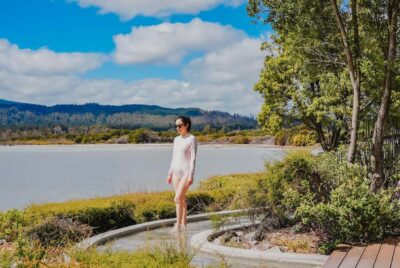
Polynesian Spa Pavilion Hot Pool Bathing (12+ yrs)
Read our review →
Wai O Tapu & Waimangu Eco Thermal Morning Tour
Read our review →
Browse the lists this tour appears in