
REVIEW · MAORI CULTURAL EXPERIENCES
Mārama: Geyser Light Trail at Te Puia
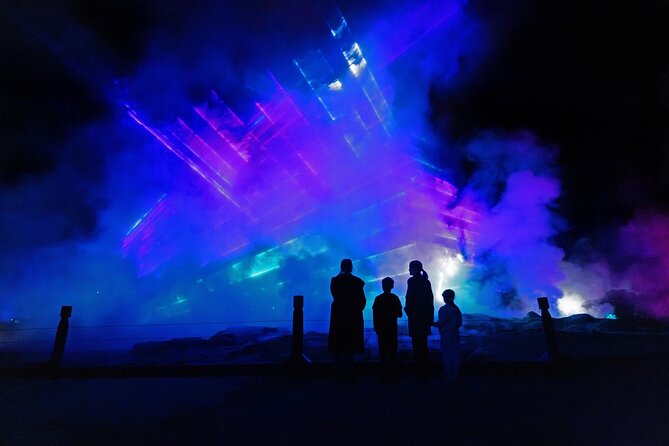
Night in Rotorua can look magic. Mārama turns Te Puia’s geothermal valley into a moving light show with sound by Maisey Rika.
What’s most interesting is the simple promise: you start in near-darkness, then walk a 1.5 km path through ten themed scenes where geysers and paths light up in layers.
I like that the experience is not just a stand-and-watch show. You pace yourself through interactive artworks and multiple viewing moments, plus there’s a break at the Terrace for a sweet treat or drink (sold separately) and views of the famous Pōhutu Geyser.
One drawback to plan for is that the visuals can be intense. Some people with light sensitivity, motion sickness, or epilepsy triggers may find it uncomfortable, and one piece of feedback noted a late start (8:30pm) felt very dark except near the heated stones by the geyser viewing area.
In This Review
- Key things to know before you go
- Mārama at Te Puia: a night walk that changes the geothermal vibe
- The 1.5 km route: your pace, the footing, and the best mindset
- How the ten light scenes actually work for your eyes
- Maisey Rika’s soundtrack: a guide you can feel
- Stop 1 at Te Puia: emerging from darkness into the show
- The Terrace break and Pōhutu Geyser views
- Interactive artworks: when the show wants you to do more than watch
- Who this fits best, and who should think twice
- What to wear and bring for a comfortable night at Te Puia
- Price and value: what $30.41 buys you
- Weather matters for a night show on unpaved paths
- Should you book Mārama: Geyser Light Trail at Te Puia?
- FAQ
- How long is the Mārama Geyser Light Trail?
- What does the ticket include?
- Where do I meet for the tour?
- Is it wheelchair or stroller friendly?
- What should I wear?
- Is it safe for people with epilepsy or light sensitivity?
- Does the experience run in bad weather?
- What is the cancellation window?
Key things to know before you go
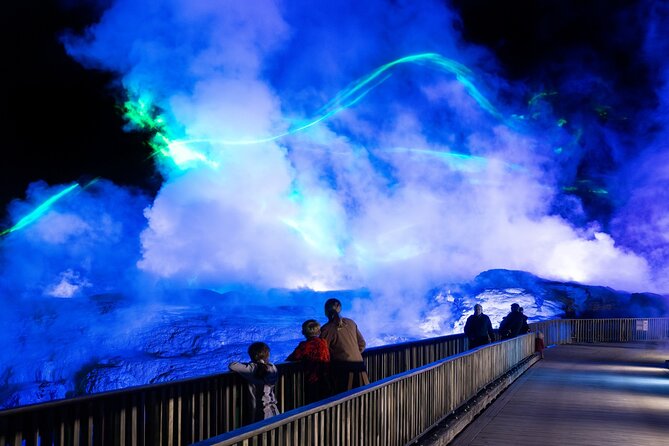
- Maisey Rika audio track: you follow the night with music woven through the walk’s scenes.
- Ten unique light scenes: the trail is built like a sequence, not one big lighting effect.
- Pōhutu Geyser Terrace stop: you get a specific pause for views, plus snacks and drinks if you want them.
- Interactive artworks along the route: the walk includes more than lighting, with hands-on style elements.
- Unpaved paths: good for sturdy shoes, not for wheelchairs or prams.
- Light effects can be intense: not a fit if light sensitivity or epilepsy is a concern.
Mārama at Te Puia: a night walk that changes the geothermal vibe
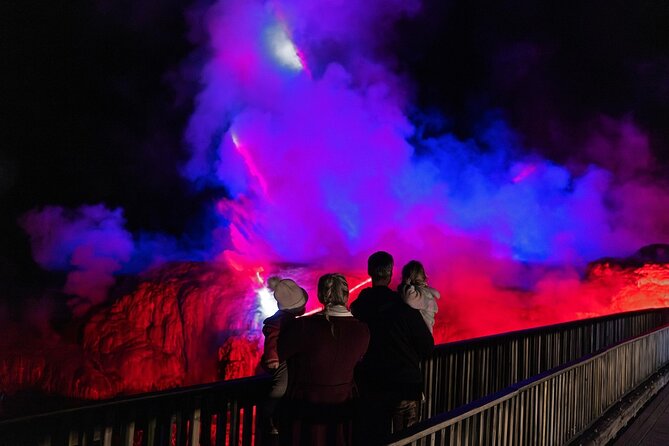
Te Puia is already visually powerful in daylight. At night, the geothermal valley can feel even more otherworldly, because you are seeing steam, rock, and glowing geology without daylight flattening everything. Mārama takes that advantage and builds a guided walking experience around the idea of moving from darkness into light.
The production leans hard on two senses: what you see and what you hear. The soundtrack is by local artist Maisey Rika, and it’s described as guiding you from the festival-like entrance, past interactive artworks, and down through the valley’s scenes. That matters because the pacing of a walk like this is never just about distance. It’s about when the environment shifts, when you look up, and when you notice geysers that you might miss at speed.
You also exit through Pikirangi Village, with one final farewell as the Mārama lights glow above the night sky. That ending is a big deal, because night experiences can feel unfinished if they end abruptly. Here, the flow is designed to wrap up as you leave.
More Maori Cultural Experiences in Rotorua
- Mitai Maori Village: Cultural Experience and Dinner Buffet
★ 4.7 · 3,575 reviews - Cultural Experience & Seasonal Māori Cuisine at Te Pā Tū
★ 5.0 · 1,546 reviews - Mitai Maori Village Cultural Experience in Rotorua
★ 4.5 · 1,294 reviews
The 1.5 km route: your pace, the footing, and the best mindset
Plan for about 60 minutes to explore the 1.5 km track at your own pace. The overall duration is listed as around 1 hour, which fits with a gentle walk plus stops to take in the scenes. The route is hosted, so you are not wandering alone, but you still control how long you pause for photos or quiet watching.
Here’s the practical part: the paths are unpaved. That means shoes with grip matter, especially if the ground is damp from Rotorua weather. Even when the weather is clear, geothermal areas can have uneven surfaces, and night-time walking gives you less visual detail. Comfortable footwear is not optional.
This is also not designed for anyone who needs a fully flat, smooth surface. It is not suitable for wheelchairs or prams due to the unpaved paths. If you’re pushing a stroller, this is likely the wrong pick. If you have mobility limits, you may still manage with moderate fitness, but you should treat the terrain as the main factor in your decision.
How the ten light scenes actually work for your eyes
The experience is built around ten unique scenes brought to life in light. The key idea is that you are not only watching one highlight. You move through a sequence of visuals that change as you go deeper into the valley.
If you’re the type who loves structure in a night show, you’ll probably enjoy this. It gives you landmarks without feeling like a lecture. The lighting is described as a spectrum of light, and your route includes paths and geysers illuminated together, so you get a mix of wide views and more intimate looking.
One caution: night lighting can be subtle in real life. One feedback note singled out the 8:30pm time slot as feeling extremely dark, with very little lighting beyond the heated stones near the geyser viewing area. That doesn’t mean it will be the same for you, but it’s a useful expectation check. If you are deciding based on photos that look very bright, you may want to keep your expectations flexible and focus on the full experience of guided sound plus staged visuals.
Maisey Rika’s soundtrack: a guide you can feel
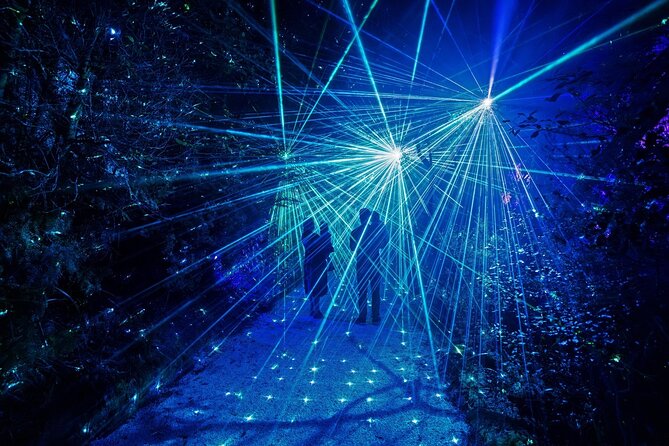
Music can be a gimmick. Here it seems to be part of the navigation. The walk is described as blending storytelling, artistry, and sound, with the melody of Maisey Rika and collaborative sound weaving through the experience.
Why that matters to you: when you’re walking at night, it’s easy to get turned into a passive observer. A guided soundtrack helps you stay oriented in the flow. You know something is about to change, you listen for the cue, and you look up when the sound brings you there.
It also makes the whole thing feel more like a live event than a fixed installation. Even if you only catch part of the audio, the design intent is clear: the story moves with you, and the light scenes match that rhythm.
If you enjoy modern local music, this is a nice bonus. If you prefer silence, this may not be the right vibe, because the audio is presented as woven throughout.
Same island, a completely different day:
- Rotorua Canopy Tours: 2.5Hour Native Forest Zipline Adventure
★ 5.0 · 4,563 reviews - Rotorua: Wai-O-Tapu Geothermal Park Entry Ticket
★ 4.6 · 2,601 reviews - Rotorua’s Ultimate Zipline: 6 ziplines, 400 m Tandem, Cliff Walk
★ 5.0 · 2,557 reviews - Rotorua Rafting: Kaituna River White Water Rafting & Free Sauna
★ 5.0 · 1,952 reviews
Stop 1 at Te Puia: emerging from darkness into the show
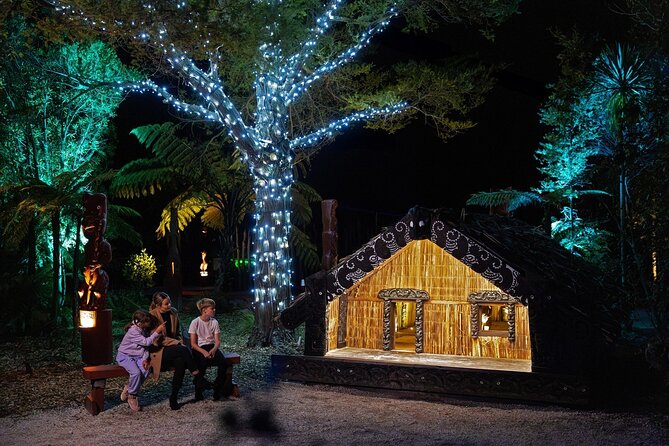
The official start is at Te Puia. The framing is simple: from the depths of darkness and emerging into the world of light. That opening matters because it sets the contrast level for the rest of the night.
You begin at what’s described as a festival-like entrance, then move past interactive artworks. This first section is where you’ll likely get your bearings fast. You’re seeing how the environment reacts to the lighting and how the audio guides the pace.
If you are sensitive to bright flashes or fast visual changes, this is the moment you should watch yourself carefully. The experience includes lighting effects that can be intense, and the opening is likely where they set the tone.
The Terrace break and Pōhutu Geyser views
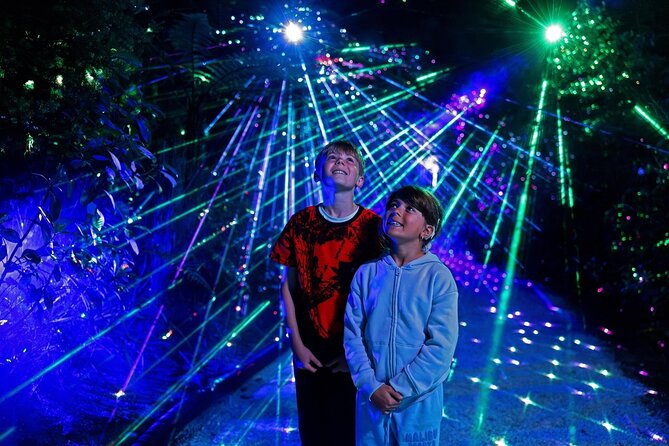
There’s a specific pause at the Terrace. This is your chance to slow down and take in views of the Pōhutu Geyser. It’s also where the experience offers a practical reward: a sweet treat or drink is available for purchase.
I like that they build in a natural break like this. Night walks can be fatiguing because your brain is working harder, scanning shadows and watching for cues. A designated spot to look, sip, and refuel helps you enjoy the second half without feeling rushed.
It also helps with photography. A Terrace viewpoint gives you a stable place to look toward something bigger than a close-up artwork. Just remember that geothermal sites are active and steam can shift the view, so you may not always see the same thing at the same time. Treat it like a living stage.
Interactive artworks: when the show wants you to do more than watch
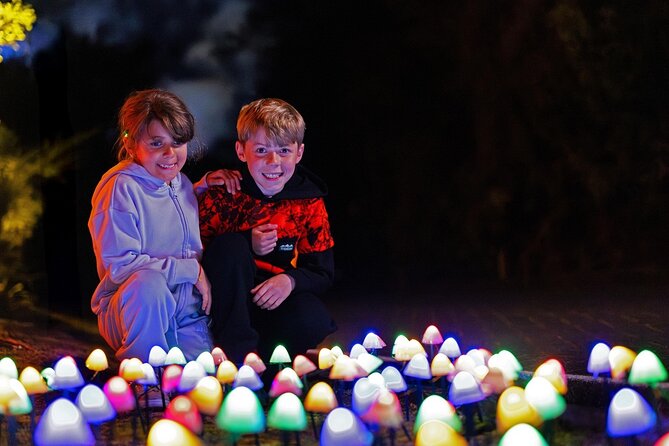
Along the way, you pass interactive artworks. The description doesn’t list every exact piece, but the intent is clear: this is not only lighting projected onto the valley. The trail includes elements that respond to your presence or invite participation.
That’s a good fit if you like movement and hands-on experiences. It’s also a practical way to keep the walk from feeling like one long queue to the next viewing area. Interactive moments break up the time between bigger light scenes.
If you’re easily distracted by too many stimuli, this might feel like sensory overload when combined with audio and lighting effects. If that’s you, consider whether the pacing will feel calming or busy.
Who this fits best, and who should think twice
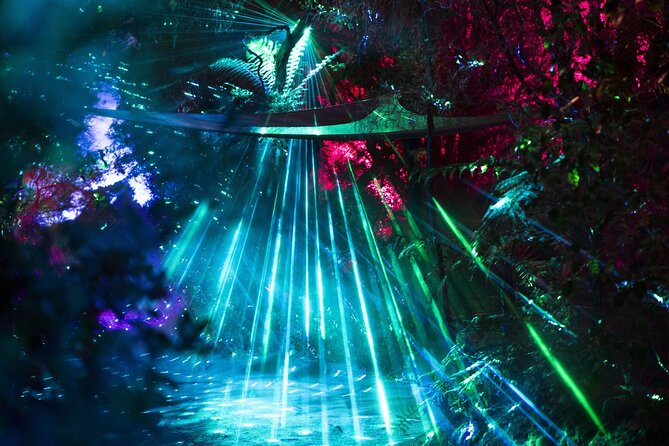
This experience is aimed at people with a moderate physical fitness level. The distance is reasonable, and you explore at your own pace, but you still need to walk an outdoor trail with unpaved footing in the dark.
It’s also a night show with light effects. That makes it a poor match for anyone triggered by flashing or strong visual patterns. The notes say it’s not recommended for travellers with epilepsy or those triggered from light, and that some visual effects may be intense and cause discomfort for guests with light sensitivity or motion sickness.
If you fall into any of those groups, I’d skip it, even if it looks tempting. The risk is not worth the payoff.
On the other hand, if you enjoy atmospheric night walks, local music, and staged natural settings, this is a strong candidate. It’s also a good option if you want something different from the usual Rotorua geothermal circuit, because the focus is not only on steam and rocks. It’s on how the valley feels when it’s choreographed with sound and light.
What to wear and bring for a comfortable night at Te Puia
The basics are clearly stated: wear comfortable footwear and warm clothing. That’s your best bet for Rotorua evenings, especially when you’re standing or moving slowly.
Add a simple gear mindset:
- Dress in layers so you can adjust as the music and lighting draw you forward.
- Choose shoes with grip for unpaved paths.
- Wear something warm enough that you’re not thinking about cold during the quiet moments.
Because light effects can cause discomfort, you should also think about how you handle bright stimuli in general. If you know you get motion sick in cars or crowds, night visuals plus walking may be a tough combo for you.
Price and value: what $30.41 buys you
The price is $30.41 per person, with an admission ticket included. At face value, that’s not a huge chunk of money for an hour-long, hosted, guided night experience.
What makes it feel like value is the bundle:
- a guided outdoor walk on a dedicated 1.5 km trail
- ten distinct light scenes
- sound by local artist Maisey Rika
- interactive artworks
- plus a Terrace viewpoint stop for Pōhutu Geyser views
The Terrace food and drink are available for purchase, so you should treat those as optional add-ons. But the fact that the viewpoint is built into the route helps justify the ticket price. You are paying for production, guidance, and access to the full experience flow, not just a ticket to a site you could wander alone.
The only part that can swing your value perception is the lighting intensity at your specific time. One note mentioned a late start that felt very dark. If your date and time happen to match that vibe, you may feel less wow. If lighting is strong where you are in the sequence, the ticket becomes a lot more worth it.
Weather matters for a night show on unpaved paths
This experience requires good weather. That makes sense. You are walking outdoors on unpaved paths at night, so rain, wind, or poor visibility can ruin both safety and the intended look of the lights.
If it does get canceled due to poor weather, you’re offered a different date or a full refund. That’s the right kind of safety net for an outdoor production.
In practice, plan to check conditions before you go, especially if you’re booking on a day when Rotorua’s weather could shift quickly.
Should you book Mārama: Geyser Light Trail at Te Puia?
I’d book it if you want a guided night walk that mixes geothermal scenery with staged light scenes, plus a soundtrack by Maisey Rika. You’ll likely enjoy it most if you like atmospheric experiences, don’t mind walking outdoors at night, and you can handle light effects without sensitivity.
I’d pass if you have epilepsy or know you get triggered by light, or if motion sickness and strong visuals are a common issue for you. Also think twice if you expect the brightest look from photos. At least one feedback note flagged a late 8:30pm time as feeling extremely dark except near the heated stones by the geyser viewing area, so keep expectations grounded and focus on the full sound-and-walk experience.
If you’re on a Rotorua itinerary and want one night activity that feels like a designed event rather than another daytime geothermal stop, Mārama is a smart pick.
FAQ
How long is the Mārama Geyser Light Trail?
It’s about 1 hour, and you should allow around 60 minutes to explore the 1.5 km track at your own pace.
What does the ticket include?
The admission ticket to Te Puia is included.
Where do I meet for the tour?
You redeem your ticket at Te Puia, Hemo Road, Whakarewarewa, Rotorua 3010, New Zealand.
Is it wheelchair or stroller friendly?
No. It is not suitable for wheelchairs or prams because the paths are unpaved.
What should I wear?
Wear comfortable footwear and warm clothing. The walk is outdoors and involves walking on unpaved paths.
Is it safe for people with epilepsy or light sensitivity?
It’s not recommended for travellers with epilepsy or who are triggered from light. Some visual effects may be intense and could cause discomfort for guests with light sensitivity or motion sickness.
Does the experience run in bad weather?
The experience requires good weather. If it’s canceled due to poor weather, you’ll be offered a different date or a full refund.
What is the cancellation window?
Free cancellation is available up to 24 hours in advance for a full refund. If you cancel less than 24 hours before the start time, the amount paid is not refunded.
Just added near Rotorua
- Massage and Wellness★ 4.5 · 3 reviews
- Mini Golf with Rabbits in Rotorua★ 4.5 · 52 reviews
- Katoa Jet Boat & Lake Rotoiti Hot Pools★ 5.0 · 8 reviews
- Te Puia: Te Pō Indigenous Evening Experience with Dinner★ 4.5 · 89 reviews
- Rotorua: Daytime Scenic Lake Rotoiti Kayak Tour★ 4.5 · 37 reviews
- Lake Rotoiti Guided Hot Pools Kayak Trip★ 5.0 · 23 reviews
- Kahukiwi Experiences Luxury 4WD 3hour Guided Maori Tour★ 4.0 · 25 reviews
- Guided Horse Trekking from Rotorua★ 5.0 · 159 reviews
Maori Cultural Experiences, compared.
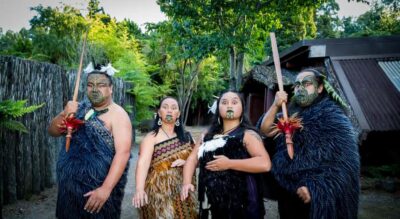
Mitai Maori Village: Cultural Experience and Dinner Buffet
Read our review →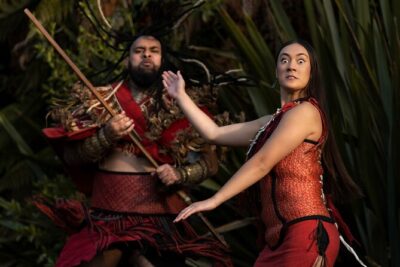
Cultural Experience & Seasonal Māori Cuisine at Te Pā Tū
Read our review →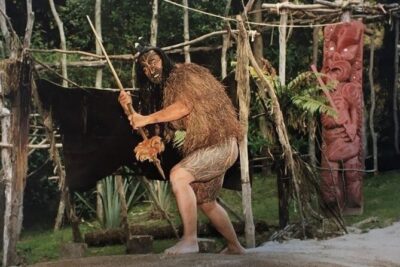
Mitai Maori Village Cultural Experience in Rotorua
Read our review →
Lake Taupo: Classical Sailing to the Māori Rock Carvings
Read our review →
Te Pa Tu Māori Cultural Experience with Dinner
Read our review →
Lake Taupō Māori Rock Carvings Scenic Cruise aboard Ernest Kemp
Read our review →
Waitomo Caves & Rotorua – Te Puia Small-Group Tour from Auckland
Read our review →
Lake Taupo: Maori Rock Carvings 10.30 AM 1.5-Hour Cruise
Read our review →Browse the lists this tour appears in