
REVIEW · NATIONAL PARKS
Kiwi Night Encounter at Nga Manu Nature Reserve
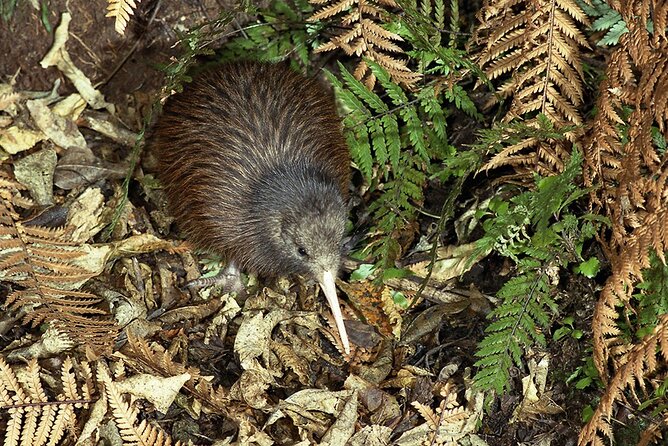
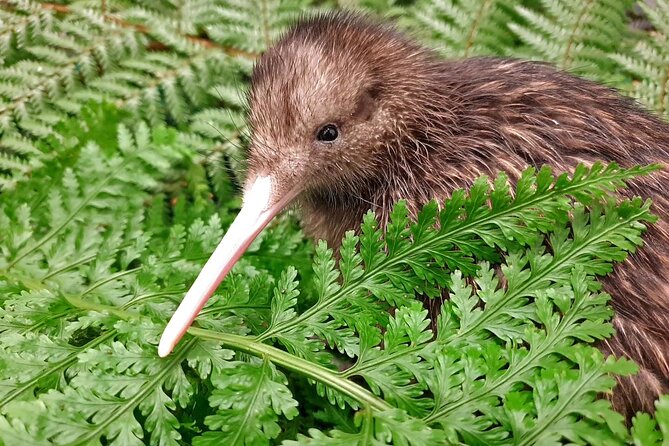
Kiwi night feels like secret backstage access. At Ngā Manu Nature Reserve, you get a small-group, up-close viewing setup using an ultra red light so the kiwi can carry on in the dark. You’ll also share the space with ruru, called morepork or a small brown owl, as you watch quietly.
I like that the whole experience is built around respect and recovery work, with a volunteer guide explaining the North Island brown kiwi breeding recovery story and Ngā Manu’s role. One thing to keep in mind though, this is wildlife viewing, so you cannot count on seeing a kiwi every single night.
In This Review
- Key points to know before you go
- Where Ngā Manu’s private kiwi habitat changes the whole vibe
- The small-group setup: timing, kneel pads, and a guide who keeps it human
- Going dark: what the ultra red light is really for
- The night routine: watching kiwi and ruru in the enclosure
- Timing in the dark: how to plan your evening so you don’t lose the moment
- Price and value: is $49.65 for 90 minutes worth it?
- Practical night etiquette: no photography and staying comfortable
- Who should book Kiwi Night Encounter at Ngā Manu?
- Should you book this Kiwi Night Encounter?
- FAQ
- What time does the Kiwi Night Encounter run?
- How long is the experience?
- Where do I meet for the tour?
- Is photography allowed during the kiwi viewing?
- How many people are in a group?
- Is there free cancellation?
Key points to know before you go
- Ultra red light viewing helps you watch without changing the kiwi’s behavior
- Small groups of up to 10 keep the night calm and intimate
- Private enclosure away from the public gives you a more natural viewing setup
- Two kiwi plus two ruru share the space, so night watching gets interesting fast
- Kneel pads included since you’ll likely sit low in the enclosure area
- No photography keeps the habitat dark and undisturbed
Where Ngā Manu’s private kiwi habitat changes the whole vibe
There is something about kiwi at night that makes people want to rush. Flashlights pop on. People shuffle. Someone tries to film first, ask questions later. This experience is designed to do the opposite.
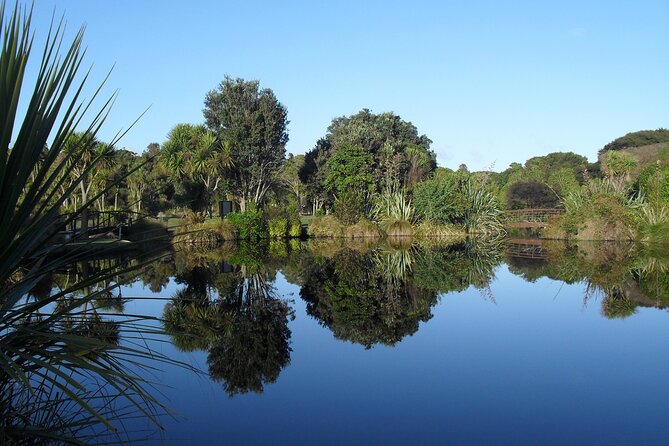
At Ngā Manu Nature Reserve, the kiwi are kept in their own private natural habitat, away from public viewing. That matters because you are not squeezing into a crowded viewing area. You’re going to a private enclosure for kiwi viewing in the dark, which shifts the mood from show-and-tell to patient watching.
I also like that the kiwi on this tour are part of the NZ North Island Brown Kiwi Breeding Recovery Program. That’s not just a fun fact. It changes how you see what you’re doing. You’re not treating the night like a hunt for the perfect photo. You’re learning about why the reserve is doing what it’s doing, with the goal of supporting recovery of these national icons.
The group stays small, up to 10 people. And for larger demand, the tour runs in waves of 10. In plain terms, that keeps your experience more controlled and less chaotic than big-bus style wildlife tours.
A few more Wellington trips worth comparing
- From Manapouri: Doubtful Sound Wilderness Day Trip
★ 4.8 · 1,621 reviews - Jet Boat Journey through Fiordland National Park – Pure Wilderness
★ 5.0 · 678 reviews - Dart River Jet Boat and Wilderness Experience
★ 5.0 · 531 reviews
The small-group setup: timing, kneel pads, and a guide who keeps it human
This is the kind of tour where details show up in the little things. You’ll go out in the evening with a volunteer guide who explains the kiwi and Ngā Manu’s participation in the recovery programme. You get context before you step into darkness, so you’re not just staring into a black hole hoping for movement.
Expect about 1 hour 30 minutes. That length is long enough for calm watching, but short enough that you’re not stuck freezing while the kiwi decide whether tonight is their night. The tour also runs on set evenings, Thursday through Sunday, with opening hours listed from 8:30 PM to 10:00 PM. So plan your day around an evening start, not a flexible wander.
Here’s another practical win: kneel pads are included. When you’re watching something that might stay low and slow, you’ll appreciate any thing that helps your legs and knees. It’s also a subtle reminder that this is meant to be quiet and still. If you’re comfortable, you watch better.
Your ticket is a mobile ticket. That means less paper fuss, more time to focus on the experience. And since confirmation is provided within 48 hours, you should be able to line it up with your Wellington plans once you know you’re booked.
Going dark: what the ultra red light is really for
The heart of this tour is the viewing method. You’ll be taken out to a private enclosure for kiwi viewing in the dark. Then the guide uses an ultra red light.
Why does that matter? Because the whole point is to watch the kiwi doing their normal routine without the animals reacting to you. Standard white light makes animals behave differently. Red light helps keep the environment more natural for them, while still letting you see enough to notice movement and routine.
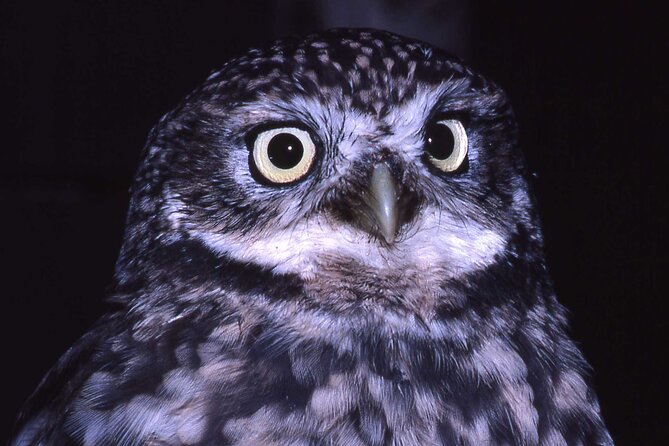
You should also know what you’re looking at. The enclosure is shared with two ruru, also described as morepork or a small brown owl. As you sit quietly, those birds can fly around you. That can be thrilling, but the key is staying calm and still so you don’t turn the enclosure into a commotion.
I love that the experience is not sold as a guarantee of action. It’s sold as a way to watch wildlife in a way that doesn’t bulldoze their behavior. That’s the difference between a wildlife encounter and a wildlife performance.
One small caution: the whole thing happens in the dark. Even with red light, you’ll want to be mentally prepared for low-visibility watching. If you’re the type who needs constant clear views, this might feel slow. If you can settle in, it’s magical.
The night routine: watching kiwi and ruru in the enclosure
When you arrive at the reserve, the process is straightforward. You’re guided by your volunteer host, taught a bit about the animals and the programme, then you move to the enclosure area for viewing.
In the enclosure, you’ll use the ultra red light to see the kiwi in their habitat. The description emphasizes that the kiwi should be able to continue their normal routine while you are there. That’s a big deal for a couple of reasons.
First, it makes the whole encounter feel more authentic. You’re not forcing the animal to come closer. You’re letting it decide what to do, at its own pace. Second, it raises the chance that if you do see the kiwi, it’s not because you scared it out of hiding. It’s because it chose to act.
Now let’s talk about the reality check that comes with any kiwi night. One review result did highlight disappointment when the kiwi didn’t come out after sitting for quite some time. That experience is a reminder that even on a well-run tour, wildlife can be unpredictable. I can’t sugarcoat it. You are paying for a chance to observe kiwi behavior up close in a private setting, not a controlled act where the kiwi must appear.
That said, the ruru portion can help keep the night lively. You’re in the same enclosure space as the ruru, so even if kiwi are quiet, the night watching doesn’t have to feel dead.
Same island, a completely different day:
- Wellington: Wētā Workshop Guided Tour Ticket
★ 4.7 · 997 reviews - Wētā Workshop Experiences Tour – Wellington
★ 5.0 · 875 reviews - Wellington: Return Cable Car Ticket
★ 4.6 · 714 reviews - Half Day Tour of Wellington
★ 4.5 · 638 reviews
Timing in the dark: how to plan your evening so you don’t lose the moment
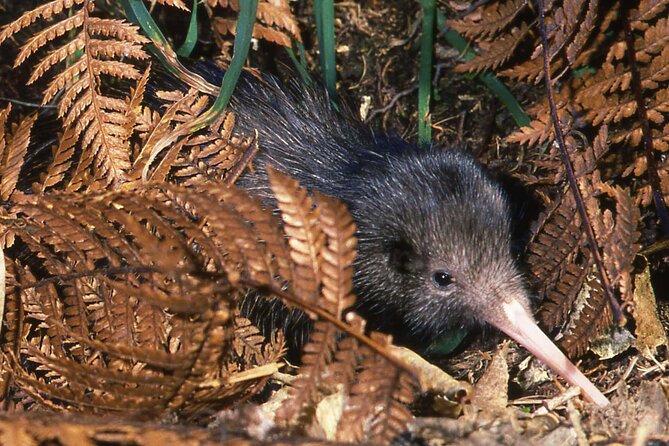
The biggest scheduling factor here is simple: it starts at night, and the window is tight. The listed opening hours run from 8:30 PM to 10:00 PM, Thursday through Sunday. The experience itself is about 1 hour 30 minutes, which fits that evening window.
That means you should not treat this as a casual add-on you can shuffle around. I’d plan to be at the meeting point early, not just on time. Dark plus waiting equals stress for no reason.
Also, keep an eye on your start time confirmation once you book. Since the activity has a specific night schedule, it helps to double-check you have the correct local evening time on your ticket or confirmation. When you’re going out at night, being off by a chunk of time can mean you miss the actual viewing portion.
Finally, if you’re coming from central Wellington, build in buffer time. You want your head clear before you walk into the dark and settle in for watching.
Price and value: is $49.65 for 90 minutes worth it?
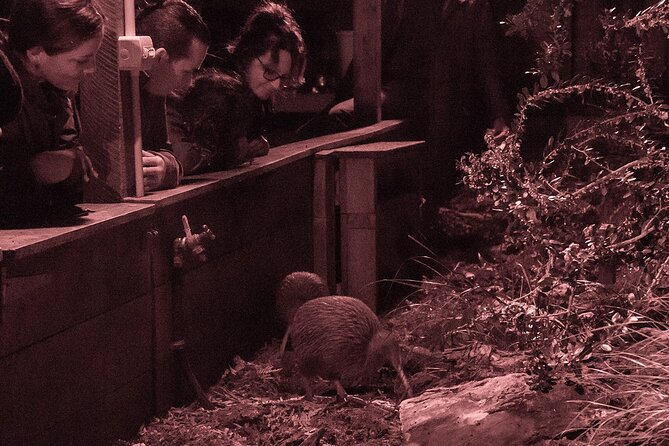
At $49.65 per person, this is not a bargain, but it doesn’t feel overpriced for what it is either. You’re paying for several things bundled together.
You’re paying for access to a private enclosure and an intimate viewing setup for a species that is difficult to see on demand. You’re paying for a volunteer guide who explains the kiwi recovery programme and Ngā Manu’s role. And you’re paying for the viewing method, including the ultra red light approach that aims to minimize disturbance.
You also get the small comfort touches, like kneel pads included. That sounds minor until you’re sitting still, watching patiently, in low light. Small comfort supports better watching.
Where the value becomes truly personal is in your expectations. If you want a guaranteed kiwi sighting, no one can promise that, and your value might feel lower on a quiet night. If you enjoy wildlife observation, learning, and patient viewing, this kind of tour often feels like money well spent.
One more value angle: the group limit of up to 10 travelers (with waves for bigger demand) means your $49.65 goes toward an experience that stays manageable and not crowded. For many people, that quiet, controlled feel is the whole point.
Practical night etiquette: no photography and staying comfortable
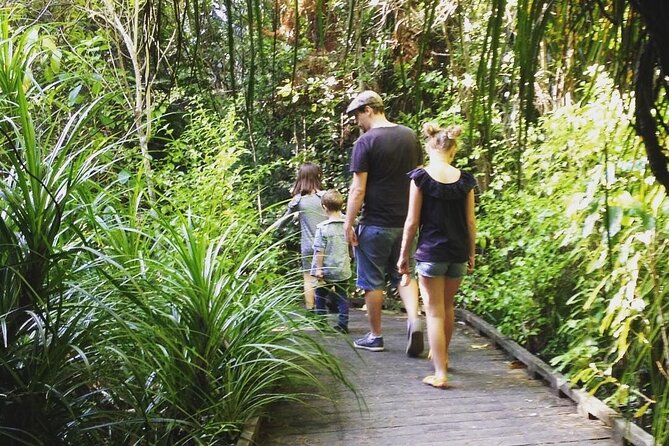
You should know the viewing rules before you arrive. No photography is listed as not included, which means you need to leave your camera away during the kiwi viewing. It’s not about punishing you. It’s about keeping the night dark and reducing disturbance.
So what should you do instead? Watch with your eyes first. If you’re worried about missing moments, remember that this tour is designed for routine observation, not for forced photo moments.
Also, dress like you’re going out at night in New Zealand. You’re sitting still for about 1.5 hours, and you’ll be in an environment where the main “light” is the ultra red viewing light. Layers help. Something warm for your legs can also make kneeling or sitting easier.
A tip that keeps the experience better for everyone: speak softly and move slowly. You’re in close proximity with the enclosure, and you’ll likely be watching behavior that happens at its own pace.
Who should book Kiwi Night Encounter at Ngā Manu?
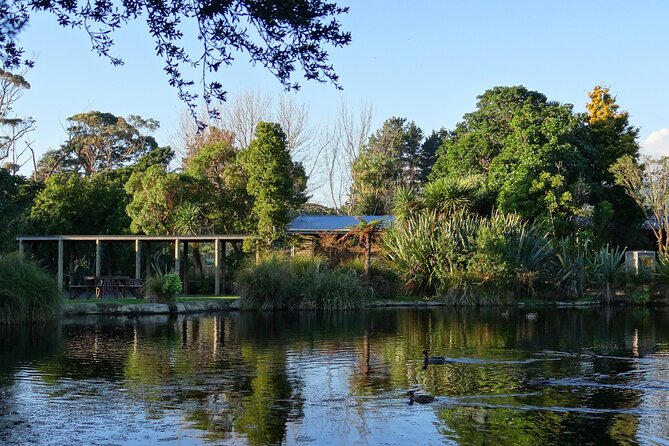
This tour fits well if you want a wildlife experience with structure and respect. The small group size and private enclosure make it appealing if you don’t enjoy big crowds at night.
It’s also a good match if you like learning as part of the experience. Your volunteer guide is there to teach you about the kiwi and Ngā Manu’s contribution to the kiwi recovery programme. That educational angle is part of the value, not an add-on.
If you’re traveling with family or friends, note that the tour says most travelers can participate. Still, because you’ll likely be kneeling with pads and viewing in the dark, it helps to be comfortable with that kind of stillness.
If you only care about a guaranteed animal sighting, you might feel disappointed. The nature of wildlife means some nights are quieter than others. The ruru can add movement to the night, but the kiwi are still the main focus, and their appearance can be unpredictable.
Should you book this Kiwi Night Encounter?
I’d book it if you want a calm, small-group kiwi viewing experience in a private habitat setting, with a guide who connects what you see to kiwi recovery work. The ultra red light method and the chance to watch kiwi in their routine are the biggest reasons this tour is worth your evening.
I’d think twice if you are traveling with very tight scheduling, because the viewing depends on being there for the night window. And if you need a guaranteed kiwi sighting, know that wildlife does not follow a script.
If you’re open to patient watching, respectful night etiquette, and a learning-focused encounter, this one is a strong choice for your Wellington area itinerary.
FAQ
What time does the Kiwi Night Encounter run?
It runs Thursday through Sunday, with opening hours listed as 8:30 PM to 10:00 PM.
How long is the experience?
It lasts about 1 hour 30 minutes.
Where do I meet for the tour?
You start at 74 Nga Manu Reserve Road, Waikanae 5391, New Zealand. The tour ends back at the meeting point.
Is photography allowed during the kiwi viewing?
No photography is listed as not included.
How many people are in a group?
The experience has a maximum of 10 travelers, and for bigger groups it runs in waves of 10 people at a time.
Is there free cancellation?
Yes, free cancellation is available. You can cancel up to 24 hours in advance for a full refund.
Just added near Wellington
- WLG: Museum of NZ Māori Highlights Tour & General Admission★ 4.7 · 30 reviews
- Wellington Zoo General Entry Tickets★ 3.9 · 7 reviews
- Wellington: Wētā Workshop Creative Classes Experience Ticket★ 4.7 · 5 reviews
- Wellington Helicopters Scenic Harbour Flight★ 4.4 · 19 reviews
- Wellington: Wētā Workshop Guided Transfers & Tour★ 4.6 · 95 reviews
- Wellington: Museum of NZ General Admission★ 4.7 · 156 reviews
- Wellington: Remutaka Rail Trail Cycle Tour★ 4.9 · 17 reviews
- Wellington: Private custom tour with a local guide★ 4.6 · 3 reviews
National Parks, compared.
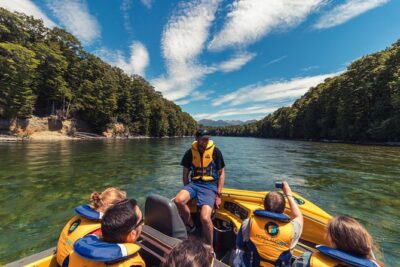
Jet Boat Journey through Fiordland National Park – Pure Wilderness
Read our review →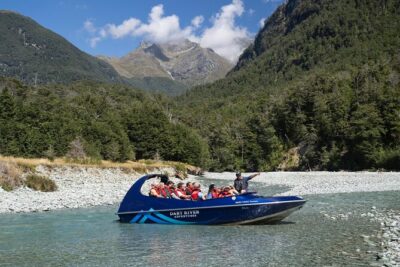
Doubtful Sound Wilderness Day Cruise from Manapouri
Read our review →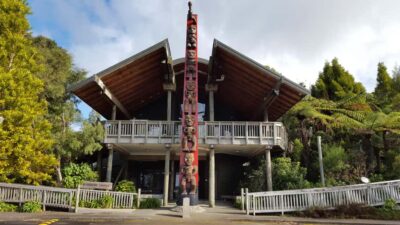
Waitakere Ranges Wilderness Experience Tour from Auckland
Read our review →

Doubtful Sound Wilderness Cruise from Queenstown
Read our review →Browse the lists this tour appears in