
REVIEW · SOUTHLAND & STEWART ISLAND TOURS
Stewart Island: Wild Kiwi Experiences
Stewart Island at night feels otherworldly. This small-group tour strings together a marine cruise and a torchlit tokoeka search on Rakiura, with starlit scenery and a real shot at seeing southern brown kiwi in the wild.
I really like how much you get before you even start walking. The pre-sunset boat leg puts you on the water when seabirds and marine life are active, and you watch the light shift across the islands.
The only true drawback is the nature part. Kiwis are wild and unpredictable, there’s no 100% guarantee, and the terrain can get uneven and muddy, so you need comfortable hiking shoes and a steady pace.
In This Review
- Key things I’d mark on your mental map
- How the Wild Kiwi Experience runs in 4 focused hours
- The pre-sunset cruise from Oban: your warm-up for the night
- Little Glory Cove at night: torchlit searching for tokoeka
- Oneke and The Neck: where kiwi meets cultural storytelling
- Guides, small groups, and the little tricks that improve your odds
- Footwear, weather, and the fitness reality check
- Price and value: does $154 pp make sense?
- Who should book this kiwi search, and who should skip it
- Should you book Wild Kiwi Experiences on Stewart Island?
- FAQ
- Where does the tour depart from?
- How long is the experience?
- What’s included in the price?
- Is accommodation included?
- Is the tour suitable for children?
- Is it wheelchair accessible?
- What fitness level do I need?
- What should I bring?
- Can I use flash photography?
- What happens if we do not see a kiwi?
- Can I cancel and get a full refund?
Key things I’d mark on your mental map
- A pre-sunset wildlife cruise from Oban: You’re out when seabirds and marine life are most likely to show up.
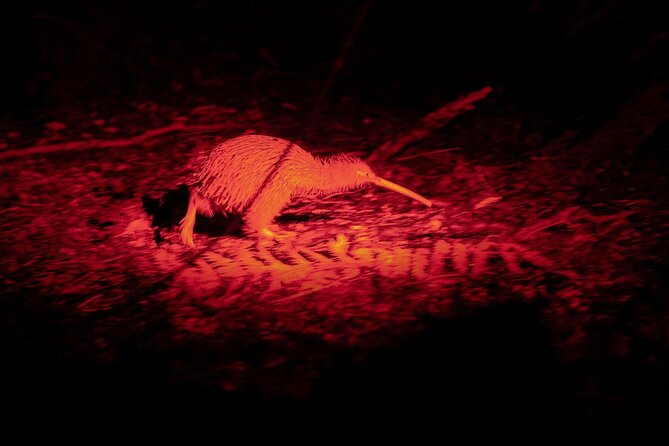
- Little Glory Cove at dusk: Torchlit forest and beach walking in search of tokoeka, with a strong focus on keeping the birds calm.
- Oneke and The Neck culture time: Stories tied to Māori and European heritage, plus coastal views and a warm drink in a traditional whare.
- Small group, up to 10 people: Easier spotting and better odds that you all get a turn at the best viewing positions.
- No flash photography: The night stays night, which matters when you’re trying not to disturb kiwi.
- Warm drinks are included: Cocoa, tea, and coffee help while you’re waiting in the cold.
How the Wild Kiwi Experience runs in 4 focused hours
This is a guided, small-group evening on Stewart Island, designed around two different kiwi moments. The day starts earlier than you might expect, with a scenic boat cruise that runs roughly 1.5 hours before night falls, followed by nighttime walking on foot, then a return cruise back to Oban.
The “Wild Kiwi Encounter” part centers on a night search for tokoeka (southern brown kiwi) at Little Glory Cove. The second part, often described as “Wild Kiwi and Culture Encounter,” includes time around Oneke and The Neck, where the guide connects the wildlife with the island’s human history, before another kiwi search at night.
The whole thing lasts about 4 hours, and you’re on the move for a fair chunk of it. Total walking time is about 2 hours, and it can be uneven and muddy. That matters more than people think, because a night kiwi search works best when the group moves quietly and steadily.
Also, departures are weather dependent. If the conditions don’t suit, the outing may change, so be flexible with your plans.
A few more Southland & Stewart Island trips worth comparing
- Stewart Island: Ulva Island Guided Wilderness Walk & Cruise
★ 4.5 · 165 reviews - Stewart Island: Village and Bays Tour
★ 4.8 · 141 reviews - Milford Sound: Self-Guided Milford Track Day Walk
★ 4.5 · 114 reviews
The pre-sunset cruise from Oban: your warm-up for the night
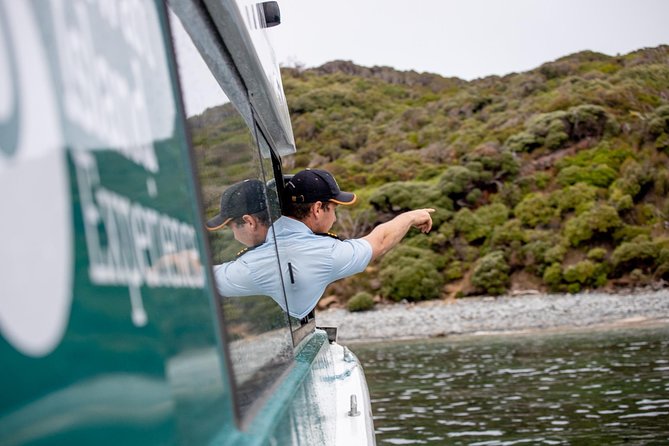
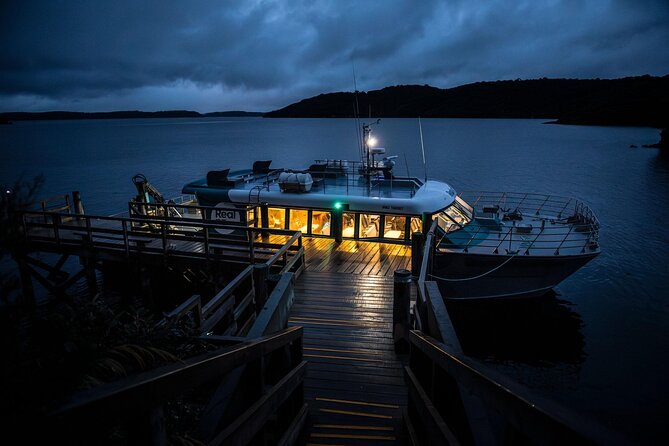
You meet at the Visitor Terminal in Oban (not Bluff) and you should arrive 20 minutes early. From there, you head out on a return sea cruise departing from central Oban. The timing is smart: the cruise happens when birds are still active and marine life is more likely to surface.
What I like here is that you’re not just waiting for kiwi. You’re building the evening’s “wildlife soundtrack.” Expect the guides to scan for seabirds and marine life, including mentions like penguins, albatross, seals, and other island birds. Several guests specifically call out penguins and different types of seals, plus “rare birds” in the mix.
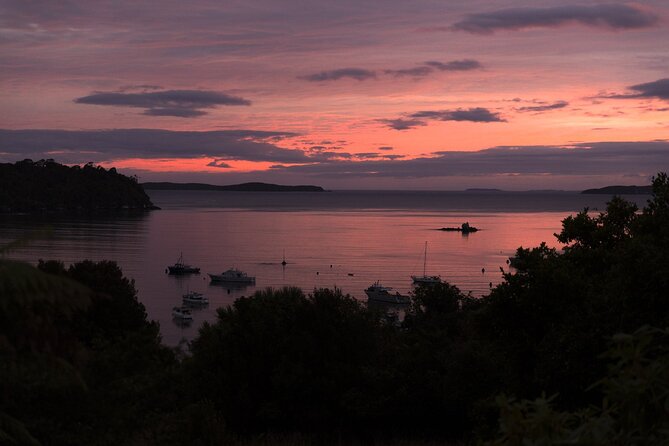
As the light fades, the tour leans into the drama of the islands at sunset. If you’re the kind of person who loves watching nature work on its own schedule, this boat leg scratches that itch. You also get your bearings fast, which helps once you’re on foot.
Practical tip: you’re in a night setting soon, so keep your camera habits low-key. Flash photography is not allowed, and that rule is there for a reason. Think “quiet observation,” not “flashbulb safari.”
Little Glory Cove at night: torchlit searching for tokoeka
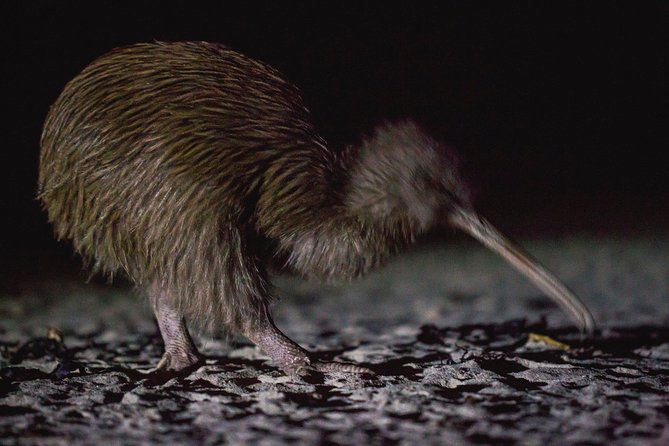
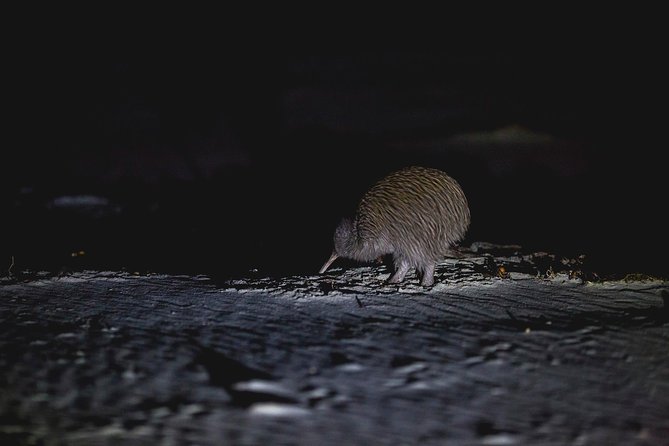
This is the heart of it: once the cruise finishes, you arrive at Little Glory Cove for a guided torchlit walk through forest and beach. You’re searching for tokoeka, the southern brown kiwi, and the whole format is built to maximize your chance while minimizing disturbance.
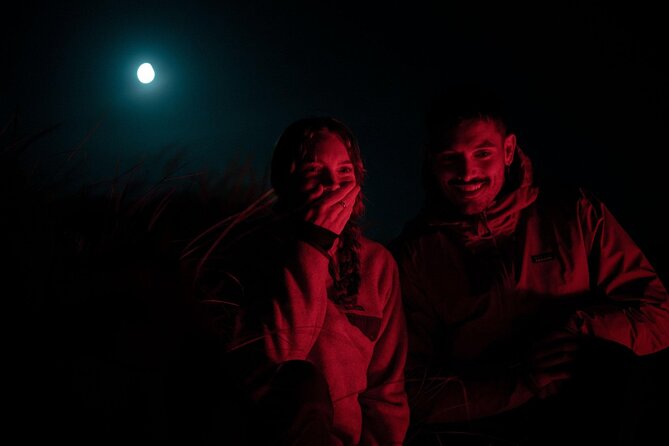
You’ll be given a torch or flashlight, and the walking is guided. Guests describe the environment as calm and “red-light” like, and that’s important. Kiwi do their best work at night, and the tour keeps the group controlled so you’re more likely to see a kiwi behave naturally instead of bolting.
A key detail: you should expect effort. The track can be uneven and muddy at times, and the experience requires a reasonable level of fitness. This isn’t a stroller-friendly promenade. If you know you struggle on irregular ground, plan for a slower pace and make sure your footwear is up to the job.
What you might see is the unpredictable part. Some nights bring multiple sightings, and other nights bring none. The tour is very clear that there’s no 100% guarantee.
And here’s the part I respect: if you don’t see kiwi, you’re not paying for nothing. The tour states that $20 per person is donated to conservation projects at Little Glory Cove so the chances keep improving for future nights. There are no refunds if there is no sighting, but that donation helps keep your evening tied to conservation, not just luck.
Oneke and The Neck: where kiwi meets cultural storytelling
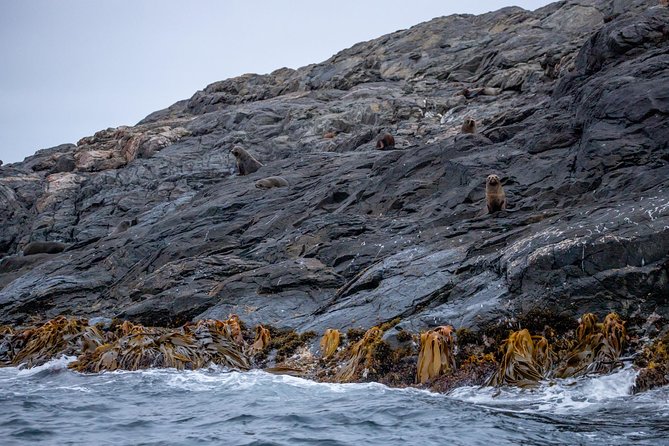
After the first kiwi-focused segment, the experience shifts toward Oneke as the evening deepens. The Neck is described as special in both Māori and European heritage, and the guides use that context while you take in the coastal views.
This isn’t “history talk” tacked on at the start. It’s placed right in the flow of the night. You hear stories of the island’s past, then you head into a night-time kiwi search setting again.
There’s also a warm break built into the culture portion: you enjoy a drink in a traditional whare. That matters because the walk is at night and the island can feel cold even when the sky is clear. A warm drink gives your body a chance to reset, which helps you stay steady and quiet for the kiwi portion.
If you’re wondering why this cultural angle is worth your time, it’s because Stewart Island is not just a wildlife park. The guide’s story helps you understand why the island’s ecology and human history are linked. You come away seeing kiwi as part of a living landscape with caretakers and meaning, not just an animal to “check off.”
Same island, a completely different day:
- Queenstown: Milford Sound Flight and Cruise
★ 4.8 · 111 reviews - From Queenstown: Milford Sound Day Trip with Cruise & Flight
★ 4.9 · 29 reviews - Milford Sound Premium Day Tour and Cruise from Te Anau
★ 4.4 · 11 reviews - Stewart Island: Guided Wilderness Walk
★ 5.0 · 10 reviews
Guides, small groups, and the little tricks that improve your odds
A big theme in the best nights is not just “good luck,” it’s guide work. This tour runs in a small group, limited to 10 participants, and that size affects how the whole search plays out. With fewer people, it’s easier to keep the line quiet, space viewing positions, and stop everyone from crowding the first bird that appears.
From the guide names shared in past departures, you might meet people like Natasha, Karen, Jen, Sarah, Jane, Jaq, or India, and on some evenings the captain mentioned is Nic Marshall. Whoever’s leading you, the goal stays the same: reduce noise, manage the group line, and help everyone get a view.
One practical tip I’d actually follow: one guest recommends leaving your Gore-Tex on the boat if you can, because it can make noise in the kiwi forest when you move around. When you’re trying to spot an animal that relies on quiet movement, that tiny sound matters.
Also, a few reviews mention extra ways to observe, including a thermoscope being offered during the stargazing portion. Even if you’re not a hardcore stargazer, that kind of hands-on tool helps you feel more connected to what you’re seeing, not just chasing it.
The guides also get praised for making sure the kiwi isn’t only seen by the front of the line. If someone spots a kiwi, the guide works to position people so everyone has a chance, and you can watch without the group turning it into a commotion.
Footwear, weather, and the fitness reality check
Here’s what you need to know before you book, because it affects enjoyment. The tour asks for a reasonable fitness level for both wild kiwi encounters, with total walking time about 2 hours. The track can be uneven and muddy, and you may be moving in darkness, with low light conditions.
The experience also says it isn’t suitable if you have trouble walking independently for more than 1.5 km along uneven ground. On a wet night, that’s not always just “distance.” It’s footing, balance, and comfort with slow, careful steps.
Bring:
- Warm clothing
- Hiking shoes (non-slip is key)
- Rain gear (windproof and waterproof helps)
- Insect repellent
- A wind and waterproof jacket since you’ll be outside in the evening
Not allowed:
- Flash photography
One more practical detail that catches people: because you return late to Oban, you need pre-arranged accommodation for that evening. One guest notes returning around midnight, which gives you an idea of how late it can run. So don’t plan a same-night dinner somewhere far from your bed.
Price and value: does $154 pp make sense?
At $154 per person for a roughly 4-hour outing, this is not a budget activity. But value here is more about what’s included and what it prevents than about the ticket price alone.
You get:
- Round-trip cruise
- A guided nature walk with a specialist guide
- Torch or flashlight
- Cocoa, tea, and coffee (complimentary)
You’re also paying for something you can’t easily replicate. Kiwi viewing in the wild is unpredictable, and doing it responsibly takes training, local knowledge, and strict group control. The boat portion also gives you wildlife viewing that’s hard to access on your own at the right time of day.
The biggest “value vs risk” factor is the kiwi guarantee. There’s no guarantee, and there are no refunds if you don’t spot one. That makes this a choice for people who treat it as a wildlife night experience first, with kiwi as the top prize. If you’ll be disappointed if kiwi don’t appear, you should think hard.
That said, if you do see kiwi, it’s the kind of moment people remember for years. And even on nights without kiwi, the cruise plus the nighttime walking plus stargazing and cultural context can still feel like a full, guided evening, not a short bait-and-switch.
For me, the biggest reason the price can feel fair is that the conservation donation at Little Glory Cove is tied to the outcome. Your money is supporting the habitat, not just the chance of spotting a rare bird.
Who should book this kiwi search, and who should skip it
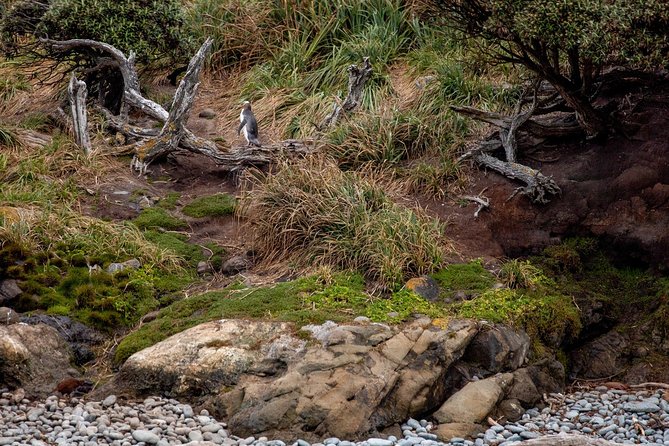
This works best for:
- Adults and older teens (it’s not suitable for children under 15)
- People who can handle uneven, muddy ground in the dark
- Wildlife lovers who like the idea of quiet searching rather than constant action
- Travelers who enjoy stargazing and want a night out that includes cultural interpretation too
It’s not a great fit for:
- Anyone who struggles to walk independently beyond 1.5 km on uneven ground
- Wheelchair users
- People who expect a guaranteed kiwi sighting
If you’re traveling in a group of friends who can keep noise down, this small-group format is also a win. You’ll likely feel more like you’re part of a controlled field team than a large tour line.
Should you book Wild Kiwi Experiences on Stewart Island?
Yes, if you can meet the physical reality and you like nature evenings that are guided, quiet, and unpredictable. The best reasons to book are the combo: marine wildlife cruise at sunset, then torchlit kiwi searching with cultural context around Oneke and The Neck.
Before you say yes, check yourself on three points:
- Can you walk about 2 hours on uneven, sometimes muddy ground at night?
- Are you okay with no kiwi guarantee? If you need a 100% outcome, this is the wrong style of tour.
- Can you arrange late return to Oban? Plan your bed first, then plan your evening.
If you’re good with that, you’ll likely come away with a memorable night that feels like you respected the island’s wildlife while doing something genuinely hard to do on your own.
FAQ
Where does the tour depart from?
It departs from the Visitor Terminal in Oban on Stewart Island. Please arrive 20 minutes before the activity starts.
How long is the experience?
The tour lasts about 4 hours.
What’s included in the price?
Included are the round-trip cruise, a guided nature walk with a specialist guide, torch/flashlight, and complimentary cocoa, tea, and coffee.
Is accommodation included?
No, accommodation is not included. You’ll need pre-arranged accommodation for that evening due to the late return to Oban.
Is the tour suitable for children?
No. It’s not suitable for children under 15.
Is it wheelchair accessible?
No. It’s not suitable for wheelchair users.
What fitness level do I need?
A reasonable fitness level is required. The total walking time is about 2 hours, and tracks can be uneven and muddy. It is not suitable if you struggle to walk independently for more than 1.5 km along uneven ground.
What should I bring?
Bring warm clothing, hiking shoes, rain gear, and insect repellent.
Can I use flash photography?
No. Flash photography is not allowed.
What happens if we do not see a kiwi?
There is no 100% guarantee of seeing kiwis, and there are no refunds if no sighting happens. Instead, $20 per person is donated to conservation projects at Little Glory Cove.
Can I cancel and get a full refund?
Yes. You can cancel up to 24 hours in advance for a full refund.
Just added near Southland & Stewart Island
- Invercargill to Te Anau Small Group Transfer★ 5.0 · 3 reviews
- Invercargill to Dunedin via the Catlins Small Group 1 Way Tour★ 5.0 · 5 reviews
- Stewart Island: Guided Wilderness Walk★ 5.0 · 10 reviews
- Milford Sound Premium Day Tour and Cruise from Te Anau★ 4.4 · 11 reviews
- Milford Sound: Glacier and Waterfall Helicopter Experience★ 5.0 · 4 reviews
- Queenstown: Milford Sound Flight and Cruise★ 4.8 · 111 reviews
- Self-Guided Milford Track Day Walk from Lake Te Anau★ 5.0 · 5 reviews
- From Queenstown: Milford Sound Cruise and Scenic Drive★ 5.0 · 8 reviews
Southland & Stewart Island Tours, compared.
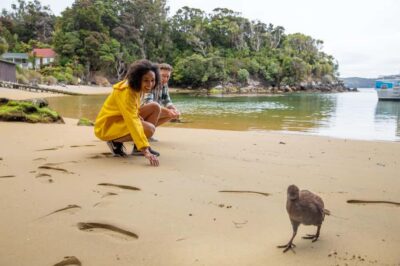
Stewart Island: Ulva Island Guided Wilderness Walk & Cruise
Read our review →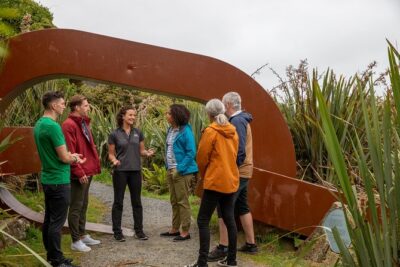
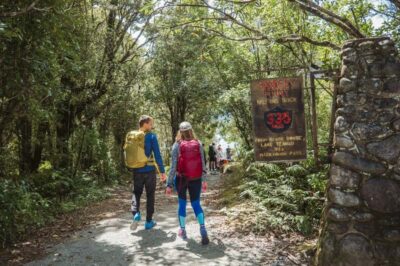
Milford Sound Premium Day Tour and Cruise from Te Anau
Read our review →

Browse the lists this tour appears in