
REVIEW · SOUTHLAND & STEWART ISLAND TOURS
Stewart Island Wild Kiwi Experiences
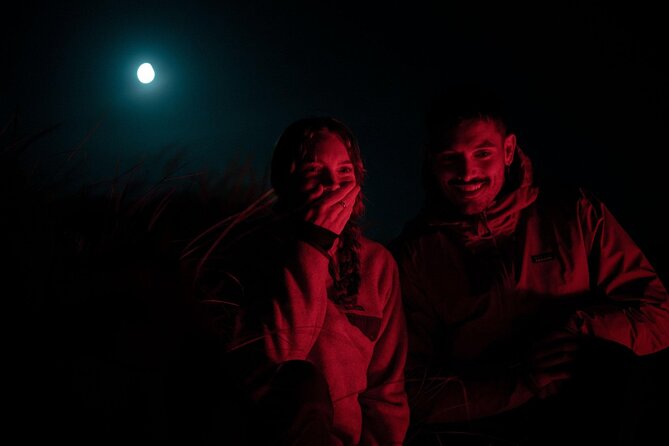
Kiwi spotting starts at dusk. This Stewart Island tour is built for one thing: raising your odds of seeing tokoeka (southern brown kiwi) in the wild, while you also rack up other wildlife on the water first.
I like the flow of the evening, catamaran cruise then bush and beach, because it gives you wildlife time before the kiwi search even begins. I also like the practical touches, like hot drinks and the chance to learn from your naturalist guide about the birds and Rakiura’s environment, not just chase glowing eyes in the dark.
One thing to plan for is the tradeoff built into the experience: you do a nighttime, moderate-fitness walk on uneven, possibly muddy tracks, and that means you need warm layers, sturdy shoes, and patience. Kiwi are wild and can be picky about conditions.
In This Review
- Key things to know before you go
- Entering Stewart Island Kiwi Country With the Right Expectations
- Price and What You Actually Get for $160.73
- RealNZ Check-In at the Ferry Terminal, Then Out to Rakiura
- The Catamaran Cruise: Seabirds and Marine Life Before the Kiwi Search
- The Wild Kiwi Encounter: Torchlit Walk Through Forest and Beach
- Wild Kiwi and Culture at Oneke: Stories, Heritage, and a Warm Drink
- What to Wear for a Stewart Island Night Walk
- Walking Logistics: Moderate Fitness and the Reality of Uneven Tracks
- Wildlife Odds: How to Improve Your Chance Without Losing Your Mind
- Guides and the Learning Factor That Makes the Evening Worth It
- Should You Book This Stewart Island Kiwi Tour?
Key things to know before you go
- Dusk timing in Stewart Island’s Rakiura region: you head out when kiwi are most active.
- Boat first, then land: you look for seabirds and marine life on a scenic catamaran cruise before the torchlit walk.
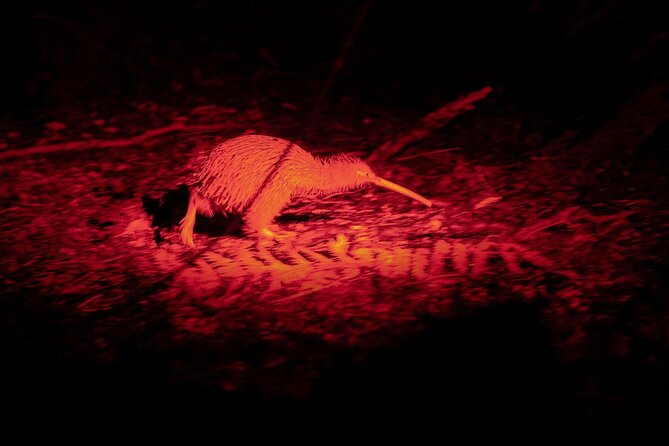
- A guided torchlit search for tokoeka: you’ll walk forest and reach a beach area where kiwi are often spotted.
- Two encounter styles: a Wild Kiwi Encounter, or a Wild Kiwi and Culture option at Oneke with stories and a warm drink in a traditional whare.
- Moderate fitness, about 2 hours walking: plan for uneven, muddy tracks and bring warm, insect-repelling clothing.
- Small group cap: the tour runs with a maximum of 20 people, which helps keep the experience controlled on night tracks.
Entering Stewart Island Kiwi Country With the Right Expectations
If you’re doing New Zealand for wildlife moments, Stewart Island (Rakiura) earns its reputation. Kiwi are nocturnal, and in most places you do not get reliable sightings. Here, the whole evening is arranged around timing, local knowledge, and where kiwi tend to move.
This is also not a “stand in one place and wait” kind of tour. You’ll be walking as the light fades and as your guide leads you through forest and onto beach terrain. That changes the feel. You are moving with purpose, pausing where it makes sense, and listening for cues.
I also like that the tour frames the experience as both wildlife viewing and learning. You’re not just hunting for a quick photo. Your naturalist guide explains the birds and the island environment, which makes every sighting, even a brief one, feel more meaningful.
A few more Southland & Stewart Island trips worth comparing
- Stewart Island: Wild Kiwi Experiences
★ 4.8 · 177 reviews - Stewart Island: Ulva Island Guided Wilderness Walk & Cruise
★ 4.5 · 165 reviews - Stewart Island: Village and Bays Tour
★ 4.8 · 141 reviews
Price and What You Actually Get for $160.73
At $160.73 per person for roughly 5 hours 20 minutes, this isn’t a bargain. But it is also not an overpriced idea without support. You’re paying for a guided night experience that includes more than just walking.
You’re also getting:
- a catamaran cruise component (not every kiwi tour includes time on the water)
- a guide leading you with a flashlight through forest and toward a kiwi search area
- warm drinks during the evening
- guided interpretation about tokoeka and the local ecosystem
Where you should keep your expectations sharp is in the kiwi part. A guided search can raise your odds, but kiwi are still wild animals. If you want guaranteed kiwi in hand like a theme park, this is the wrong mindset. If you want a structured, guided shot at one of the rarest experiences in New Zealand, the value makes more sense.
Also, a small group cap of 20 matters. On night walks, too many people can feel chaotic. Here, you’re more likely to keep your footing and stay quiet enough for spotting opportunities.
RealNZ Check-In at the Ferry Terminal, Then Out to Rakiura
The evening starts at the Visitor Terminal area for the Stewart Island experience, and you check in at the Ferry Terminal as your first stop. It’s a short stop, around 20 minutes, so the goal is simple: get organized, get briefed, and get you ready for the timing-sensitive part of the trip.
This matters because dusk is not flexible. Kiwi activity depends on night conditions, and your guide also needs everyone to start together so the group can move safely through tracks later.
If you show up underdressed, you’ll feel it later. The tour runs as a walking-focused experience and you’ll be outside at night. This is not the time for light shoes and a single layer you hope will be enough.
The Catamaran Cruise: Seabirds and Marine Life Before the Kiwi Search
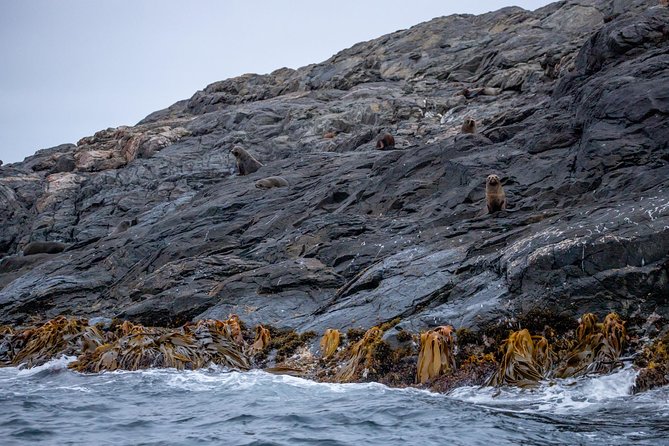
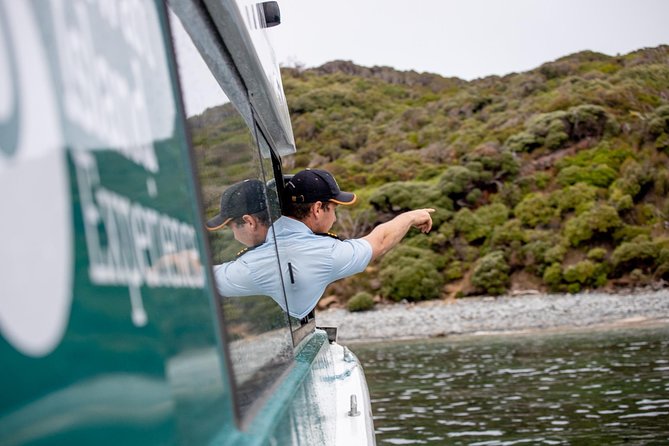
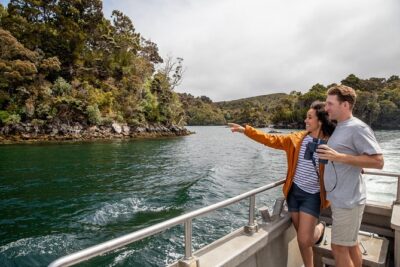
One of the smartest parts of this tour is the sequence. You don’t wait until the forest walk to begin seeing wildlife. You start with a scenic catamaran cruise, looking for rare seabirds and marine life before you arrive at the kiwi-spotting area.
That does two valuable things for you:
- It gives you wildlife even if kiwi are slow that night.
- It gets you into the rhythm of Rakiura wildlife viewing while you’re still comfortable.
The tour’s wildlife focus is broad, not narrow. In past experiences, people have reported seeing an impressive mix such as penguins, fur seals, and albatross-type birds. That variety helps you feel like the evening is worth it, even if the kiwi moment is brief.
If you get sea-sick easily, you’ll want to consider it before booking any boat-based component. The information here confirms the cruise, but it does not list weather or sea conditions, so plan based on your own history.
Same island, a completely different day:
- Milford Sound: Self-Guided Milford Track Day Walk
★ 4.5 · 114 reviews - Queenstown: Milford Sound Flight and Cruise
★ 4.8 · 111 reviews - Stewart Island: Village and Bays Tour
★ 5.0 · 100 reviews - Ulva Island Explorer from Stewart Island
★ 4.5 · 79 reviews
The Wild Kiwi Encounter: Torchlit Walk Through Forest and Beach
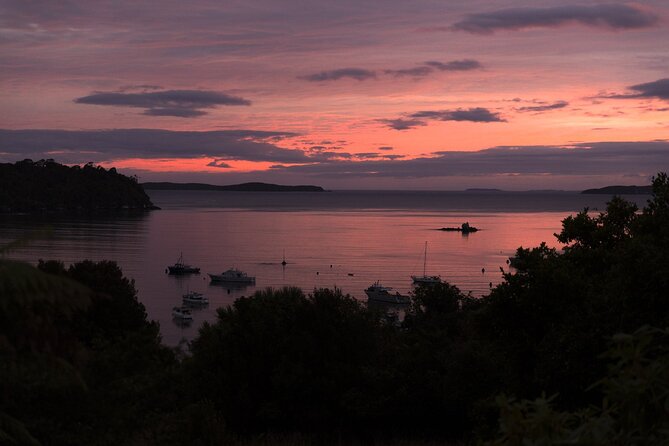
This is the heart of the evening. After the cruise, you head out on a guided torchlit walk through forest and toward a beach area where kiwi are often spotted. Your guide uses a flashlight approach as you search, and you learn about the tokoeka and their behavior along the way.
What you should know before you go in:
- You’re walking in the dark, so you’ll rely on your guide and on good footwear.
- The terrain can be uneven, and tracks may be muddy.
- You’ll likely stop and listen, then move again when your guide thinks conditions are right.
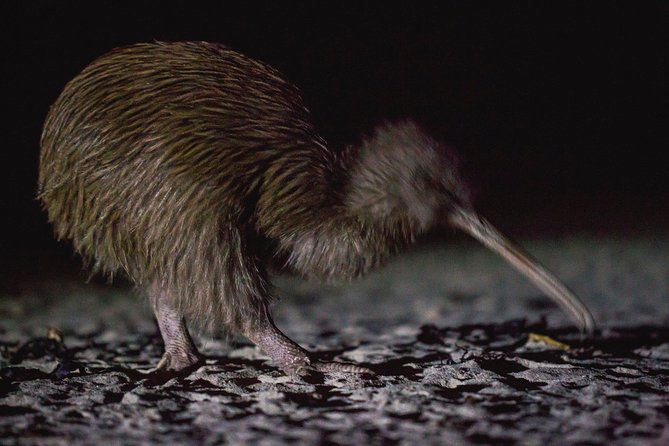
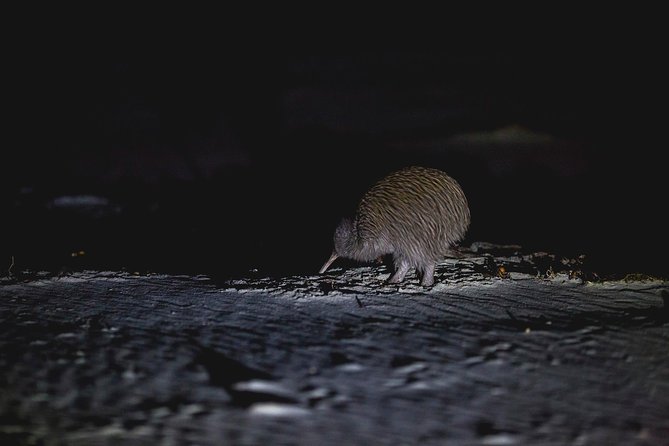
The best-case scenario is that you see a kiwi up close. You may also get a partial sighting or even just proof that a kiwi is near. Either way, the learning component is what helps it click. Kiwi sightings can be quick, and interpretation helps you notice what matters.
There’s also a real-world consideration. One person flagged that bright torches and the size and sound of groups can be disruptive to kiwi, especially since kiwi are sensitive to noise and vibration. That doesn’t mean the tour is wrong. It means you should think of it as an organized night search, not a stealth operation.
Wild Kiwi and Culture at Oneke: Stories, Heritage, and a Warm Drink
Not every version of this tour is only about kiwi. If you choose the Wild Kiwi and Culture Encounter at Oneke, the evening adds a cultural layer before the kiwi search.
In this option, you hear stories connecting Māori and European heritage, then you finish with a warm drink in a traditional whare. If you like your wildlife experiences tied to place, this adds depth. Stewart Island is not just scenery. It is living culture alongside living habitat.
Practically, this also helps the pacing. After time outdoors, a warm indoor or sheltered stop can make a noticeable difference, especially if your night plan includes muddy tracks and wind off the water.
Even if you care most about the kiwi, the cultural component can improve your overall experience, because it shifts the evening from a single goal to a fuller understanding of Rakiura.
What to Wear for a Stewart Island Night Walk
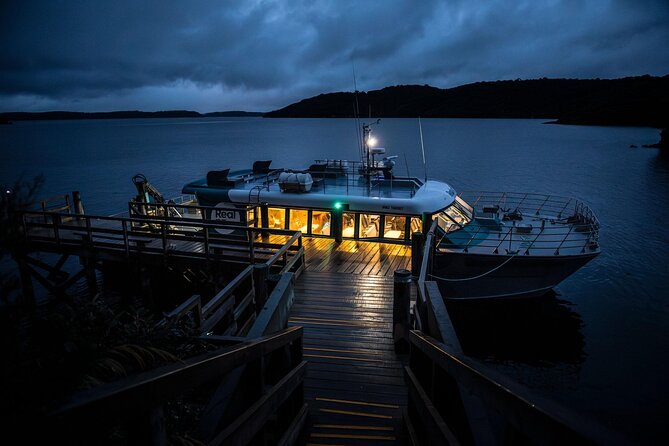
Plan your outfit like you’re dressing for cold ground and moving slowly at night.
The tour asks you to bring:
- warm clothes
- insect repellant
And you should assume you’ll need:
- sturdy footwear for uneven, possibly muddy tracks
- a layer system you can adjust as you walk, then keep on as you slow down during pauses
This is one tour where “I’ll just wear whatever I wore all day” can backfire. The walking is about 2 hours, and it happens at night. If your shoes slip, you’ll spend the whole evening thinking about your footing instead of the wildlife.
Also, if you’re someone who likes clear photos, remember that the torches and low light are part of the scene. Your goal here is usually the experience, not perfect shots.
Walking Logistics: Moderate Fitness and the Reality of Uneven Tracks
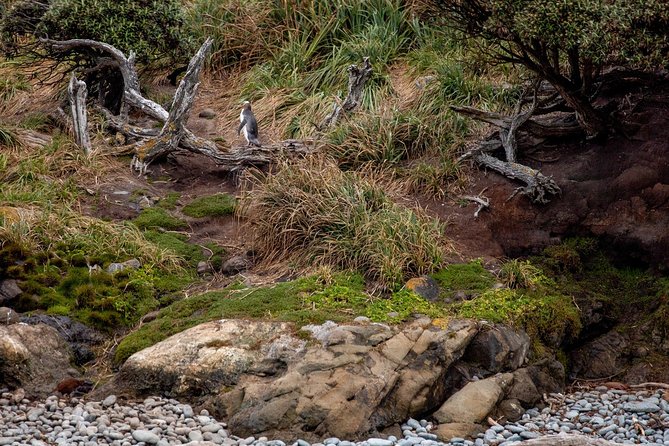
The tour notes moderate fitness is required, with about 2 hours of walking. Tracks may be muddy or uneven, so you need to be comfortable moving carefully at night.
I see two types of fit travelers who handle this well:
- people who hike regularly, even if they are not training for a marathon
- people who are steady on their feet and don’t mind slow pacing
I see it go badly for folks who have trouble with balance, knees, or uneven surfaces, because the night makes it harder to judge footing. If you’re unsure, pick the safest option for yourself. In your shoes, that means sturdy soles and slower steps.
The other logistics piece is group size, max 20. That helps, but the experience still happens at night in a natural area. You will move as a group. If you need lots of personal space or hate slow, quiet movement, this might test your patience.
Wildlife Odds: How to Improve Your Chance Without Losing Your Mind
You cannot control whether a kiwi comes out. What you can do is help yourself make the most of the moment when it happens.
Here are the smart, practical moves:
- Wear insect repellent, so you are not distracted by bites.
- Dress warm enough that you’re not shivering. When you’re uncomfortable, you miss cues.
- Keep quiet when your guide asks for it. Night spotting often hinges on sound and stillness.
- Use your guide’s instructions first, then your own eyes second. Torches create light, but your guide knows where to look and when.
If you come away without a full “wow, kiwi right there” moment, don’t assume the tour failed. One past experience included a less direct kiwi encounter where people saw the back of a kiwi and got a sense of size and shape. That still counts as the wild thing doing its thing.
If kiwi are your only goal, you should book with the mindset that you’re buying a guided search, not a guaranteed sighting.
Guides and the Learning Factor That Makes the Evening Worth It
The guides are a big part of why this tour scores so high. People highlight guides such as Jan and Natasha, and also Karen. You can expect naturalist-led commentary that is not just facts for facts’ sake.
In a kiwi tour, explanation matters because:
- kiwi sightings are often brief
- behavior can be hard to read in the dark
- understanding habitat helps you interpret what you see and what you do not see
A strong guide also keeps the group moving safely through forest and onto beach areas. That’s not glamorous, but it’s essential. When everyone is organized and paced well, you get more calm searching time and fewer distractions.
Should You Book This Stewart Island Kiwi Tour?
Book it if you:
- want a guided dusk kiwi search in Stewart Island (Rakiura)
- like wildlife watching that includes a catamaran cruise first
- can handle moderate night walking, uneven ground, and cold temps
- want hot drinks and real context from your naturalist guide
Skip it or rethink it if:
- you need a low-walking, no-trouble option, because walking is required
- you are traveling with kids under 16
- you dislike night conditions, insects, and muddy tracks
- you need a guaranteed kiwi sighting, because the animals are wild and unpredictable
If you’re the type who enjoys nature evenings where you learn as you go, this is a solid use of your time on Stewart Island. Even when the kiwi moment is small, the combination of boat wildlife, torchlit walking, and guide-led interpretation tends to land well.
Just added near Southland & Stewart Island
- Ulva Island Explorer from Stewart Island★ 4.5 · 79 reviews
- Stewart Island Guided Wilderness Walk★ 5.0 · 8 reviews
- Stewart Island: Village and Bays Tour★ 5.0 · 100 reviews
- Invercargill to Te Anau Small Group Transfer★ 5.0 · 3 reviews
- Invercargill to Dunedin via the Catlins Small Group 1 Way Tour★ 5.0 · 5 reviews
- Stewart Island: Guided Wilderness Walk★ 5.0 · 10 reviews
- Milford Sound Premium Day Tour and Cruise from Te Anau★ 4.4 · 11 reviews
- Milford Sound: Glacier and Waterfall Helicopter Experience★ 5.0 · 4 reviews
Southland & Stewart Island Tours, compared.
Stewart Island: Ulva Island Guided Wilderness Walk & Cruise
Read our review →
Browse the lists this tour appears in