REVIEW · WORKSHOPS
Private 2 Hour Surf Lesson
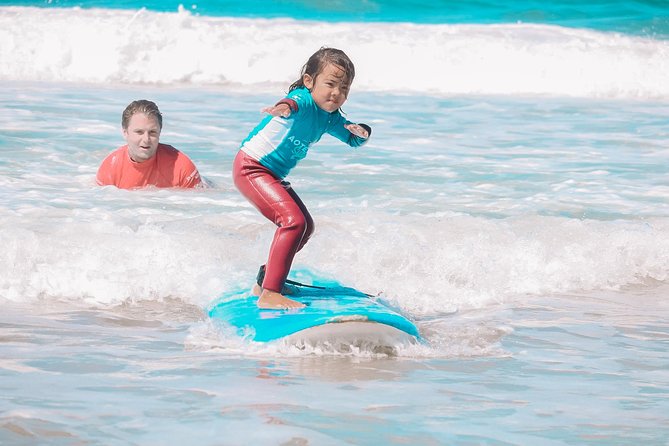
Catch your first wave in Te Arai. This private surf lesson puts you on Auckland’s East Coast, where calm, sandy water helps beginners and improvers work on real skills step by step. You’ll start with safety and equipment basics, then move through paddling, timing, and riding waves, all guided by a qualified instructor at Aotearoa Surf School.
What I love most is how private, one-on-one tuition keeps the lesson focused on your level, whether you’re brand new or trying to refine your technique. I also like that everything you need is handled for you, including the surfboard, leash, wetsuit, and rash shirt, plus sunscreen. One thing to keep in mind is that the lesson runs only when conditions are suitable, because it requires good weather.
In This Review
- Key things to know before you go
- Te Arai and Auckland’s East Coast: why this spot works
- From 708 Te Arai Point Road to your first wave: start to finish
- The 2-hour lesson plan: safety to pop-up to riding waves
- Safety, equipment, and positioning
- Paddling technique and getting out the back
- Timing, take off, and mastering the pop-up
- Riding waves
- What the instructors actually teach you (and why it matters)
- Equipment included: what you get, what it means for your comfort
- Private coaching that adapts to your level
- Weather and timing: what to expect when conditions change
- Price and value: is $126.67 per person a smart deal?
- Should you book this private surf lesson in Te Arai?
- FAQ
- What is the total duration of the private surf lesson?
- Where is the meeting point for the surf lesson?
- What equipment is included?
- Is this lesson suitable for complete beginners?
- What if the surf lesson is canceled because of poor weather?
- Is there any fitness requirement?
Key things to know before you go
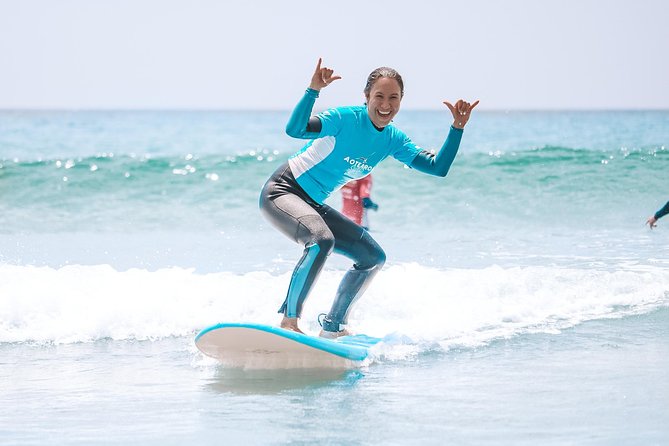
- Te Arai fits beginners well with calmer East Coast conditions and a sandy setup.
- One private instructor, one clear plan tailored to your ability and progress.
- Full gear included so you do not waste time sorting rentals or kit on arrival.
- A structured skills ladder from positioning and paddling to mastering the pop-up.
- Ocean awareness is part of the lesson, not just standing on the board.
Te Arai and Auckland’s East Coast: why this spot works
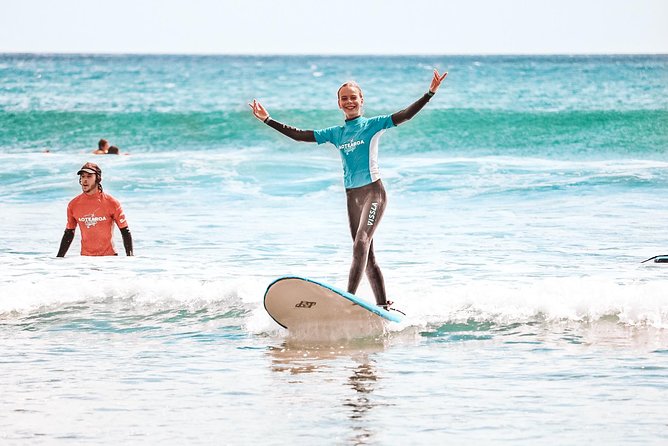
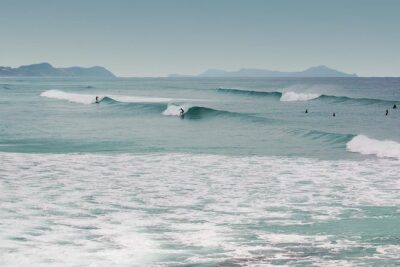
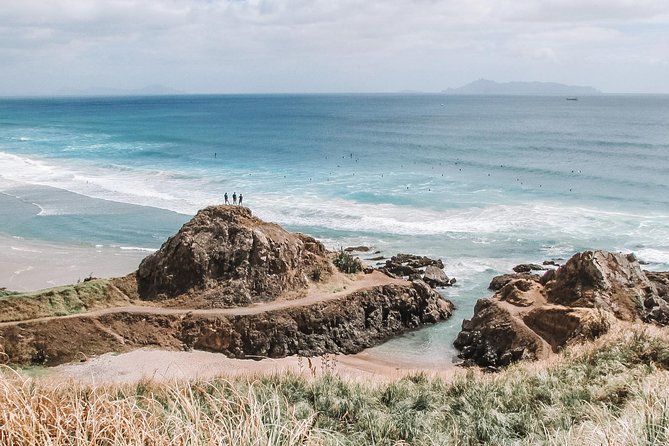
Auckland’s East Coast is famous for surf that is often more approachable than the rougher sides of the region. For your lesson, that matters because you learn faster when the conditions let you practice again and again. Te Arai is a sandy beach, which is a big deal for beginners, since your board handling and falls feel less punishing and resets are quicker.
This is also a practical location choice. You are not committing to a long, complicated day just to get on the water. Your surf time is the priority, and the rest of the schedule is built around getting you ready and then moving through the skills.
If you are bringing kids or newer surfers, this kind of setup is exactly what you want. In one review, a guide worked with Sebastien, age 8, and the parent highlight was that the instructor was fantastic. That is a good sign that the teaching style is clear, patient, and set up for real learning, not just letting people figure it out.
The only consideration is simple: even in an easier surf zone, you still need decent conditions for a safe lesson. If weather shifts, you may need to reschedule, or the session may be adjusted for safety.
A few more Auckland trips worth comparing
- Wētā Workshop Unleashed Tour – Auckland
★ 4.5 · 903 reviews - Auckland: Wētā Workshop Unleashed Guided Tour Ticket
★ 4.6 · 406 reviews - 2 Hour Surf Lesson – Te Arai Beach
★ 5.0 · 119 reviews
From 708 Te Arai Point Road to your first wave: start to finish
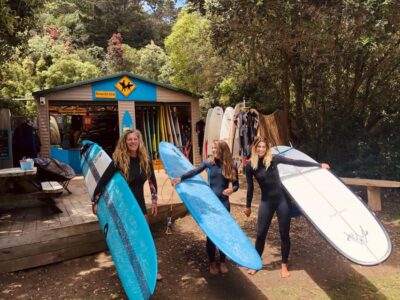
Your lesson starts at 708 Te Arai Point Road in Te Arai, at Aotearoa Surf School. This is where you check in, get matched up with the right equipment, and go through what you will do before you head into the water. The experience is listed as about 2 hours 30 minutes total, which usually includes getting kitted up and transitioning to the beach.
You can expect a smooth flow because the session is built around a set curriculum. That means you do not just get a random mix of coaching moments. You get safety, equipment orientation, and technique work, then you build toward riding waves.
The lesson moves in a logical order:
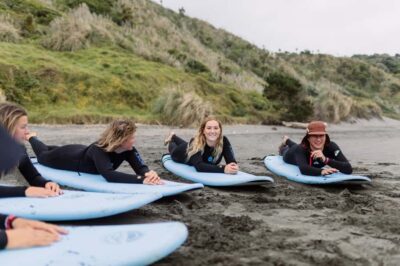
- Start with the basics of how to handle your board and move safely in and around the ocean.
- Then focus on positioning and paddling technique so you can actually get into the right spot.
- After that, timing and take off, then the pop-up, then riding.
When it works, it feels like you are climbing a ladder. When conditions are right, you get enough attempts to feel the difference between a good set-up and a rushed one.
A practical plus: this is a private activity. Only your group participates, so you are not waiting your turn while someone else’s lesson takes over the water time.
The 2-hour lesson plan: safety to pop-up to riding waves
The core promise here is simple: learn to surf properly. Your instruction covers the full sequence that separates flailing from surfing.
Safety, equipment, and positioning
The first part is about getting you comfortable and safe. You will cover safety basics, ocean awareness, and how your gear is designed to support you. That includes understanding how the leash works, how to handle the board, and how to think about where you are in relation to other surfers and the sea state.
Positioning comes next. Most beginners do not fail because they cannot stand. They fail because they are not set up where the wave can carry them. Good coaching at this stage makes your later attempts much more effective.
Same island, a completely different day:
- Waiheke Island: Ferry & Hop-On Hop-Off Explorer Bus Tickets
★ 4.6 · 3,311 reviews - Hobbiton & Waitomo Caves Guided Day Trip from Auckland incl lunch
★ 5.0 · 2,677 reviews - From Auckland: Hobbiton & Waitomo Caves Day Trip with Lunch
★ 4.9 · 2,505 reviews - Auckland Dolphin and Whale Watching Eco-Safari Cruise
★ 4.5 · 1,790 reviews
Paddling technique and getting out the back
Then you focus on paddling. The goal is to move efficiently and stay in control while you work toward waves. You also cover getting out the back, which is often the hardest part emotionally. Even confident swimmers can feel awkward when waves push them around.
A good surf guide helps you read the water and choose the right moments. When you learn how to time your effort, you spend less time fighting waves and more time practicing the moves that matter.
Timing, take off, and mastering the pop-up
Next is timing and take off. This is where the lesson starts to feel real. You learn how to align your paddling and body position so you are ready to stand when the wave lifts you.
Then comes the pop-up. The pop-up is not just a trick, it is a skill built from muscle memory and correct sequence. You work on getting from prone to standing in a controlled way, with enough balance that the board does not immediately shoot out from under you.
Riding waves
Finally, you ride. For complete beginners, the payoff can be dramatic. One review shared that even a dad who had never surfed in his life was able to stand up and ride the wave inshore by the end of the lesson. That is the moment the whole instruction cycle clicks.
If you are more experienced, the same structure helps you tighten specifics. You can refine paddling placement, improve pop-up timing, and work on wave selection.
What the instructors actually teach you (and why it matters)
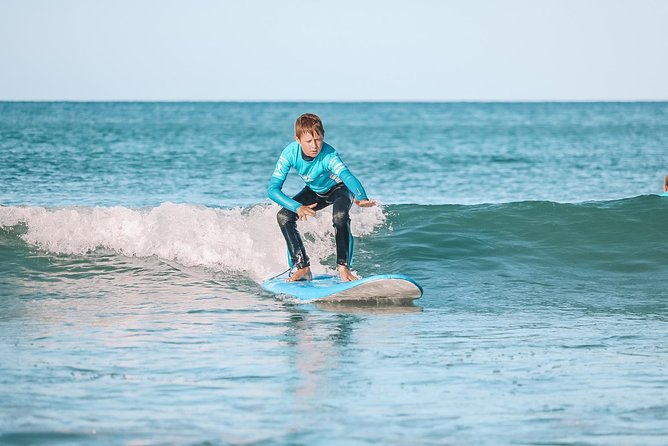
This kind of surf lesson works because it teaches fundamentals in the right order. You are not just learning how to stand. You are learning how to move with the ocean.
Ocean awareness shows up early because it prevents common beginner mistakes, like getting in the wrong place or not understanding wave patterns. This is also where you learn how to think about timing in a practical way, not as a vague concept.
Equipment design is also part of the lesson, and it is more important than it sounds. If you understand why you are on a specific board, you stop trying to force it. You learn to use the board for what it is good at, which speeds up progress.
You will also get one-on-one coaching, which is a major reason many private lessons feel worth it. In one review, a parent said their daughters loved the experience and were keen to take regular lessons afterward. That typically happens when the coaching is clear enough that they can see progress, not just hope for it.
I also like that the teaching supports groups within the private format. A reviewer described a group growing from 9 to 12 and then to 14, and the company handled booking changes as their group increased. That suggests the operation can adapt without turning your lesson into a chaotic production line.
Equipment included: what you get, what it means for your comfort
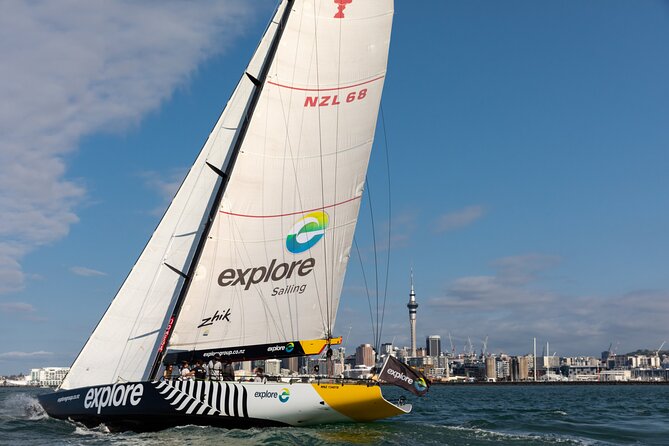
Your lesson includes all required equipment: surfboard, leash, wetsuit, and rash shirt. Sunscreen is also included. That is a real value point because it removes the biggest friction in a surf day, arriving without the right gear.
Wetsuit and rash shirt matter even in warmer weather because Auckland water can still feel cool. The included fit also means you are not spending time hunting for the right size. You get kitted for the conditions and then you can focus on technique.
The leash is essential for beginners. It keeps you connected to the board, which makes resets less stressful and reduces the time you spend searching the water for your equipment.
The board choice matters too. While the exact board type is not detailed, the fact that boards are included and selected as part of the lesson approach usually means you will not struggle against a board that is mismatched to your skill level. That helps you spend more time practicing the pop-up and riding, instead of battling gear.
One note: souvenir photos are not included. If you like to capture the moment, you might want to plan for that extra cost if it appeals to you.
Private coaching that adapts to your level
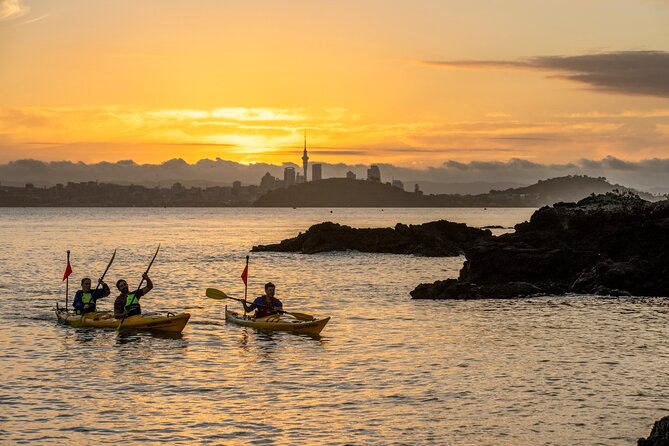
A key part of why this lesson gets strong marks is the tailoring. A private lesson can move at your speed, which is a major difference from lessons where you are coached in a group and then left to figure out the rest.
If you are a complete beginner, the instructor can slow down the sequence so you learn how to paddle, position, and time take off without rushing. If you are intermediate, you can spend more attempts refining your pop-up timing or correcting stance and balance.
That is likely why first-time success shows up in the feedback. When someone says they were able to stand and ride by the end, it is usually because the instructor caught their form problems early and then repeated the right cues often enough for it to stick.
In another review, the standout was the instructor’s impact with eight-year-old Sebastien. That often comes down to instruction style. Kids respond best to clear, short coaching cues and a plan that feels like progress, not a lecture.
If you are traveling with a group, the private format can also make it feel easier to manage. You are not sharing water time with strangers, so your group can stay focused and keep energy up.
Weather and timing: what to expect when conditions change
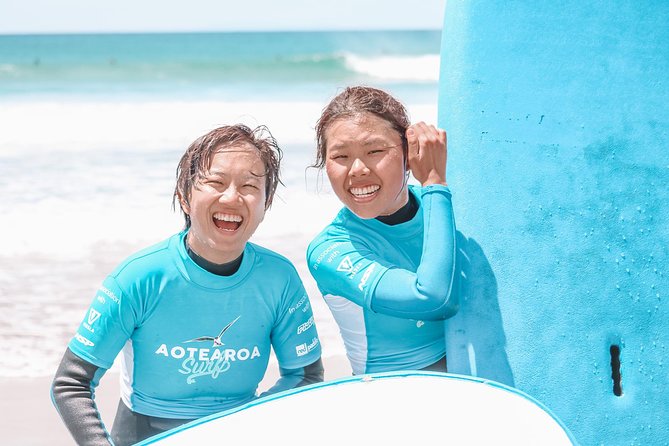
Surf lessons live and die by the weather. This experience is designed for good conditions, and if it is canceled due to poor weather, you should expect an option to reschedule or a full refund.
That flexibility matters in Auckland, where conditions can shift. One review specifically praised the experience even in a stormy tropical storm. While you cannot count on weather behaving, it suggests the instructors take safety seriously and still find ways to make the lesson work when possible.
Timing wise, it is about 2 hours of instruction with a total duration of around 2 hours 30 minutes. Plan your day so you are not rushing to another activity right after. You might need a little extra time to get sorted, warm up, and then transition back after your session.
Price and value: is $126.67 per person a smart deal?
At $126.67 per person, this is not the cheapest way to surf in Auckland. But it is priced like an actual learning experience, not a casual try-it session.
Here is what you are paying for:
- A qualified and experienced instructor
- Private tuition for your group
- All taxes and related fees included
- All required surf equipment included
- Sunscreen included
The value logic is straightforward. If you had to rent a board and wetsuit on your own, buy or arrange sunscreen, and hire coaching separately, the total usually climbs fast. This package bundles the parts that make a lesson productive.
You are also getting structured coaching that targets the exact skills that lead to standing and riding: positioning, paddling, getting out the back, timing, take off, and pop-up technique.
If you are a total beginner, this can be worth it because it compresses learning time. The first time you catch a wave usually comes from getting coached through the big mistakes. Paying for that guidance upfront often saves you from wasting multiple sessions doing the wrong version of the basics.
If you are already confident and just want a light session, you might choose something less intensive. But if you want real progression, the private format is where this price tends to make sense.
Should you book this private surf lesson in Te Arai?
If you want a lesson that is structured, coach-led, and tailored, I think you should book it. This is a great pick for complete beginners because the focus is on safety, ocean awareness, and the step-by-step progression that helps you stand up and actually ride.
It is also a strong option for families and mixed skill groups, especially because the private format means the instructor can keep attention on your needs. Based on feedback, instructors like Lee and Andrew have a track record of making it work for different ages, including kids and teens, while still producing real progress.
If weather is your wildcard, be ready to be flexible. Good surf days are worth it, but you do need conditions to cooperate.
FAQ
What is the total duration of the private surf lesson?
The lesson is listed as 2 hours, with an approximate total duration of 2 hours 30 minutes.
Where is the meeting point for the surf lesson?
You meet at 708 Te Arai Point Road, Te Arai 0975, New Zealand. The activity ends back at the meeting point.
What equipment is included?
All required equipment is included, including a surfboard, leash, wetsuit, and rash shirt.
Is this lesson suitable for complete beginners?
Yes. The sandy beach of Te Arai is described as an ideal spot for beginners, and the instruction is tailored to your ability.
What if the surf lesson is canceled because of poor weather?
The experience requires good weather. If it is canceled due to poor weather, you will be offered a different date or a full refund.
Is there any fitness requirement?
The experience notes a moderate physical fitness level is recommended.
Just added near Auckland
- Private Auckland Luxury Tour★ 5.0 · 5 reviews
- Auckland Airport Private Transfer★ 4.5 · 26 reviews
- Private Auckland Airport Transfer to, from Auckland Hotels SUV★ 5.0 · 4 reviews
- Rotorua & Taupo DayTour with Waiotapu & Huka Falls from Auckland★ 4.5 · 15 reviews
- Private Auckland Airport Transfer to/from Auckland Hotels – Van★ 4.0 · 11 reviews
- Private Auckland City Highlights Tour★ 5.0 · 3 reviews
- Private Auckland Half Day Tour★ 5.0 · 9 reviews
- FULL DAY ROTORUA TOUR – Fully Customisable 13 hours Unlimited KMS★ 5.0 · 12 reviews