
REVIEW · DOLPHIN WATCHING
Motuara Island Sanctuary: Wildlife & Dolphin Watching Tour
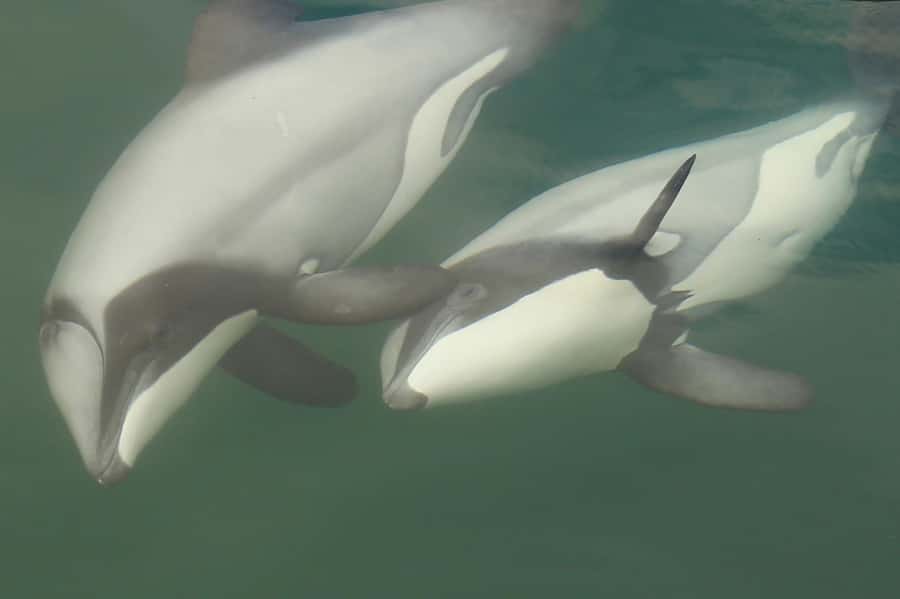
Four hours can feel like a whole wildlife weekend. This Motuara Island and dolphin cruise from Picton mixes a DOC predator-free sanctuary with a calm boat ride through the Marlborough Sounds, guided by WCA certified marine wildlife experts.
I really like how hands-on the wildlife experience is, with binoculars and species ID cards that help you actually tell birds and dolphins apart. I also appreciate the small-group setup, so questions do not get lost in the back row.
One drawback to keep in mind is that wildlife sightings are never factory scheduled. On wetter or windier days, you may see fewer animals than hoped, and the boat’s inside space is limited, so outside seating matters.
In This Review
- Key things that make this tour work
- Motuara Island and the Marlborough Sounds, in a tight four-hour window
- Meeting at E-ko Tours on Picton Waterfront, then into calm Queen Charlotte Sound
- Spotting dolphins and seabirds: how the guides help you actually see
- Walking Motuara Island Sanctuary, what predator-free actually changes
- Species ID, binoculars, and free wildlife photos: what you gain beyond the cruise
- Timing, comfort, and why the small group size feels better
- Price and weather reality, is it worth $100 per person?
- Should you book Motuara Island Sanctuary and Dolphin Watching with E-ko Tours?
- FAQ
- What time does the tour depart from E-ko Tours?
- Where is the meeting point?
- How long is the tour?
- What wildlife might I see?
- Is lunch included?
- Is it suitable for wheelchair users or mobility scooters?
Key things that make this tour work
- DOC predator-free Motuara Island, where native birds can breed without introduced predators
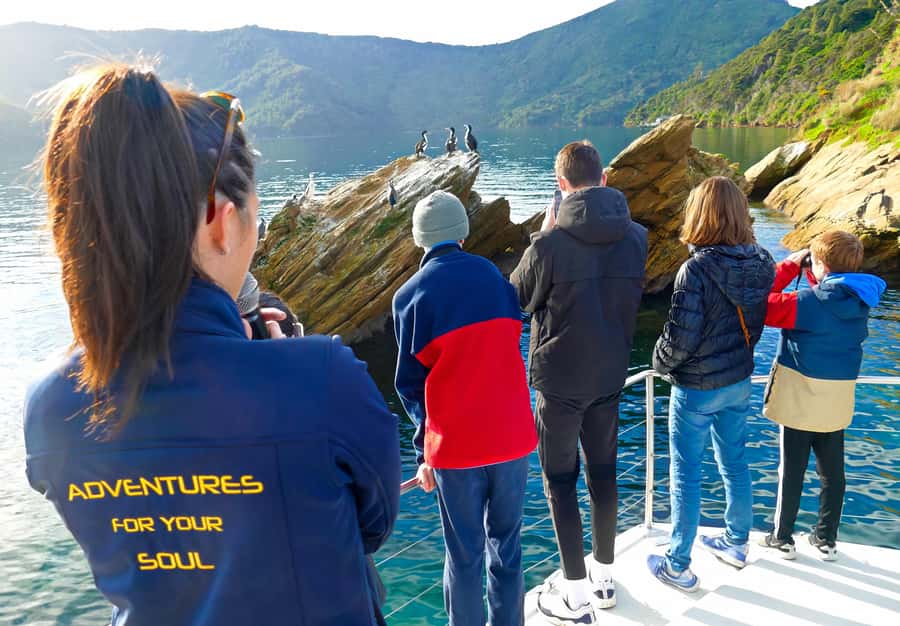
- WCA certified marine guides who explain what you are seeing, not just that you might see it
- Hector’s dolphins and more, with a real chance for other species like king shags and penguins
- Binoculars and species ID cards so you learn names on the water and on shore
- Small group size (1 to 15) for a more personal, less rushed outing
- Hot drinks and afternoon Pinot Gris, plus free wildlife photos to take home
Motuara Island and the Marlborough Sounds, in a tight four-hour window
The best thing about this tour is how it uses time. You do not just stare at the horizon for a random dolphin sighting and then call it a day. You get two “worlds” in one half-day: first the boat ride through Queen Charlotte Sound, then a guided walk on Motuara Island Sanctuary.
For bird lovers, the value is obvious. Motuara is a DOC reserve run as a predator-free sanctuary, which means rare native birds have a safer environment than most of the mainland. On shore, you can expect forested trails and natural bird calls, including species like saddlebacks, bellbirds, and robins. Even if you are not a dedicated birder, hearing and spotting the birds in their actual habitat feels different than seeing them in a garden or a distant lookout.
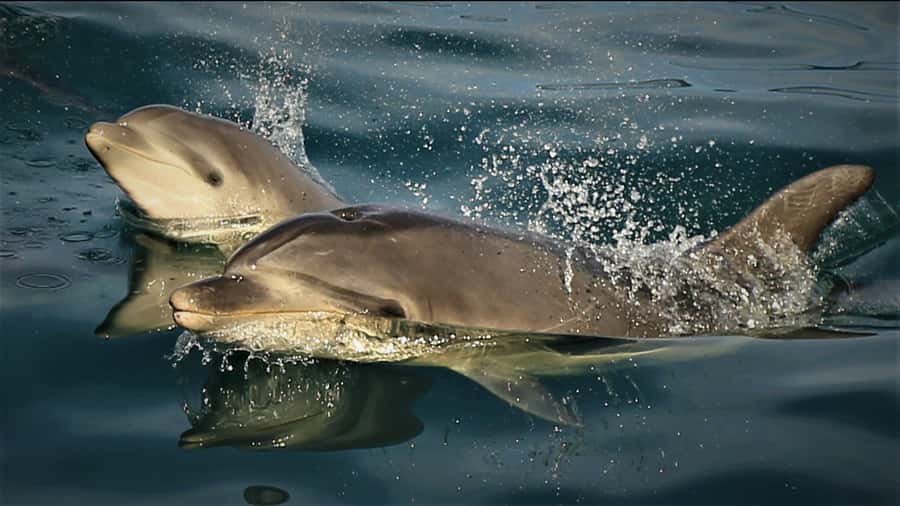
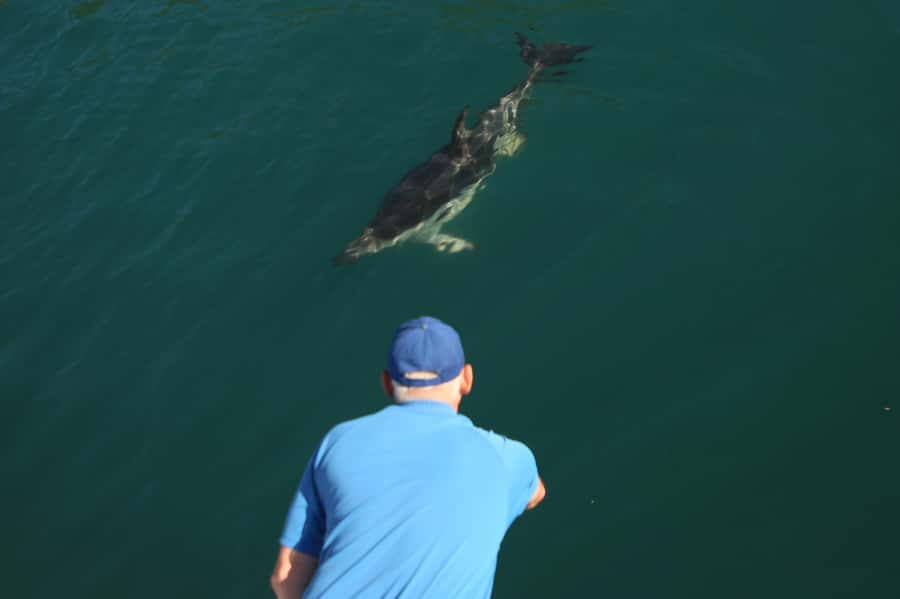
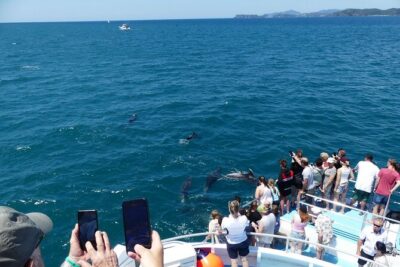
For marine wildlife fans, the cruise side of the day is built around close viewing. The guides use onboard commentary and provide binoculars so you can track behavior, not just shapes. Hector’s dolphins are a key target in this area, and the tour also points you toward other possible sightings like king shags, little blue penguins, and gannets. If your day is especially lucky, orcas are listed as a possibility.
The four-hour format is also a practical win. Picton is a great base, but you do not always want to commit to a full day at sea. This gives you a solid wildlife hit without turning your afternoon into a nap-fest.
A few more Picton trips worth comparing
- Motuara Wildlife Sanctuary Tour and Dolphin Cruise from Picton
★ 4.5 · 180 reviews - Bird Watching and Dolphin Eco-Tour to Blumine Island
★ 5.0 · 55 reviews - Captain Cook and Dolphin Cruise
★ 4.5 · 26 reviews
Meeting at E-ko Tours on Picton Waterfront, then into calm Queen Charlotte Sound
You start at the E-ko shop on the Picton waterfront, and it is easy to find by looking for the dolphin symbol. Before you go anywhere, there is a short briefing in the shop area, which helps you get oriented on what you will look for and how the team runs the day.
Departures run twice daily, with an early sailing and a later one. Morning sessions include a briefing around 7:45 AM, then departure around 8:00 AM. Afternoon sessions have a briefing around 1:15 PM, then departure around 1:30 PM. The tour duration is about four hours from meet-up to return.
One of the smartest details here is where you sail. The cruise is designed around calm, sheltered waters of Queen Charlotte Sound. That matters because it changes the experience for everyone, especially people who normally dislike boat travel. You will also notice how the tour leans into comfort, including an exclusive no seasickness guarantee. No guarantee can remove all motion, but it does signal that the operator takes the ride seriously and chooses conditions accordingly.
Inside the boat, you should expect limited space. That is not a deal breaker, but it does affect comfort. If the weather is decent, plan to sit outside so you can spread out your view and stay comfortable while wildlife pops up at the surface.
Spotting dolphins and seabirds: how the guides help you actually see
The Marlborough Sounds can be wild and beautiful, but the wildlife is the main event. The tour is structured so you spend time looking, not guessing. A WCA certified marine wildlife guide handles the narration and helps you interpret what is happening on the water.
Hector’s dolphins are the star mentioned for this region, and you might also encounter other dolphin types in the broader mix of possible sightings. The tour information includes bottlenose, common, dusky, Hector’s dolphins, and even orcas as a lucky bonus. Even if you do not catch every target, you can still come away feeling that you learned something real.
Here is why the guide approach makes a difference. When you get species names and behavior cues, you stop seeing generic “dolphins in the water.” You start recognizing patterns, like how animals approach, how they surface, and what the group is doing in relation to the boat.
This is also where the tour’s viewing tools matter. Binoculars and species ID cards are included, and that means you can keep learning during the sightings, not only later in a phone search. In particular, the tour is built to help you distinguish birds. You can expect chances to spot king shags, little blue penguins, and gannets along the way, depending on where the boat travels and what the day offers.
One note from recent experiences is that the team works hard even when conditions do not cooperate. On a worse-weather day, some groups reported that the guides stayed upbeat and made up for it where they could, including efforts to extend time when it was possible. That kind of flexibility tends to show up as more wildlife time, better searching, and a less frustrating outing.
Walking Motuara Island Sanctuary, what predator-free actually changes
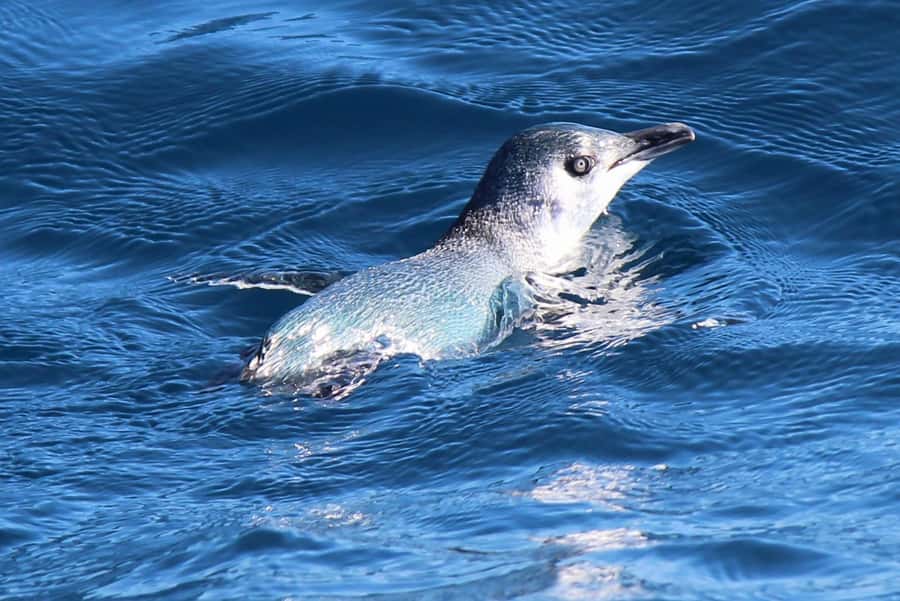
On Motuara Island, the experience shifts from scanning the sea to slowing down on land. You have a guided visit to the Motuara Island Sanctuary, a DOC reserve, which means you get the context behind what you are seeing.
Predator-free matters because it affects survival. Introduced predators are a major reason native birds struggle in many places. In a predator-free setting, birds can spend more time feeding and less time avoiding constant threats. On your walk, that can translate into more birds visible, more calls you can recognize, and a stronger sense of the island as a living ecosystem rather than a viewpoint.
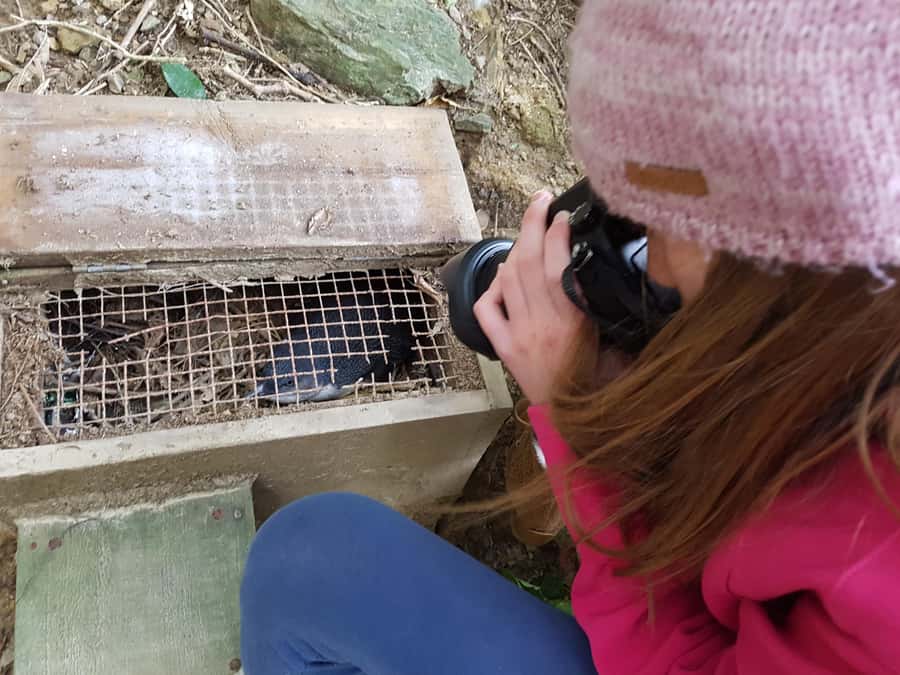
The tour includes a chance to walk forested trails. The guides point out bird calls, and species mentioned include saddlebacks, bellbirds, and robins. If you are more of a visual learner than an audio one, the species ID cards and binoculars still help you match what you see to what you are hearing.
There is another practical benefit to doing this portion with a guide. Without interpretation, a forest trail can feel like you are just walking through trees. With the right commentary, it becomes a guided lesson on habitat, behavior, and conservation. That is what makes this tour feel like more than a quick photo stop.
What might limit your enjoyment? If the weather is poor, island walks can feel less comfortable. Still, even on days when visibility is not perfect, the sanctuary part of the experience is usually strong because bird activity can be less dependent on open-water conditions.
More wildlife trips in Picton:
- Clearwater Wildlife Tours (small group 10max) Otago Peninsula
★ 5.0 · 531 reviews - Milford Sound: Wildlife & Nature Cruises
★ 4.7 · 513 reviews - Wildlife Sea Kayaking Tour – Kaikoura
★ 5.0 · 467 reviews - Kaikoura: Half-Day Wildlife Kayaking Tour
★ 4.6 · 390 reviews
Species ID, binoculars, and free wildlife photos: what you gain beyond the cruise
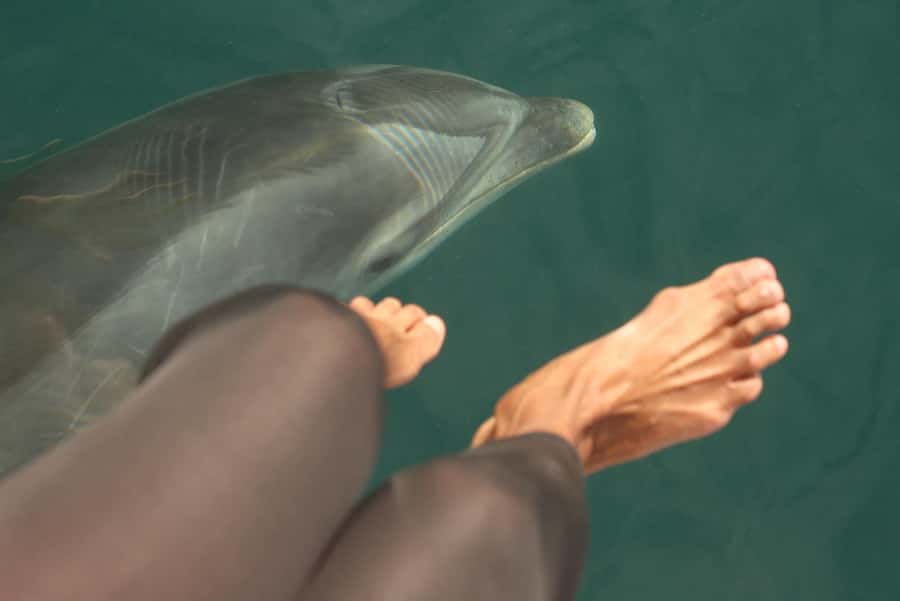
A lot of tours say you will learn about wildlife. This one equips you to do it. Binoculars and species ID cards mean you can name what you are seeing in real time. That turns a wildlife sighting into a mini lesson.
Another practical perk is free high-quality wildlife photos. When wildlife is moving, your camera roll can end up as a graveyard of blurry attempts. Having photos provided reduces that problem and lets you take home images you can actually use.
Also, the tour includes onboard extras that add up to a smoother day. There are hot drinks included in both morning and afternoon departures, with tea, coffee, hot chocolate, and biscuits. On the afternoon tour, you also get local wine, specifically Pinot Gris. It is a small indulgence, but it matters on a boat day because it makes the whole outing feel complete rather than rushed.
Recent experiences also highlight how much people enjoy the way guides communicate. Names like Courtney and Dan come up with praise for being informative and fun to listen to. Connor and Daniel are also mentioned for being friendly, professional, and full of facts. The common thread is clarity, and also a sense of humor that keeps the day from feeling like a lecture.
And yes, it helps that the photos are close enough that you can focus your phone without turning the whole outing into a gear test.
Timing, comfort, and why the small group size feels better
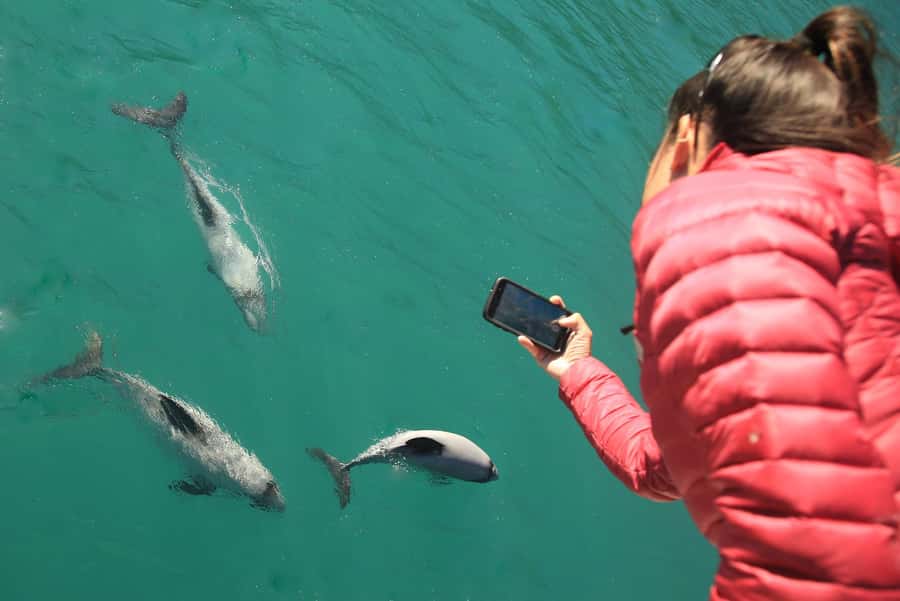
This is not a giant cattle-truck cruise. Group sizes run up to 1 to 15, with a personalized small fully guided setup. That matters because it affects how often you can ask questions and how quickly the guide can notice you missed something.
Boat comfort is another reality to plan around. Inside seating can be limited, so if you want a less cramped ride and better wildlife viewing, aim to sit outside when conditions allow. On sunny days, that outside perspective helps you spot surface activity faster and gives you fewer distractions.
Footwear also matters because you cannot just wander around barefoot. Comfortable shoes are recommended, and bare feet are not allowed. Mobility scooters are also not allowed, and the tour is not suitable for wheelchair users.
If you are traveling with kids, this tour tries to be family-friendly in the practical ways. Kids toys, books, and drawing boards are included, which can help keep younger ones occupied during waiting periods between wildlife sightings.
Price and weather reality, is it worth $100 per person?
At $100 per person, this tour sits in the middle of the price band for Marlborough Sounds wildlife experiences. The question is value, and here the tour has several factors that justify the cost.
First, you are paying for two guided segments, the boat cruise and the guided sanctuary walk on Motuara Island. That is not always the case with wildlife cruises that only do one thing.
Second, you get equipment and guidance built into the experience: binoculars, species ID cards, and expert commentary. When you combine that with free wildlife photos, you start to see more value than a basic sightseeing ride.
Third, the tour includes a conservation element. Part of every booking supports protecting endangered species and restoring local ecosystems in the Marlborough Sounds. The tour information also mentions a 100% guaranteed endangered species encounter. Guarantees are never magic, but it does signal a strong focus on ensuring you get something meaningful, not just scenery.
Now for the honest part: weather affects wildlife. Dolphin and bird sightings depend on conditions, and no operator controls that fully. What you can control is your expectations and your choices. If you pick a day when the Sound is calmer, you tend to get better viewing. If the weather is rough, the guide team’s ability to keep searching and stay upbeat makes a difference.
Should you book Motuara Island Sanctuary and Dolphin Watching with E-ko Tours?
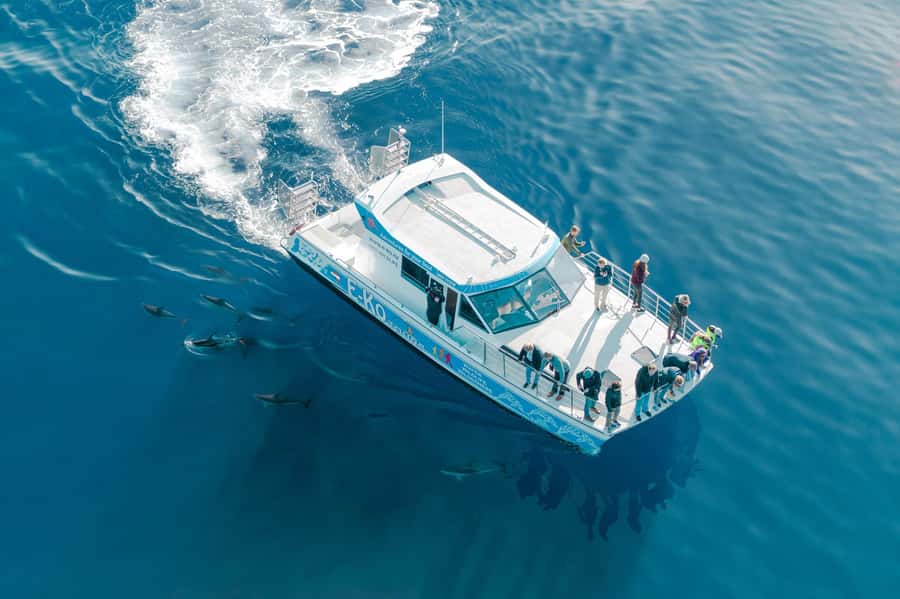
If you want an eco-focused half-day that mixes land birds in a predator-free sanctuary with marine wildlife viewing, this tour is a strong pick. It is especially good if you like the idea of learning names and behaviors, not just spotting animals from a distance. The combination of WCA certified guidance, binoculars, species ID cards, and free photos makes it feel like a real wildlife experience rather than a quick cruise.
Book it if:
- You will enjoy both birdlife and dolphins
- You want a small group tour with close wildlife viewing
- You care about conservation in the Marlborough Sounds
Skip it if:
- You need wheelchair-friendly access or are relying on a mobility scooter
- You cannot handle walking on forested trails with comfortable shoes
- You expect a totally predictable animal checklist every single day
If you are choosing between dates, a calmer weather day helps. When the view is clear and you can sit outside, you are more likely to enjoy the ride and catch more behavior, not just quick glimpses.
FAQ
What time does the tour depart from E-ko Tours?
The morning departure includes a briefing at 7:45 AM and departure around 8:00 AM. The afternoon departure includes a briefing at 1:15 PM and departure around 1:30 PM.
Where is the meeting point?
You meet at the E-ko shop on Picton Waterfront, at 1 Wellington Street, 7220 Picton. Look for the dolphin when you arrive.
How long is the tour?
The total duration is 4 hours.
What wildlife might I see?
You may see Hector’s dolphins, king shags, little blue penguins, and gannets. On Motuara Island, you can expect rare native birds in the DOC sanctuary, including saddlebacks, bellbirds, and robins. Orca sightings are listed as a possible lucky bonus.
Is lunch included?
No lunch is included. You will need to bring your own lunch.
Is it suitable for wheelchair users or mobility scooters?
No. The tour is not suitable for wheelchair users, and mobility scooters are not allowed.
Just added near Picton
- Flight Experience our Water and Wilderness Scenic Tour★ 5.0 · 51 reviews
- Self-Guided Queen Charlotte Track Walk from Picton★ 4.5 · 70 reviews
- Marlborough Wine Tour – Picton Cruise Ship Shore Excursion Tour★ 5.0 · 28 reviews
- Marlborough Wine Region Tour from the Port of Picton★ 4.5 · 88 reviews
- Private Shore Excursion: Explore Marlborough from Picton★ 5.0 · 4 reviews
- Queen Charlotte Track – Ultimate one Day Walk and Cruise★ 5.0 · 9 reviews
- Exclusive Picton Wine & Scenic Adventure: VIP Cruise Experience★ 5.0 · 6 reviews
- Private Excursion: Scenic and Seascape Delights from Picton★ 4.0 · 5 reviews
Dolphin Watching, compared.
Auckland Dolphin and Whale Watching Eco-Safari Cruise
Read our review →
Whale and Dolphin Watching Half-Day Eco Cruise
Read our review →
Paihia/Russell: Hole in the Rock, Dolphins & Island Cruise
Read our review →
Tikapa Moana Whales, Dolphins and Islands Cruise
Read our review →
Hole in the Rock Scenic Cruise including Dolphins and Island stop
Read our review →Browse the lists this tour appears in