
REVIEW · MAORI CULTURAL EXPERIENCES
Māori Cultural Experience & Auckland Museum Admission
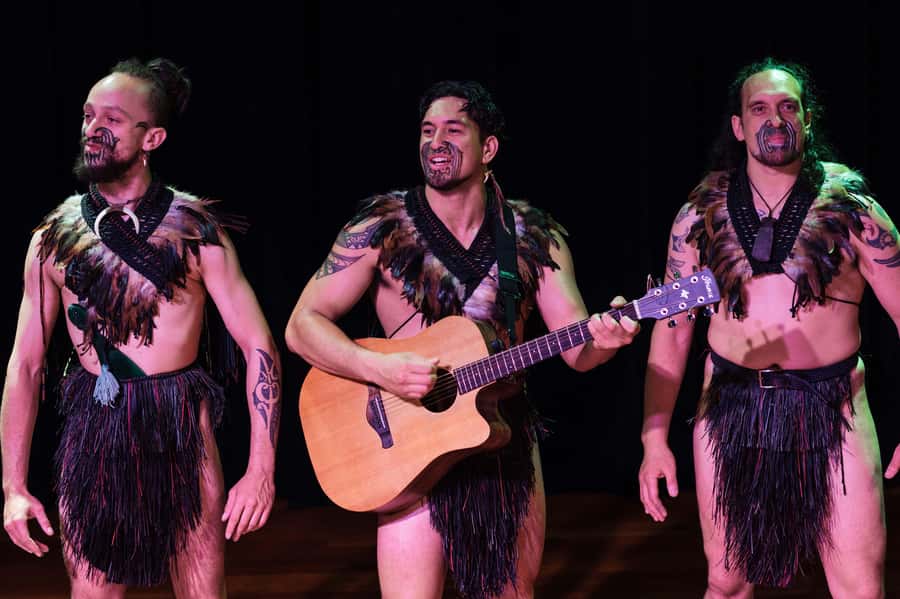
Haka meaning and a whole museum day. At Auckland Museum, the Living Taonga Māori Cultural Experience pairs storytelling and dance with general admission, so you can connect the performance to real museum exhibits. I like how the show is led by esteemed Māori artists and orators and walks you through the origins and meaning of the haka, and I like that this is a full-day ticket rather than a quick stop, but note the Māori Court and Pacific Galleries are temporarily closed.
Plan on about 30 minutes for the cultural performance, then settle in for museum time at your own pace. You’ll also want to budget time to read, because the museum’s exhibits are built to explain New Zealand and its taonga, not just show objects.
In This Review
- Key things I’d zero in on
- Living Taonga at Auckland Museum, a performance that sets up your museum visit
- What happens in the Māori Cultural Experience (Living Taonga)
- Waiata, poi, and haka, why these details matter
- After the show: your all-day Auckland Museum plan
- A note about the Māori Court and Pacific Galleries closure
- Timing your day: museum hours and when to arrive
- Getting there from central Auckland: walk, transit, or park
- Price and value at $37: where your money goes
- Rules that affect your day: food, luggage, and what to plan for
- Who should book this Māori Cultural Experience, and who might rethink it
- Should you book the Māori Cultural Experience & Auckland Museum Admission?
- FAQ
- Where is the meeting point?
- How much time does this experience take?
- What’s the price per person?
- What is included with my ticket?
- Are food and drinks included?
- Is the Māori Cultural Experience available every day?
- What are the Auckland Museum opening hours?
- Which galleries are currently closed?
- What items are not allowed?
- Is it wheelchair accessible?
Key things I’d zero in on
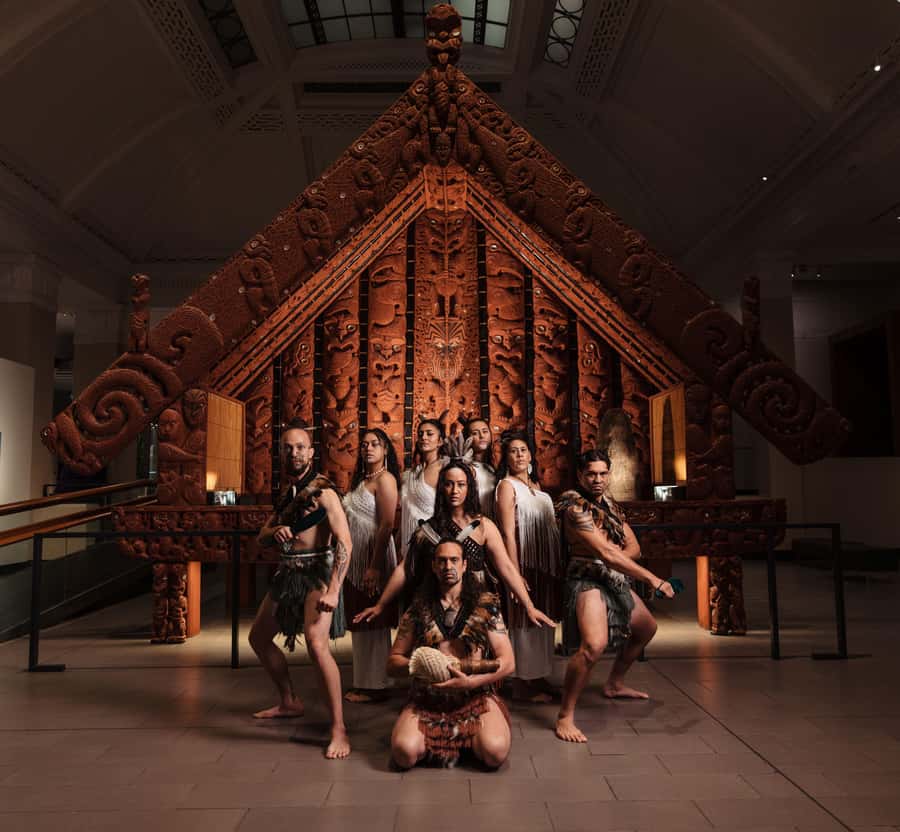
- Living Taonga gives you a guided cultural performance that links art, story, and meaning.
- Haka context is part of the show, not just the sight and sound.
- Waiata and poi are showcased as living skills, not museum curiosities.
- All-day Auckland Museum access means you can go deeper after the performance.
- Māori Court and Pacific Galleries are closed right now, so plan your route accordingly.
- Arrive early for the performance, at least 20 minutes, if you can.
Living Taonga at Auckland Museum, a performance that sets up your museum visit
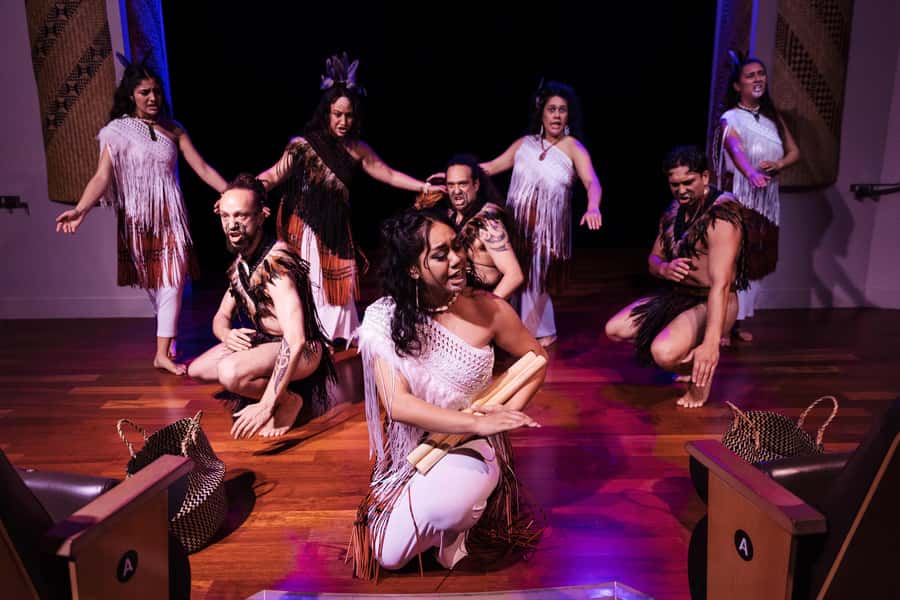
This is one of those Auckland combos that makes sense: you get a Māori cultural performance inside Auckland Museum, then you stay for the museum part of the day. The location matters too. The museum sits in Parnell near the Auckland War Memorial Museum grounds, so it feels like a purposeful cultural day rather than a quick ticket-and-escape stop.
What I like most is the structure of the experience. You don’t just watch dance and song, you hear the story behind it. Then you can spend the rest of your time with Auckland Museum’s natural history, New Zealand heritage exhibits, and treasured taonga cultural treasures, at your own pace.
Also, the host or greeter is listed as English and Māori, which usually means you’ll have a clearer, more grounded welcome and wayfinding.
More Maori Cultural Experiences in Auckland
- Waitomo Caves & Rotorua – Te Puia Small-Group Tour from Auckland
★ 4.5 · 681 reviews - Auckland: Waitomo Caves & Rotorua – Te Puia Small-Group Tour
★ 4.8 · 223 reviews - Hobbiton & Rotorua Small Group Tour including Te Puia from Auckland
★ 5.0 · 190 reviews
What happens in the Māori Cultural Experience (Living Taonga)
Living Taonga is Māori for treasure, something prized. In this performance at Auckland Museum, that idea shows up as living culture, presented through voice, movement, and explanation.
You can expect several elements to work together:
- Storytelling and dance that carry meaning, not just spectacle
- Waiata (traditional song)
- Poi (a performance skill involving controlled movement of weighted cords)
- A focused explanation of the origins and meaning of the haka
That last point is a big deal for first-timers. Many people arrive having heard haka only in sports contexts. Here, the show treats it as a commanding ritual connected to strength, unity, and identity. The performance is short, about 30 minutes, but the goal is to give you a framework so you can read later performances and references with more understanding.
There’s also a human rhythm to the show. The performance is reported as entertaining and meaningful, with moments that can feel light and accessible, not rigid. One detail I’d take seriously is the timing. You’ll want to show up with enough buffer that you’re not settling in during the opening.
Waiata, poi, and haka, why these details matter
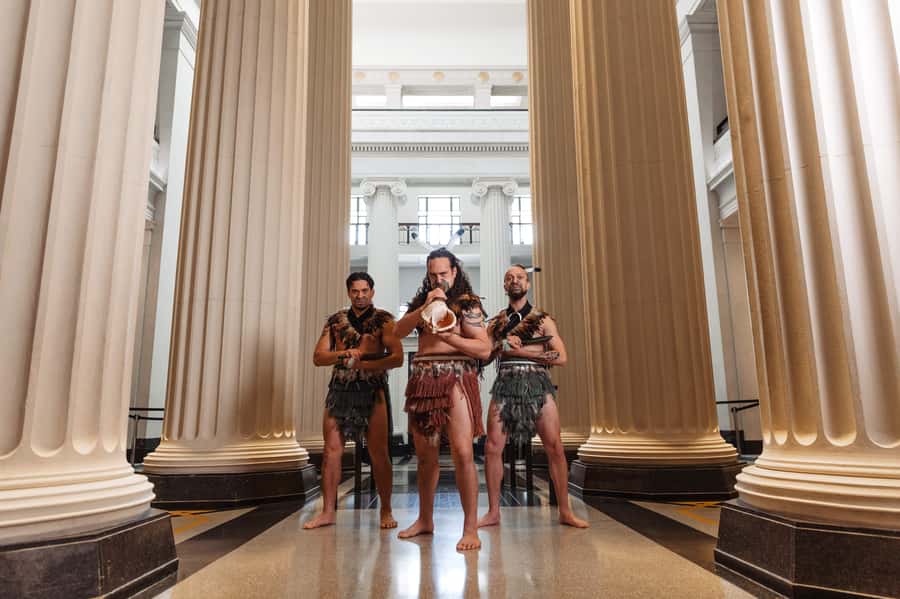
It’s easy to watch poi and think, okay, spinning and timing. But when poi comes with explanation, you start to see it as skill plus intention. The same goes for waiata. Song can sound beautiful on its own, yet its power increases when you understand that it’s part of how stories travel.
Then you get the haka. The experience focuses on why it exists and what it expresses. That framing changes how the haka lands in your head, because you stop treating it like a single chant and start recognizing it as something with identity and collective meaning.
I also like that this cultural performance is presented by esteemed indigenous artists and orators. That matters, because the “who” is part of the authenticity. You’re not getting a generic performance, you’re getting a cultural presentation from people deeply connected to the art form.
After the show: your all-day Auckland Museum plan
Your ticket doesn’t end after the performance. It includes general admission to Auckland Museum, and that’s where the day becomes truly worth it.
The museum is known for strong interpretation across categories, including:
- Natural history
- New Zealand heritage
- Taonga (cultural treasures)
In practice, that means you can build your visit around what you care about. If you want context for Māori culture and Aotearoa New Zealand, you can spend extra time in heritage-related galleries. If you prefer science and environments, you can go straight for natural history exhibits. Either way, you’re doing it after the show, so your brain has a fresh lens for meaning.
One practical tip: plan for reading time. The best museum day is the one where you don’t sprint. Give yourself at least a couple of hours after the performance to wander, then slow down with labels and displays.
Same island, a completely different day:
- Waiheke Island: Ferry & Hop-On Hop-Off Explorer Bus Tickets
★ 4.6 · 3,311 reviews - Hobbiton & Waitomo Caves Guided Day Trip from Auckland incl lunch
★ 5.0 · 2,677 reviews - From Auckland: Hobbiton & Waitomo Caves Day Trip with Lunch
★ 4.9 · 2,505 reviews - Auckland Dolphin and Whale Watching Eco-Safari Cruise
★ 4.5 · 1,790 reviews
A note about the Māori Court and Pacific Galleries closure
The Māori Court and Pacific Galleries are temporarily closed due to essential maintenance. That is important, because it can affect what you hoped to see during your museum hours.
What you can do instead:
- Prioritize exhibits that remain open, especially areas tied to New Zealand heritage and cultural treasures.
- Use the performance itself as a “map.” If you heard something that resonated, look for related themes during your museum time.
- If you’re planning your day around Māori Court specifically, double-check the open galleries when you arrive so you don’t waste time circling closed spaces.
Timing your day: museum hours and when to arrive
You’re booking a one-day ticket, and the exact starting times depend on availability. On weekdays, the museum runs from 10:00 to 17:00. On weekends, public holidays, and school holidays, it’s 09:00 to 17:00. There’s also late opening every Tuesday until 20:30.
Here’s the strategy I’d use:
- If you like a calm morning, aim for the weekday opening window or a weekend morning slot.
- If you’re visiting on a Tuesday, consider leaning into the late hours after the show, especially if you enjoy museums and want time to roam.
For the cultural performance itself, I’d treat punctuality seriously. A helpful piece of advice is to arrive early, at least 20 minutes before the show. That gives you time to get settled and helps you start watching without distraction.
Getting there from central Auckland: walk, transit, or park
Auckland Museum is about a 30-minute walk or a 5-minute drive from the city center, and it’s accessible by public transport. If you’re staying near downtown, walking can be a pleasant way to warm up for the day. If you’d rather save energy, public transport plus a short walk is usually the easiest choice.
Parking is available in two levels of secure car parking on site. Free parking is also available in Auckland Domain for up to 3 hours. If you’re planning to stay for most of the museum day, that Domain option can work well if you time it right.
Price and value at $37: where your money goes
At $37 per person, you’re paying for two things:
1) admission to Auckland Museum
2) the Māori Cultural Experience: Living Taonga
That combination is where the value sits. You’re not just buying a short show. You’re buying the option to spend the rest of the day in a world-class museum setting, with exhibits you can explore at your own pace.
Does it feel pricey if you compare it to a museum visit alone? Possibly, but the performance adds a different kind of context. It gives meaning to cultural themes, especially around haka, and that can change how you experience the museum exhibits afterward.
Also, the all-day ticket helps you avoid the most common museum mistake, squeezing too much into too little time. If you’re willing to treat the museum as part of the experience, the price is easier to justify.
Rules that affect your day: food, luggage, and what to plan for
The experience has clear rules:
- Food and drinks are not allowed.
- Luggage or large bags are not allowed.
So plan to travel light. If you need to carry essentials, keep them manageable. Once you’re at the museum, you can refuel using the museum’s on-site food options. One visitor described the museum cafe as having good quality food and coffee. Just know the tour itself doesn’t include meals, so budget for purchases if you want a break.
For the performance portion, the best mindset is simple: give the performers your full attention. The show is built around voice, movement, and delivery, so anything that disrupts that flow can make the experience feel less satisfying.
Who should book this Māori Cultural Experience, and who might rethink it
This is a great choice if you:
- want a first introduction to Māori culture through storytelling, song, and movement
- care about understanding the origins and meaning of haka, not just seeing it
- like museum visits and want time afterward, not a quick ticket-only stop
- prefer cultural learning that includes performance and explanation in one package
You might consider a different plan if you:
- are specifically aiming to see Māori Court and Pacific Galleries today, since both are temporarily closed
- only want a short activity and would rather spend the rest of your time elsewhere
Should you book the Māori Cultural Experience & Auckland Museum Admission?
Yes, I think you should book it if you want a meaningful, structured Māori cultural introduction plus a full museum day. The strongest reason is the combination: Living Taonga gives you story and context, and Auckland Museum lets you keep exploring themes at your own pace.
Book it with two expectations in mind. First, the cultural performance is short, so you’ll need to plan a real museum block after. Second, the Māori Court and Pacific Galleries are closed right now, so build your day around what remains open and use the show as your guide for what to pay attention to.
If you do that, $37 turns into a solid day of learning, art, and museum time in one of Auckland’s best cultural settings.
FAQ
Where is the meeting point?
The meeting point is Auckland War Memorial Museum, Parnell, Auckland 1010, New Zealand.
How much time does this experience take?
The experience is valid for 1 day, so you can plan for a full museum day.
What’s the price per person?
The price is $37 per person.
What is included with my ticket?
Your ticket includes museum entry plus the Māori Cultural Experience: Living Taonga.
Are food and drinks included?
No. Food and drinks are not included.
Is the Māori Cultural Experience available every day?
It is not available on Anzac Day (25 April).
What are the Auckland Museum opening hours?
Weekdays run 10:00 to 17:00 (closed only for Christmas Day). Weekends, public holidays, and school holidays run 09:00 to 17:00 (closed for Christmas Day). The museum is open late every Tuesday until 20:30.
Which galleries are currently closed?
The Māori Court and Pacific Galleries are temporarily closed due to essential maintenance work.
What items are not allowed?
Food and drinks are not allowed, and luggage or large bags are not allowed.
Is it wheelchair accessible?
Yes, it is wheelchair accessible. Wheelchairs are available on site, subject to availability, and cannot be pre-booked.
More Museums in Auckland
- Auckland War Memorial Museum Entry Ticket
★ 4.5 · 293 reviews - Explore gardens & galleries filled with incredible art, Matakana
★ 5.0 · 186 reviews - Skip the Line: Auckland Museum General Admission Ticket
★ 4.5 · 183 reviews - Māori Cultural Experience & Auckland Museum General Admission
★ 4.5 · 92 reviews
Just added near Auckland
- Auckland Airport Private One-Way or Round-Trip Transfer★ 4.5 · 14 reviews
- Kumeu Wine Region Shuttle from Auckland★ 4.5 · 19 reviews
- West Coast Discovery Tour★ 5.0 · 37 reviews
- Vineyards Honey and Black Sand Beaches from Auckland★ 5.0 · 93 reviews
- Auckland’s Wild West Coast & Black Sand Beaches Tour inc Lunch★ 5.0 · 12 reviews
- West Coast Discovery Piha Beach Private Tour★ 5.0 · 14 reviews
- West Coast Discovery – Piha Beach or Muriwai Beach from Auckland★ 3.5 · 6 reviews
- Wētā Workshop Unleashed – Intro to Scars and Scrapes Workshop★ 5.0 · 5 reviews
Maori Cultural Experiences, compared.

Mitai Maori Village: Cultural Experience and Dinner Buffet
Read our review →
Cultural Experience & Seasonal Māori Cuisine at Te Pā Tū
Read our review →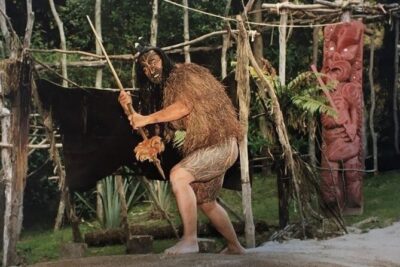
Mitai Maori Village Cultural Experience in Rotorua
Read our review →
Lake Taupo: Classical Sailing to the Māori Rock Carvings
Read our review →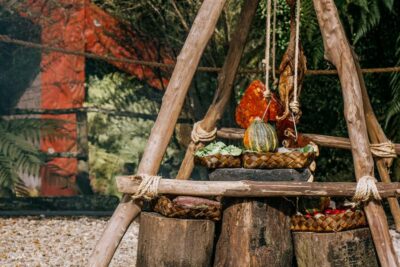
Te Pa Tu Māori Cultural Experience with Dinner
Read our review →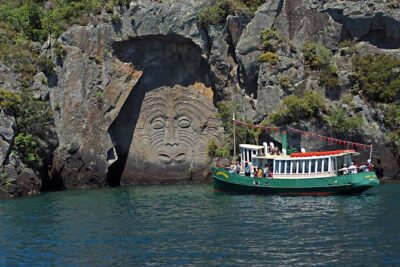
Lake Taupō Māori Rock Carvings Scenic Cruise aboard Ernest Kemp
Read our review →
Waitomo Caves & Rotorua – Te Puia Small-Group Tour from Auckland
Read our review →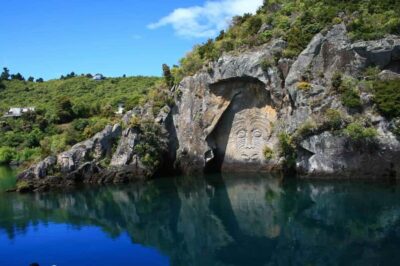
Lake Taupo: Maori Rock Carvings 10.30 AM 1.5-Hour Cruise
Read our review →Browse the lists this tour appears in