
REVIEW · WHALE WATCHING
Kaikoura: 1-Hour Whale Watching Helicopter Tour
Whale watching gets an aerial upgrade in Kaikōura. This 1-hour helicopter tour is built for big marine sightings with time to look properly, not just a quick flyby.
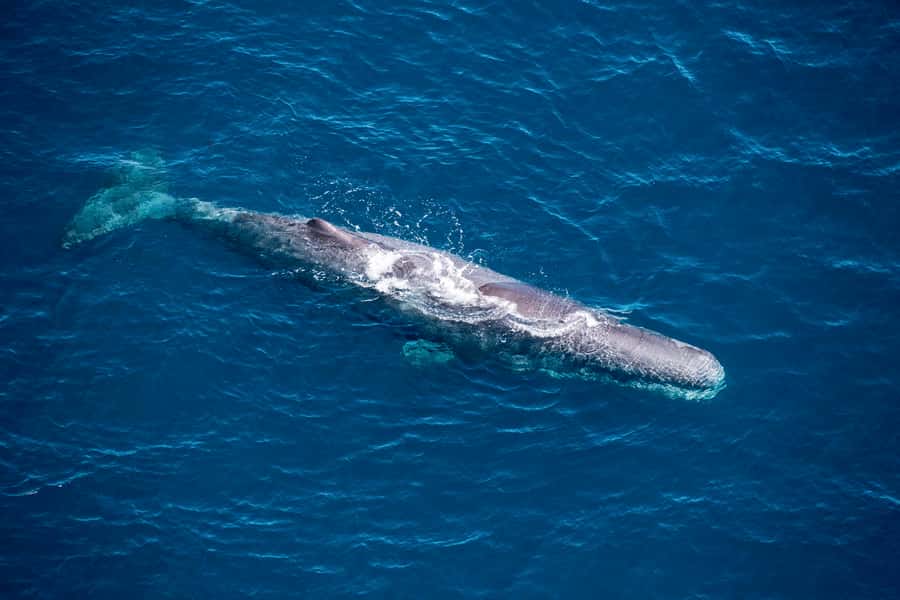
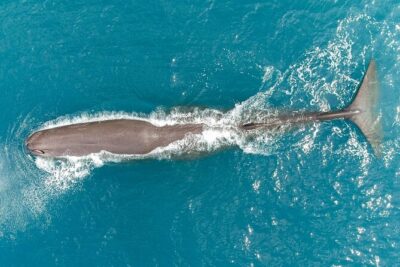
What I like most is the chance to see sperm whales in full view from tip to tail while your pilot hunts using the Whale Sanctuary area. The other win is the summit landing at Mt Fyffe, where you step out among the Seaward Kaikōura ranges for real mountain views.
The main consideration is weather: flights run only with favorable conditions, so the time you request can shift.
In This Review
- Key things to know before you go
- Why this Kaikōura helicopter tour feels different from boat whale watching
- From Kaikoura Airport up to the Whale Sanctuary and Hikurangi Marine Reserve
- Dolphin and fur seal spotting along the Kaikoura Peninsula
- The Mt Fyffe summit landing at 1,600 meters (and what snow changes)
- What the local in-flight guide teaches you while you watch
- Photo and filming expectations from a moving helicopter
- Price and value: is $792 per person worth it?
- Weather, weight checks, and who this tour is really for
- Should you book? My practical decision guide
- FAQ
- How long is the Kaikōura helicopter whale watching tour?
- Where is the meeting point?
- What wildlife might I see during the flight?
- Is the tour suitable for children?
- Why do you weigh passengers at check-in?
- What should I bring for the helicopter flight and summit landing?
Key things to know before you go
- Tip-to-tail whale viewing from above: You get a full aerial perspective rather than only surface glimpses.
- Mt Fyffe summit landing (1,600 meters): Expect panoramic views over the peninsula and Pacific.
- Wildlife checks in different zones: Whale Sanctuary and Hikurangi Marine Reserve, then the coastline for dolphins and seals.
- Local in-flight guidance: You learn about sperm whales, Kaikōura Canyon, and local marine wildlife as you fly.
- Snow landing in season: At certain times of year, the mountain landing can be snowy.
Why this Kaikōura helicopter tour feels different from boat whale watching
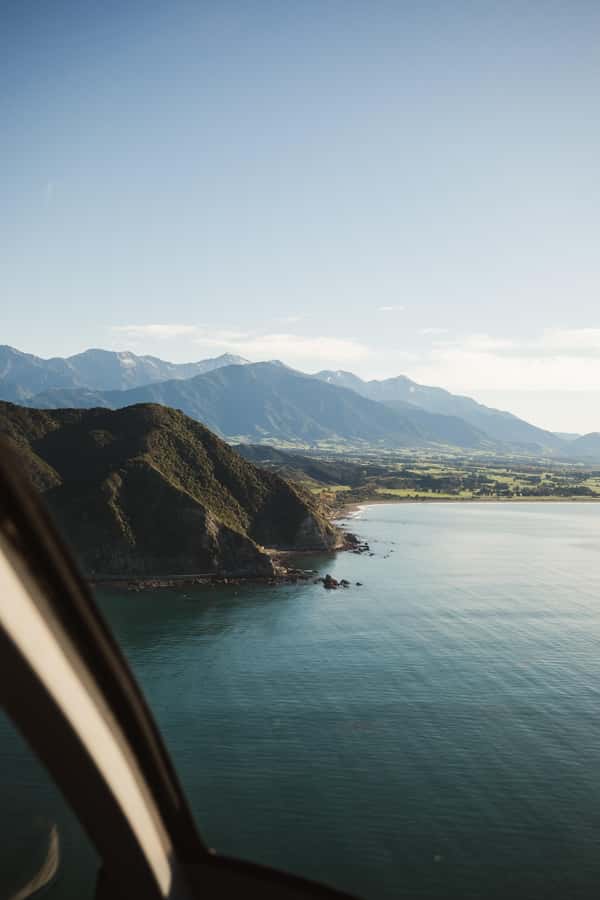
Kaikōura is famous for marine life, but this tour changes the “how” fast. A helicopter lets you scan broad areas quickly, then stop and look with fewer distractions than a boat ride.
I also like that the experience is designed around viewing time. You are not rushing from one tiny lookout to another. Instead, your pilot puts you in position to watch whales, dolphins, and seals while still respecting marine mammal behavior.
The other thing to know is that you are not just watching animals. You are also flying over the physical reasons Kaikōura attracts whales, including the underwater canyon area the guide explains during the flight.
More helicopter flights over Kaikoura:
- Kaikōura: 45-Minute Whale Watching Helicopter Tour
★ 5.0 · 8 reviews - Franz Josef Glacier: Helicopter Flight & Alpine Landing
★ 4.8 · 619 reviews - Franz Josef: 35min Helicopter Trip over Two Glaciers
★ 4.8 · 451 reviews
From Kaikoura Airport up to the Whale Sanctuary and Hikurangi Marine Reserve
Everything starts at Kaikoura Airport Terminal on State Highway 1 in Peketa. Before you lift off, you get a short safety briefing plus extra context from your pilot or guide.
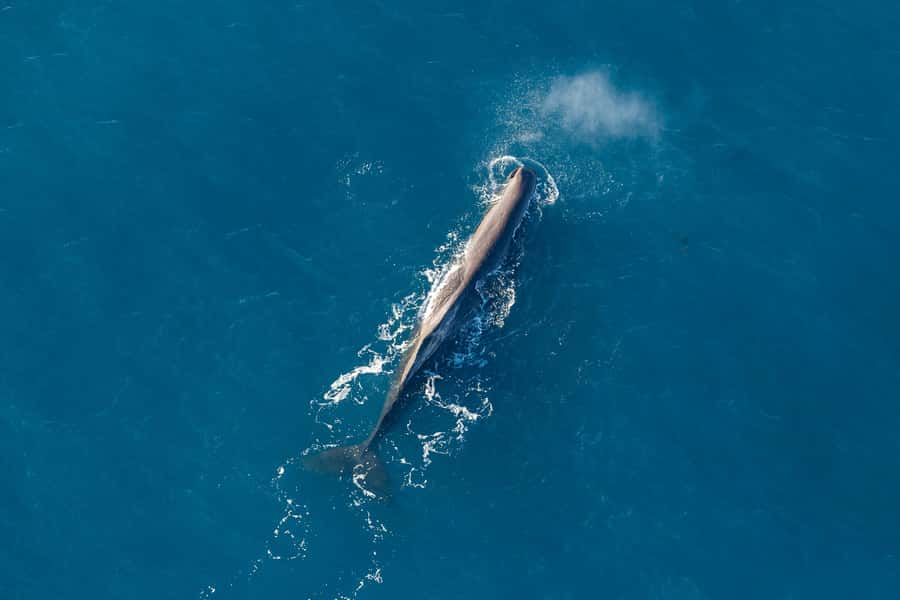
Once in the air, the hunt begins over the Whale Sanctuary and the Hikurangi Marine Reserve. This is where you can spot sperm whales, often with the best chance to see them clearly because you are looking down from the air.
From up high, you often get more than “a whale’s back.” You can track movement and positioning better, then see the whale fully as it surfaces, blows, and moves before diving. That tip-to-tail view is a big reason this feels special.
A smart detail here is the use of headsets. Rotor noise is constant, so the audio support matters. It helps you actually hear the in-flight commentary while you watch.
Dolphin and fur seal spotting along the Kaikoura Peninsula
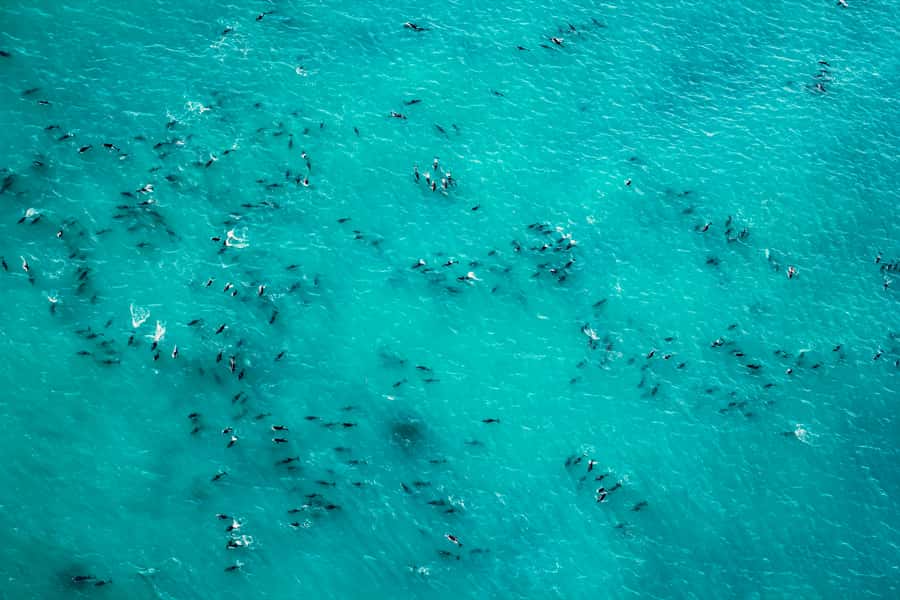
After the whale-focused segment, you shift along the coastline, keeping your eyes open for other marine life. This part is about scanning for dusky dolphins and New Zealand fur seals below the flight path.
The value of this second phase is variety. You get your big-ticket whale moment, then you keep building the picture with fast, playful dolphins and smaller seal activity near the water.
It also helps that your pilot is not working in a vacuum. The experience includes the idea that spotting information is shared across pilots and boat operators, which improves the odds you spend more time watching and less time searching.
Even when you are focused on whales, I find it useful to keep an eye on everything else. Dolphins and seals can show up in different micro-areas, and they often make the coastline feel alive while you are waiting for the whales to surface again.
The Mt Fyffe summit landing at 1,600 meters (and what snow changes)
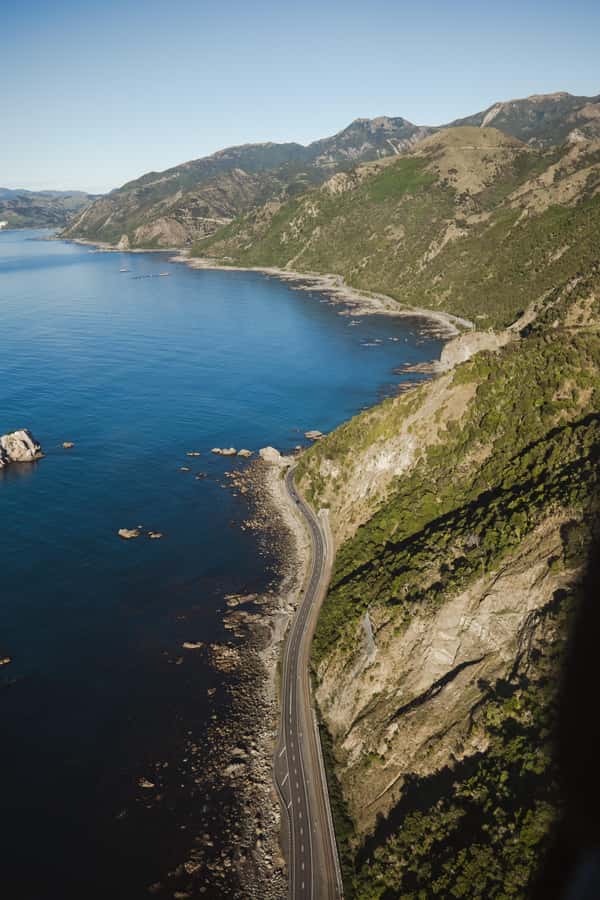
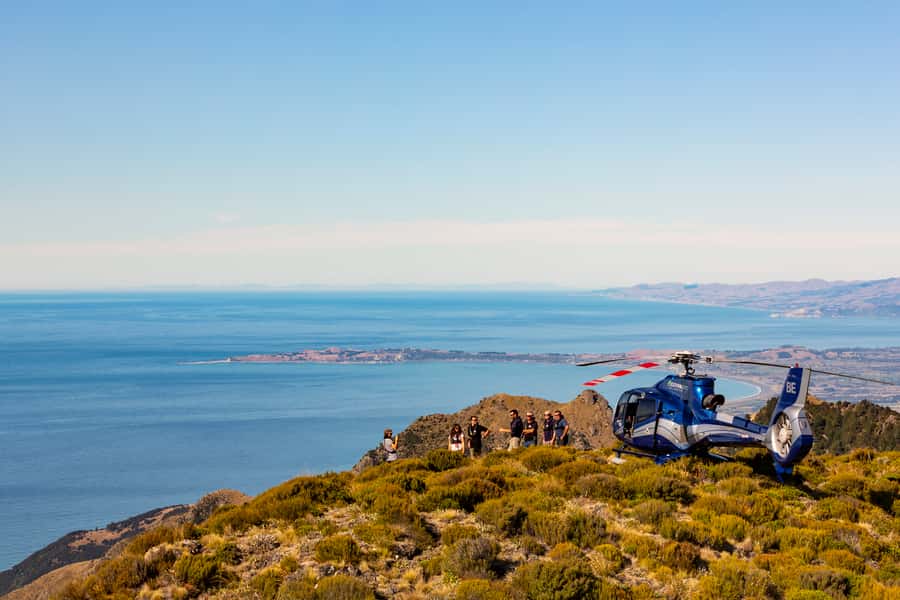
The tour’s last act is the alpine landing in the Seaward Kaikōura Mountain Ranges, with a summit stop at Mt Fyffe (1,600 meters). This is not a quick photo stop from a distance. You actually get out and walk around on rugged terrain.
That walk is where the experience breaks out of the usual “see wildlife, then fly back” pattern. From the summit you get wide, open views over the mountains, the peninsula, and the Pacific Ocean, which makes the whole Kaikōura story feel bigger than just the waterline.
In colder seasons, you might even land in snow, depending on the time of year. If you are coming from sea level temperatures, that weather shift is part of the fun, but bring proper warm layers.
One practical tip: wear comfortable shoes. Even if the landing is short, the ground is described as rugged and pristine, and you will want sure footing.
More whale watching from Kaikoura:
- Kaikoura: Whale Watching Cruise
★ 4.6 · 3,089 reviews - Whale Watching in Kaikoura by Boat
★ 4.5 · 2,906 reviews - Kaikoura: Whale Watching Flight with Commentary
★ 4.6 · 823 reviews - Kaikōura Whale Watching Scenic Flight (40 Minutes)
★ 5.0 · 221 reviews
What the local in-flight guide teaches you while you watch
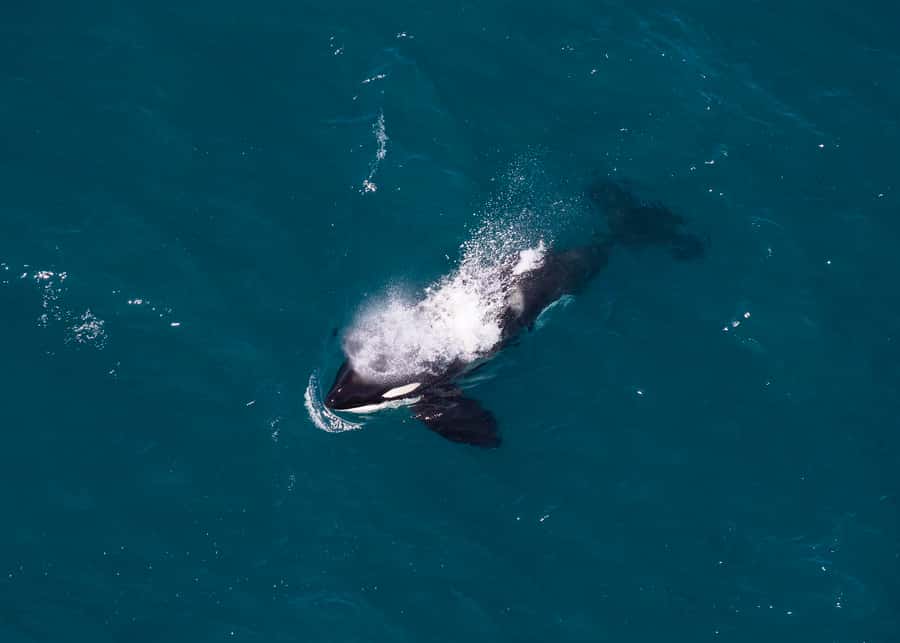
This tour leans on context, and that matters because it changes how you watch. Instead of only pointing at wildlife, the guide explains the year-round presence of sperm whales and the unique underwater environment, including Kaikōura Canyon.
You are also learning what to pay attention to while you are in the air. For example, whales have a rhythm to surfacing and diving, and the commentary helps you interpret what you are seeing rather than guessing.
I also like that the guidance is focused on non-disruption. The tour is carried out in line with New Zealand Department of Conservation marine mammal regulations, so the goal is seeing wildlife without changing natural behavior.
Depending on your pilot, you may hear extra local details about Kaikōura’s land and coast, not just marine life. Past passengers have specifically noted pilots pointing out features connected to the region’s earthquake and landscape changes, like the fault line and nearby terrain impacts, during the flight.
If you care about understanding place as much as wildlife, this is the part that keeps the tour from feeling shallow.
Photo and filming expectations from a moving helicopter
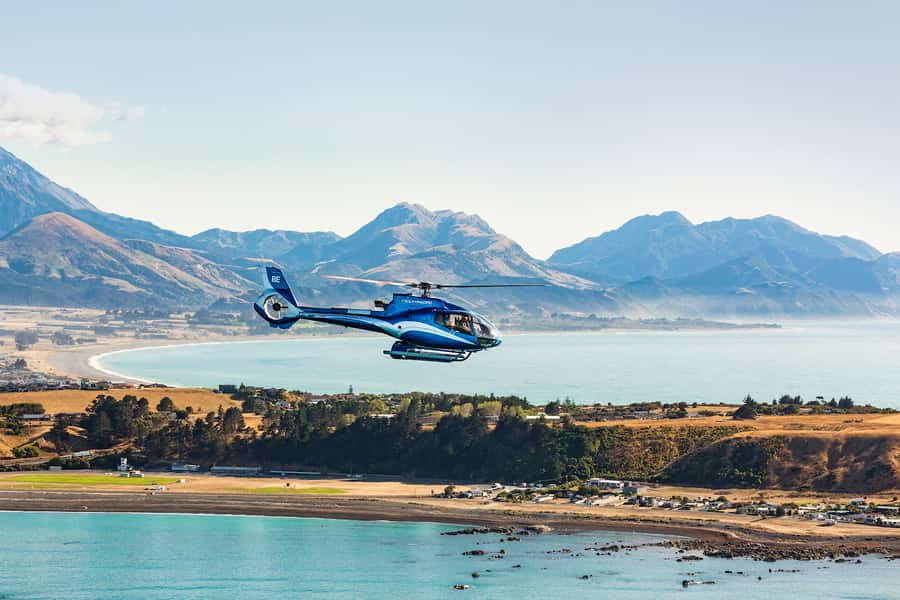
If photography is your thing, set expectations early. You are in a moving aircraft, with moving whales and ocean conditions that can change quickly.
What you can do is think like a field photographer. Bring a camera and plan for quick reactions, not perfect static compositions. Fast shutter speeds and keeping settings ready tend to work better than trying to fuss with menus mid-spot.
You may also find telephoto focusing tricky because everything is moving: the helicopter, the sea, and the animal. That is why high shutter speed and good auto focusing behavior can save shots when the moment happens fast.
Also, remember that some of the best viewing may happen when the whales are surfacing and moving. You are looking for behavior, then you capture frames during the brief windows when the whale is visible.
If you want your photos to be sharp, warm up your hands and fingers before lift-off. It can be cold at altitude and on the mountain, and cold gear handling leads to shaky shots.
Price and value: is $792 per person worth it?
At $792 per person, this is a clear splurge. Helicopters do not come cheap, and you are paying for speed, access, and a second experience layer that you do not get on most whale tours.
Where the value comes from is the mix of:
- A full 1-hour guided flight with live in-flight commentary
- Mountain summit landing with the chance for snow in season
- Limited group size (up to 6 participants), which typically means less time waiting and fewer people competing for attention
- Practical onboard gear like headsets and life jackets
- Real-time flight tracking, so you can follow what is happening
So is it worth it? If you have limited time in Kaikōura and you want the best odds of seeing whales from multiple angles, I think it can be money-smart. If your priority is pure budget sightseeing, there are usually cheaper wildlife options in the area, but they come with tradeoffs in viewing control and flight-style scanning.
My rule of thumb: pay for experiences that give you access you cannot easily replace. Here, the access is aerial whale viewing plus the alpine landing in a single tight window.
Weather, weight checks, and who this tour is really for
This is not a “rain or shine” plan. Flights are subject to favorable weather conditions, and the date and/or time may differ from what you request.
There is also a weight restriction detail you should take seriously. Due to aircraft weight restrictions, all travelers must be weighed at check-in. If you are traveling with a group, build in extra time and keep your check-in paperwork handy.
On the body and comfort side, the tour notes it is not suitable for people prone to seasickness. Even though you are flying, motion can still be enough to bother sensitive passengers.
Age matters too: it is listed as not suitable for children under 8.
Mobility is where you should double check. The info says the tour is wheelchair accessible, but it also lists it as not suitable for people with mobility impairments. If mobility applies to you, contact the operator before booking so you do not get stuck with an uncomfortable situation at check-in.
Finally, the tour is described as small group limited to 6 participants, and that is a key part of the experience quality. Smaller groups usually mean more attention from the pilot and guide, especially during sightings.
Should you book? My practical decision guide
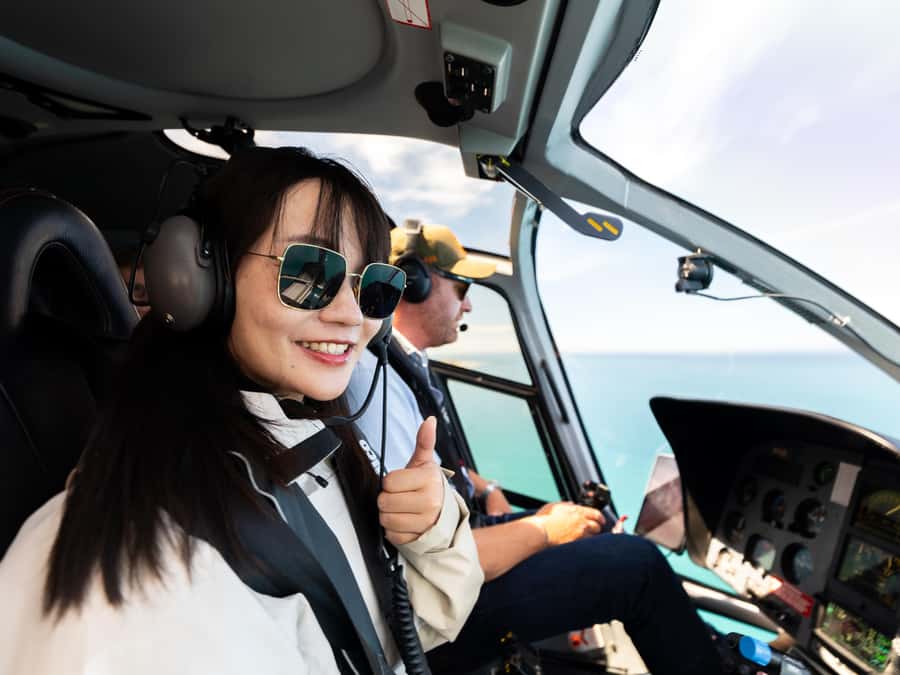
Book this helicopter tour if you want Kaikōura’s marine wildlife with more control over viewing and you also want a real summit stop that turns the trip into a land-and-sea combo.
Skip it or think twice if weather disruption would ruin your schedule, or if you know motion affects you quickly. Also, if $792 per person feels like too much, you might get more satisfaction using that budget for longer stays and other activities, depending on what you want most.
If you do book, come prepared for cold and wind: warm clothing, sunglasses, sun hat, water, and comfortable shoes are the right starting kit. You will spend time both in the air and on rugged ground at altitude.
And pick a pilot-friendly mindset. The best sightings are about patience and attention, not just luck. This tour is built for that, with in-flight guidance that helps you watch with purpose rather than stare at the horizon hoping something happens.
FAQ
How long is the Kaikōura helicopter whale watching tour?
The tour duration is 1 hour, with the experience starting and ending at Kaikōura Airport.
Where is the meeting point?
You meet at the Kaikōura Airport Terminal, 617 State Highway 1, Peketa, Kaikōura.
What wildlife might I see during the flight?
You may spot sperm whales, dusky dolphins, and New Zealand fur seals from above, plus you fly over the Whale Sanctuary and Hikurangi Marine Reserve.
Is the tour suitable for children?
The tour is listed as not suitable for children under 8 years old.
Why do you weigh passengers at check-in?
Due to aircraft weight restrictions, all travelers must be weighed at check-in.
What should I bring for the helicopter flight and summit landing?
Bring comfortable shoes, warm clothing, sunglasses, a sun hat, a camera, and water.
Just added near Kaikoura
- Kaikoura Whale Watching – 45 Minute Ocean Safari★ 5.0 · 39 reviews
- Kaikōura Whale Watching and Scenic Landing – 1hr Premier Tour★ 5.0 · 24 reviews
- Kaikōura Whale Watching – 1hr 20min Ultimate Adventure★ 5.0 · 8 reviews
- Llama Trek (Taster) – Kowhai River Valley and Native Woodland Tour★ 5.0 · 76 reviews
- Sunset Kayak tour in Kaikoura★ 5.0 · 46 reviews
- Private Wildlife Kayaking Tour – Kaikoura★ 5.0 · 44 reviews
- Sunset Evening Kayaking Tour – Kaikoura★ 4.5 · 81 reviews
- Kaikoura Helicopters Top n Tail Whale Watch flight★ 5.0 · 7 reviews
Whale Watching, compared.
Auckland Dolphin and Whale Watching Eco-Safari Cruise
Read our review →
Whale and Dolphin Watching Half-Day Eco Cruise
Read our review →
Tikapa Moana Whales, Dolphins and Islands Cruise
Read our review →
Kaikōura Whale Watching Scenic Flight (40 Minutes)
Read our review →Browse the lists this tour appears in