
REVIEW · WALKING TOURS
Auckland Walking Tour: Small-Group History & Culture Experience
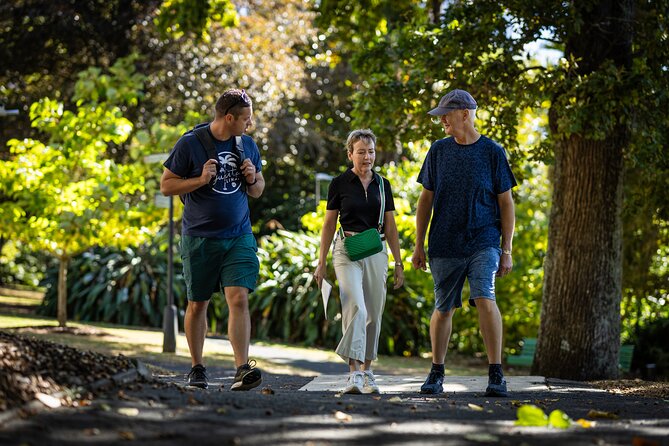
Auckland turns into a storybook on foot. I like the tight small-group feel, and I love how the walk connects volcanic beginnings and Māori legends to real city landmarks like the Viaduct Harbour. You finish along the waterfront with big harbour views, so the whole experience feels like one flowing route instead of random stops.
The one drawback to plan around is pace. Most stops are short (often 5 to 10 minutes), so if you want lots of time for lingering photos or museum-style reading, you may feel slightly rushed during the walk.
In This Review
- Key highlights at a glance
- Why Auckland’s story works best as a walk
- Paula’s small-group approach and the pace you can actually handle
- Albert Park: starting with people, progress, and the open-air feel
- University of Auckland grounds and the Clock Tower moment
- Old Government House: a quick lesson with serious context
- Emily Place Reserve and Lord Freyberg: memorials that humanize the city
- Sky Tower in the distance, Britomart’s public art, and the city’s modern edge
- Auckland Art Gallery and the Women’s Suffrage Memorial, tied into the route
- Queens Wharf: harbour views that make the ending feel earned
- The refreshment break and local food, drink, and shopping tips
- Price and value: what $73.23 really buys you
- Logistics that make it easy to fit into your day
- Who should book this walking tour
- Should you book Auckland Story with Paula?
- FAQ
- How long is the Auckland walking tour?
- What is the group size?
- How much does the tour cost?
- Where does the tour start?
- Where does the tour end?
- Is this tour a mobile-ticket experience?
- What stops and sights are included?
- Is there a break for refreshments?
- Are there admission fees during the tour?
- Can I cancel for a full refund?
- Is the tour near public transportation?
- Are service animals allowed?
Key highlights at a glance
- Max 6 travelers, which keeps questions easy and the vibe calm
- Paula leads the walk, with clear, story-driven explanations and personal local touches
- Landmarks plus backstreets, covering Britomart, Albert Park, University areas, and the waterfront
- Māori legends and city origins, tying together Tāmaki Makaurau’s past in everyday places
- Several stops are free, and Emily Place Reserve has ticket time included
- Refreshment break and local tips, so you leave knowing where to eat, drink, and shop next
Why Auckland’s story works best as a walk
Auckland is the kind of city where history is right under your feet, if you know what to look for. This tour is built for that. You move through key central neighbourhoods on foot, and your guide connects the dots between dramatic origins (volcano stories), important communities, and the city’s modern energy near the water.
I like that you are not stuck only in one theme. You get culture and history, then you get skyline views and waterfront scenes. That balance is a big part of the value, because it helps you understand why Auckland feels the way it does today, not just what happened in the past.
More Walking Tours in Auckland
- Auckland: Flavours of our City Food Walk
★ 5.0 · 371 reviews - Auckland: Flavours of the City Walking Food Tour
★ 4.8 · 202 reviews - Auckland Small-Group Walking Tour with Treats
★ 5.0 · 182 reviews
Paula’s small-group approach and the pace you can actually handle
This is a maximum of 6 people, led by Paula. That matters more than it sounds. With a group this size, you are less likely to get shuffled through like a number, and you can ask follow-ups when something grabs your attention.
From the way the tour is run, you should expect regular regrouping and a realistic tempo. The route is designed around short stops, but also includes breaks when you need them. That combination is why people come away feeling like they saw a lot without getting worn out.
Do expect to be outside for most of the 3 hours. You are walking and stopping in public spaces, so pack for typical city weather. If you are sensitive to cold or rain, bring a layer, just in case.
Albert Park: starting with people, progress, and the open-air feel
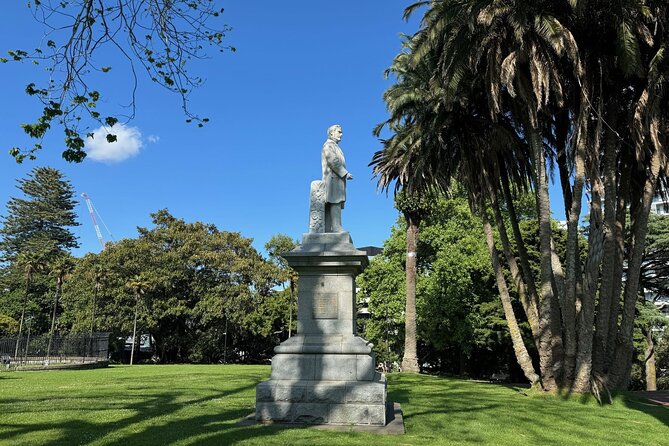
Albert Park is the first real stop and a smart choice to kick things off. It is free to visit, and it sets the tone right away with monuments and open space that are easy to read as you walk.
You’ll also encounter the Women’s Suffrage Memorial in this part of the area. That is a great early moment because it grounds the tour in lived change, not just far-off dates. Instead of treating history like a timeline, you experience it as something Auckland still remembers in stone and public space.
What you should do here as a traveler: keep your camera ready, but also take a few seconds to watch how the space frames the city around it. A park stop like this helps you get oriented before the route turns more urban and waterfront.
University of Auckland grounds and the Clock Tower moment
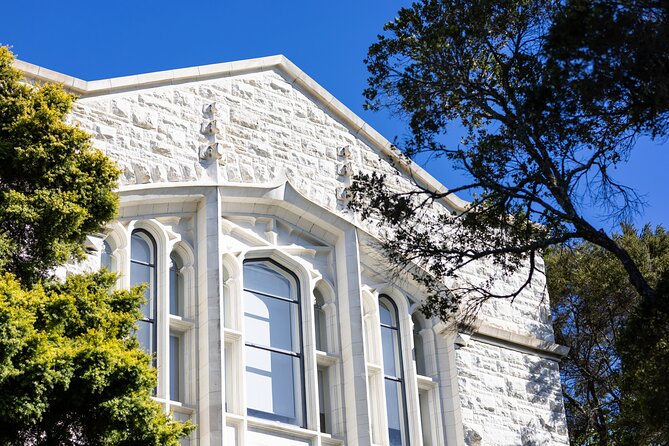
Next up is the University of Auckland area, including a walk-through of the grounds and a look at the Clock Tower. This is another free stop, which is always nice for budgeting. More importantly, it gives the tour a slightly different feel than pure city streets.
A Clock Tower is more than a pretty landmark. It signals how institutions shaped Auckland’s growth, and it adds a slower, more campus-like pause in the middle of a city walk. Even if you are not a campus traveler, you’ll likely appreciate how the setting changes your perspective as you move.
If you like photography, this is one of the easier stretches to plan shots because you can step aside and frame the tower against sky and nearby buildings.
Same island, a completely different day:
- Waiheke Island: Ferry & Hop-On Hop-Off Explorer Bus Tickets
★ 4.6 · 3,311 reviews - Hobbiton & Waitomo Caves Guided Day Trip from Auckland incl lunch
★ 5.0 · 2,677 reviews - From Auckland: Hobbiton & Waitomo Caves Day Trip with Lunch
★ 4.9 · 2,505 reviews - Auckland Dolphin and Whale Watching Eco-Safari Cruise
★ 4.5 · 1,790 reviews
Old Government House: a quick lesson with serious context
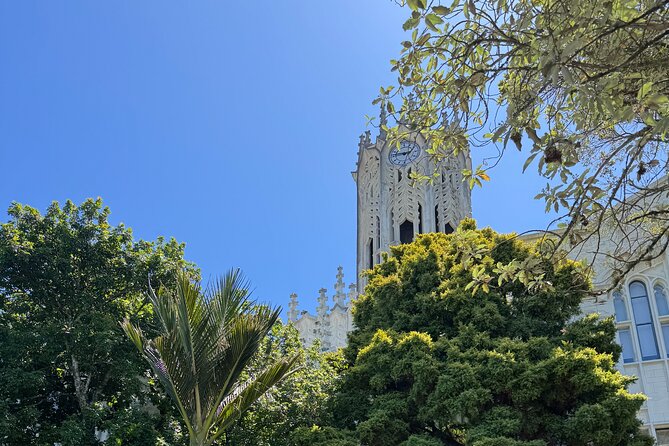
You then get a brief stop at Old Government House. It is short, but it is also an efficient way to point the tour toward political roots and governance themes without turning into a museum visit.
Because the stop is only about 5 minutes, your time is best spent listening first, then taking a quick look. If you want extra reading, you can always follow up after the walk once you know what to search for.
Think of this part like the tour’s compass. It helps you understand why later waterfront and commercial areas matter, since government and power tend to shape where cities build and expand.
Emily Place Reserve and Lord Freyberg: memorials that humanize the city
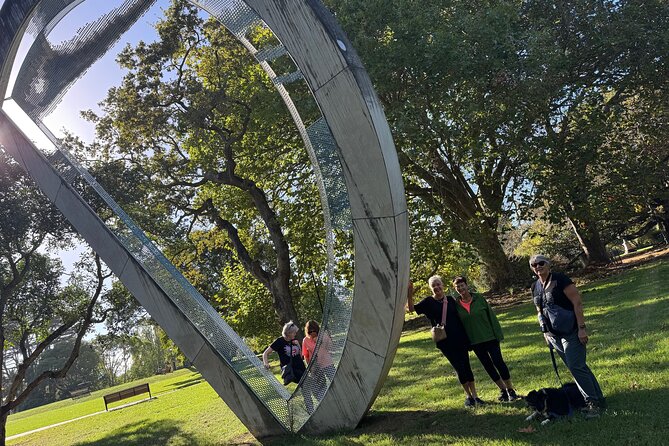
Emily Place Reserve is included with ticket time, so this is one spot where the tour adds a small paid component in exchange for access and guided context. It is also a short stop, so you will want to treat it as a focused moment rather than a long break.
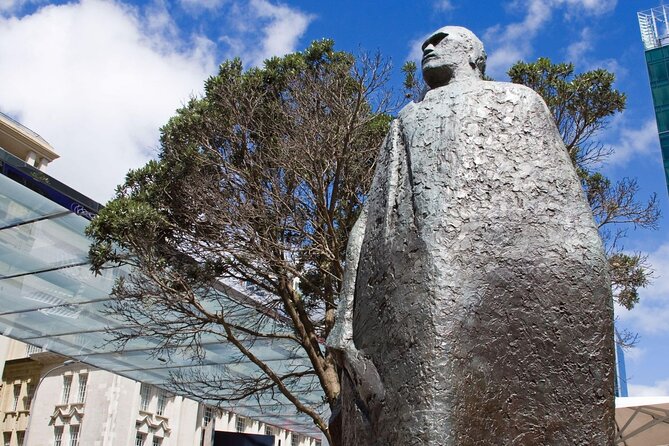
Right after that, you’ll stop for a look at the Lord Freyberg statue. Another short stop, but statues often do a better job than plaques alone at helping you visualize the people a city wants to remember. You get the location, the symbolism, and the story in a walk-friendly format.
This pair of memorial-focused stops is valuable because it shifts the tour from buildings to individuals. You come away with more names and meaning than you would if you were simply sightseeing.
Sky Tower in the distance, Britomart’s public art, and the city’s modern edge
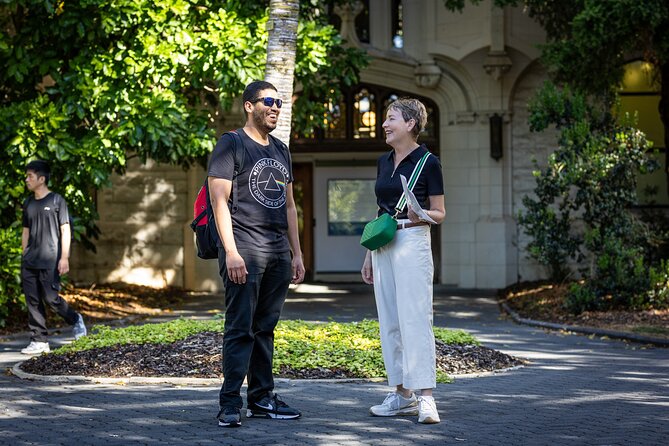
The tour includes seeing the Sky Tower from a short distance. You do not need a ticket for that kind of view, and it works well during a walking route because it gives you a visual anchor. It helps you connect the earlier central-city story to what Auckland looks like now.
Then you head to Britomart, where you’ll spend around 10 minutes with public art displays. This is one of those spots where you get a change of texture. Instead of monumental history, you see how modern Auckland expresses itself in street-level art.
I like Britomart in particular because it feels practical. Even when you are just looking at art, you also notice the motion of the area: transit, people moving, and the feel of a city centre that is still actively used. That keeps the tour grounded instead of purely historical.
If you enjoy street art and design, this is a good time to slow down for a few close-up looks.
Auckland Art Gallery and the Women’s Suffrage Memorial, tied into the route
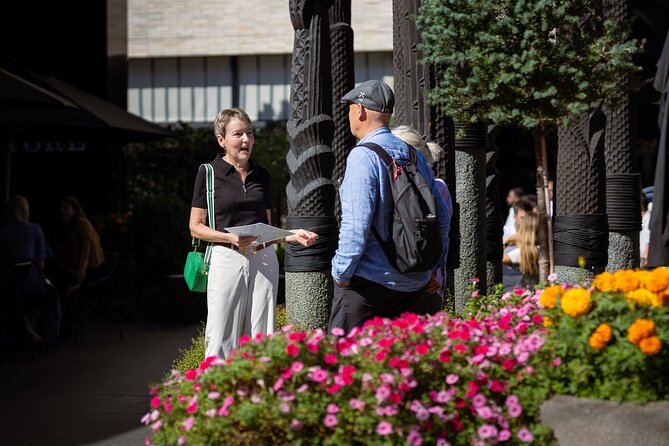
The tour also includes a stop by Auckland Art Gallery and brings in the Women’s Suffrage Memorial as part of the surrounding sights. The benefit here is sequencing. Art and memorials can feel separate when you see them on different days, but in a single walk they start to connect.
Art tells you what people choose to show. Memorials tell you what people choose to remember. When you experience them back-to-back, you get a fuller sense of how Auckland’s identity gets shaped over time.
One practical tip: if you are planning to visit the Art Gallery later for more time, use this guided stop to learn what to look for. That way, your second visit becomes targeted instead of a blur of rooms.
Queens Wharf: harbour views that make the ending feel earned
You finish with views from Queens Wharf, about a 10-minute segment. This is free, and it is the kind of stop that gives your legs a reward.
From here, you get Waitemata Harbour perspective, and the walk’s themes click into place. Earlier you heard about origins and communities. Now you see why waterfront life matters in any port city: the harbour is where movement, trade, and ships connect the wider world to Auckland.
This is also where the tour’s waterfront highlights come through more clearly. The overview specifically calls out the Viaduct Harbour area, the New Zealand Maritime Museum, and even an America’s Cup yacht sightline. Even if you are not going into every building, you are seeing the shapes and locations that define Auckland’s visitor-facing marine identity.
If you want a good photo: stand still for a minute and check light direction. Harbour scenes can look flat if you rush the angle, and the tour’s stopping structure gives you enough time to find a pleasing view.
The refreshment break and local food, drink, and shopping tips
Part of what makes this tour feel more useful than a standard sightseeing walk is the human side. You get a break for refreshments, plus insider tips for the best places to eat, drink, and shop.
I especially value these kinds of recommendations because they are practical. After 3 hours on foot, you are usually hungry, and you want a next step that fits your time, not just a generic list.
If you have dietary needs or want a specific vibe like casual waterfront dining versus quick coffee near your next stop, ask Paula during the break. Small-group formats are good for that.
Price and value: what $73.23 really buys you
At $73.23 per person for about 3 hours, you’re paying mostly for interpretation and route design, not museum entries. That is actually a good deal, because many of the stops are free: Albert Park, University areas, Old Government House, Lord Freyberg statue, Britomart displays, Queens Wharf.
You also get a ticket-included moment at Emily Place Reserve, which offsets part of the cost and signals that the guide is not just walking past everything. You are getting access and context for at least one curated stop.
The best value angle is the small-group cap. With a maximum of 6 travelers, your guide can focus on details you care about, and you get personal pacing rather than a rigid conveyor belt. Add the fact that you end at the waterfront with the kind of view that anchors the whole walk, and the price starts to feel fair for what you get.
If you are comparing against self-guided options, consider this: Auckland’s story can feel scattered if you try to stitch it together alone. A guide saves you time and adds meaning, especially around Māori legends and key events that would be harder to spot without direction.
Logistics that make it easy to fit into your day
You start at Khartoum Place in Auckland Central and end at 143 Quay Street, close to the Hilton Hotel area. That central placement helps if you are staying nearby or moving onward by public transport.
A mobile ticket is used, which means less admin. You also get confirmation at booking time. Service animals are allowed, and the tour is positioned as something most travelers can participate in.
One more practical thought: because the group is capped at 6 and the tour is about 3 hours, plan to book early if your schedule is tight. It is easier to lock in than a last-minute walk where you end up stuck with a larger group or a less structured option.
Who should book this walking tour
This is a great choice if you want a guided Auckland overview that still feels personal. It suits:
- First-time visitors who want a guided sense of place across central Auckland and the waterfront
- Travelers who like history told through real locations, not just dates
- People who enjoy a balanced mix of memorials, public art, and skyline or harbour views
- Anyone who wants local recommendations for what to do next, after the tour ends
It may be less ideal if you prefer slow travel with long stops. Because many segments are brief, you probably will not get lengthy museum time or deep reading pauses during the walk.
Should you book Auckland Story with Paula?
If you want a focused, small-group way to understand Auckland, I think this is a smart booking. The combination of short, varied stops and a strong finish at the harbour makes it easy to feel like you made the most of your time.
I’d book it if:
- You want a guide-led walk that connects volcanic origins, Māori stories, and major landmarks into one route
- You like public art and memorials, and you want someone to explain what you are looking at
- You want practical tips right after the tour so you can eat and explore confidently
Skip it if you already have a tight plan that requires long independent visits to the same places. In that case, you might prefer a self-guided route with more time at each stop.
FAQ
How long is the Auckland walking tour?
The tour lasts about 3 hours.
What is the group size?
The tour has a maximum of 6 travelers.
How much does the tour cost?
It costs $73.23 per person.
Where does the tour start?
The tour starts at Khartoum Place, Auckland Central.
Where does the tour end?
The tour ends at 143 Quay Street, Auckland Central.
Is this tour a mobile-ticket experience?
Yes, you receive a mobile ticket.
What stops and sights are included?
The walk includes stops such as Albert Park, the University of Auckland and its Clock Tower, Old Government House, Emily Place Reserve, Lord Freyberg statue, Britomart, and Queens Wharf. The route also features views near the Sky Tower, plus highlights around the Auckland waterfront area such as the Viaduct Harbour and Maritime Museum.
Is there a break for refreshments?
Yes, the tour includes a break for refreshments.
Are there admission fees during the tour?
Many stops are listed as free. Emily Place Reserve is listed as ticket included. Other stops like Albert Park, the University of Auckland grounds, Old Government House, Lord Freyberg statue, Britomart public art displays, and Queens Wharf are listed as free.
Can I cancel for a full refund?
Yes. You can cancel up to 24 hours in advance for a full refund.
Is the tour near public transportation?
Yes, it is near public transportation.
Are service animals allowed?
Yes, service animals are allowed.
More History Tours in Auckland
- Auckland: All Blacks Experience Guided Cultural Tour
★ 4.7 · 453 reviews - All Blacks Experience: Interactive Guided Cultural Tour
★ 4.5 · 228 reviews - Auckland Historic Bar Tour
★ 5.0 · 54 reviews - Bay of Islands Heritage Experience from Auckland incl. Waitangi & Russell
★ 5.0 · 10 reviews
Just added near Auckland
- Black Abyss: Ultimate Waitomo Caving – Private Tour from Auckland★ 5.0 · 17 reviews
- Bay of Islands Private Tour★ 5.0 · 17 reviews
- Beginner Surf Lesson at Te Arai Beach★ 5.0 · 6 reviews
- 6 Hours Sightseeing Tour in Auckland★ 5.0 · 160 reviews
- Bay of Islands 2-Day Small Group Tour & Cruise from Auckland★ 5.0 · 33 reviews
- Beautiful Nature Tours Auckland – Private Tour★ 5.0 · 10 reviews
- Private Tour: Bay of Islands Day Trip from Auckland★ 4.0 · 6 reviews
- Bay of Islands Explorer Experience Small Group Tour From Auckland★ 5.0 · 8 reviews
Walking Tours, compared.
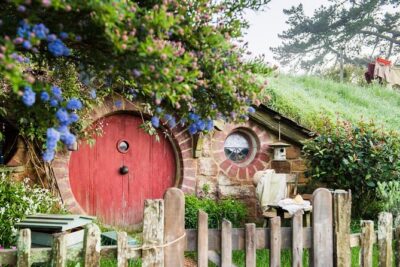
Hobbiton™ Movie Set Walking Tour from Shires Rest
Read our review →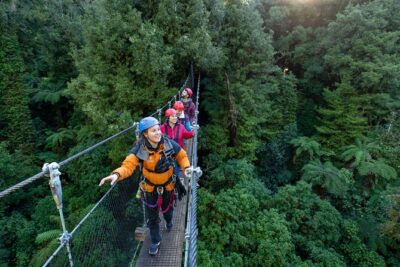
Rotorua’s Ultimate Zipline: 6 ziplines, 400 m Tandem, Cliff Walk
Read our review →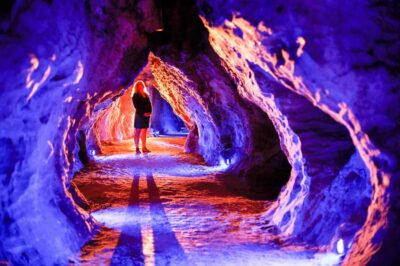
Waitomo Caves: Ruakuri Glowworm Cave Guided Walking Tour
Read our review →
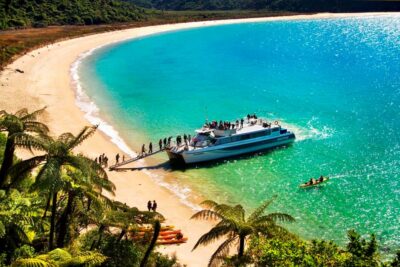
Abel Tasman: Sea Shuttle Cruise and Walking Tour Combo
Read our review →

Browse the lists this tour appears in