
REVIEW · FERRY TRIPS
Auckland: Tiritiri Matangi Island Ferry
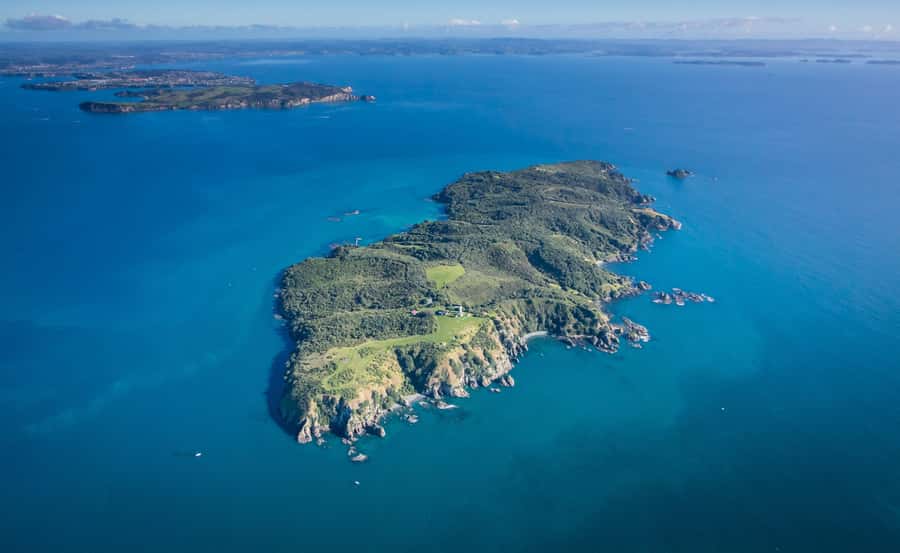
Native birds, minus the pests, close to Auckland. I love how this day trip combines an easy Hauraki Gulf cruise with the real payoff, Tiritiri Matangi’s native bird life. You get guided or self-paced style wandering on the island, plus time to look for endangered species like kōkako, tīeke, takahē, and tuatara.
There’s one catch you should plan for: you cannot count on food on the island, since there are no shops there.
In This Review
- Tiritiri Matangi day trip, quick highlights
- Ferry to Tiritiri Matangi: the Hauraki Gulf part you should not rush
- Getting there without stress
- Landing on a pest-free island: why Tiritiri Matangi feels like another world
- The conservation mission is the real attraction
- The lighthouse walk: New Zealand’s oldest working beacon
- Beaches for a swim or snorkel: quiet sand, simple timing, and the gear you need
- Wildlife you can realistically hope for: kōkako, tīeke, takahē, tuatara
- What sightings feel like on the ground
- How guides help your odds
- Walking tracks, fitness level, and how to choose your route
- Wheelchair note
- What to pack (and what to leave at home)
- Food and drinks: plan for no shops, and treat the ferry as your backup
- Price and value: is $65 a good deal for a half-day to full-day island?
- Who should book this, and who should skip it
- Should you book the Auckland to Tiritiri Matangi ferry?
- FAQ
- How long is the ferry ride to Tiritiri Matangi?
- How long is the total trip?
- Can I swim or snorkel on the island?
- Is there food available on Tiritiri Matangi Island?
- Where do I check in if I depart from Auckland?
- Where do I wait if I depart from Gulf Harbour?
- Are drones, bikes, or feeding animals allowed?
- Is this tour suitable for wheelchair users?
- Can I cancel for a refund or pay later?
Tiritiri Matangi day trip, quick highlights
- Oldest working lighthouse in New Zealand, right on the island
- Pest-free conservation sanctuary, built for native species to recover
- About 80 minutes each way by ferry from Auckland, or about 25 minutes from Gulf Harbour
- Swim and snorkel time on quiet sandy beaches (bring swimwear and a towel)
- Rare species sightings are a genuine possibility, especially kōkako and tīeke
- Guides can make the birding click fast, with stories from people like Vishnu, Tina, Anne, and Malcolm Pullan
Ferry to Tiritiri Matangi: the Hauraki Gulf part you should not rush
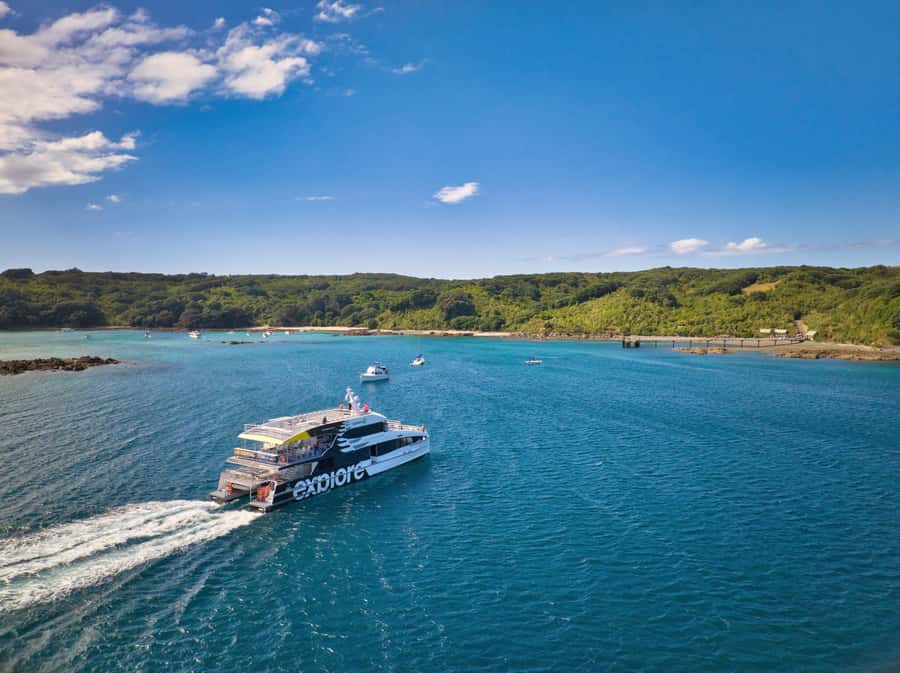
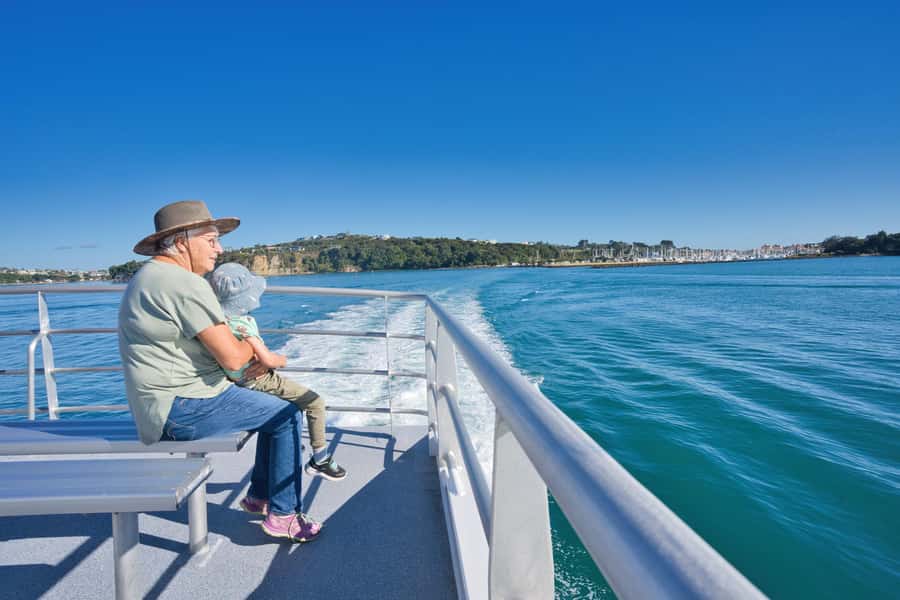
The ferry ride is a big part of the experience, not just a means to an end. From Auckland, you’ll cruise for about 80 minutes through the Hauraki Gulf, with the kind of sea-and-sky pacing that makes you slow down without trying. If you’re starting from Gulf Harbour, the cruise is shorter, about 25 minutes, which can be perfect if you want more time on the walking tracks.
Your schedule depends on the day. On Wednesday to Friday, you depart Auckland at 9:00am, arrive Tiritiri Matangi at 10:20am, and head back at 2:40pm. On Saturday, Sunday, and public holidays, you depart Auckland earlier at 8:30am, arrive at 9:50am, and return at 4:00pm, arriving back in Auckland at 5:20pm. Either way, you get a solid block of island time before the return crossing.
More ferry crossings from Auckland:
- Waiheke Island: Ferry & Hop-On Hop-Off Explorer Bus Tickets
★ 4.6 · 3,311 reviews - Auckland to Rangitoto Island Ferry
★ 4.0 · 109 reviews - Auckland: Man O’ War Vineyard Ferry (Waiheke Island)
★ 4.3 · 10 reviews
Getting there without stress
Plan to arrive at the start point about 30 minutes early. If you’re departing from Auckland, check in at the Explore Booking Kiosk, diagonally opposite the Maritime Museum. If you’re departing from Gulf Harbour, wait at the top of the ramp at the ferry terminal.
A few practical notes I’d follow: wear shoes you can walk in all day, and bring a hat even if the weather looks promising. The ferry can feel cooler and windier than you expect, and you’ll be outdoors on the island for hours.
Landing on a pest-free island: why Tiritiri Matangi feels like another world
Tiritiri Matangi is a conservation island, and it shows in how the place feels. This sanctuary is pest-free, which means native birds and other wildlife can live and breed in safer conditions than you’d find on the mainland. The result is the kind of slow, focused nature experience you come to New Zealand for: bird song, careful walking, and lots of time to watch behavior up close.
The island layout is built for exploration by foot. You’ll have access to walking tracks and free time to choose your routes. Some paths are more direct, others take you toward quieter areas, and you’ll soon notice why people recommend veering off the busiest routes when you can. In particular, you’ll want to keep an eye on signage and be willing to backtrack if you realize you missed a junction. One detail that came up for me is that some sections can feel easy to misread at first, especially if you rush your first minutes on the track system.
The conservation mission is the real attraction
The island matters because it’s not just about seeing birds. It’s about giving threatened native species a fighting chance. Species like kōkako and tīeke (saddleback) can be hard to spot around the Auckland region, and this island sanctuary is one of the places where sightings are most realistic.
That pest-free focus also affects your experience as a visitor. You’ll see signs about keeping the island protected, and you’ll feel the gentle rules that keep the ecosystem stable. No feeding animals, no touching plants, no littering, no drones, no bikes, and no smoking. Those limits aren’t there to spoil your day, they’re there to protect the very animals you came to see.
A few more Auckland trips worth comparing
- Hobbiton & Waitomo Caves Guided Day Trip from Auckland incl lunch
★ 5.0 · 2,677 reviews - From Auckland: Hobbiton & Waitomo Caves Day Trip with Lunch
★ 4.9 · 2,505 reviews - Auckland Dolphin and Whale Watching Eco-Safari Cruise
★ 4.5 · 1,790 reviews - Skydive Auckland
★ 5.0 · 1,516 reviews
The lighthouse walk: New Zealand’s oldest working beacon
One of the standout moments is the oldest working lighthouse in New Zealand, on Tiritiri Matangi. It’s the kind of site that adds texture to an animal-focused trip. You’re not only looking at birds in the canopy or on the ground, you’re also connecting to the long coastal story of ships, navigation, and human presence around the island.
Even if you’re not a lighthouse person, it’s worth building in time for this stop. The lighthouse area tends to be a natural waypoint, and it gives your legs a mental reset before you continue down tracks toward beaches or deeper bush sections.
Beaches for a swim or snorkel: quiet sand, simple timing, and the gear you need
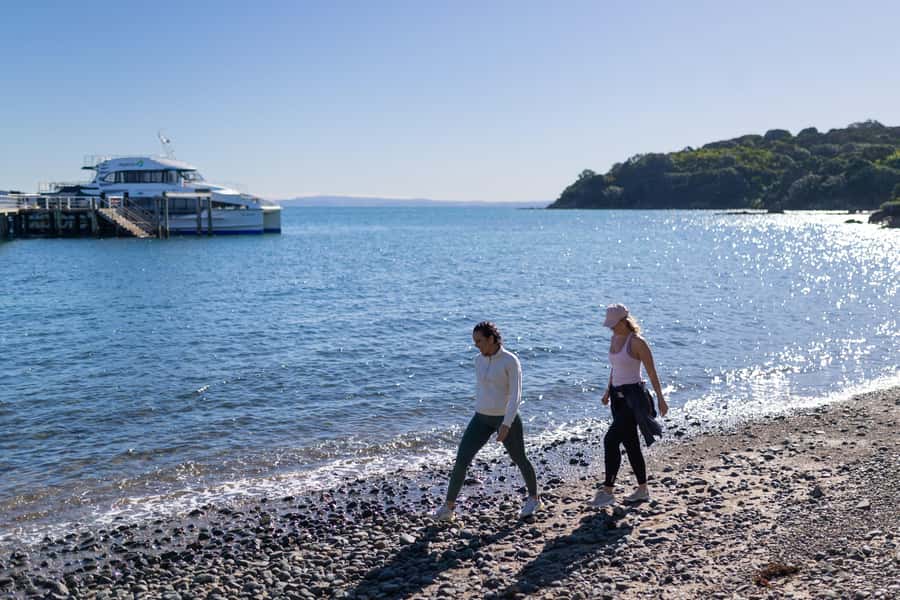
Tiritiri Matangi has quiet sandy beaches, and the day trip gives you time to swim or snorkel. This is a great contrast to bird-focused walking. After a few hours on tracks, it feels nice to slow down and cool off.
Bring swimwear and a towel. That might sound obvious, but it’s the one thing that can turn a great beach window into a missed chance. You’ll also want sunscreen, and I’d keep water handy because island time can run at a pace that sneaks up on you.
One more practical tip: don’t wait until the last moment to head toward the beach. Your schedule moves you back to the ferry at set times, so choose a beach plan early, then work your walking loop around it.
Wildlife you can realistically hope for: kōkako, tīeke, takahē, tuatara
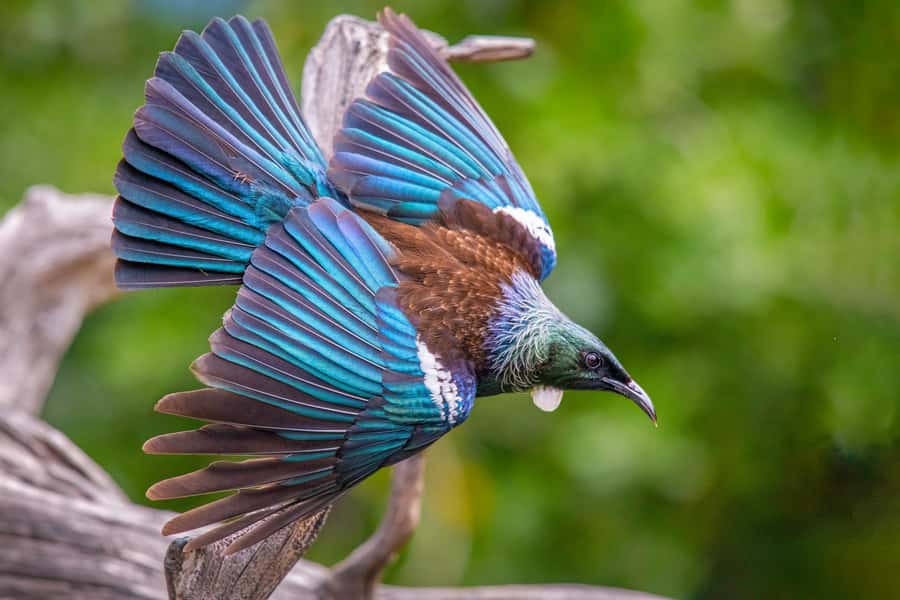
Wildlife sightings are the reason most people care about this trip, and you’ll feel the excitement build once the bird song starts. The island sanctuary supports a range of native and endangered species. The highlights people hope for include kōkako, tīeke (saddleback), tuatara, and takahē.
Here’s the honest part: rare birds can be unpredictable. Even on a good day, you might not see every target species. One visitor did manage a near-complete list but missed takahē, which is a reminder that you should treat sightings as a bonus, not a guarantee. Still, the odds are helped by the island’s pest-free protection and by the fact that the birds are living in a safer environment where they can be active and present.
What sightings feel like on the ground
The best days can feel almost unreal in the way birds carry on as if you’re just another moving piece of the landscape. You might spot tuatara, and that can be a true highlight because it’s not the kind of animal you see on a casual walk elsewhere. You may also hear and see birds around bush edges and track viewpoints.
Some people also mention interesting invertebrates, like punga weta, which adds another layer beyond just birds. If you like wildlife photography, bring your camera and expect that you’ll spend a lot of time looking up and looking close.
How guides help your odds
A big reason this trip gets consistently strong ratings is the guide factor. You might meet guides such as Vishnu, Malcolm Pullan, Tina, or Anne, and their role is practical: they explain what you’re likely to be seeing, where to look, and what to listen for. Multiple visitors also noted that guides kept the group together and made time for extra help when needed.
That matters because birding is easier when you know what you’re looking for. It’s the difference between hearing noise and knowing which species the sound likely belongs to.
Walking tracks, fitness level, and how to choose your route
Tiritiri Matangi is an island where your feet matter. The good news is that you can keep it manageable by picking the right loop and pace. The less good news is that it’s not a gentle stroll for everyone. One visitor mentioned it was tiring even for an active person, and that someone with an injured ankle found it challenging.
I’d plan for moderate walking. Wear comfortable shoes with good grip, and bring a hat. Also expect some stretches to be steeper than you might guess, especially if you accidentally end up on the wrong track junction and need to climb back toward a main route.
If you’re going for the best experience, prioritize these simple rules:
- Start with your first hour to get your bearings, then commit to your loop.
- Follow track signs carefully, especially where routes split.
- Take breaks when you need them. The birds won’t care if you pause.
Wheelchair note
This trip is not suitable for wheelchair users, so if mobility is a concern, you’ll want to consider alternatives.
What to pack (and what to leave at home)
This island is a day trip, but you’ll feel like you’re out for much longer. Pack like it’s a full outdoor session.
You’ll want:
- Comfortable shoes
- Hat
- Swimwear and a towel
- Camera
- Snacks and water
- Sunscreen
You should also remember what’s not allowed: drones, bikes, feeding animals, touching plants, smoking, and littering. Keep your food in a sealed container and bag because there are no shops on the island.
Food and drinks: plan for no shops, and treat the ferry as your backup
One of the most important value points is also the most basic: there are no outlets on the island. That means you should bring lunch, snacks, and water.
There is a bar on the ferry in some cases, and people mention it as a way to grab drinks and snacks during the crossing. But don’t count on purchasing food as your plan A. If you’re the kind of traveler who needs a solid meal to keep going, bring it.
Also, the timing matters. If you want a beach swim, you’ll likely want a lunch window that doesn’t make you rush the track parts. Pick a calm spot, eat, then head out again while the birds are still active.
Price and value: is $65 a good deal for a half-day to full-day island?
The price is listed at $65 per person, and on paper it can sound like a lot for a ferry and walking. In practice, it can be good value if you care about native wildlife and you want it without the hassle of renting a boat or figuring out complicated transport.
Why it feels worth it:
- You’re paying for the ferry transport, and the ride is part of the day, not just transit.
- You get access to island walking tracks, so you’re not just doing a quick look.
- The island experience is tied to conservation, and that pest-free setting is the heart of the day.
Where it might not feel worth it:
- If you’re not into walking tracks or bird watching, the experience payoff drops.
- If you expect on-island restaurants or shops, you’ll end up feeling limited because there are no shops on the island.
For most people who want a genuine Auckland-area nature experience, it tends to click. You can get a rare-species outing and a peaceful coastal cruise in one day.
Who should book this, and who should skip it
Book this if you:
- Want native birds and the chance to see threatened species like kōkako and tuatara
- Like walking on well-kept outdoor tracks and being outside for hours
- Want a nature day that’s easy to reach from central Auckland or Gulf Harbour
- Value conservation stories you can connect to while you’re actually on the island
Consider skipping (or adjusting expectations) if you:
- Need wheelchair access, since it’s not suitable
- Want restaurants on-site, since there are no shops
- Can’t handle some walking, since parts of the island can feel tiring depending on your route and fitness
Should you book the Auckland to Tiritiri Matangi ferry?
I think you should book it if you want a high-impact nature day close to Auckland, with a strong chance of seeing birds and a real conservation mission behind the scenes. The ferry ride gives you a calm start, the tracks give you the freedom to explore, and the lighthouse adds a memorable anchor point.
Just go in with the right mindset: pack your lunch, wear solid shoes, and expect wildlife sightings to be exciting but not guaranteed. If you do that, this trip can feel like one of the most peaceful island experiences you can do without taking a week off work.
FAQ
How long is the ferry ride to Tiritiri Matangi?
From Auckland, the cruise is about 80 minutes each way. From Gulf Harbour, it’s about 25 minutes.
How long is the total trip?
The overall duration is listed as approximately 5 to 9 hours, depending on which departure you use.
Can I swim or snorkel on the island?
Yes. The experience includes time to swim or snorkel at the island beaches. Bring swimwear and a towel.
Is there food available on Tiritiri Matangi Island?
No. There are no shops on the island, so bring your own lunch and snacks. You may also be able to purchase food on the on-board ferry.
Where do I check in if I depart from Auckland?
You check in at the Explore Booking Kiosk, diagonally opposite the Maritime Museum. Arrive 30 minutes before departure.
Where do I wait if I depart from Gulf Harbour?
Wait at the top of the ramp at the Gulf Harbour Ferry Terminal, and arrive about 30 minutes early.
Are drones, bikes, or feeding animals allowed?
No. Drones and bikes are not allowed, and feeding animals is also not allowed.
Is this tour suitable for wheelchair users?
No. It is listed as not suitable for wheelchair users.
Can I cancel for a refund or pay later?
Yes. It offers free cancellation up to 24 hours in advance for a full refund, and you can reserve now and pay later.
Just added near Auckland
- Auckland Airport Private One-Way or Round-Trip Transfer★ 4.5 · 14 reviews
- Kumeu Wine Region Shuttle from Auckland★ 4.5 · 19 reviews
- Auckland’s Wild West Coast & Black Sand Beaches Tour inc Lunch★ 5.0 · 12 reviews
- West Coast Discovery Tour★ 5.0 · 37 reviews
- Vineyards Honey and Black Sand Beaches from Auckland★ 5.0 · 93 reviews
- Wētā Workshop Unleashed – Intro to Scars and Scrapes Workshop★ 5.0 · 5 reviews
- West Coast Discovery Piha Beach Private Tour★ 5.0 · 14 reviews
- West Coast Discovery – Piha Beach or Muriwai Beach from Auckland★ 3.5 · 6 reviews
Ferry Trips, compared.


Browse the lists this tour appears in