
REVIEW · AUCKLAND TOURS
Auckland (Tawharanui): Wild Kiwi Bird Spotting Encounter
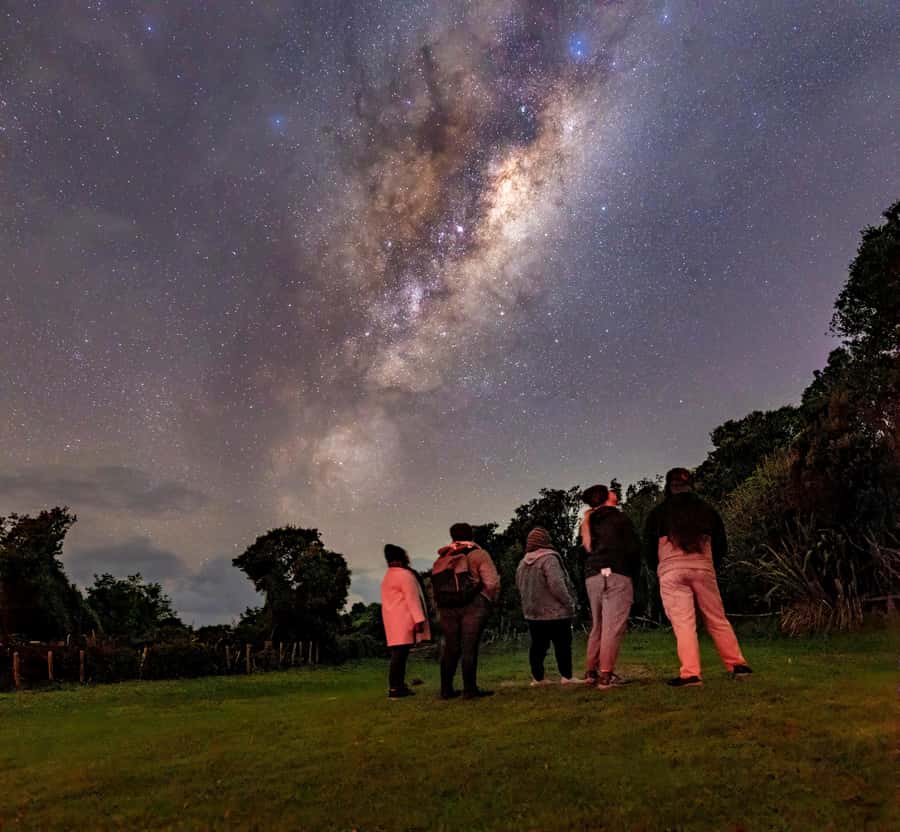
Kiwi spotting after dark is the quietest kind of thrill. In Tawharanui Regional Park near Auckland, you follow signs of the elusive North Island brown kiwi by listening, watching, and moving slowly through native bush and open habitat. It is conservation at work, and it also gives you a front-row seat to an unbelievably dark night sky.
What I like most is the guided search style. You are not just wandering around with a torch. Guides use tracking skills, teach you what to look for, and help your group read the night like it makes sense, even when kiwis refuse to show up on cue. The second big win for me is the stargazing add-on, with planets and constellations above a coastal reserve where light pollution is minimal.
One thing to keep in mind: kiwi spotting takes patience. You may see multiple kiwis, or you might see only a couple, and the pace can feel slow because the birds are doing their own thing. If the sky is cloudy, you may trade stargazing time for more kiwi time.
In This Review
- Key highlights you should care about
- Tawharanui Regional Park, Auckland’s best nighttime classroom
- Meeting near Takatu Road: keep your expectations calm
- The guided kiwi walk: listening is half the skill
- What you can realistically expect to see
- Gear that makes a difference: headlamps, torches, and thermal help
- Stargazing over a dark-sky coast: stars, planets, and Māori stories
- If clouds roll in, the night still works
- Bioluminescence along the shoreline: a lucky extra, not a promise
- The drive, the walk, and why pacing matters
- Overnight glamping: what changes when the night continues
- Price and value: what $89 buys you in the real world
- Who should book this kiwi night, and who might skip it
- Should you book Wild Kiwi Bird Spotting Encounter in Tawharanui?
- FAQ
- How long is the Wild Kiwi Bird Spotting Encounter?
- Where do I meet for the tour?
- What is the price per person?
- Does the tour include stargazing equipment?
- Will I definitely see kiwis?
- Is stargazing always included?
- What should I bring?
- Are the guides English-speaking?
- Is transport from Auckland included?
- What if I choose the overnight option?
Key highlights you should care about
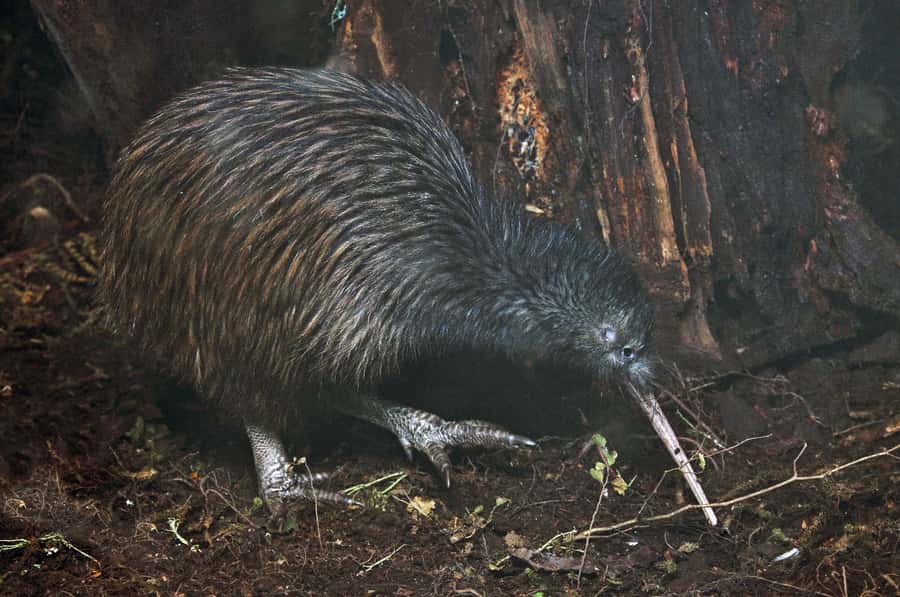
- Expert kiwi tracking, not random hunting: you learn how to listen for calls and spot movement and signs
- A dark-sky coastal setting: Tawharanui has low light pollution, so stars and planets show well
- Top-notch guide energy: names that come up again and again include Chris, Legend, Lucas, Sean, Ryan, and Millie
- You get the right gear: headlamps or torches are provided, and some nights include thermal support
- Flexible night priorities: if weather shifts, the plan can bend toward kiwi time
- Bioluminescence might happen: it is never guaranteed, but when conditions line up it can be stunning
Tawharanui Regional Park, Auckland’s best nighttime classroom
Tāwharanui Regional Park is close enough to Auckland for a practical outing, but far enough into nature that the night feels real. That mix matters. It is not a drive to the middle of nowhere, and it is not a city park lit up for convenience either. It is a protected ecosystem managed for native wildlife, forest recovery, and that rare dark-sky coastline.
The kiwi part is the headline, but the setting is what makes the experience click. You are surrounded by conservation work and taught to pay attention to details most people miss. And then, when darkness settles fully, you get the bonus that Tawharanui is famous for low light pollution, so the sky becomes the second star of the show.
If you love wildlife, you will appreciate the tone: quiet, respectful, and focused on seeing without harassing. That is exactly what you want when your target bird is nocturnal, flightless, and hard to track.
A few more Auckland trips worth comparing
- Waiheke Island: Ferry & Hop-On Hop-Off Explorer Bus Tickets
★ 4.6 · 3,311 reviews - Hobbiton & Waitomo Caves Guided Day Trip from Auckland incl lunch
★ 5.0 · 2,677 reviews - From Auckland: Hobbiton & Waitomo Caves Day Trip with Lunch
★ 4.9 · 2,505 reviews
Meeting near Takatu Road: keep your expectations calm
Your night starts at the end of Takatu Road, near the public bathrooms in Tawharanui. It is a simple start point, and it helps you get into the right headspace fast. Expect a relaxed pre-walk briefing where your guide sets the tone: safety, park basics, and what you might encounter.
This is also where you learn the key truth about kiwi spotting, that it is a long game. In the best tours, your guide does not rush the group. That slow approach is why people end up seeing multiple kiwis on some nights, and why even a tough night still feels like you learned something.
One practical detail: everyone should be ready for cold. Even in the Auckland region, night air in a coastal reserve can feel sharp, and the walk is at night when your body is not generating heat the way it would during daytime hiking.
The guided kiwi walk: listening is half the skill
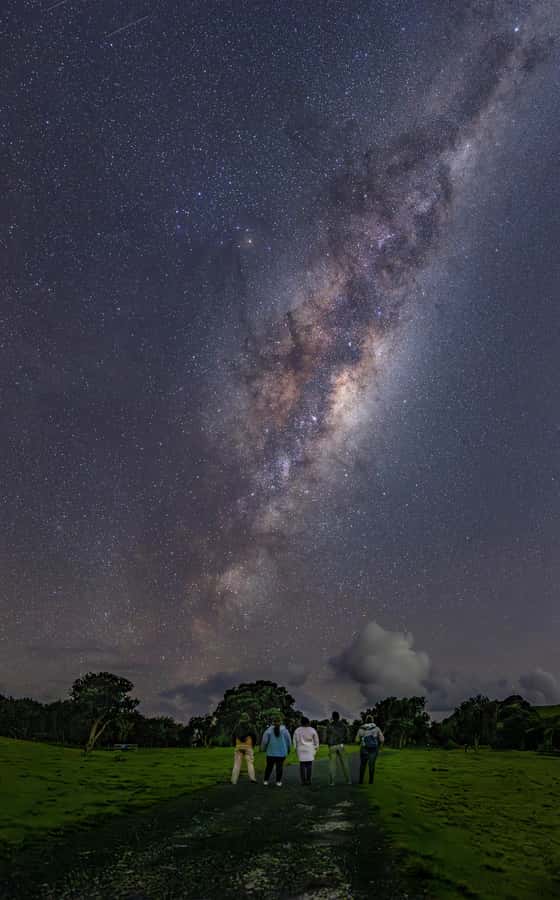
Once dusk turns to night, you head out with your guide and the group. The walking style is deliberate, with frequent pauses. That is not just for the birds. It also helps you notice the smallest movement, and it gives your ears time to catch up.
Your guide will coach you on kiwi behavior and habitat needs, and you will learn how to interpret the signs. The guides also teach you what calls sound like and how to connect that sound to what might be happening nearby. If you have ever tried to find kiwi on your own, you already know how frustrating that can be. This tour turns that frustration into a method.
From the experience notes, the most common theme is patient searching. Guides like Legend, Chris, and Lucas show up as standout names in terms of how they keep things light while still being serious about respect and technique. When a kiwi does move closer, the moment can feel fast, but it is built on the careful groundwork from earlier in the walk.
What you can realistically expect to see
Sightings vary by night. Some people see many kiwis, others see fewer. The good news is that even when the number is smaller, the chance to see kiwi in their natural habitat is the whole point. What you are buying is time in the right place with the right people who know how to maximize your odds without stressing wildlife.
Same island, a completely different day:
- Auckland Dolphin and Whale Watching Eco-Safari Cruise
★ 4.5 · 1,790 reviews - Skydive Auckland
★ 5.0 · 1,516 reviews - Auckland: Hobbiton Movie Set Day Trip with Festive Lunch
★ 4.8 · 1,431 reviews - Hobbiton Movie Set Small Group Tour from Auckland
★ 5.0 · 1,380 reviews
Gear that makes a difference: headlamps, torches, and thermal help
This is not a bare-bones wander. You get stargazing and kiwi-spotting equipment, and the tour description is clear that there is gear involved. In real-world nights, people report headlamps or torches being provided, plus one thermal apparatus for extra detection support on some outings.
This matters because it affects your viewing experience. A good kiwi guide does not blast lights into bushes. They manage light to protect both the birds and your night vision. When you get to see a kiwi well, it is usually because your guide timed the approach right, and because the group was patient enough to wait for the bird to do something visible.
You will also move at a pace that lets your eyes and ears work together. That is how you go from seeing nothing to seeing a bird walking, calling, or pausing in the open.
Stargazing over a dark-sky coast: stars, planets, and Māori stories
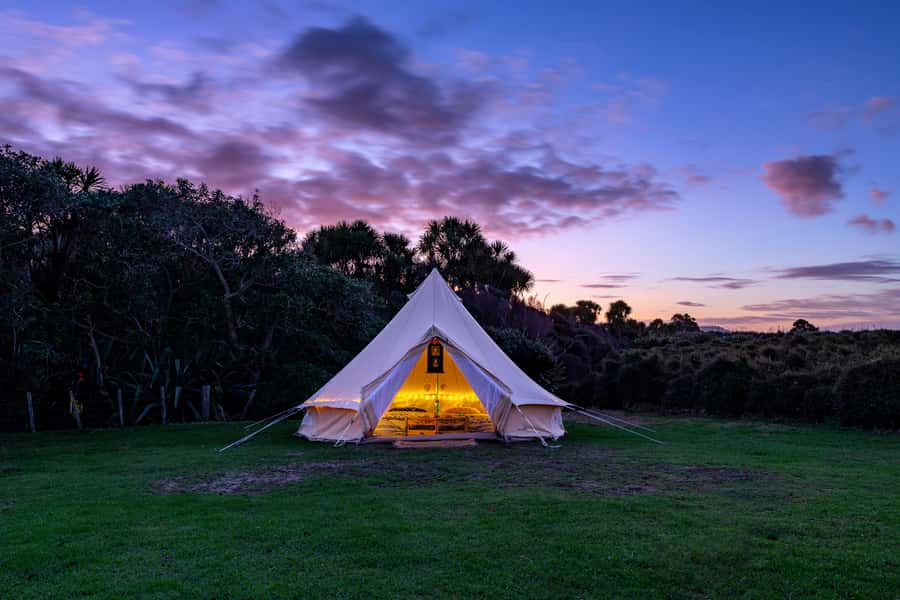
When full darkness arrives and the plan includes stargazing, Tawharanui really earns its reputation. People talk about dense star fields and visible planets, with guides pointing out constellations in a way that connects science and Southern Hemisphere sky features.
What I like here is that stargazing is not treated like a quick add-on. Your guide explains what you are seeing, and some tours include telescope time. In a few experiences, people even mention using the telescope to see details like the moon’s craters, and binoculars help when the sky is busy with stars.
You will also hear Māori cultural stories tied to the stars and folklore. That is one of the ways the night feels uniquely New Zealand, not just a generic star show.
If clouds roll in, the night still works
Weather can change what you notice. One night might deliver clear views, and another might push the group toward kiwi time. If it is cloudy, you can still have a great evening because the kiwi search stays the priority.
Bioluminescence along the shoreline: a lucky extra, not a promise
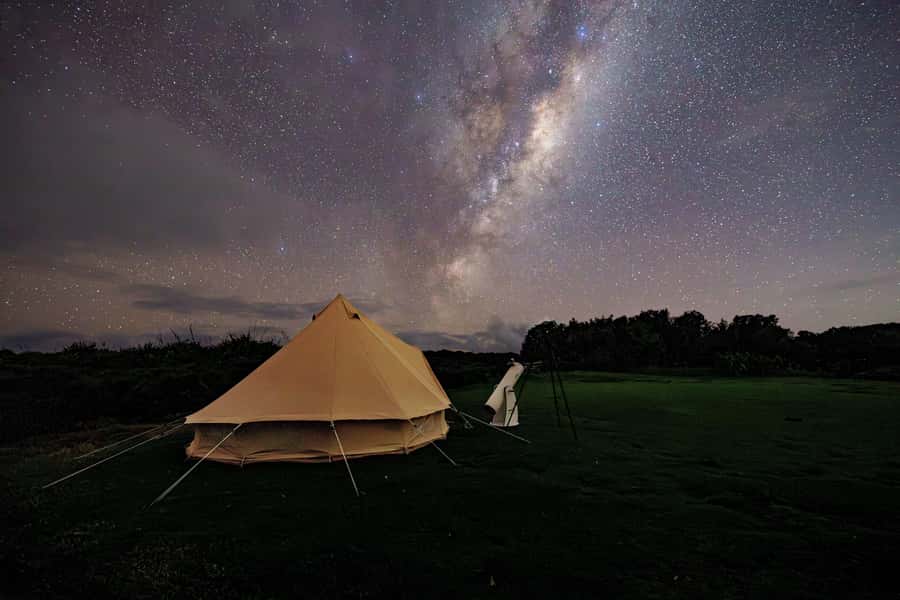
Some nights add another layer: bioluminescence along the shoreline or in shallow water. When conditions are right, gentle movement in sand or water can trigger a soft electric-blue glow.
That said, it is never guaranteed, and you should treat it as a bonus if it happens. The main value still comes from kiwi spotting and the dark-sky experience, so you do not need to plan your emotional day around glowing water.
If you do get it, though, you will understand why guides mention it. It turns the shoreline into part of the living ecosystem you are studying all evening.
The drive, the walk, and why pacing matters
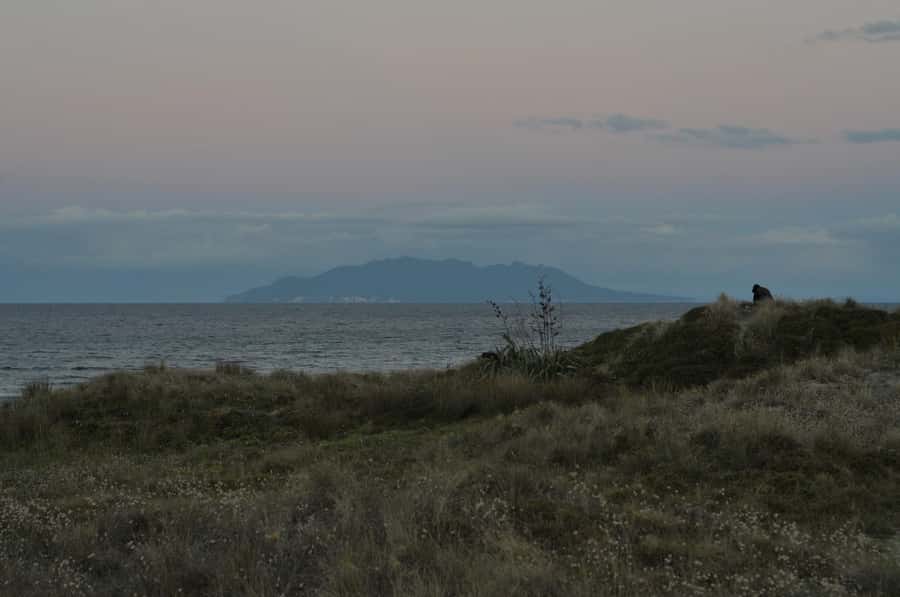
Part of this experience is the route from Auckland toward Tawharanui and the timing that gets you to the reserve at the right point in the night. The whole evening is built around changing light and bird activity, which is why the schedule feels purposeful even though you are outside most of the time.
In practical terms, you should pack for time outdoors, not just time walking. Coastal dark hours can get cold quickly, and you will be standing still at moments while listening and scanning. Comfort starts with shoes and warm layers, and it continues with water since you are out for around two hours as the core experience.
If you add transport from Auckland at checkout, some people report smoother logistics, including a late return when the night runs long. That is useful if you do not want to rent a car, but it also means you should plan your next day with rest in mind.
Overnight glamping: what changes when the night continues

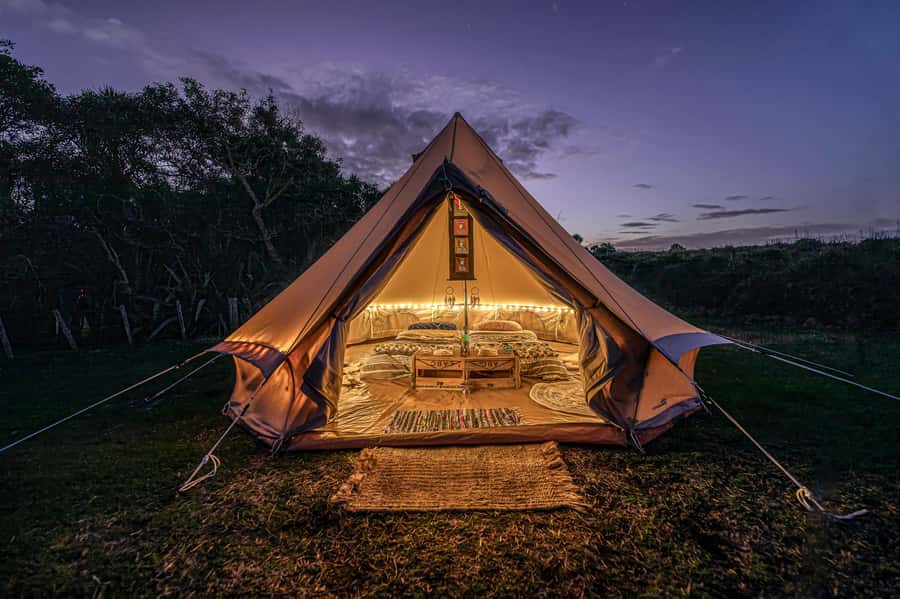
Some options include an overnight stay, with glamping if you select it. This is ideal if you want to trade the one-and-done evening for a longer, slower immersion in the reserve’s nighttime rhythm.
In experiences where people chose the overnight, the setup was handled ahead of time, and tents were described as well equipped with blankets and foam mattresses, plus small snacks and other essentials. That means you are not just ending up at a camping spot. You are getting a comfortable base after the night walk, so you can actually rest.
Also, the extra time helps you experience the place at more than one moment. You are already learning how to read the night. An overnight option gives you more chances to appreciate the reserve as a whole, not only in the first hour after arrival.
Price and value: what $89 buys you in the real world
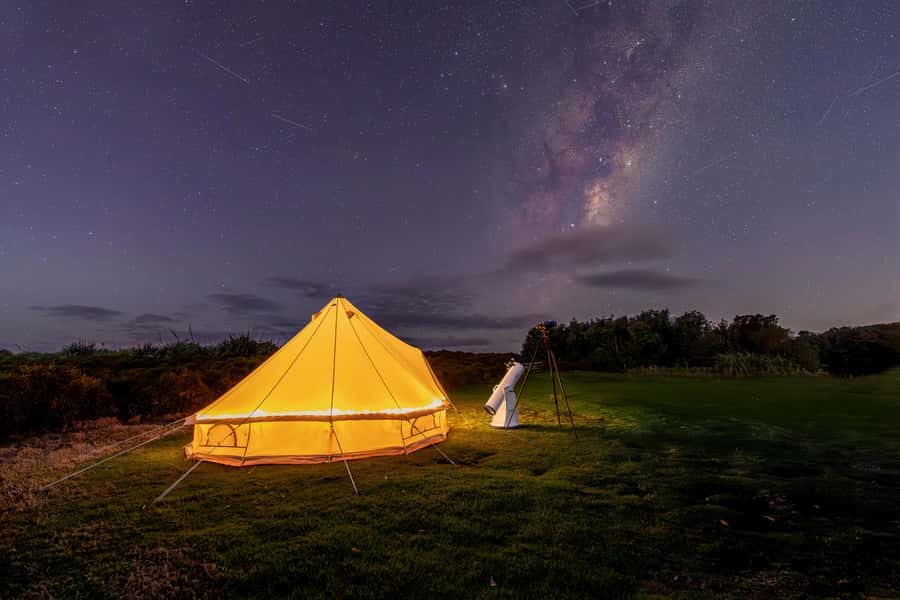
At $89 per person for a two-hour experience, you are paying for three things that are hard to DIY.
First, you are paying for expert guiding and tracking. Kiwi spotting is slow and unpredictable. The value is in increasing your odds through skill, not in promising a guaranteed sighting.
Second, you are paying for the location and the dark-sky setting. Tawharanui is not just “somewhere with kiwi.” It is a managed conservation sanctuary with low light pollution, so your stargazing has a real chance to be good.
Third, you are paying for equipment and a structured evening. Headlamps or torches, stargazing equipment, and on some nights thermal support mean you are not stuck improvising.
If you want the best value for the money, go in with flexible expectations. Aim for learning and atmosphere as much as for photos. That mindset is what turns a search into a story.
Who should book this kiwi night, and who might skip it
I think this is a strong fit if you:
- Want a wildlife experience that is respectful and guided, not random wandering
- Enjoy nighttime nature, stargazing, and learning how ecosystems work
- Travel with kids, because the guides seem to make the learning fun and the chance to see kiwi can be a big emotional win
I would hesitate if you:
- Need a guaranteed animal sighting. Kiwi nights do not run like theme parks.
- Get cold easily and cannot handle standing still outdoors at night.
- Are expecting a heavy stargazing focus every single minute, since cloud cover can shift the balance toward kiwi spotting.
A small-group or private style can also work well if you want more personal attention while your guide teaches tracking techniques and manages the group quietly.
Should you book Wild Kiwi Bird Spotting Encounter in Tawharanui?
If your travel wish list includes seeing North Island brown kiwi in the wild, this is the kind of tour that makes sense. The guides, from Chris and Millie to Legend, Lucas, Sean, Ryan, and others, show up repeatedly in accounts for a reason: they know how to run a patient night, keep people engaged, and help you understand what is happening even when the birds take their time.
Book it if you can handle uncertainty with a good attitude, dress warmly, and treat the night sky as part of the reward. Skip it only if you need guaranteed sightings or you strongly dislike cold, quiet waiting outdoors.
For most Auckland-area visitors, this is one of the best ways to get real New Zealand night nature in a short, well-led outing.
FAQ
How long is the Wild Kiwi Bird Spotting Encounter?
The experience is listed as 2 hours.
Where do I meet for the tour?
Meet near the public bathrooms at the end of Takatu Rd, in Tāwharanui Regional Park.
What is the price per person?
The price is listed at $89 per person.
Does the tour include stargazing equipment?
Yes. Stargazing and kiwi-spotting equipment is included.
Will I definitely see kiwis?
No. Kiwi spotting depends on wildlife activity and the pace is intentionally slow. The tour teaches tracking, but sightings are not guaranteed.
Is stargazing always included?
Stargazing is part of the experience when conditions allow. If it is cloudy, the evening may focus more on kiwi spotting.
What should I bring?
Bring comfortable shoes, warm clothing, and water.
Are the guides English-speaking?
Yes, the live tour guide is listed as English.
Is transport from Auckland included?
Transport is not included by default, but it can be added at checkout.
What if I choose the overnight option?
A glamping stay is included if you select it. The information also notes there may be an overnight stay option as part of the experience.
If you want, tell me your travel dates (and whether you are doing one night or glamping), and I can help you plan what time to aim for and how to dress for the cold Auckland-coast nights.
Just added near Auckland
- The Inside Loop: See Auckland’s Coolest Neighbourhoods★ 4.9 · 25 reviews
- The Boutique Experience: Waiheke Island Best Cellar Tour★ 4.9 · 97 reviews
- Waiheke Island: Sip and Savor 3 Vineyards Tour with Lunch★ 4.9 · 110 reviews
- See Auckland’s Secret Glow Worms★ 5.0 · 7 reviews
- Rotorua to Auckland – Afternoon Transfer with Waitomo Caves★ 4.9 · 6 reviews
- Rotorua & Taupo DayTour Waiotapu & Huka Falls from Auckland★ 5.0 · 20 reviews
- From Auckland: Day Trip to Rotorua with Optional extras★ 4.8 · 4 reviews
- Private Hobbiton & BlueSprings & Redwood forest fromAuckland★ 5.0 · 7 reviews
Auckland Tours, compared.
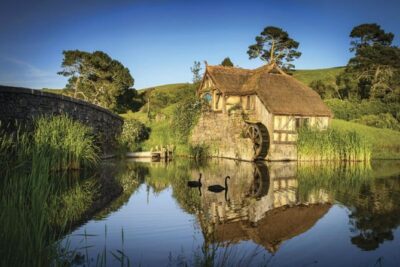
Hobbiton & Waitomo Caves Guided Day Trip from Auckland incl lunch
Read our review →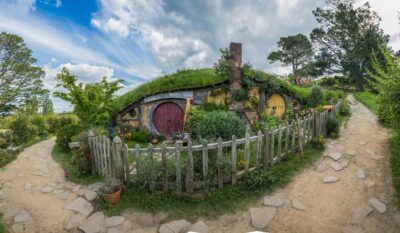
Hobbiton & Waitomo Caves Day Trip with Lunch
Read our review →
Auckland Dolphin and Whale Watching Eco-Safari Cruise
Read our review →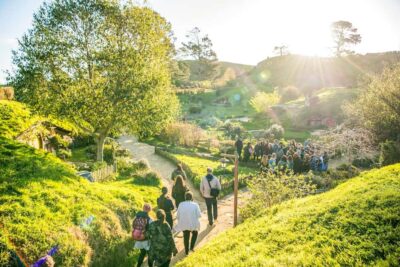
Hobbiton Movie Set Day Trip with Festive Lunch
Read our review →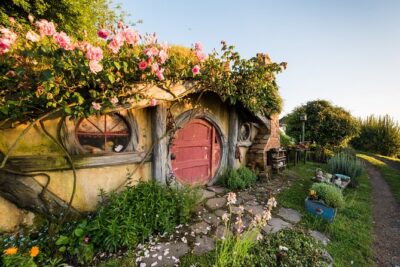
Hobbiton Movie Set Small Group Tour from Auckland
Read our review →
Auckland Explorer: Sightseeing Hop-on Hop-off Tour
Read our review →
Hobbiton & Waitomo Caves Small-Group Tour W Lunch from Auckland
Read our review →
Half-day Discover Auckland City Sightseeing Tour
Read our review →Browse the lists this tour appears in