
REVIEW · HISTORICAL TOURS
Waiheke Island History and Heritage Tour
A day on Waiheke can turn into a living history lesson fast, if you do it with the right guide. I love how this tour keeps the focus on Māori perspectives of place, not just scenic stops, and I also like the hands-on walk through native bush with real cultural context. The one thing to consider is that lunch and any tastings are extra, and the ferry is not included in the tour price.
You meet the group at the wharf area in Oneroa, then you spend the day moving at a comfortable pace with a local who explains what you’re seeing and why it matters. With a maximum of 12 travelers, you get more Q and A than the big-bus style tours. If you prefer a strict timetable with zero flexibility, this one may feel a bit more guided by conversation and interests.
In This Review
- Key Things That Make This Waiheke Tour Worth Your Time
- Why This Tour Feels Different Than a Standard Waiheke Day
- Starting in Oneroa, Then Getting Your Bearings Fast
- The Māori Heritage Focus: Carving, Tattooing, and Language Revitalization
- Beaches and Sea Views, With Stories Attached
- Walking Through Native Bush and Plant Knowledge You Can Use
- Pa Sites: Kumara Pits, Shell Middens, and Defensive Terraces
- Lunch at a Local Cafe, Plus What to Budget
- Wine and Olive Oil Tastings: Great Extras, Not Part of the Core Price
- Practical Costs and Timing: What You Actually Pay For
- Group Size, Guide Style, and How to Get the Most Out of the Day
- Who Should Book This Waiheke History and Heritage Tour
- Should You Book It? My Take
- FAQ
- What is the tour price, and what does it include?
- How long is the Waiheke Island History and Heritage Tour?
- Do I need to buy ferry tickets to get to Waiheke Island?
- Is lunch included in the tour price?
- Where is the meeting point, and where does the tour end?
- What time does the tour start?
- How big is the group?
- Is the tour suitable for most people, and are service animals allowed?
- What is the cancellation policy?
Key Things That Make This Waiheke Tour Worth Your Time
- Māori-led interpretation of land and stories focused on carving, tattooing, language revitalization, and colonization impacts
- Native bush walk with explanations of traditional and medicinal uses of plants
- Pa-site walk to see archaeological remains like kumara pits, shell middens, and defensive terraces
- Small group size capped at 12 travelers, which helps the day feel personal
- Bird-spotting opportunities for tui, kereru, and piwakawaka while you’re on the trail
- Optional add-ons like wine and olive oil tastings, which you can arrange but pay for separately
Why This Tour Feels Different Than a Standard Waiheke Day
Waiheke is famous for beaches and wine, yes, but this day is built to answer a deeper question: how do you understand a place through the eyes of the people who have lived with it for generations? The tour’s value is that it doesn’t treat Māori heritage as a quick history stop. It ties stories to specific spots on the island, so the landscape makes more sense as you move.
Two parts really hook me. First, the focus on Māori carving and traditional tattooing, and what those practices mean beyond art. Second, the walk through native bush where you hear about traditional and medicinal uses of native plants. It’s the kind of information that makes you notice details you’d usually miss.
The main drawback is simple: you’re paying for more than transportation and viewpoints. That’s great if you want the stories. If you mainly want selfies and beach time, you may feel the day is more learning than lounging.
More history tours in Waiheke Island:
- Waiheke Island: Maori Cultural Tour + Lunch + Wine
★ 4.1 · 8 reviews - Auckland: All Blacks Experience Guided Cultural Tour
★ 4.7 · 453 reviews - All Blacks Experience: Interactive Guided Cultural Tour
★ 4.5 · 228 reviews
Starting in Oneroa, Then Getting Your Bearings Fast
You start at the Fullers360 Matiatia ticket office area in Oneroa (1 Ocean View Road, Auckland 1081). The start time is 9:45 am, so you get going early enough to enjoy the morning light and still catch the usual return ferry.
The first phase is an orientation around Waiheke, and it matters because you learn how the island’s coastlines relate to each other. You’ll take in sea views of the Hauraki Gulf, Auckland City, and the Pacific Ocean. That panoramic start helps when you later hear cultural stories tied to particular sites. You’re not just driving between points, you’re building a map in your head as you go.
There’s also a practical upside. Since the tour is designed to get you back in time for the return 4 pm ferry, you avoid the common problem of losing track of time on an island day. If you want extra time, the guide can drop you in Oneroa so you can make your own way back by a short bus ride or about a 15 minute walk.
The Māori Heritage Focus: Carving, Tattooing, and Language Revitalization
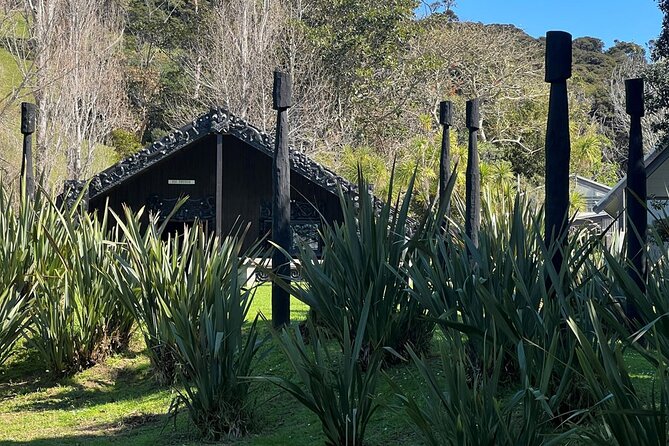
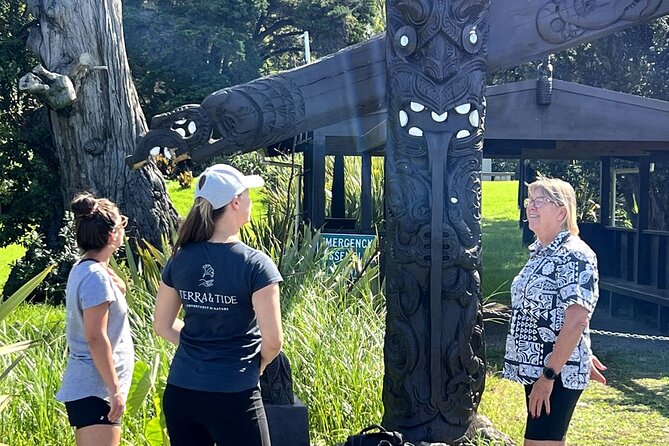
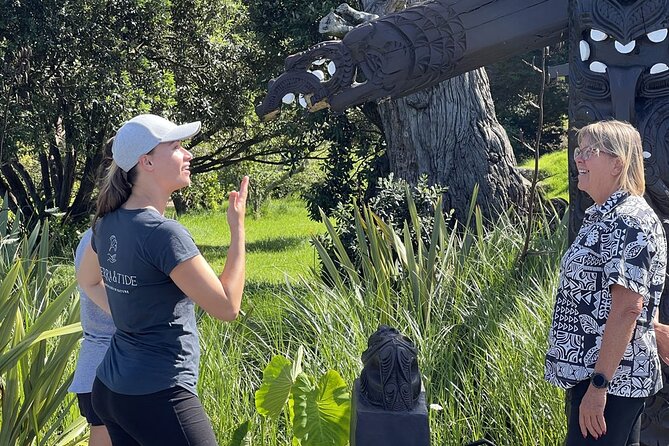
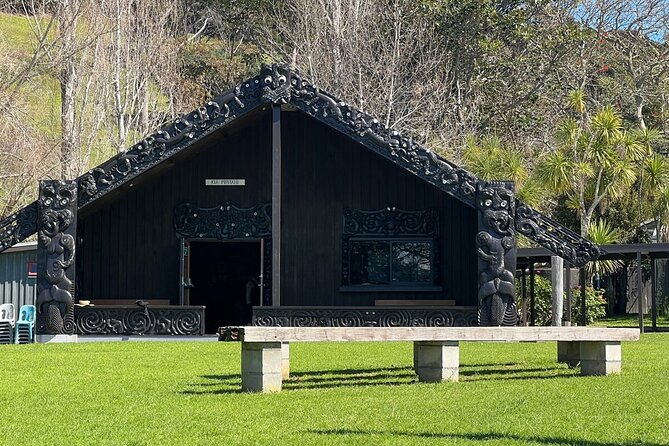
This is the heart of the experience. You visit the focal point of the Māori community on Waiheke, where you learn about the significance and importance of carving and traditional tattooing. Even if you’ve seen Māori design before, hearing what it represents in lived culture changes how you read it.
You’ll also hear about the revitalization of Māori language. That theme is especially meaningful on a small island day because language revitalization is not an abstract topic. It shows up in how people talk about land, identity, and responsibility, and you feel that through the stories connected to specific places.
Colonization impacts are part of the narrative too, not as guilt or doom, but as context for why these cultural elements matter today. That’s one reason I think this tour is more than a guided walk. It helps you understand the emotional weight behind cultural practice and why preserving it matters.
Beaches and Sea Views, With Stories Attached
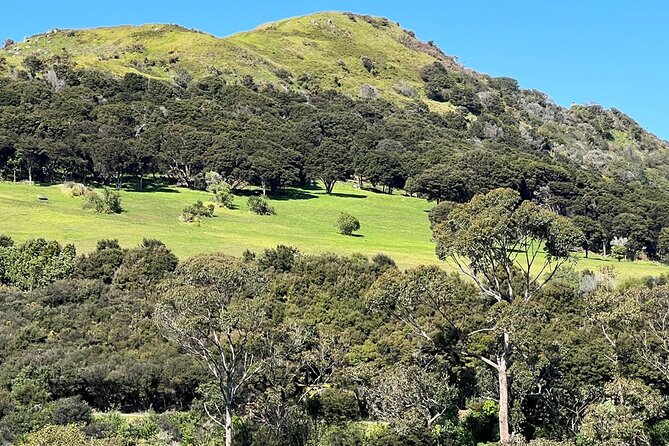
Waiheke’s beaches are stunning, and you do get to see pristine white sand beaches. But the guide’s approach is what sets this apart. You don’t just arrive at a viewpoint, snap photos, and move on.
Instead, you hear the history and stories of the places you visit and see. That is a big deal for first-timers on Waiheke because it keeps the day from feeling like random scenic highlights. You’re learning how people have used, traveled through, and cared for parts of the island over time.
One practical consideration: this kind of day usually includes short walking segments and time outdoors. Even if you’re not hiking all day, wear shoes you trust on uneven ground, and bring layers. The island can shift from calm to windy fast.
A few more Waiheke Island trips worth comparing
- Waiheke island Wine Tours – PREMIUM wine tasting MAX 11 clients !
★ 5.0 · 1,378 reviews - Waiheke Island Premium Wine Tour with Tastings
★ 5.0 · 504 reviews - Waiheke Island: Zipline And Forest Walk
★ 5.0 · 483 reviews - Taste of Waiheke Food and Wine Tour
★ 4.5 · 465 reviews
Walking Through Native Bush and Plant Knowledge You Can Use
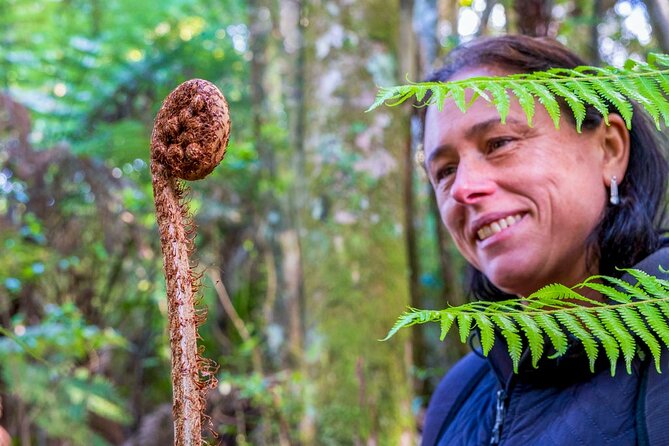
After the orientation and heritage stops, the day shifts into a guided walk through native bush. This part is quieter and slower, and it’s where you really start to feel the island’s ecology.
Your guide explains traditional and medicinal Māori uses of native plants. The value here is that you learn how plants were understood historically, not just that they exist now. That kind of knowledge changes what you notice on a walk, from leaves and growth patterns to what locals think plants can do.
It also helps that the group stays small. With up to 12 travelers, you’re less likely to get stretched out and lose context. You can ask questions, and the guide can respond without rushing you back onto the trail.
Pa Sites: Kumara Pits, Shell Middens, and Defensive Terraces
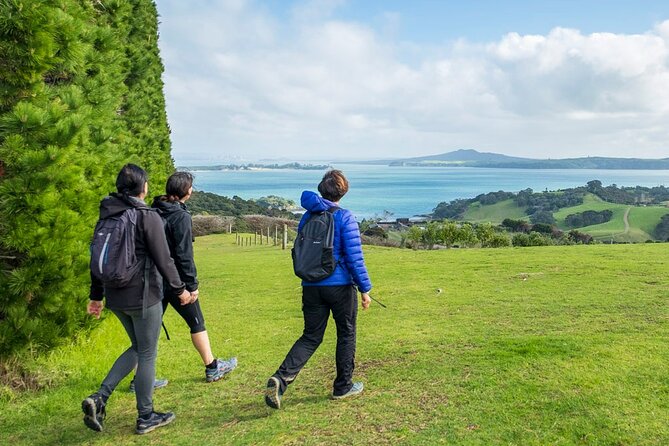
One of the most memorable parts is the walk to the summit of a pa (fortified village) site. Here, you’ll see archaeological remains, including kumara pits, shell middens, and defensive terraces.
This is where the island’s past becomes visible under your feet. Kumara pits tell a story about food storage and planning. Shell middens hint at daily life and how communities used coastal resources. Defensive terraces show that these were not random camps, but established fortified places.
If you love history, this is a top-tier feature. If you’re less into archaeology, you can still enjoy it because your guide ties the remains to understanding how people lived with the environment. The details are tangible, and the explanations make them feel real rather than like a lecture you tune out.
Bird spotting is a nice bonus. You’ll likely see native birds such as tui, kereru, and piwakawaka while you’re out walking. Whether you spot them or not, it gives the bush walk an extra sense of life.
Lunch at a Local Cafe, Plus What to Budget
You’ll stop for lunch at a local cafe with delicious food and coffee. The key point for planning is that lunch is not included in your tour price, so you should budget for it. Think of this as one of your day-trip costs, not a surprise expense.
Because your schedule is set to work around the ferry return, you may not have the freedom to roam for lunch on your own. That’s a trade-off, but it also keeps the day smooth. If you have dietary needs, it’s smart to plan ahead and let the operator know if possible, since the day is structured around a set lunch stop.
If you want to stretch the day, the guide can drop you in Oneroa later so you can keep exploring before heading back.
Wine and Olive Oil Tastings: Great Extras, Not Part of the Core Price
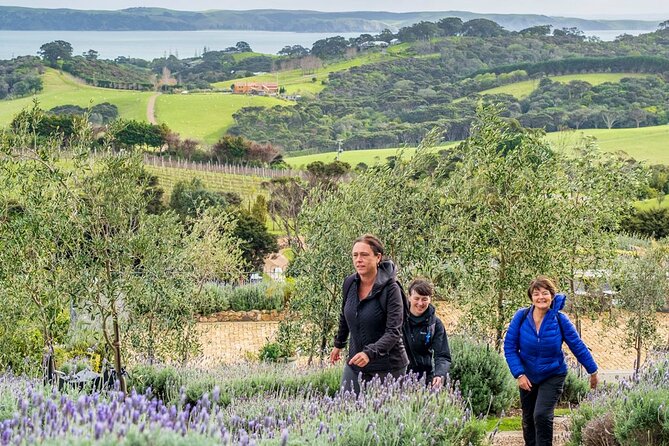
Some Waiheke days include tasting stops, and this one can too, but they’re not included. Alcoholic beverages and wine and olive oil tastings are listed as not included, so you pay if you choose them.
In practice, this means you can add stops depending on your tastes. You might see opportunities for wine tastings at places like Mudbrick, and olive oil tastings at spots like AllPress, but treat those as optional add-ons. If you’re watching your budget, you can skip these and still get a full, satisfying day from the core history and heritage content.
If you do add tastings, keep it simple. You still need energy for the bush walk and pa-site hike. I’d plan on one tasting experience and save the rest for later if you’re staying overnight or returning on another day.
Practical Costs and Timing: What You Actually Pay For
The tour price is $381.65 per person. That number matters less than what you get for it. You’re paying for an expert local guide, a structured half-day (about 6 hours), and a small group experience with cultural content, guided walking, and orientation.
However, two big costs sit outside the tour:
- Ferry to and from Waiheke Island. You can purchase tickets for $42 per adult return through the operator.
- Lunch, which is at a local cafe.
So your real day-trip budget is tour + ferry + lunch, plus any optional tastings. If you’re traveling as a couple or small group, this kind of pricing can feel high compared with standard sightseeing. But when you factor in the guide-led cultural learning, the native bush walk, and the pa-site visit, the value starts to make sense.
One more timing note: the tour is often booked about 66 days in advance. That suggests it fills up, likely because it’s not a typical cookie-cutter Waiheke itinerary. If your dates are set, book early rather than waiting for a price drop.
Group Size, Guide Style, and How to Get the Most Out of the Day
With a maximum of 12 travelers, you should expect a more conversational pace. This matters on a cultural heritage tour because good guides work with your questions and your interests.
The name you may hear from the operator is Justine, and she’s been praised for tailoring the day to needs, including choosing a shorter bush tour for visitors who want it, and fitting in time for gift shopping and tastings. That kind of flexibility can be a real advantage if you’re traveling with family or if your energy level varies day to day.
If you want to get the most out of it, come with one or two themes. For example: are you most interested in Māori art practices, plant knowledge, or archaeological sites? Ask early, and your guide can steer the day toward what you care about.
Also, do not underestimate walking time. Even if you’re not doing a long hike, you’ll be outside for hours and moving between points.
Who Should Book This Waiheke History and Heritage Tour
This tour is a strong fit if you want:
- A Waiheke day that explains the land from a Māori viewpoint
- A guided walk with native bush and plant knowledge
- A pa-site visit that goes beyond general history talk
- A smaller-group format where questions are welcome
You might think twice if you mainly want beach time with minimal walking and minimal context. If you’re the type who wants only wine tastings and scenic photo stops, this day will likely feel more structured and story-led.
It’s also a good option if you travel with a mix of interests, because the tour blends viewpoints with heritage learning and nature time.
Should You Book It? My Take
Book it if you want your Waiheke trip to feel grounded in people and place, not just coastline views. The combination of Māori cultural teachings, a native bush walk, and access to pa-site remnants like kumara pits and shell middens is rare for a day tour in a place known for beaches and wineries.
Skip it only if your ideal day is mostly downtime, or if you don’t enjoy walking outdoors for part of the itinerary. Also keep the budget reality in mind, tour price plus ferry plus lunch, and tastings if you choose them.
If you’re curious, this is one of the best ways to understand Waiheke beyond the postcard.
FAQ
What is the tour price, and what does it include?
The tour costs $381.65 per person and includes an expert local guide. Ferry tickets, lunch, and wine or olive oil tastings are not included.
How long is the Waiheke Island History and Heritage Tour?
It runs for about 6 hours.
Do I need to buy ferry tickets to get to Waiheke Island?
Yes. Ferry to and from Waiheke Island is not included. Tickets can be purchased for $42 per adult return.
Is lunch included in the tour price?
Lunch is not included. You will have lunch at a local cafe during the day, and you pay for it.
Where is the meeting point, and where does the tour end?
You start at the Fullers360 Matiatia ticket office at 1 Ocean View Road, Oneroa, Auckland 1081. The activity ends back at the meeting point.
What time does the tour start?
The tour starts at 9:45 am.
How big is the group?
The tour has a maximum of 12 travelers.
Is the tour suitable for most people, and are service animals allowed?
Most travelers can participate, and service animals are allowed. It is also noted as near public transportation.
What is the cancellation policy?
You can cancel for free up to 24 hours in advance for a full refund. If you cancel less than 24 hours before the experience starts, the amount paid is not refunded.
Just added near Waiheke Island
- Boutique Waiheke Island Wine, Gin and Food Tour★ 5.0 · 3 reviews
- Waiheke Island: Afternoon Wine Affair with Ocean Front Lunch★ 5.0 · 13 reviews
- 1.5h Waiheke Guided Scenic Tour in our Electric Van★ 5.0 · 19 reviews
- The Boutique Experience: Waiheke Best Cellar Tour (11 guests max)★ 5.0 · 65 reviews
- Sip & Savour through Waiheke Island (11 guests max)★ 5.0 · 60 reviews
- High End Sommelier Tour on Waiheke Island★ 5.0 · 3 reviews
- Private Waiheke Food & Wine Tour★ 5.0 · 14 reviews
- Private Dog Friendly Wine Tour with your Local Guide★ 5.0 · 8 reviews
Historical Tours, compared.


All Blacks Experience: Interactive Guided Cultural Tour
Read our review →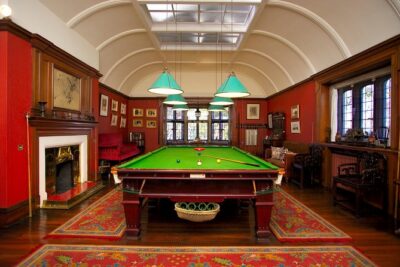
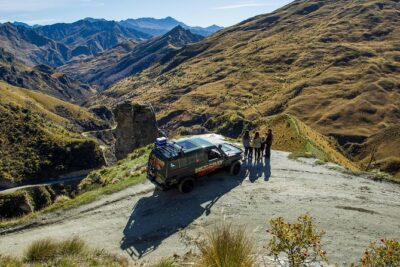
Skippers Canyon 4WD Heritage half day Tour from Queenstown
Read our review →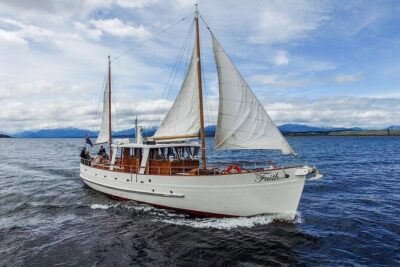
Scenic Cruise & Guided Walk on Historic Motor Yacht Lake Te Anau
Read our review →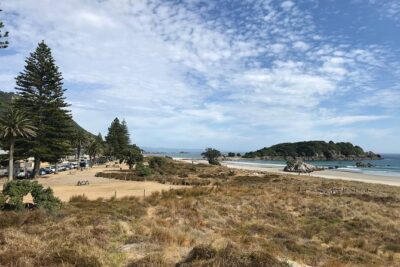
Tauranga Shore Excursion: History & Kiwifruit Tasting – 4 Hours
Read our review →
Skip the Line:WWI & WWII Combo Exhibitions at the Omaka Aviation Heritage Centre
Read our review →Scenic Cruise & Guided walk on Historic Motor Yacht Lake Te Anau
Read our review →Browse the lists this tour appears in