
REVIEW · DINING EXPERIENCES
Mount Cook, Lake Pukaki: Billion Star Dining
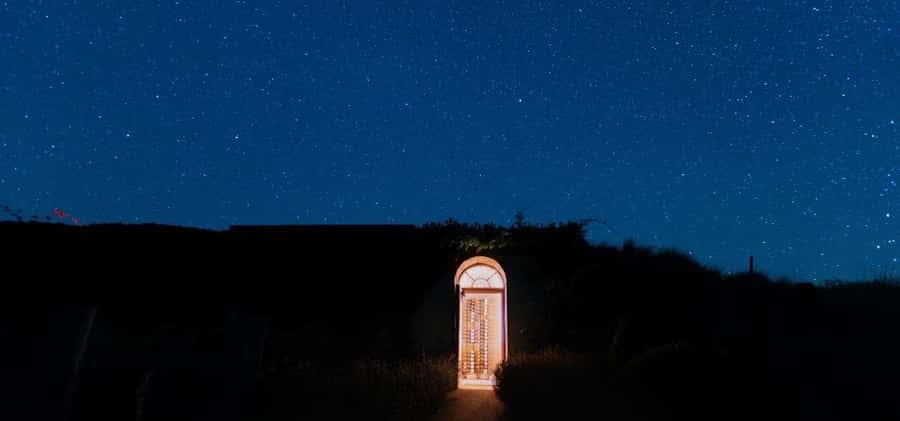
A night sky like this feels rare. You get fine dining at The Moraine and a guided trip to Pukaki Observatory in the same 4-hour block, with a welcome drink and serious telescope time. The evening is built around doing two things well: eating a standout meal and then using an actual observatory setup with a retractable roof.
The big thing I like is how practical the stargazing part is, you look through a 9-inch reflector telescope while an astro-guide helps you connect what you see to the Southern sky. The other highlight is the thoughtful pacing, dinner first, then stars second, so you are not rushing. The only drawback to plan for is that stargazing is weather dependent, so the sky show can be affected.
In This Review
- Key things I’d clock before you go
- Dinner first, stars second at The Moraine and Pukaki Observatory
- Where the Southern sky story begins, wine cellar welcome drink
- The telescope session at Pukaki Observatory, what you can actually see
- Retractable roof and small group timing, why the setup matters
- Weather is the big variable, and how to plan around it
- Price and value, is $224 per person worth it?
- The evening in a nutshell, what your 4 hours feel like
- Getting there without stress, meeting point and how to find it
- Who this is best for, and who should skip
- Practical tips that make the night better
- Should you book Billion Star Dining at Mt Cook Lakeside Retreat?
- FAQ
- How long is Billion Star Dining?
- What is included in the price?
- Where do I meet for the tour?
- Is the stargazing guaranteed?
- What should I bring?
- Is this suitable for children?
Key things I’d clock before you go
- The Moraine fine dining happens first, and the dining portion runs even if weather turns
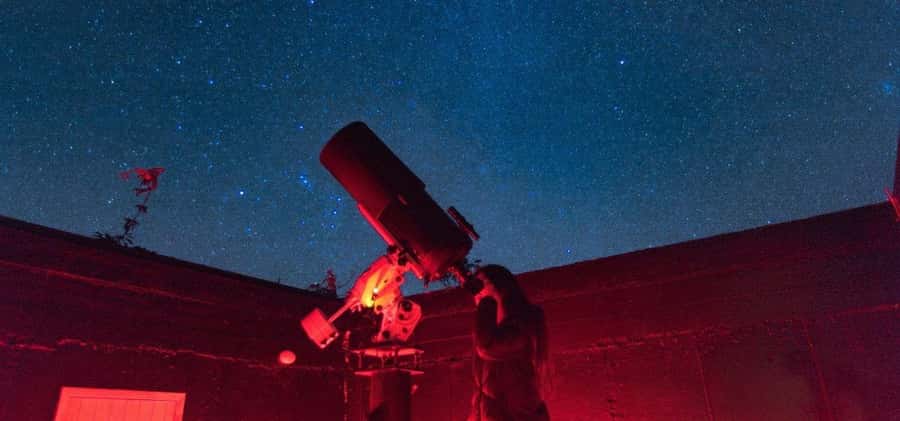
- Pukaki Observatory’s retractable roof means you get a framed, proper viewing setup
- A 9-inch reflector telescope is used to spot Saturn rings, Jupiter’s bands, star clusters, and nebulae
- A welcome drink in the wine cellar includes an intro to the Southern sky before you head out
- Aurora Australis is possible on special nights, but it is not guaranteed
Dinner first, stars second at The Moraine and Pukaki Observatory
If you are picturing a dinner-and-stargazing combo that feels random, this is not that. The evening is deliberately ordered: food that makes the night feel special up front, then the sky afterward when you can fully focus.
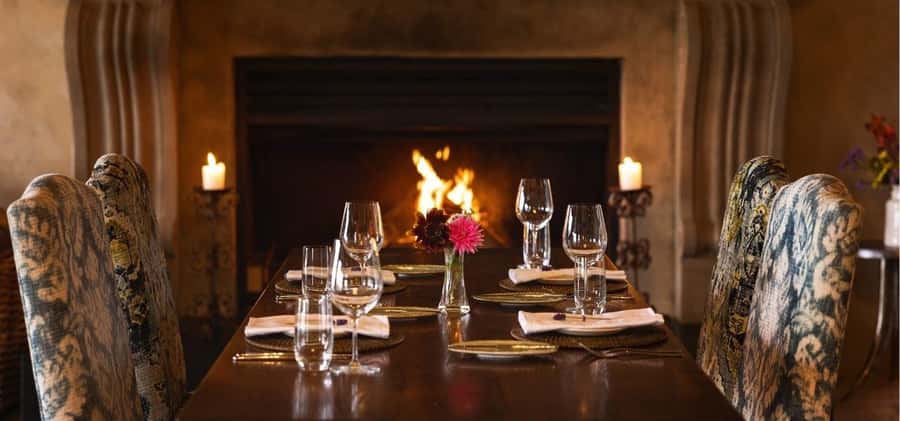
You start at The Moraine for a refined dining experience described as fresh and innovative. That matters because Mt Cook and Lake Pukaki nights can be cold and long, and having a proper meal early keeps the whole experience comfortable. It is also a nice change from tours that treat dinner like a quick fuel stop. Here, the dining portion is part of the point.
After dinner, the tone shifts to wonder and learning. You move to Pukaki Observatory with an astro-guide, and the experience becomes more hands-on. You are not just told to look up, you are shown what the southern sky looks like in real time, then helped to interpret it.
A few more Christchurch trips worth comparing
- Mitai Maori Village: Cultural Experience and Dinner Buffet
★ 4.7 · 3,575 reviews - Rotorua: Te Pa Tu Māori Cultural Experience with Dinner
★ 4.8 · 1,193 reviews - Dinner at Walter Peak High Country Farm and Cruise from Queenstown
★ 4.5 · 576 reviews
Where the Southern sky story begins, wine cellar welcome drink
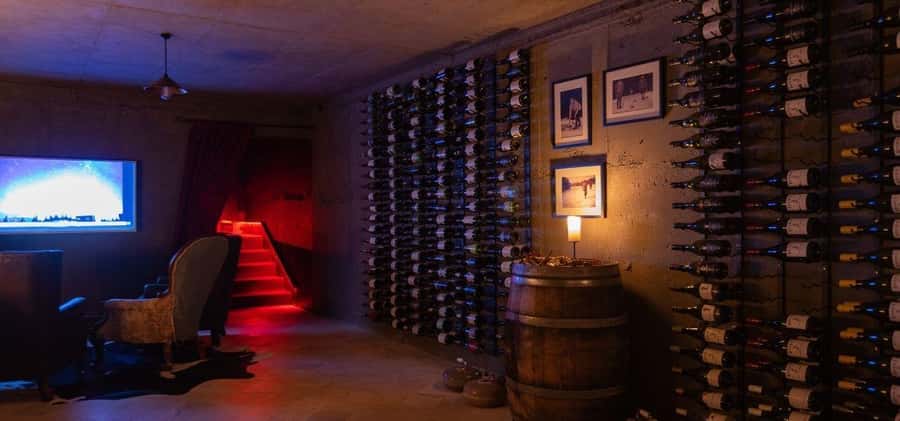
Before you step into the observing part of the night, you get a welcome drink in a wine cellar. That is not filler. A short guided intro helps you understand what you are about to see, which makes the telescope session far more rewarding.
Instead of arriving at the observatory already cold and confused, you start with a bit of context about the Southern sky. If you like astronomy but find it hard to translate star maps into what you actually see in the dark, this kind of lead-in usually pays off. It also gives the group something shared to focus on before the roof opens and the lights go down.
This is a small-group experience, limited to 10 participants. In practice, that kind of size tends to make it easier to ask questions and stay engaged without feeling like you are waiting for someone to catch up behind you.
The telescope session at Pukaki Observatory, what you can actually see
Here’s the heart of the night: Pukaki Observatory, purpose-built for stargazing, with a retractable roof. When the roof recedes, the walls frame the view of the stars. That framed window effect matters more than you might think. It helps you keep your bearings fast, and it keeps the focus on the sky instead of your own gear and distractions.
You use a 9-inch reflector telescope, and you are guided through what to look for. The experience is specific about the sights you can expect, including:
- The rings of Saturn
- Bands of Jupiter
- Star clusters
- Nebulae
- Planets
Those are not just “look at a bright dot” targets. Rings and bands are the kind of features that make astronomy feel real, not abstract. Even if you have seen stars before, the telescope view plus an astro-guide explanation is usually what turns a quick glance into real understanding.
One more possible upside: on special nights, you may also see Aurora Australis, also called Southern Lights. Just keep expectations realistic. The aurora depends on conditions, but being in the right location with the right setup increases your odds compared with a random roadside stop.
Retractable roof and small group timing, why the setup matters
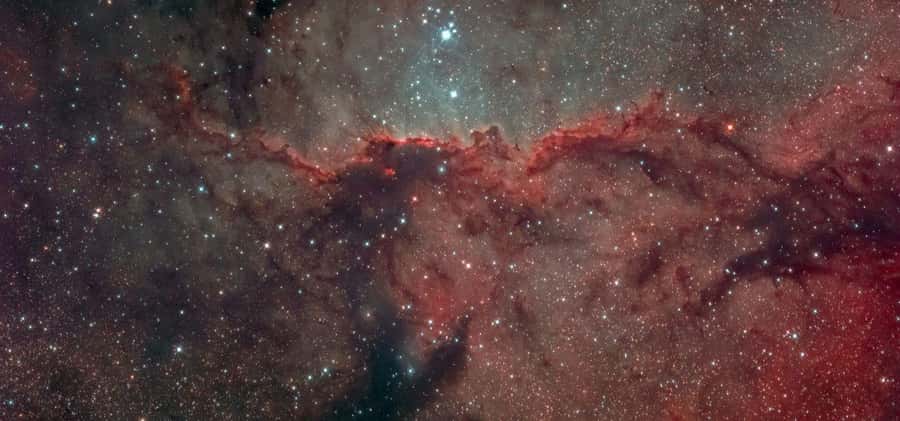
Stargazing can be frustrating if the experience is built for comfort but not for viewing. This observatory is the opposite. The retractable roof gives you a proper viewing environment, and the telescope session is set up to take advantage of it.
Because the group is limited to 10, the guide can adjust to how the night is going. For example, if you are struggling to find something, a smaller group makes it easier to slow down for you rather than move on too quickly.
Also, dinner first helps with timing. You are not trying to eat in the dark while you also manage clothing changes and temperature shock. It is a smoother flow: meal, then stars.
Same island, a completely different day:
- Christchurch Hop-On Hop-Off Tram
★ 4.5 · 841 reviews - Christchurch Gondola and Tram City Tour Combo
★ 4.5 · 725 reviews - Christchurch: Hop-On Hop-Off Tour by Vintage Tram
★ 4.6 · 717 reviews - Christchurch: Tram, Punt and Gondola Ride Combo Ticket
★ 4.7 · 608 reviews
Weather is the big variable, and how to plan around it
Let’s be honest, this is New Zealand and you are in a mountain region. Stargazing is weather dependent, which means clouds or poor conditions can reduce what you get to see through the telescope.
The good news is that the dining portion proceeds even in bad weather. So if the sky does not cooperate, you still get the main comfort piece of the experience, a fine meal at The Moraine plus the welcome drink and sky introduction.
When you book, plan to bring warm clothing without treating it like optional. Warm layers are key because you will be outside for the observatory portion. If you tend to underestimate cold weather, this is one of those nights where you will feel it fast.
Price and value, is $224 per person worth it?
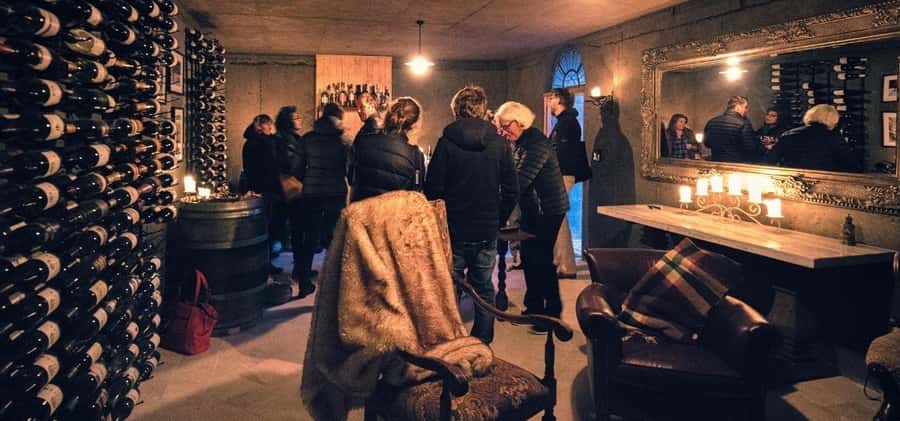
At $224 per person for a 4-hour experience, this is not a budget add-on. But it is priced more like a packaged night with real components, not just a chair and a view.
Your ticket covers:
- Fine dining at The Moraine
- Stargazing at Pukaki Observatory with an astro-guide
- A welcome drink in the wine cellar
- Use of a 9-inch reflector telescope
That combination is the value story. You are paying for expertise and infrastructure. The telescope and purpose-built observatory setup are the big differentiators. Many “stargazing tours” are more like guided walks to a viewpoint. Here, you get structured telescope viewing and specific astronomical targets such as Saturn and Jupiter.
Also, the small group limit helps value. You get a more intimate setting than a large group night sky event, and that usually makes the explanations clearer and more useful.
If you are the kind of traveler who loves food and will also remember the sky session long after the meal, the price starts to feel logical. If you only care about one part, you might want to compare to other things you could do around Lake Pukaki. This experience is best when you want both.
The evening in a nutshell, what your 4 hours feel like
Even though the exact pacing can vary by conditions, the structure is clear.
First, you enjoy dinner at The Moraine. This is when you settle in, warm up, and enjoy a refined meal described as fresh and innovative.
Next, you head to the observatory area for the welcome drink in the wine cellar and an intro to the Southern sky. Think of this as your pre-game.
Then, stargazing begins at Pukaki Observatory with the retractable roof and the 9-inch reflector telescope. Your astro-guide helps you connect what you see to real targets, including Saturn rings, Jupiter bands, star clusters, nebulae, and planets.
On some nights, there is a chance you might catch Aurora Australis. The “might” part is important, but the chance is part of the appeal.
Getting there without stress, meeting point and how to find it
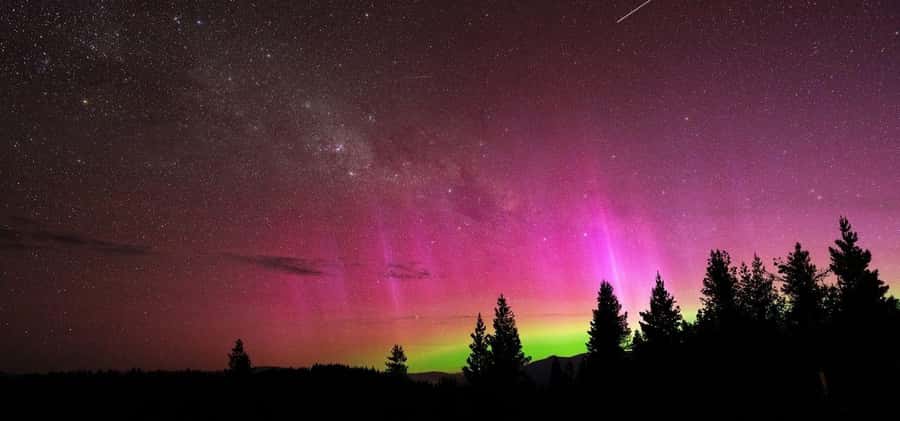
You meet near the Mt Cook Lakeside Retreat property entrance gate. The gate is about 860 meters from the SH80 / SH8 turnoff. There is a sign at the gate, and the observatory is 1.2 km from that gate.
Do yourself a favor and follow the signage to the observatory. In the dark, small navigation errors turn into big delays, and you want to arrive early enough to get warm and get settled before the roof opens.
Also note the tour is English language and run by a live guide, so you should be able to ask questions during the night sky session.
Who this is best for, and who should skip
This is especially good for adults and older teens who want a structured astronomy experience without needing to bring equipment or know the constellations in advance.
It is not suitable for children under 10. If you are traveling with younger kids, you will likely want to look for a different activity around the Mount Cook and Lake Pukaki area.
It also fits well if you are a “see it, understand it” type of traveler. The sky introduction and guided telescope viewing make it more than a passive look.
If you are sensitive to cold and you hate any outdoor time, you should think twice, because warm clothing is specifically recommended and the stargazing portion depends on the weather.
Practical tips that make the night better
- Bring warm clothing you can layer. Nights around Lake Pukaki can turn chilly fast, and you will be outside for the observing portion.
- Take the sky intro seriously. Even a basic explanation helps you spot what the guide is pointing at through the telescope.
- Be flexible about weather. The dining part is designed to continue, but stargazing depends on conditions.
- Wear shoes you are comfortable standing in. You will want stable footing while you look up and adjust your position.
Should you book Billion Star Dining at Mt Cook Lakeside Retreat?
I think this is an easy yes if you want one high-impact evening that combines genuinely good food with a real stargazing setup. The strength here is the pairing: The Moraine dinner makes the experience feel complete, and Pukaki Observatory turns the sky into something you can actually see and understand, through a 9-inch telescope.
Book it if you are traveling as a couple or a small group of astronomy curious adults who appreciate small-group attention. It is also a strong choice if you are visiting Mount Cook and Lake Pukaki for the first time and want something special that goes beyond scenic stops.
Skip it only if cold outdoor time and weather uncertainty will ruin your mood, or if you are looking for a purely budget activity. If you are okay with warm layers and possible cloud cover, this is one of the more satisfying ways to spend an evening in the Southern Alps.
FAQ
How long is Billion Star Dining?
The experience lasts 4 hours.
What is included in the price?
It includes fine dining at The Moraine, a stargazing experience at Pukaki Observatory, a welcome drink, and use of a 9-inch reflector telescope.
Where do I meet for the tour?
You meet at the entrance gate to the property near the SH80 / SH8 turnoff. The gate is about 860 meters from the turnoff, and the observatory is about 1.2 km from the gate. Follow the signs.
Is the stargazing guaranteed?
Stargazing is weather dependent. The dining portion will still proceed in bad weather.
What should I bring?
Bring warm clothing, since the stargazing part is outdoors.
Is this suitable for children?
It is not suitable for children under 10.
Just added near Christchurch
- Willowbank Wildlife Reserve Day Entry Ticket★ 4.5 · 85 reviews
- Christchurch: Helicopter Trial Flight★ 5.0 · 7 reviews
- Twizel Stargazing Experience with a Guide (Carbon Positive)★ 4.7 · 26 reviews
- Hanmer Springs Star Tours at Manuka Skies★ 5.0 · 11 reviews
- Amuri Jet Adventures – Hanmer Springs Quad Biking tour★ 5.0 · 49 reviews
- Wine trail and Christchurch City – Luxury, Small Group Tour★ 5.0 · 15 reviews
- Waipara Valley Winery Tour Wine Tastings and Scenic Views★ 5.0 · 5 reviews
- Uniquely Kiwi Landsailing Adventure★ 5.0 · 66 reviews
Dining Experiences, compared.
Mitai Maori Village: Cultural Experience and Dinner Buffet
Read our review →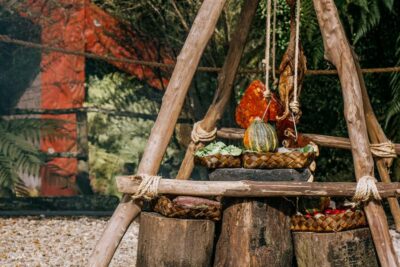
Te Pa Tu Māori Cultural Experience with Dinner
Read our review →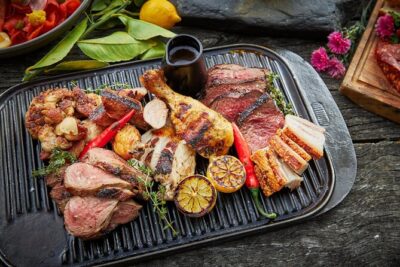
Dinner at Walter Peak High Country Farm and Cruise from Queenstown
Read our review →
Auckland Harbour Sailboat Cruise Including Three Course Dinner
Read our review →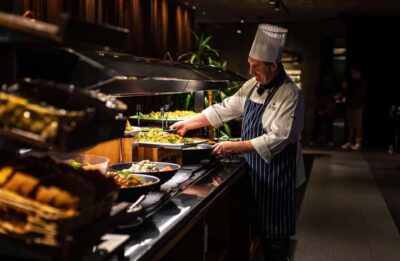
Te Puia: Te Pō Indigenous Evening Experience – Haka + Dinner
Read our review →
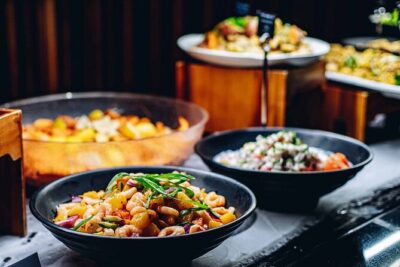
Te Puia: Te Pō Indigenous Evening Experience with Dinner
Read our review →
Lake Rotoiti Evening Kayak Tour including Hot Springs, Glowworm Caves and BBQ Dinner
Read our review →Browse the lists this tour appears in