
REVIEW · MAORI CULTURAL EXPERIENCES
Māori Whakatau Welcome
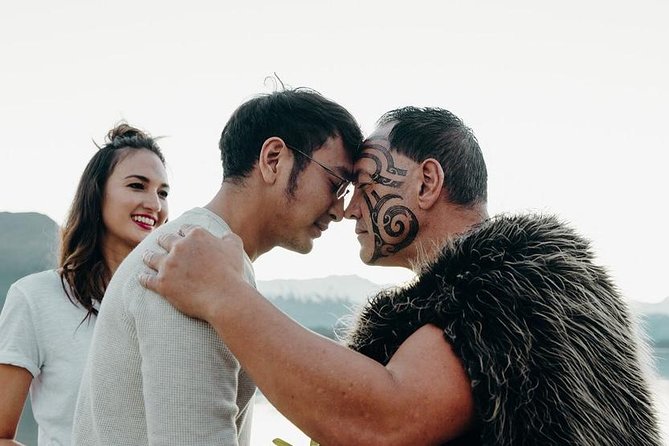
A pōwhiri is the best first hello to NZ. In Wanaka, you get a real start in Otago’s Māori world, on the shores of Lake Wanaka, with the full welcome ritual rather than a museum-style talk.
Two things I really like: you get manaakitanga (hospitality) and kaitiakitanga (guardianship of the land) explained through what you actually do, and it’s great for families, with discounted pricing for kids aged 16 and under.
One consideration: the idea is that you take home an authentic Māori bone carving, but the listed inclusions and exclusions conflict, so it’s smart to confirm what is actually included in your booking before you plan around it.
In This Review
- Key Things To Know Before You Go
- Why This Māori Whakatau Feels Like a Real Arrival in Otago
- The Wanaka Meeting Point: Lake Wanaka and the Meaning Behind the Welcome
- The Wero Challenge With a Taiaha: What to Expect and How to Prepare
- Mihi Whakatau: The Welcome Speech That Turns Strangers Into Whanau
- Private Transportation and a Tight Time Window That Work With Real Travel Days
- Souvenirs, Photos, and the Bone Carving Question You Should Confirm
- Price and Value: Is $31.03 a Smart Deal for This Kind of Cultural Time?
- Who This Is Best For, and Who Might Want a Different First-Day Plan
- Should You Book the Māori Whakatau in Wanaka?
- FAQ
- Where does the Māori Whakatau pōwhiri happen?
- How long does the experience take?
- What time does the experience start?
- How much does it cost?
- What’s included in the price?
- Are kids welcome?
- What happens if the weather is poor?
- What is the cancellation policy?
Key Things To Know Before You Go
- You choose your timing, morning or afternoon, so you can fit this into day one (or day zero) of your trip.
- It can be in Wanaka or Queenstown, and you should email first if you have a strong preference.
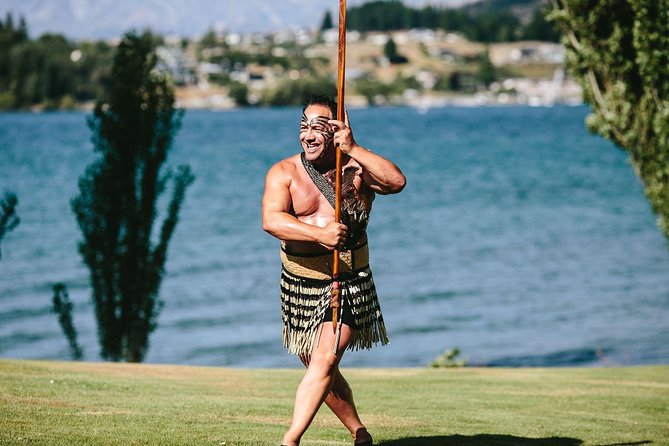
- The wero challenge uses a taiaha, so expect a dramatic, high-energy entry to the pōwhiri.
- You’ll move through the welcome stages as a group, ending in that whanau style connection the ritual is built for.
- Maximum group size is 30, which helps the experience feel personal, not like a stampede.
Why This Māori Whakatau Feels Like a Real Arrival in Otago
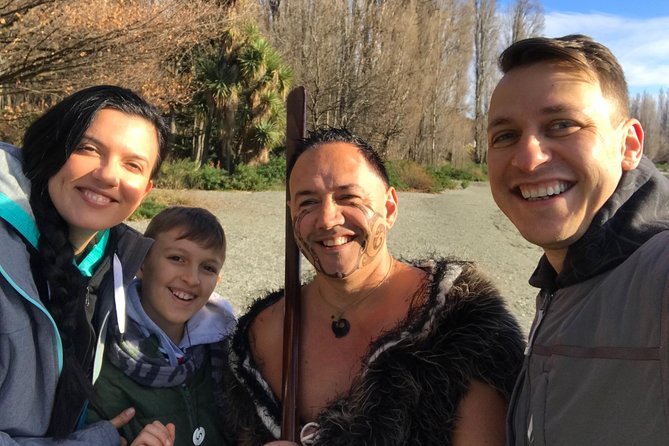
If you’re arriving in New Zealand and you want more than views and checkmarks, a pōwhiri is a powerful way to reset your mindset fast. This Māori welcome is designed for visitors as they arrive on the land, invited into the spirit of the place instead of just passing through it.
I like that the experience is built around Māori concepts that matter in everyday life. You’re not asked to memorize big words and then move on. You’re guided through the actions and words of the pōwhiri, and that makes terms like manaakitanga and kaitiakitanga feel practical. They describe how people treat guests and how they care for land and waters. That’s exactly the kind of grounding that makes a trip to Otago stick.
Also, you don’t have to wait until later. You can do this morning or afternoon, which means you can schedule it for your first day rather than letting it become a last-minute souvenir purchase.
More Maori cultural experiences in Wanaka:
- ‘Express’ Wine Tour & Māori Culture Wānaka
★ 5.0 · 85 reviews - Wine Tour & Maori Culture Wanaka
★ 5.0 · 81 reviews - Mitai Maori Village: Cultural Experience and Dinner Buffet
★ 4.7 · 3,575 reviews
The Wanaka Meeting Point: Lake Wanaka and the Meaning Behind the Welcome
Your first step is the Lake Wanaka setting, with the welcome connected to the shores and the iwi responsibilities tied to place. The ritual is framed as a relationship, not a performance. The idea is that you arrive as strangers, then you are welcomed through the correct cultural process.
A useful way to think about this: you’re being shown how hospitality works in Māori culture. Not just with polite words, but with structure. Who speaks, how visitors respond, and how the group moves through the welcome stages. Even if you don’t understand everything at first, you’ll feel the order and the respect.
This is also where the responsibility side comes in. Kaitiakitanga is about being guardians of the land. In a place like Wanaka, where the landscape and water shape daily life, that idea lands differently than it does on a bus tour.
The Wero Challenge With a Taiaha: What to Expect and How to Prepare
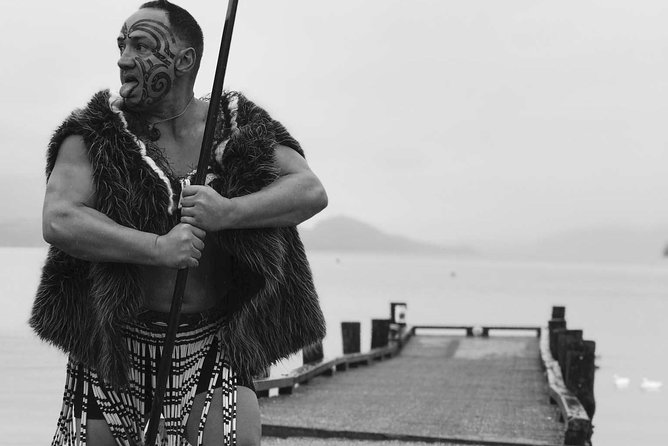
The heart of a pōwhiri is the part that grabs your attention right away, the wero, the challenge. Here, you’re met with a Māori warrior and a taiaha, which is a traditional weapon. It can feel intense at first, because that’s part of what the wero does. It tests, and it sets the tone for everyone to show respect in the right way.
You don’t need to be a performer. You do need to follow instructions closely. The most important practical tip I can give you is simple: be present, watch what the leaders do, and respond when you’re guided to. If you’re unsure, look to the group lead for timing and posture rather than trying to guess.
This is also where you’ll see the experience work for different ages. The setup is dramatic enough to hold attention, but it’s also governed by the ritual itself. That structure helps families, especially kids who are still learning how to behave respectfully in new cultural settings.
Mihi Whakatau: The Welcome Speech That Turns Strangers Into Whanau
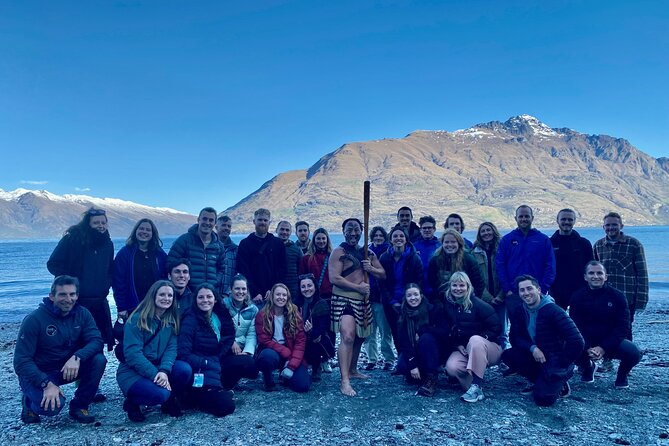
After the challenge, the pōwhiri moves into the key welcome elements, including the mihi whakatau, the welcome speech. This is where the ritual shifts from tension and testing into connection and relationship-building.
In plain terms, you’re being included. The “mihi” part is about bringing voices into alignment, so the welcome isn’t one-way. You’re part of the group experience, and you’re treated as someone arriving with intention, not as a tourist passing by.
One of the best parts of experiences like this is that the meaning comes through your body as much as your ears. You’ll likely notice how the group dynamics change as the welcome progresses. The guided flow helps you understand that pōwhiri isn’t a box to check. It’s a social bridge.
That’s why the description of ending as whanau matters. The goal isn’t just to watch something. It’s to be folded into the moment, so you leave with a stronger sense of place and people.
A few more Wanaka trips worth comparing
- Wildwire Wanaka- Level 2 (4 Hours)
★ 5.0 · 467 reviews - Bike the Wanaka and Hawea Trails
★ 5.0 · 346 reviews - Lake Wanaka Happy Hour Cruise
★ 4.6 · 313 reviews - Small Group Jet Boat Adventure on the Clutha River from Wanaka
★ 5.0 · 302 reviews
Private Transportation and a Tight Time Window That Work With Real Travel Days
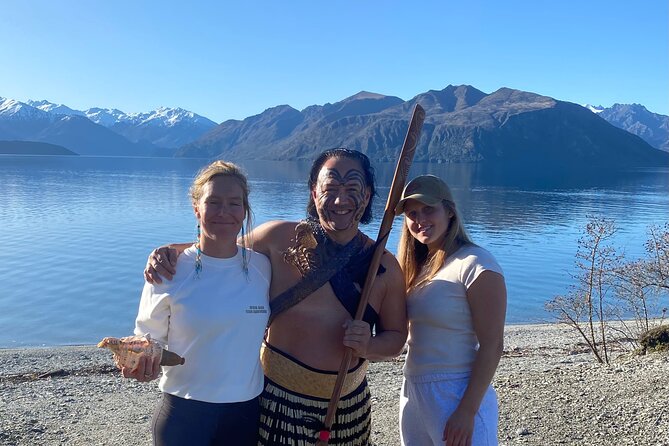
This experience is about 40 minutes to 1 hour long, with a shorter confirmation note often listing around 45 minutes. It’s not a half-day project. That’s a big reason it fits well at the start of a New Zealand trip.
You’re also offered private transportation as part of the booking. Even if you’re staying in central Wanaka or nearby, that matters. In tourist towns, time disappears fast when you have to figure out where to be, when to park, and how long it takes to get everyone loaded and back out. Private transport reduces that friction.
Group size is capped at 30 travelers, so you should feel like you’re part of a real group rather than being swallowed by a crowd. That tends to matter most during cultural experiences, where attention and timing are everything.
One more practical point: you get a mobile ticket. That’s the kind of low-friction detail that saves you stress on travel days.
Souvenirs, Photos, and the Bone Carving Question You Should Confirm
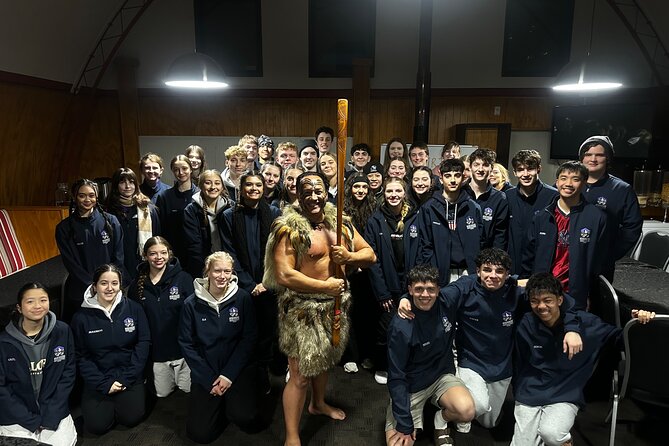
The promotional concept is that you’ll take an authentic Māori bone carving home as a memory of your pōwhiri. But the detailed listing of what’s not included also lists the authentic Māori bone carving as not included, along with a WanaHaka Tea Towel souvenir.
So here’s the clean advice: assume you might need to pay extra for the carving unless your exact booking confirms it as included. Also note that souvenir photos are available to purchase.
This is one of those cases where it really pays to check your confirmation message or ask before you go. Don’t bank on a specific souvenir showing up if the itemized inclusions are unclear.
Price and Value: Is $31.03 a Smart Deal for This Kind of Cultural Time?
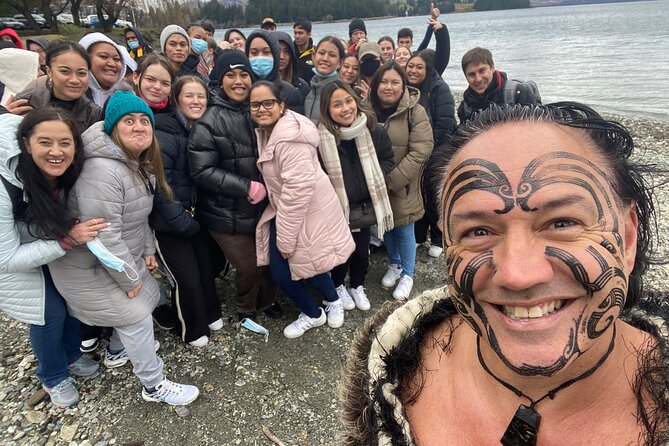
At $31.03 per person, you’re paying for more than a short cultural presentation. You’re paying for a structured ritual experience plus private transportation.
That’s why the value feels strong. Many cultural activities cost more and still end up being a lecture in a small room. Here, the value is that the experience is active, ceremonial, and tied to the people and land of Otago. You’re also not doing it solo or in a massive group, since the cap is 30 travelers, which supports the respectful tone.
Is it worth it? For me, yes, if you want a meaningful first step into New Zealand culture and you’re open to doing things the “real” way, not the simplified show version. If you only want scenic sightseeing and dislike structured group rituals, you might prefer something less formal.
Who This Is Best For, and Who Might Want a Different First-Day Plan
This is a strong fit if you’re:
- Visiting Wanaka or Queenstown and want a first-day cultural anchor
- Traveling with family and want an activity that kids can engage with
- Open to respectfully participating, even if you don’t know the language or the steps
It’s also designed so most travelers can participate, and service animals are allowed. That’s helpful if you rely on them.
Children policy is straightforward: kids aged 16 and under get a discounted rate, and children must be accompanied by an adult. If you’re traveling with teens and younger kids, this is one of the easier “culture plus connection” options that doesn’t drag on.
Should You Book the Māori Whakatau in Wanaka?
I think you should book it if you want your trip to start with meaning, not just movement. The wero and mihi stages give you a clear emotional arc, and the focus on manaakitanga and kaitiakitanga helps you understand what kind of relationships people expect in Aotearoa.
Book it sooner rather than later, because the experience is typically booked about 137 days in advance on average. If you’re flexible, you can pick morning or afternoon and choose the location between Queenstown and Wanaka.
The only real “hold up” for some people is the souvenir question. Before you go, confirm whether the bone carving is included in your exact package, since the details conflict. Once you have that sorted, this is one of those experiences that feels like it belongs at the front of your New Zealand story.
FAQ
Where does the Māori Whakatau pōwhiri happen?
It’s based in Wanaka on the shores of Lake Wanaka, but it can also be done in Queenstown. If you care which town you go to, you should email first to confirm your preferred location.
How long does the experience take?
Plan on about 40 minutes to 1 hour, approximately.
What time does the experience start?
The listed start time is 9:30 am, and you can choose between a morning or afternoon pōwhiri.
How much does it cost?
The price is $31.03 per person.
What’s included in the price?
The booking includes private transportation and admission ticket. Souvenir photos are available to purchase, and the Māori bone carving plus a WanaHaka Tea Towel souvenir are listed as not included.
Are kids welcome?
Yes. Children aged 16 and under pay a discounted rate, and children must be accompanied by an adult.
What happens if the weather is poor?
This experience requires good weather. If it’s canceled due to poor weather, you’ll be offered a different date or a full refund.
What is the cancellation policy?
You can cancel for free up to 24 hours in advance of the experience start time for a full refund.
Just added near Wanaka
- Wānaka: Scenic Helicopter Flight Wānaka Max★ 5.0 · 11 reviews
- Wanaka: Tandem Paragliding Experience★ 4.9 · 93 reviews
- Wanaka: Scenic Hot Air Balloon Flight★ 4.7 · 6 reviews
- Wanaka: Self-Guided Regular MTB – Lake Hawea to Lake Wanaka★ 4.8 · 40 reviews
- Wanaka: Mount Burke 4×4 Explorer and Boat Tour★ 5.0 · 36 reviews
- Wanaka: Full Day Wine Tour Hidden Gems★ 5.0 · 4 reviews
- Wanaka: Rob Roy Glacier Guided Hike with Lunch★ 5.0 · 3 reviews
- Wanaka: Scenic Helicopter Flight with Glacier Experience★ 5.0 · 42 reviews
Maori Cultural Experiences, compared.
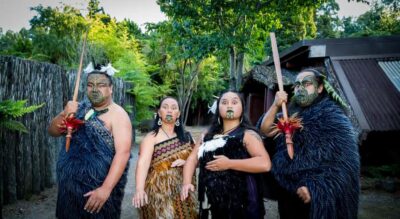
Mitai Maori Village: Cultural Experience and Dinner Buffet
Read our review →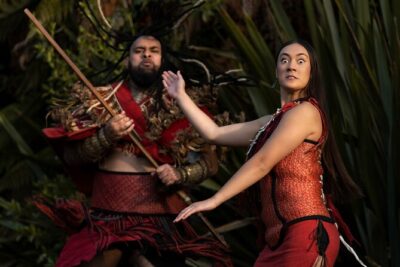
Cultural Experience & Seasonal Māori Cuisine at Te Pā Tū
Read our review →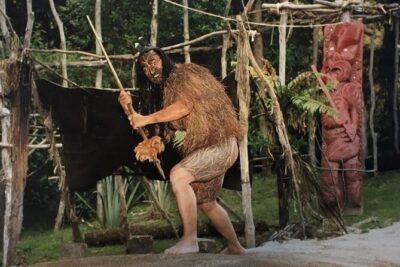
Mitai Maori Village Cultural Experience in Rotorua
Read our review →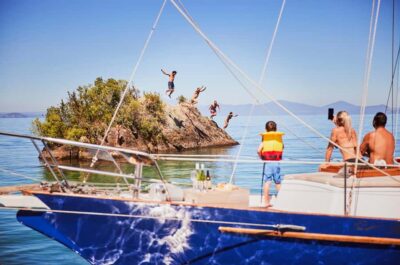
Lake Taupo: Classical Sailing to the Māori Rock Carvings
Read our review →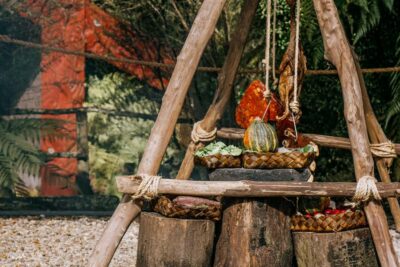
Te Pa Tu Māori Cultural Experience with Dinner
Read our review →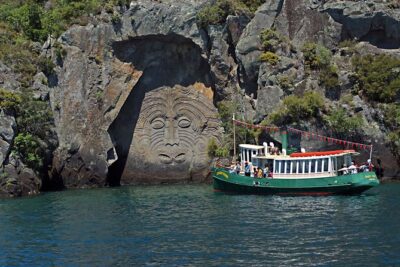
Lake Taupō Māori Rock Carvings Scenic Cruise aboard Ernest Kemp
Read our review →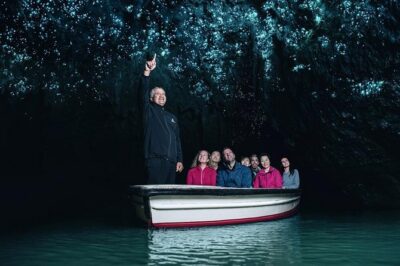
Waitomo Caves & Rotorua – Te Puia Small-Group Tour from Auckland
Read our review →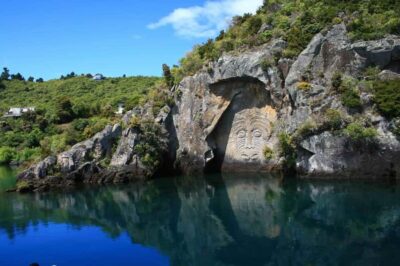
Lake Taupo: Maori Rock Carvings 10.30 AM 1.5-Hour Cruise
Read our review →Browse the lists this tour appears in