REVIEW · TICKETS
Hokitika: The National Kiwi Centre Tickets
If you like wildlife, Hokitika has a plan that feels personal. The National Kiwi Centre gives you close-up time with West Coast icons, with a special focus on kiwi in a nocturnal setting. It is a compact, one-hour visit that still manages to mix education with hands-on moments.
I love the kiwi bird experience here, especially the chance to see both Brown Kiwi and Little Spotted Kiwi in a purpose-built nocturnal house. I also like that you do not just look at animals, you can catch a giant eel feeding session during the day. One possible drawback: depending on your time slot, you may see fewer kiwi than you hoped, since the nocturnal house is designed for the birds, not a nonstop show schedule.
In This Review
- Key Highlights to Expect at The National Kiwi Centre
- The National Kiwi Centre in Hokitika: what one hour really gives you
- Kiwi viewing in the nocturnal house (Brown Kiwi and Little Spotted Kiwi)
- Practical tip for kiwi viewing
- Giant eel feedings and how to time your visit
- What you can do during the feeding
- Other West Coast icons: tuatara, crayfish, and whitebait
- Staff energy and interactive exhibits that keep it real
- Price and value: is NZ$23 worth one hour?
- How to make the most of your one-hour visit
- Who should book this in Hokitika?
- Should you book The National Kiwi Centre Tickets?
- FAQ
- What is the duration of the Hokitika National Kiwi Centre ticket?
- How much does it cost?
- What is included in the ticket?
- Are there food and drinks included?
- What time are the giant eel feedings?
- Is it wheelchair accessible?
Key Highlights to Expect at The National Kiwi Centre
- Kiwi viewing in a purpose-built nocturnal house, featuring both Brown Kiwi and Little Spotted Kiwi
- Scheduled giant eel feeding sessions (10:00 AM, 12:00 PM, and 3:00 PM)
- Close-up exhibits for tuatara, crayfish, and giant eels, plus whitebait
- Interactive displays that keep the focus on conservation and species protection
- Staff-led help in English, with you able to ask questions as you go
The National Kiwi Centre in Hokitika: what one hour really gives you
Hokitika on the South Island has a reputation for wild coastline energy. This stop is different, but it fits the same theme: real New Zealand wildlife, not cartoonish souvenirs. At The National Kiwi Centre, you are walking through a focused native-animal experience built around the kiwi.
The duration is about 1 hour, so I treat it like a smart add-on between drives. You get time to see multiple species, but you are not forced into a half-day commitment. That makes it a good choice if you are moving along the West Coast and want a quick, meaningful wildlife stop.
A few more Franz Josef & West Coast trips worth comparing
- Franz Josef Glacier: Helicopter Flight & Alpine Landing
★ 4.8 · 619 reviews - Franz Josef Glacier Heli-Hike
★ 4.5 · 618 reviews - Heli Hike Fox Glacier
★ 5.0 · 563 reviews
Kiwi viewing in the nocturnal house (Brown Kiwi and Little Spotted Kiwi)
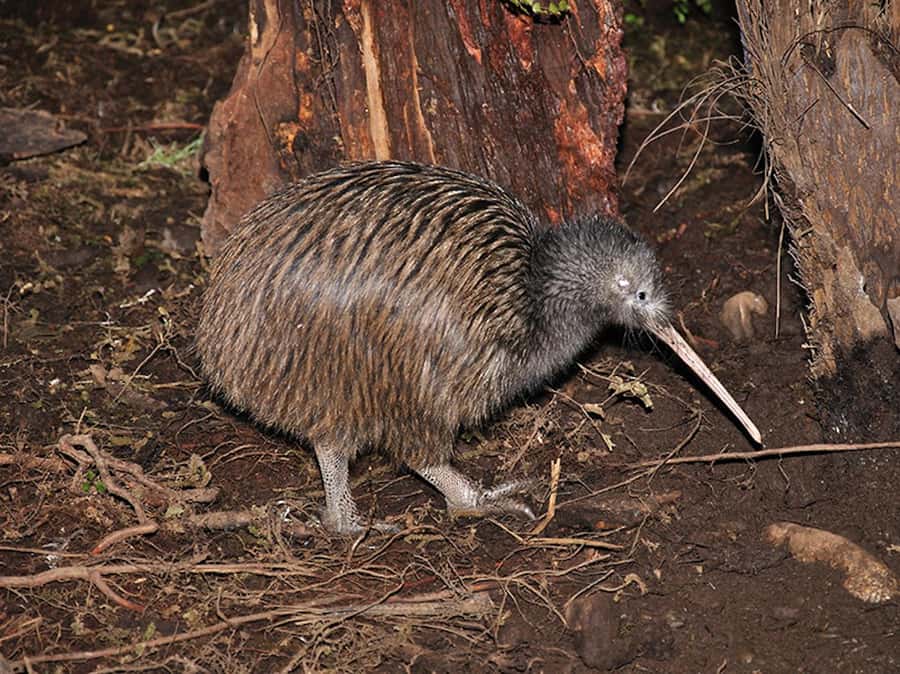
The heart of the visit is the kiwi experience. You start with the centre’s kiwi focus, built around a nocturnal house designed to keep the birds safe and comfortable. Inside, you get a rare, up-close look at Brown Kiwi and Little Spotted Kiwi in a controlled environment.
Why this matters: kiwi are nocturnal by nature, and their behavior does not follow a daylight timetable. A nocturnal-house setup helps the centre protect the birds while still giving you the best chance to observe natural activity. In other words, you are not just seeing a kiwi-shaped poster. You are watching living birds in a setting that works for them.
What you should mentally prepare for: visibility can vary. One person noted that they expected more kiwi and only saw a couple, with one coming out briefly. That is not a reason to skip the visit, but it is a reminder that wildlife observation includes quiet waiting and timing.
Practical tip for kiwi viewing
Pick your timing carefully. If the centre offers starting times around periods when animals are more likely to be active, choose one that fits your day. Since your visit is about an hour, the time you select can strongly affect how much you see.
Giant eel feedings and how to time your visit
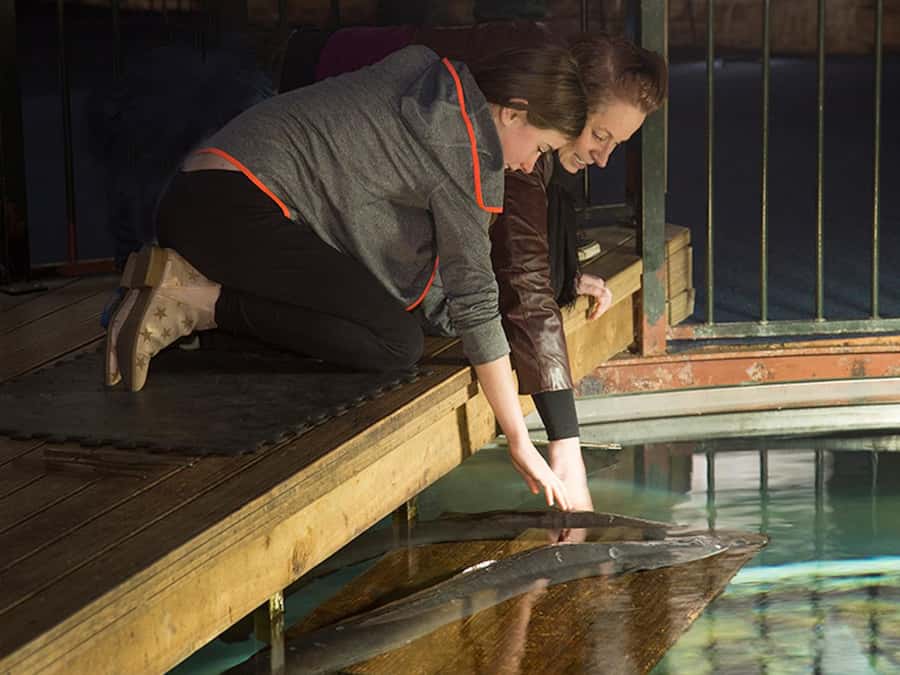
The second big draw is the giant eel feeding. This is not just “look at the tank” viewing. You are included for entry and you can join the eel feeding sessions during the day.
Feedings happen at 10:00 AM, 12:00 PM, and 3:00 PM. This is your key scheduling hook. If you care most about the eel feeding moment, align your visit to one of those times. Otherwise, you might still enjoy the exhibits, but you would miss the moment that people tend to remember most.
Why eel feeding is such a highlight: eels are not the easiest animal to spot and understand in the wild. In a centre setting, feeding gives you a clearer, more active look at how these animals behave and how the centre cares for them. One rating mentioned the eels and fish as the stronger part of the exhibits, and another highlighted how good it felt to watch eel feeding.
Same island, a completely different day:
- Franz Josef: 35min Helicopter Trip over Two Glaciers
★ 4.8 · 451 reviews - Small-Group Kayak Adventure from Franz Josef Glacier
★ 5.0 · 393 reviews - Franz Josef & Fox Glaciers Helicopter Flight & Snow Landing
★ 4.7 · 342 reviews - Pilot’s Choice: 2 Glaciers & Snow Landing – 35min
★ 5.0 · 336 reviews
What you can do during the feeding
The experience includes feeding giant eels. The exact level of hands-on involvement is not spelled out in the details you provided, so treat the feeding as a guided, scheduled part of the visit. Your best move is to arrive a little early for the time slot you selected, so you are in the right spot when it starts.
Other West Coast icons: tuatara, crayfish, and whitebait
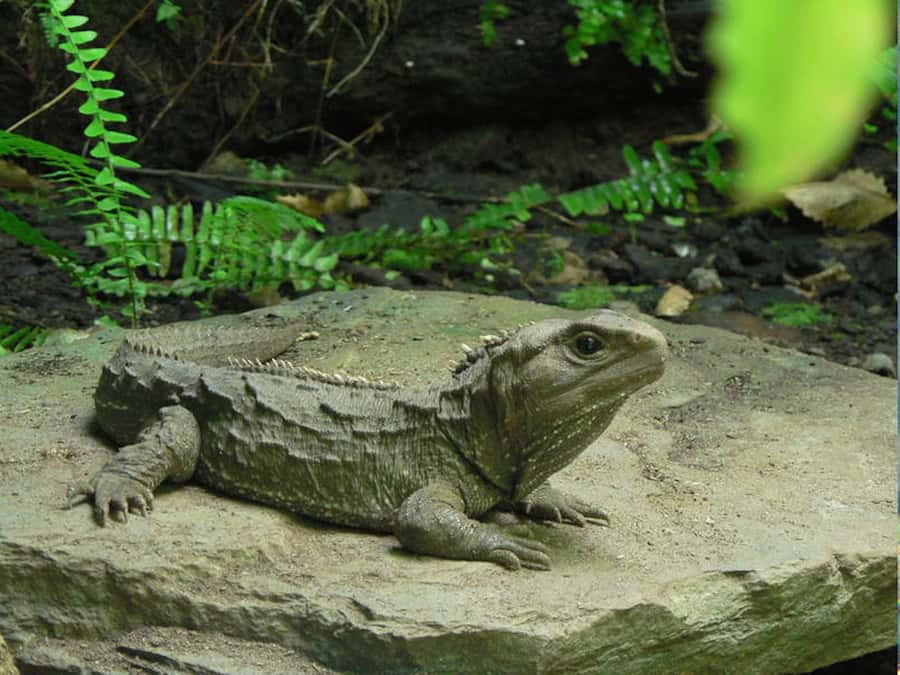
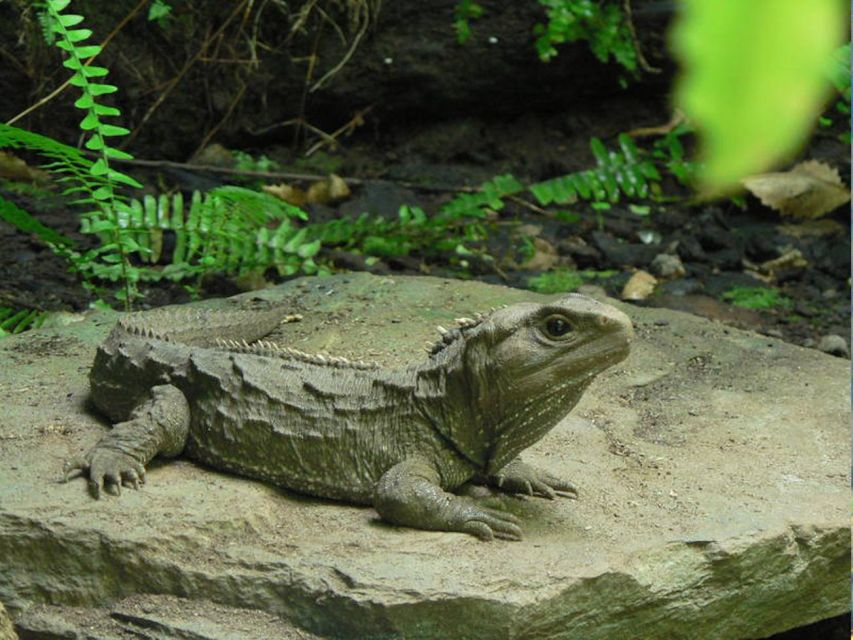
After kiwi, the centre expands into other native wildlife that fits the West Coast story. You will see tuatara (an ancient reptile), giant eels, crayfish, and whitebait.
This is where the centre is useful even if you are not only a “kiwi person.” The tuatara add a wow factor because they are truly unusual compared with what most visitors see at home. Crayfish and whitebait round out the picture, connecting you to the types of creatures that make New Zealand’s ecosystems distinct.
The value of this mix is that it supports a broader idea of conservation. You come for kiwi, then you leave understanding that wildlife protection is not one-species-only work. It is an entire web, from reptiles to freshwater creatures.
Staff energy and interactive exhibits that keep it real
The experience leans on interaction and conversation. You are not just touring a display row. You engage with interactive displays and you get help from a passionate team focused on conservation.
The language is English, so you should have no trouble getting context for what you are seeing. That matters because the animals here are not just “cute.” The centre is trying to explain why these species need protection and how a purpose-built environment supports that goal.
There are also small extra perks mentioned by visitors. One person described add-ons like free chocolate and a free kiwi picture, plus a note that self photography may be limited to protect the kiwi. I cannot promise those extras for every visit, but it is worth planning your expectations around a no-drama, photo-conscious approach. If you want a keepsake, ask staff what is provided during your time slot.
Price and value: is NZ$23 worth one hour?
At about $23 per person for a 1-hour experience, you are paying for three things at once: kiwi access, eel feeding, and a compact set of native-animal exhibits. For the West Coast, where distances between stops can add up, a one-hour option with clear highlights can be good value.
Here is how I judge the fairness of the price. If you time your visit to catch the eel feeding, and if the kiwi are visible during your session window, you get multiple “wow moments” rather than a single bird view. That is exactly what the strong ratings point to: people often describe the exhibits as high quality, with eels and kiwi as standout parts.
The only “value risk” is timing. If the kiwi do not show much activity during your hour, the experience may feel shorter on the wow factor than you expected. You can reduce that risk by choosing a starting time thoughtfully and by keeping your mindset on observation, not guaranteed sightings.
How to make the most of your one-hour visit
Because the visit is short, your best strategy is to arrive ready to watch and listen. Do not treat this as a quick photo sprint.
Here are a few high-impact moves:
- Choose your starting time to match your priority, especially eel feeding at 10:00 AM, 12:00 PM, or 3:00 PM.
- Plan for a slower pace inside the kiwi area. Nocturnal viewing can require waiting.
- Ask staff questions while you are there, since the team is part of the experience and the explanations help you connect what you see to conservation.
Also, food is not included. If you are coming from a drive day, grab a snack beforehand so you can stay focused during the visit.
Who should book this in Hokitika?
This is a strong match for:
- Families who want a wildlife stop that is short, clear, and guided
- Kiwi lovers who want a real chance to see kiwi in a controlled nocturnal setting
- People who want more than a single animal encounter, since you also get tuatara, crayfish, and whitebait
- Anyone building a West Coast day with a practical one-hour activity
It may feel less ideal if you are expecting a full-day wildlife park with frequent animal appearances on demand. The experience is designed for the animals, so you should come with patience and flexibility, not with a guarantee mindset.
Should you book The National Kiwi Centre Tickets?
I would book this if you are in Hokitika and you want a focused wildlife experience that respects the animals. The kiwi nocturnal house and the option to include giant eel feeding are the main reasons it works, and the one-hour length makes it practical for a busy itinerary.
Choose the time slot that matches what you care about most. If you can line up your visit with eel feeding at 10:00 AM, 12:00 PM, or 3:00 PM, you are stacking the odds for a memorable, active moment. If you want kiwi most of all, bring realistic expectations about nocturnal behavior, and let the visit be about observation.
FAQ
What is the duration of the Hokitika National Kiwi Centre ticket?
The experience lasts about 1 hour.
How much does it cost?
The price is listed as $23 per person.
What is included in the ticket?
The ticket includes entry to The National Kiwi Centre, and feeding giant eels.
Are there food and drinks included?
No. Food and beverages are not included.
What time are the giant eel feedings?
Giant eel feedings take place at 10:00 AM, 12:00 PM, and 3:00 PM.
Is it wheelchair accessible?
Yes, it is wheelchair accessible. The host or greeter speaks English.
Just added near Franz Josef & West Coast
- West Coast Tower Zipline & Treetop Walk Combo★ 4.5 · 19 reviews
- Punakaiki Blow Holes & Pancake Rocks Scenic Tour★ 5.0 · 60 reviews
- Full Day Tour of the Sights and Tastes of the West Coast★ 5.0 · 20 reviews
- Skip the Line: Shantytown Heritage Park Experience Ticket★ 4.0 · 59 reviews
- Monteith’s Brewery Tour★ 4.5 · 93 reviews
- West Coast Full Day Tour★ 5.0 · 6 reviews
- Explore Hokitika Gorge and Tree Top Walkway★ 4.5 · 30 reviews
- Twin Glacier Fox and Franz, Snow Landing (allow 30 mins – departing Fox Glacier)★ 4.5 · 10 reviews