
REVIEW · CRUISES & BOAT TOURS
Double Boat Dive with Equipment
Two boat outings in cold water. That already sounds like a plan. The payoff in Kaikoura is the combo of big views above the water and serious wildlife below it, with the mountains meeting the sea right as you head out.
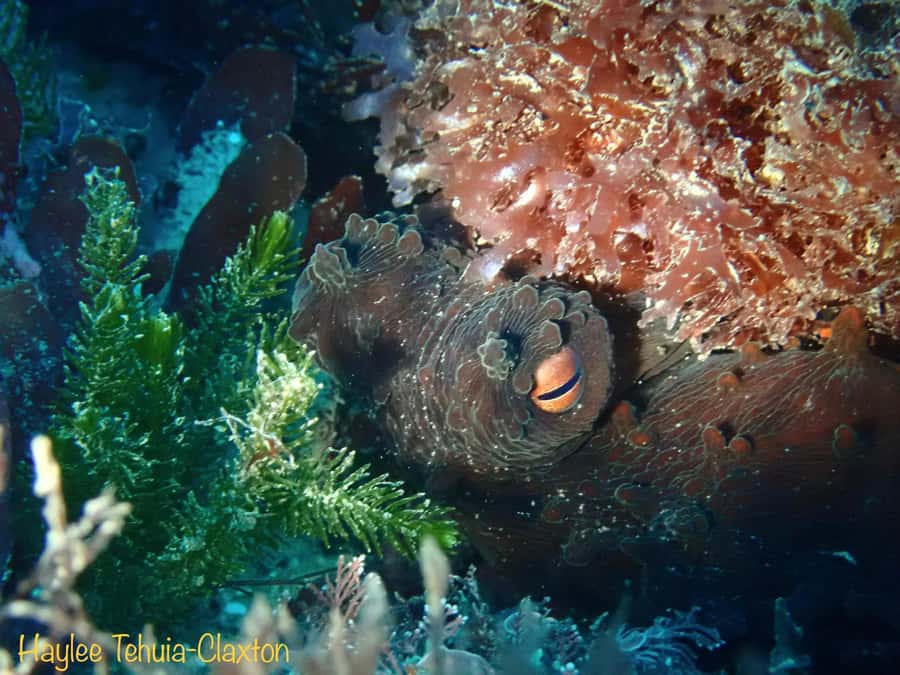
What I especially like is the small-group feel, limited to 4 participants, so you spend less time herding and more time watching. I also really appreciate how much life your guides aim you at, from octopus and moki to paua and crayfish, plus macro stars like nudibranchs.
The one thing to think through first is the conditions. This is cold water with typically low visibility, so if you hate reduced visibility or cold sessions, this might feel like more work than fun.
In This Review
- Key highlights worth planning for
- Kaikoura’s coast ride: mountains meeting sea
- Getting ready for cold water with a small group of 4
- Two boat-based underwater sessions, with a real break in between
- First underwater session: kelp colors, rocky reefs, and fish you can learn
- Low visibility and cold water: how to make the most of it
- What makes the second session different from the first
- Wildlife you should actually look for (and why)
- Mountain views and surface time: the rhythm that keeps it fun
- Who this Kaikoura outing suits best
- Value and logistics, judged by what you get
- Should you book this double boat scuba outing?
- FAQ
- Where does the activity start?
- How long is the experience?
- Is there an English-speaking guide?
- How many people are in the group?
- How long are the underwater sessions?
- Is equipment included?
- Is the water cold and visibility low?
- What happens if sea conditions are unsafe?
- Is this suitable for uncertified divers?
Key highlights worth planning for
- Small group capped at 4 means more hands-on guidance and less waiting around.
- Two 1-hour underwater sessions gives you a second chance at the best sightings.
- Kelp and seaweed forests stretch over rocky reefs in red, orange, purple, green, and brown.
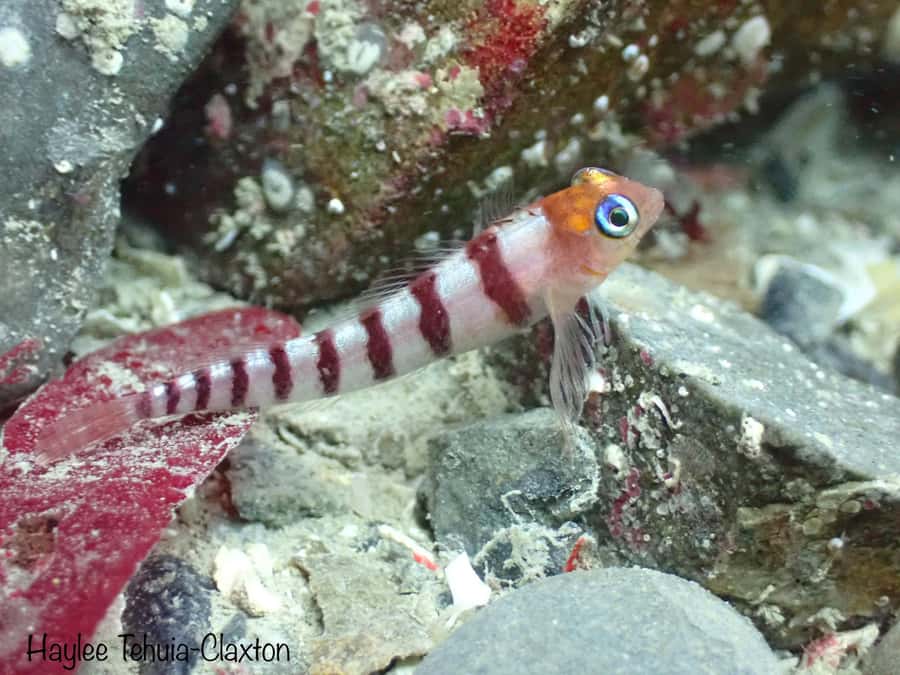
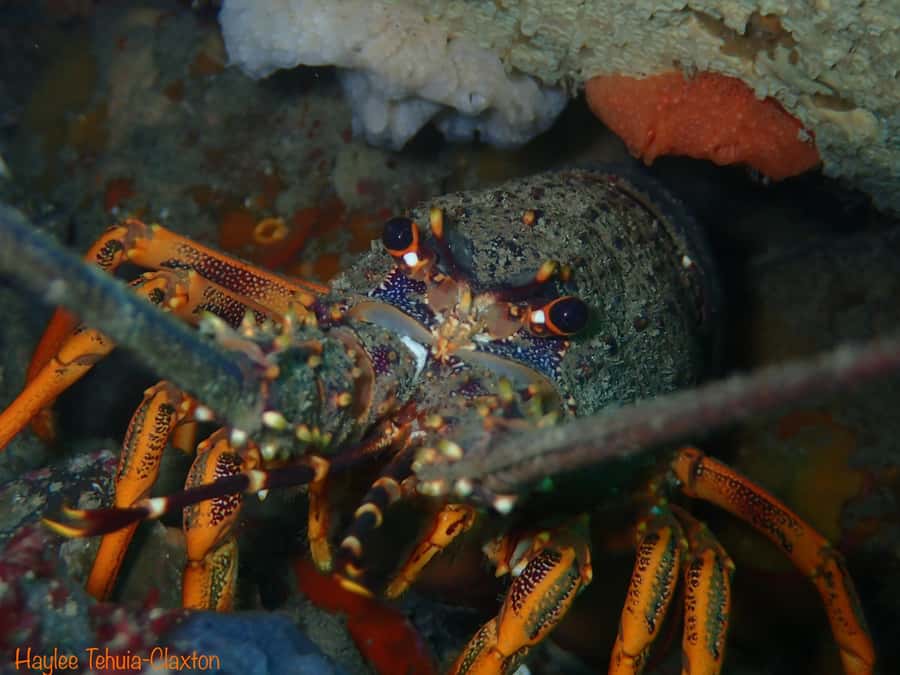
- Native fish and shellfish on the menu includes octopus, moki, blue cod, wrasse, butterfish, crayfish, and paua.
- Macro life like nudibranchs makes each rocky look-up-and-down moment worthwhile.
- Fur seals sometimes pop up near the bubbles, if luck and timing line up.
Kaikoura’s coast ride: mountains meeting sea
This outing starts at 38 West End, then you head out to the Kaikoura area in a couple of transfers, about 10 minutes and then 20 minutes. The road time matters because you get that classic Kaikoura moment where steep mountains roll down toward the water. Even if the underwater part is your main goal, I’d still treat the journey as part of the show.
You’re not just being transported. You’re being set up. In a place like Kaikoura, that shift from inland scenery to open ocean also helps you psychologically prepare for the water. Cold water can catch people off guard, especially if you arrive thinking this will feel like warmer coastal diving.
The operator keeps things structured, with a clear split between each underwater session and a break in between. That rhythm is useful in cold water, where you want time on the surface to warm back up and reset.
More boat tours in Kaikoura:
- Kaikoura: Whale Watching Cruise
★ 4.6 · 3,089 reviews - Whale Watching in Kaikoura by Boat
★ 4.5 · 2,906 reviews - Waitomo: Glowworm Caves Guided Tour by Boat
★ 4.5 · 4,908 reviews
Getting ready for cold water with a small group of 4
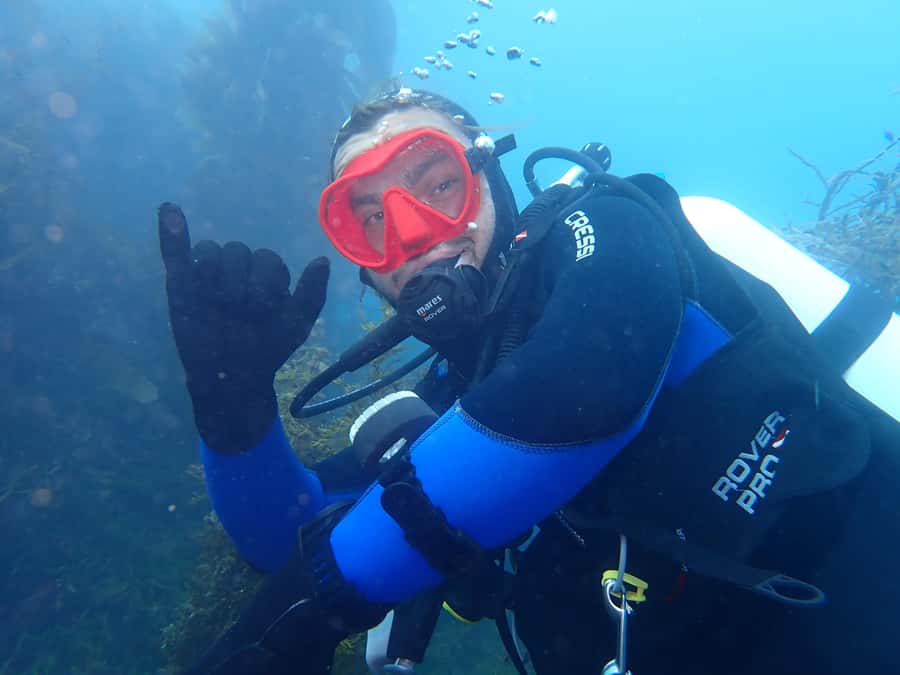
Your guide is English-speaking and you’re traveling in a small group limited to 4 participants. That’s a big deal in a low-visibility environment, because you tend to rely more on your instructor’s pace and cues. It also helps with confidence. When you’re not squeezed into a big group, it’s easier to ask a quick question and get it answered before the water starts.
The activity is also listed as including equipment, which usually removes one common headache: you can focus on the experience instead of logistics. Still, cold water is cold water. Even when equipment is provided, you should plan to wear warm layers between sessions and be ready for the sensation shift when you go back in.
And here’s the practical note I’d emphasize: this is not a casual try-it-out. It’s not suitable for divers without certification. If you’re not certified, skip this and choose something that fits your current level, because the whole format assumes you can handle scuba basics.
Two boat-based underwater sessions, with a real break in between
The timing is simple and clear. Once you reach the Kaikoura area, you get about 1 hour for your first underwater session, then a 1-hour break, then a second 1-hour underwater session. After that, you return to 38 West End with transfers of about 20 minutes and then 10 minutes.
Why this structure works:
- Two sessions means you are not stuck with a single roll of the dice. If visibility or wildlife luck is average the first time, you get another shot.
- A full 1-hour break is long enough to regroup, dry out, and cool down from the mental effort that cold water can create.
- Shorter underwater blocks keep the experience focused. You’re aiming for quality observations rather than getting stuck on fatigue.
It also makes planning your day easier. You’ll be done within about 5 hours total, including transfers and the break. If you like to stack other Kaikoura activities afterward, this schedule gives you a clean landing.
First underwater session: kelp colors, rocky reefs, and fish you can learn
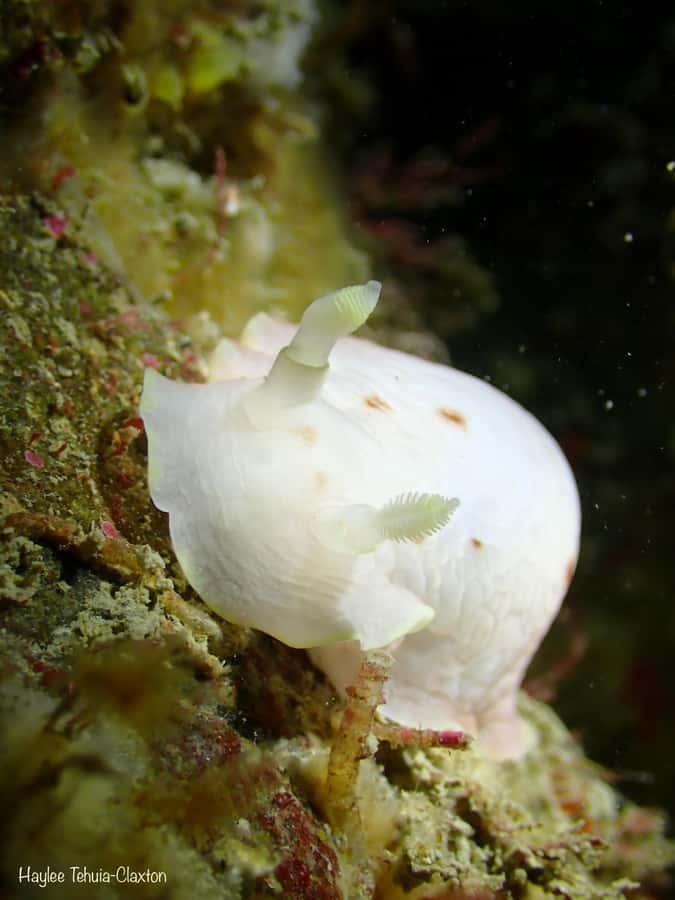
Your underwater trip is centered on rocky reefs with a seaweed and kelp setup that sounds almost like a moving color palette. The description you should picture is kelps and seaweeds draping over the rocks, with reds, oranges, purples, greens, and browns. In low visibility, that visual texture can be a lifeline, because your eye has more surface detail to catch.
The guide’s aim is also biodiversity, not just depth or scenery. You can expect encounters with native fish such as octopus, moki, blue cod, wrasse, and butterfish. Occasionally, schooling baitfish may appear, which can change the whole underwater mood fast, because predators and quick movements tend to follow that activity.
Look closely at the rocks. The hidden treasures listed include crayfish, paua, and kina beds. That trio matters because it tells you where the “boring parts” of the reef often hide the best moments. Crayfish tend to reward patience near crevices. Paua is often about scanning slowly rather than chasing. Kina beds can be good places to notice how the reef community fits together.
And then there’s macro life. Nudibranchs are mentioned for the small stuff lovers, and in Kaikoura cold-water conditions, macro can be some of your most reliable action because you can’t cover ground as fast as in warmer water.
One more thing: your bubbles can sometimes bring company. Fur seals are known to appear on fortunate occasions, which is the kind of wildlife interaction that feels like a bonus rather than the main assignment.
A few more Kaikoura trips worth comparing
- Kaikoura: Whale Watching Flight with Commentary
★ 4.6 · 823 reviews - Wildlife Sea Kayaking Tour – Kaikoura
★ 5.0 · 467 reviews - Seal Kayaking Adventure in Kaikoura
★ 5.0 · 422 reviews - Kaikoura: Half-Day Wildlife Kayaking Tour
★ 4.6 · 390 reviews
Low visibility and cold water: how to make the most of it
This is where you should adjust expectations. The tour explicitly warns about cold water and typically low visibility. That means you should plan to move with intention and keep your eyes calmer than you would in clear-water spots.
In practical terms, low visibility changes what “seeing” means. Instead of relying on far-away silhouettes, you’ll likely spend more time close to the reef features and in the near field where your guide is navigating. That’s not worse. It’s just different. It can feel more intimate, and the reef details become more important.
In between sessions, warm up properly. The schedule includes a 1-hour break for a reason, and I’d use that time like a reset button. When you’re cold, your attention shrinks. When you’re warmer, you spot more fish behavior and you notice the small stuff, like how a nudibranch crawls or how baitfish schooling changes direction.
If you’re prone to anxiety in reduced visibility, practice slow breathing and stick to your buddy or your guide. Small group formats help here, because you’re less likely to get separated in a noisy, crowded situation.
What makes the second session different from the first
The second underwater session is another 1 hour, and it’s not just repeat work. With wildlife, conditions matter. Maybe the first session is about learning the reef structure. The second session is where you can apply that learning.
You also get a second chance at the higher-energy sightings. Fur seals are described as sometimes showing up near your bubbles, and those moments are often unpredictable. The fact that you have two separate underwater blocks increases the odds that at least one of those surprise sightings will land during your time in the water.
Also, you might catch different angles of the same reef features. Even if the reef type feels similar, kelp forests and rocky contours can guide your eye. In low visibility, the reef becomes a sort of map you read by texture. Once you’ve made that mental map once, it’s easier the second time.
Finally, macro moments like nudibranchs often reward returning with fresh attention. A lot of people rush their first 20 minutes because they’re checking equipment and adjusting. By session two, you’re usually calmer and more observant.
Wildlife you should actually look for (and why)
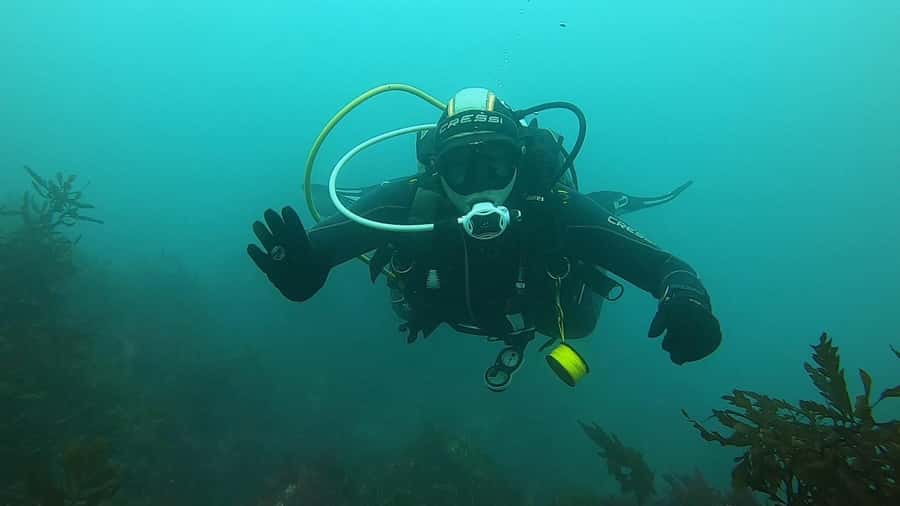
Here’s what the experience focuses on, and how you can mentally prioritize it while you’re underwater.
- Octopus and native fish: Octopus are worth watching for slow movement and changes in behavior around rocks. Moki, blue cod, and wrasse are the kind of reef residents you can sometimes spot by staying steady rather than searching wildly.
- Butterfish and schooling baitfish: Schooling baitfish can act like a weather system underwater. When they appear, keep your eyes open for the ripple effects in nearby reef life.
- Crayfish and paua: These are typically “look under your nose” creatures. Your best bet is careful scanning at the reef surface and crevice edges.
- Kina beds: These can help you understand the reef ecosystem as more than just fish. When you’re seeing kina habitat, you’re seeing the food web at work.
- Nudibranchs: Macro life can feel slow until you realize it’s often slow on purpose. Give it time, and you’ll usually notice something move, even if it is small.
This is one reason I think the small group works. With only up to 4 participants, you’re more likely to keep attention on a reef feature long enough for it to pay off.
Mountain views and surface time: the rhythm that keeps it fun
A lot of wildlife days go wrong when the surface time feels rushed. Here you have a full 1-hour break between the two underwater sessions. That time is valuable because it lets you dry off, warm up, and take in the scenery again.
Kaikoura’s coastline is dramatic. When you’re back on the surface, you can reframe what you saw under water. You look at the rocky coast and kelp zones and suddenly the underwater geography makes more sense. That feedback loop improves your experience, even if you are not thinking about it consciously.
It also helps keep the day enjoyable for different temperaments. Some people love big animal encounters. Others focus on fish ID, macro critters, and reef details. The format gives both styles enough time.
Who this Kaikoura outing suits best
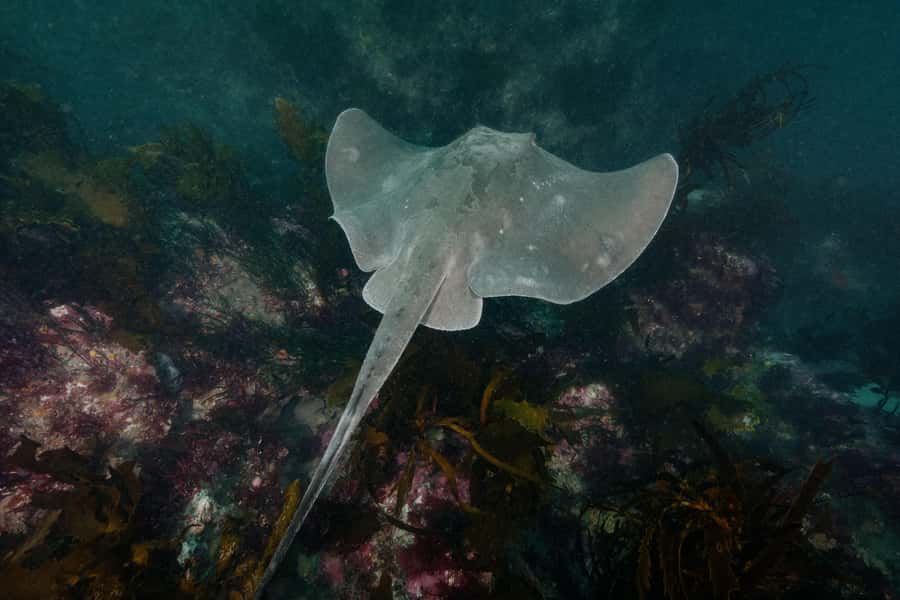
This experience is a strong fit if you:
- Are a certified diver and comfortable with cold-water conditions.
- Like native marine life more than you care about perfect visibility.
- Enjoy small-group guiding and a structured pace.
- Want two chances at wildlife and reef observations instead of one short underwater outing.
It’s not a great fit if you:
- Are not certified for scuba.
- Hate cold water or get uncomfortable in low visibility settings.
- Want a long underwater roam. The schedule is focused and split into two sessions.
If you’re traveling as a couple or with a buddy who likes marine life, the small group also adds a level of control to the day.
Value and logistics, judged by what you get
No price is provided here, so I’ll judge value by what the day delivers. You get equipment included, an English live guide, a small group limited to 4, and two separate 1-hour underwater sessions with a 1-hour break. Add the mountain-to-sea scenery during transfers and you get a full, coherent half-day experience built around actual underwater time.
Weather matters too. The trip is weather dependent, and a full refund is given if it cannot operate due to poor sea conditions. That matters for value because cold-water marine days can be canceled when conditions are unsafe, and the tour is being transparent about that.
Also, the experience requires a minimum of 2 people to operate. That means if you book solo, it may not run unless there are enough people. It’s worth keeping a flexible plan in mind.
Should you book this double boat scuba outing?
I’d book it if you’re excited by native Kaikoura marine life, you’re okay with cold water and typically low visibility, and you appreciate a small group that gets you onto the water twice in one day. The two-session format is the standout advantage, because it increases your odds of memorable sightings like octopus, paua, nudibranchs, and the occasional fur seal near the bubbles.
Skip it if you’re hoping for clear-water sightseeing or you’re not certified. In Kaikoura, conditions are part of the experience. If that trade feels right to you, this is a solid way to spend five hours.
FAQ
Where does the activity start?
The starting location is 38 West End.
How long is the experience?
The duration is 5 hours.
Is there an English-speaking guide?
Yes. There is a live tour guide in English.
How many people are in the group?
The group is small, limited to 4 participants.
How long are the underwater sessions?
You have two scuba sessions, each listed as 1 hour, with a 1-hour break between them.
Is equipment included?
The experience is titled with equipment, indicating you go with the provided gear.
Is the water cold and visibility low?
Yes. The activity notes that it is cold water and typically has low visibility.
What happens if sea conditions are unsafe?
Trips are weather dependent, and you get a full refund if the tour cannot operate due to poor sea conditions.
Is this suitable for uncertified divers?
No. It is not suitable for divers without certification.
Just added near Kaikoura
- Kaikoura Whale Watching – 45 Minute Ocean Safari★ 5.0 · 39 reviews
- Kaikōura Whale Watching and Scenic Landing – 1hr Premier Tour★ 5.0 · 24 reviews
- Llama Trek (Taster) – Kowhai River Valley and Native Woodland Tour★ 5.0 · 76 reviews
- Sunset Kayak tour in Kaikoura★ 5.0 · 46 reviews
- Kaikōura Whale Watching – 1hr 20min Ultimate Adventure★ 5.0 · 8 reviews
- Sunset Evening Kayaking Tour – Kaikoura★ 4.5 · 81 reviews
- Private Wildlife Kayaking Tour – Kaikoura★ 5.0 · 44 reviews
- Kaikoura Helicopters Top n Tail Whale Watch flight★ 5.0 · 7 reviews
Cruises & Boat Tours, compared.
Cruise Milford NZ Small Boutique Cruise Experience
Read our review →
Walter Peak Gourmet BBQ & Lake Whakatipu Cruise
Read our review →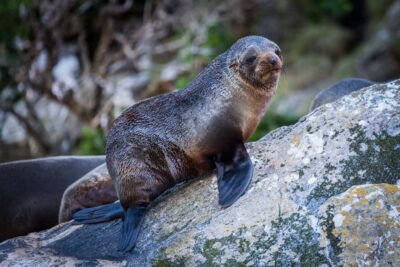
Shotover River Extreme Jet Boat Ride in Queenstown
Read our review →
Small Group, Award Winning Milford Sound Day Experience & Cruise
Read our review →Browse the lists this tour appears in