
REVIEW · AUDIO TOURS
Discover Napier Earthquake: Self-Guided Audio Tour
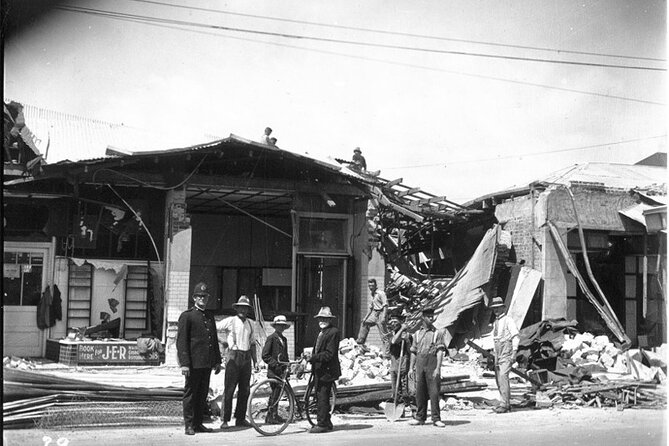
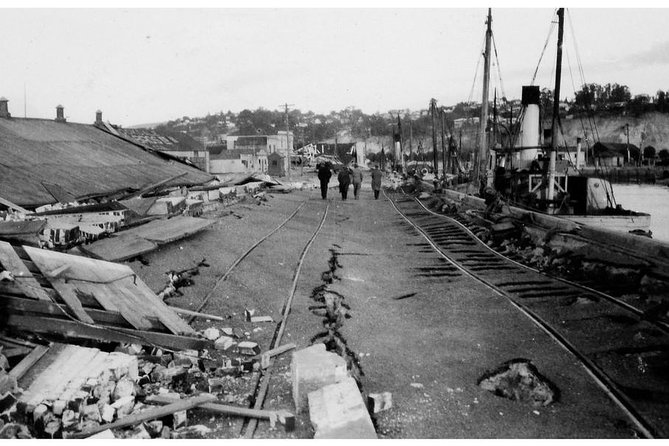
Napier’s 1931 earthquake still echoes in stone. This self-guided audio tour takes you on a walk through parts of Napier affected by the 1931 Hawke’s Bay earthquake, showing what was damaged and how the city rebuilt. I like that it’s set up for real exploring at walking pace, not rushing from one plaque to the next.
Two things I really like: the GPS map plus audio files combo helps you keep moving in the right order, and the narration format is made for on-your-feet learning. You can pause when you want to stop for a coffee or browse along the way, and the full experience is designed around two major stops.
One consideration: the audio app experience can be a little clunky at times, and while the information is strong, you may wish for more on-trail signage and extra visuals.
In This Review
- Key highlights you will actually notice
- Why this Napier Earthquake walk feels different from reading a plaque
- Starting at Napier i-Site, ending at Veronica Sunbay
- Price and value: what $15.29 buys you in real time
- How the self-guided audio works on the street (and how to avoid friction)
- Stop 1: Napier Municipal Theatre, Clive Square plans and the 1938 rebuild
- Stop 2: Waiapu Anglican Cathedral, the 1886 stone to 1965 completion
- What makes these two stops a smart way to understand recovery
- Practical tips to make this walk smoother in your own day
- Who this Napier Earthquake audio tour fits best
- Should you book the Napier Earthquake self-guided audio tour?
- FAQ
- How long is the Napier Earthquake self-guided audio tour?
- What is included in the price?
- Is admission to the stops included?
- Do I need an audio device or headphones?
- What language is the tour available in?
- Can I cancel for a full refund?
Key highlights you will actually notice
- Self-paced walking route paced for your day, not a rigid group schedule
- Two focused memorial stops that explain what changed after 1931
- Audio files and GPS map included, so you are not relying on guesswork
- English only, so plan accordingly if you want another language
- About 2 hours on the ground, with flexibility to stretch it to 2 to 3
- Free admissions at stops, since you are not paying extra entry fees for the two main sites
Why this Napier Earthquake walk feels different from reading a plaque
Napier’s story is not abstract. It is written into buildings, rebuilding dates, and the way a whole town responded after a disaster. What makes this tour work is that it turns the earthquake from a headline into something you can experience step by step while you walk through the city center.
The format is also practical. You download the tour, open the map that comes with it, then press play when you reach each area. That matters, because you can spend time where you are curious and skip ahead when you are not. The stops are relatively short, around 15 minutes each, so you are not stuck listening through long stretches of narration in one go.
Also, the tour is positioned as a true walking experience. You are moving through Napier’s streets between landmarks, and you can stop for food or shopping whenever you like. That small freedom makes a big difference in a self-guided tour, especially if you like to photograph and linger.
Finally, the tour is only available in English. That keeps the story consistent, but it also means you should confirm your comfort level before you book.
More Self-Guided Tours in Napier & Hawkes Bay
- Great Escape Self-Guided Scenic Cycle Winery Tour from Napier
★ 4.5 · 75 reviews - Cape Winery Cycle Tour – 6 wineries, self-guided
★ 5.0 · 62 reviews - Hawke’s Bay: Self Guided Coast to Vineyards Cycle Tour
★ 4.9 · 29 reviews
Starting at Napier i-Site, ending at Veronica Sunbay

This is a point-to-point style walking tour. You begin at the Napier i-Site Visitor Information Centre, 100 Marine Parade, Napier South (you’ll find it listed as the start point). Your route ends at Veronica Sunbay, 3 Tennyson Street, Napier South.
You also have a built-in anchor for your day: the listed start time is 9:00 am. Even though it is self-guided and you can pause, that morning start helps if you want daylight for photos and an easier pace before crowds pick up.
One more practical note that affects your comfort: it is designed for walkers with moderate physical fitness. That does not mean it is a hard hike, but you should expect city walking and some time on your feet.
Price and value: what $15.29 buys you in real time
At $15.29 per person, this is not a casual impulse buy, but it is also not expensive for what you get. You are paying for the audio files plus a GPS map, and that’s exactly the kind of tool that can turn a normal walk into a guided narrative without hiring an actual guide.
The good value part is that the two main stops do not require paid admission fees. So you are not paying extra once you reach the sites. The cost is basically for the content delivery, not for site entry.
What you should plan for financially is what is not included: an audio device, transportation, and food and drinks. In other words, you bring your phone and your headphones. You pay for anything you eat, and you handle getting to Napier yourself.
Also worth noting: the tour has a maximum of 15 travelers. For a self-guided product, that might not feel like a typical group-tour detail, but it usually means the provider is keeping things manageable. In practice, it often correlates with smoother digital setup and fewer frantic support issues.
How the self-guided audio works on the street (and how to avoid friction)

You will download the tour audio file ahead of time and get instructions in the Before You Go section of your ticket. That step matters, because a self-guided walk lives or dies by whether your phone behaves when you need it.
Here’s what I would treat as your checklist before you start:
- Download and get ready before you begin walking
- Bring headphones, since the tour expects you to listen as you walk
- Use the map included with the download to follow the route in order
- Expect pauses, because the tour is specifically designed for you to stop audio and keep going whenever you want
One reason some self-guided tours feel frustrating is when you hit the transition between stops and the app needs a moment, or the GPS doesn’t cooperate perfectly. A key theme in the experience feedback is that the app can be a little clunky at times. If you go in expecting occasional technical hiccups, it stays fun instead of turning into a stressful tech problem.
A small detail that also affects your satisfaction: the narration is short per stop, which keeps attention focused, but it can also mean you rely more on the audio story itself than on on-street interpretive signs. If you prefer lots of big visuals along the way, you might find the signage and pictures less than you want.
A few more Napier trips worth comparing
- Rotorua Railcruising: Self-Drive Rail Car with Audio Guide
★ 4.6 · 19 reviews - Explore Auckland: Self Guided Audio Tour
★ 4.5 · 12 reviews - Discover Picton: Self-Guided Audio Tour
★ 3.0 · 8 reviews - Discover Akaroa: Self Guided Audio Tour
★ 4.0 · 6 reviews
Stop 1: Napier Municipal Theatre, Clive Square plans and the 1938 rebuild
Your first named stop is the Napier Municipal Theatre. Even before you hear much about the earthquake, there’s a built-in story about why the theatre is where it is.
The theatre was originally intended to be built at Clive Square, but public petitions pushed it to its current site. That is a great reminder that towns are shaped by people, not just by engineers and architects.
Then the earthquake part starts to matter. Much of Napier’s city center was built with brick, but the lime and mortar mix used in construction failed badly during the quake. That is the kind of detail you rarely get from general disaster summaries. It explains how damage can be driven not just by shaking, but by the materials and their performance.
The Municipal Theatre was destroyed in the earthquake and then rebuilt in 1938. That rebuilding date gives you a clear timeline anchor. Instead of only hearing about the trauma, you get the follow-through: the city did not just rebuild someday, it rebuilt within a defined period.
What to watch for as you listen here: notice how the story connects the earlier construction choices to the later reconstruction timeline. That is where the learning becomes more than a list of dates. You start to see how design choices can influence what survives a disaster.
A drawback to keep in mind: this stop is fairly content-dense for its time, about 15 minutes. If you enjoy slow, lingering historical photo viewing, you may want to pause the audio and take your time around the building itself.
Stop 2: Waiapu Anglican Cathedral, the 1886 stone to 1965 completion
The second stop is Waiapu Anglican Cathedral. It brings a different kind of meaning to the earthquake story, because it combines architecture, tragedy, and long rebuilding effort.
The first stone was laid in 1886, and the cathedral was built following a traditional English design. It was completed in 1888. If you like historical buildings, this gives you a baseline before the earthquake chapter. You are learning what it was, not only what it became after disaster.
Then comes the 1931 event. During communion on February 3, 1931, the building was completely destroyed, killing one person. That is a heavy detail, but it’s presented in a way that keeps the narrative grounded. It also helps you understand why later rebuilding matters beyond aesthetics.
For the next 25 years, a temporary wooden cathedral was used until the present structure was completed in 1965. That is a long timeline, and it changes how you interpret the whole recovery story. You get a sense that rebuilding is not always quick. In many places, recovery means working with what you have, year after year, until the permanent solution is ready.
A good way to experience this stop is to let the story settle. The cathedral is framed as a living memorial to those who rebuilt Napier after the earthquake. If you pause your audio for a moment and look at the surroundings, you’ll likely feel that the site is doing more than telling history. It is holding memory in place.
The same practical consideration applies here: your audio time at the stop is short, around 15 minutes. If you want deeper architectural viewing, you’ll likely want to extend time before or after the audio segment.
What makes these two stops a smart way to understand recovery
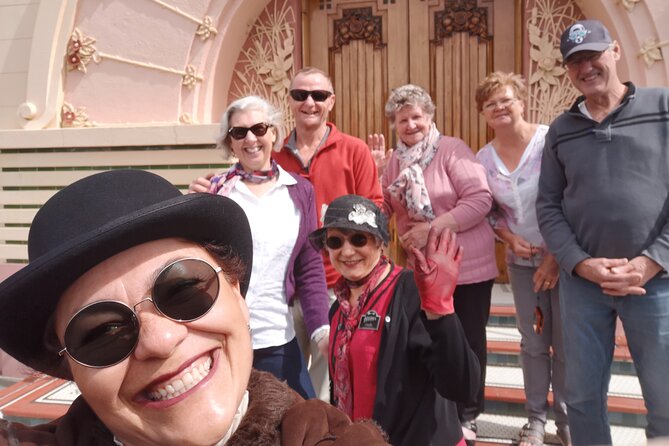
This tour is not trying to cover every earthquake-related site in Napier. Instead, it focuses on two significant landmarks that represent different angles of the same story.
At Napier Municipal Theatre, you see how building materials and construction choices can fail under stress, and you get a clear rebuild date in 1938. At Waiapu Anglican Cathedral, you see an older structure destroyed during a specific moment in time, then a long recovery path using a temporary church for 25 years, ending with completion in 1965.
That pairing is valuable because recovery is not one thing. It’s structural engineering, community action, and patience. It’s also the human side, including what happens during a service, and the fact that the city had to keep going even while the main building was gone.
The walking structure also helps your brain. You are learning while moving. Instead of consuming the story like a lecture, you experience it in chunks that fit into a normal sightseeing day.
Practical tips to make this walk smoother in your own day

Since this is self-guided, the best “how to enjoy it” advice is really about reducing friction.
First, treat your phone as part of the tour. The tour expects you to use the mobile download, follow the GPS map that comes with it, and listen through your headphones. If you are traveling with multiple apps running or low battery, you might find the app clunkiness more noticeable. If you want the experience to feel effortless, prepare your phone before you start.
Second, build in “pause time.” The tour explicitly supports pausing when you need a break. Use that to sync the narration to your energy level and your walking pace. If you want photos, pauses are where your photos fit.
Third, plan to end at Veronica Sunbay. That helps you structure your return or your next activity. If you like finishing with a view or an easy stroll, that end point matters.
Fourth, remember the tour is English only. If you are comfortable in English, you will get the full value of the story. If you are not, you may prefer a different product.
Finally, go in expecting that the tour is mostly audio-driven. If you want strong signage and lots of pictures at each step, you might feel a little shortchanged. The payoff is in the narrative clarity and the way it connects dates, buildings, and rebuilding.
Who this Napier Earthquake audio tour fits best
This experience is a good match for you if:
- You enjoy walking through a city center and learning through a guided story
- You prefer control, meaning you like pausing and moving at your own pace
- You want a focused explanation of the 1931 earthquake impact on specific landmarks
- You travel independently and don’t want a live guide schedule
It may be less ideal if:
- You strongly need lots of on-street visuals to learn
- You hate using apps or you find GPS-based navigation stressful
- You are not comfortable with an English-only narrative
In terms of timing, the tour is listed as 2 to 3 hours, with about 2 hours suggested. That slot works well as a morning activity paired with lunch, or as an afternoon walk before dinner.
Should you book the Napier Earthquake self-guided audio tour?
I think it’s worth booking if you want a practical, low-pressure way to understand how Napier absorbed the shock of the 1931 earthquake and rebuilt specific landmarks over time. The value is strong because the stops are free to visit, the tour content is delivered through audio files and a GPS map, and you can flex the pacing.
Book it if you like learning by walking, and if you are comfortable troubleshooting a small digital hiccup. Skip it if you need more visuals than audio, or if you know you will find app navigation frustrating.
If you’re visiting Napier and you want the earthquake story without a rigid tour format, this is a smart, cost-effective way to turn a simple walk into a meaningful timeline of survival and rebuilding.
FAQ
How long is the Napier Earthquake self-guided audio tour?
The tour is approximately 2 to 3 hours, with about 2 hours suggested overall. You can pause the audio guide when needed.
What is included in the price?
Included are the audio files and GPS map, plus the fact that it is self-paced. You also get a mobile ticket.
Is admission to the stops included?
No. Admission fees are not included, but the tour information notes that the two main stops list free admission ticket details.
Do I need an audio device or headphones?
An audio device is not included, so you’ll need your own. The tour expects you to listen using headphones.
What language is the tour available in?
The tour is only available in English.
Can I cancel for a full refund?
Yes, you can cancel for free. You must cancel at least 24 hours in advance of the experience start time for a full refund. If you cancel less than 24 hours before, the amount paid is not refunded.
More Self-Guided Tours in Napier
- Napier: Cruise Self-Guided Cycle Ride to Winery – Half Day
★ 4.6 · 19 reviews - Napier: Cycle to Wineries – Half Day, self-guided
★ 4.0 · 12 reviews - Queen Charlotte Track: Cruise & Self-Guided Hike from Picton
★ 4.8 · 383 reviews - Self-Guided Wine Tours by Bike with Lorelle & Greg
★ 5.0 · 304 reviews
Just added near Napier
- Napier Gourmet Winery Luncheon + tastings at 3 Great Wineries★ 5.0 · 81 reviews
- National Aquarium of New Zealand in Napier General Admission★ 4.0 · 41 reviews
- Napier Bike Hire★ 5.0 · 40 reviews
- Shore excursion – Napier sight seeing/Art Deco Tour,★ 4.5 · 3 reviews
- Napier Shore Excursion: City Sights and Hawke’s Bay Tour★ 3.5 · 6 reviews
- Napier Cruise Excursion Art Deco Tour and Wine Tasting★ 4.5 · 3 reviews
- Napier Shore Excursion: Wine & Art Deco Tour★ 4.5 · 6 reviews
- Small group – Napier Premium Wineries+ Beer tour -5.0 – 5.5 hours★ 5.0 · 48 reviews
Audio Tours, compared.

Rotorua Railcruising: Self-Drive Rail Car with Audio Guide
Read our review →
Explore Dunedin: Self-Guided Audio Tour Adventure
Read our review →Browse the lists this tour appears in